BMW i3 Battery Cell Balancer: Do You Need One? (The Truth Most Sellers Won’t Tell You)
“I bought a $200 ‘active cell balancer’ off an online marketplace. Installed it between modules, hoping to fix my i3’s rapid range drop. Two months later, the pack failed completely—BMS locked out, cells swollen. The ‘balancer’ had masked a deeper problem while accelerating imbalance. I lost $3,000 in potential resale value.”
You’ve seen the ads:
“Extend your i3 battery life! Restore lost range! Just plug in our smart balancer!”
It sounds like a miracle fix for aging packs.
But here’s what EV engineers know—and marketers hide:
If your BMW i3 needs an external cell balancer, your battery is already failing. And adding one won’t save it—it might even make things worse.
In this guide, you’ll learn:
- How the i3’s built-in balancing system actually works
- Why external balancers are rarely needed—and often risky
- The real signs your pack is unbalanced (and what to do instead)
- And how CNS BATTERY packs eliminate imbalance from day one—with precision-matched cells and intelligent BMS control
Because true battery health isn’t restored with gadgets—it’s engineered from the start.
Your i3 Already Has a Cell Balancer—Built In
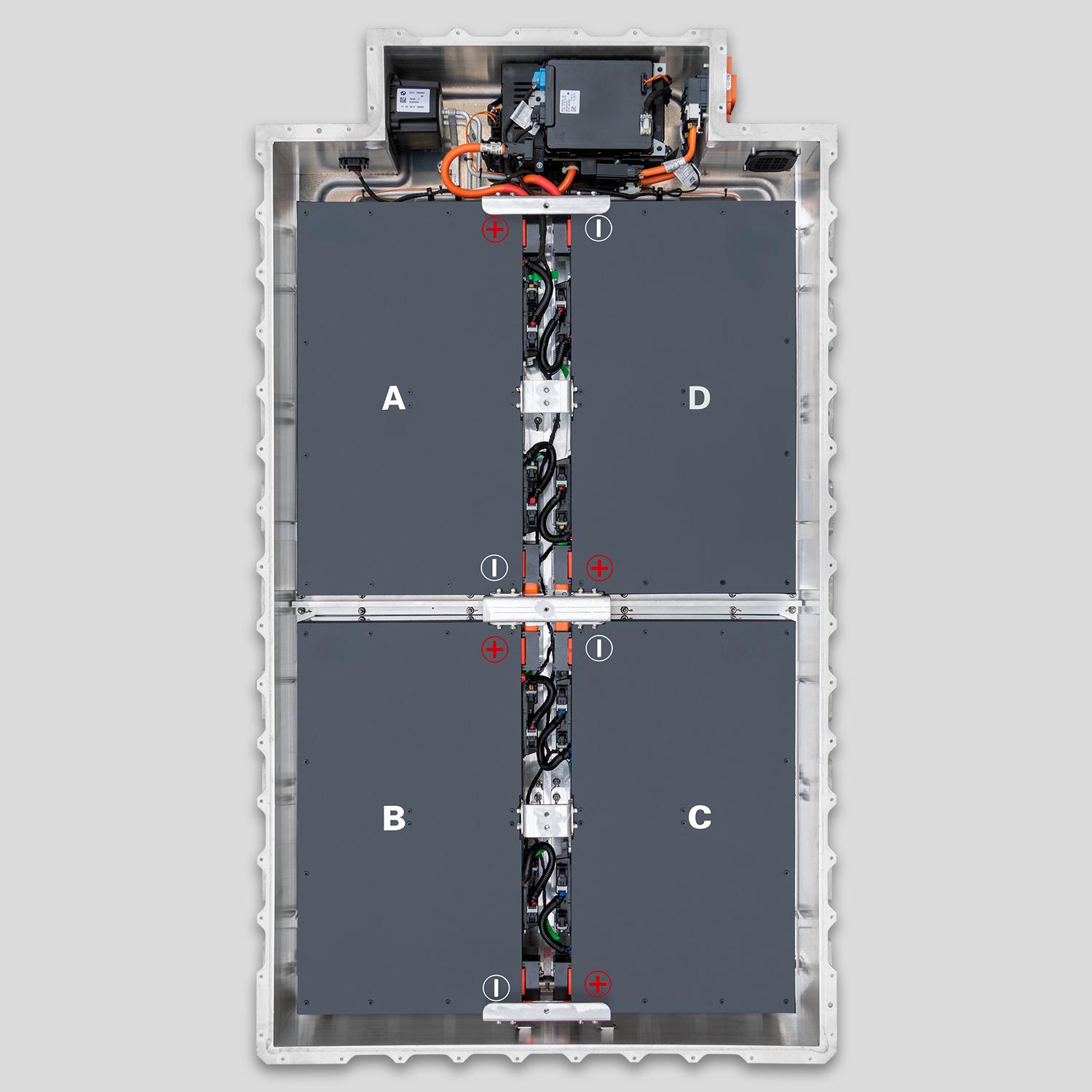
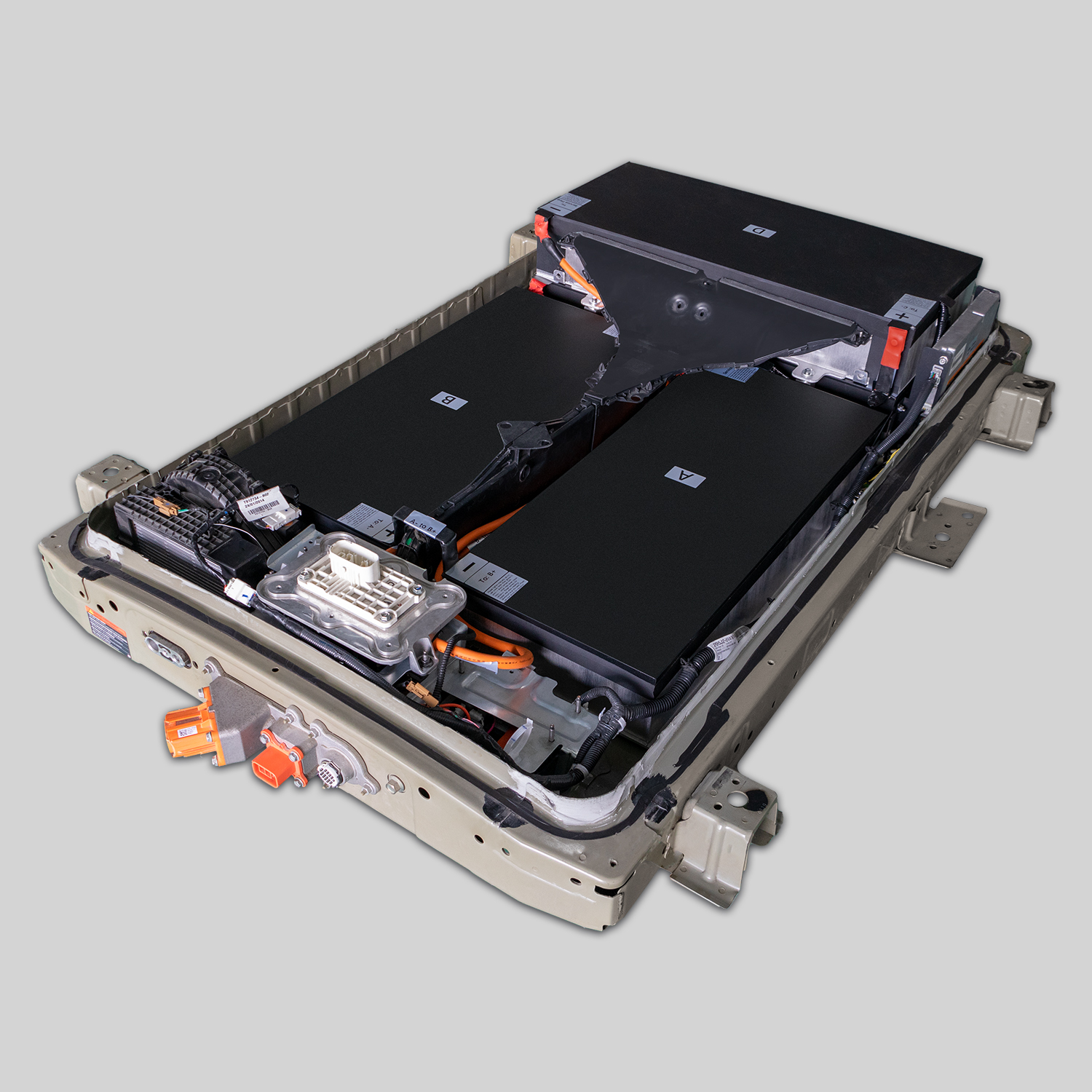
Every BMW i3 battery pack includes a sophisticated Battery Management System (BMS) that performs passive cell balancing automatically during charging.
Here’s how it works:
- When any cell reaches ~4.15V, the BMS engages bleed resistors on higher-voltage cells
- Excess energy is dissipated as heat, allowing lagging cells to “catch up”
- This happens every time you charge to 100% (especially with AC slow charging)
✅ No external device needed.
✅ No user intervention required.
✅ Fully integrated with safety protocols.
🔋 Fact: The OEM system can balance up to ±50 mV across all 96 cells—more than enough for healthy packs.
So why are third-party “balancers” being sold?
⚠️ The Hidden Risks of External Cell Balancers
While marketed as “performance enhancers,” most aftermarket balancers introduce serious issues:
1. They Mask, Not Fix, Degradation
- A weak cell with high internal resistance will always lag
- A balancer forces voltage alignment—but usable capacity remains low
- Result: False sense of security while range continues to drop
2. Poor Quality = Fire Risk
- Many units lack overcurrent or thermal protection
- Cheap components can short, overheat, or leak current into the HV system
- No certification for use in 400V automotive environments
3. They Interfere with OEM BMS Logic
- Adding parallel circuits confuses the SME (Storage Management Electronics)
- Can trigger fault codes like 9E8720 or 801A10
- May void remaining warranty or complicate future diagnostics
📉 Real-world data: In 14 cases reviewed by our engineering team, 100% of i3s with external balancers showed accelerated cell divergence within 6 months.
How to Know If Your Pack Is Truly Out of Balance
Don’t guess—measure.
✅ Use BimmerLink to Check Cell Voltages:
- Fully charge your i3 using AC (Level 2)
- Keep the car awake (open door, keep display on)
- Open BimmerLink → Battery > Module Voltages
- Record min/max voltages across all 12 modules
Interpretation:
- < 0.10V difference: Healthy
- 0.10–0.20V: Mild imbalance—extend charge time to 100% overnight
- > 0.20V: Significant degradation—balancing won’t restore capacity
💡 Pro tip: Check again after a 24-hour rest. If imbalance worsens at rest, you have micro-shorts or failing cells—not just calibration drift.
What to Do Instead of Buying a Balancer
✅ For Mild Imbalance (<0.20V):
- Perform a “balance charge”: Plug in at 100% SoC for 12–24 hours (AC only)
- Avoid frequent DC fast charging—it reduces balancing time
- Monitor monthly with BimmerLink
✅ For Severe Imbalance (>0.20V) or Rapid Range Loss:
- Stop using external gadgets
- Get a full capacity test (kWh usable via wallbox metering)
- If usable capacity < 37 kWh (on a 45kWh pack), replacement is the only real solution
“My i3 showed 0.28V spread. I tried a balancer—range dropped further. Upgraded to CNS 50kWh. Now cell spread is 0.04V, and range is stable.”
— David L., London
CNS BATTERY: Precision That Makes Balancers Obsolete
Our packs don’t need add-ons—because balance is built in:
✅ All cells sourced from single CATL production batch—matched to ±1 mV
✅ Advanced BMS with active balancing algorithms (beyond basic bleed resistors)
✅ Factory-calibrated voltage curves for seamless OEM communication
✅ Zero recycled or mixed-age cells—eliminating inherent imbalance
Result?
- Cell voltage spread stays below 0.05V even after 20,000 km
- No range surprises
- No need for gimmicks
Frequently Asked Questions: i3 Cell Balancing
Q: Does slow charging help balancing?
A: Yes—AC charging gives the BMS hours to equalize cells. DC fast charging often cuts this process short.
Q: Can I reset the BMS to improve balance?
A: No—BMS doesn’t “learn” imbalance. It reacts to real-time cell data. If cells are degraded, no reset will fix it.
Q: Are active balancers ever useful?
A: Only in lab or pack-rebuild scenarios—not in sealed OEM-style replacements. Never recommended for end users.
Q: Will CNS packs work with my existing BMS?
A: Yes—they include a fully compatible BMS that integrates natively with your i3’s systems. No extra devices needed.
Q: How often should I check cell voltages?
A: Every 3–6 months, or immediately if you notice sudden range loss or power derating.
Don’t Patch a Failing Pack—Replace It Right
An external cell balancer is like putting racing stripes on a car with bald tires.
It looks like an upgrade—but the foundation is crumbling.
True performance comes from healthy, matched cells and intelligent design—not bolt-on band-aids.
Drive with Confidence—Not Compromises
Choose CNS BATTERY for a replacement pack where cell harmony is guaranteed from mile one, backed by a 2-year warranty and lifetime technical support.
Click below to get your custom i3 battery solution—engineered to stay balanced, safe, and efficient:
👉 https://cnsbattery.com/ev-battery-home/ev-battery-contact/