BMW i3 Battery Balancing: Do You Need a Professional Service? – The Truth About “Self-Balancing” Packs and When DIY Fixes Backfire
“I noticed my 2017 BMW i3 was losing range faster than usual.
A forum user suggested I ‘run a balancing cycle’—so I drove it down to turtle mode, charged to 100%, and left it plugged in overnight.
Two days later, the car wouldn’t start.
The BMS had locked out due to excessive cell voltage spread—something the ‘balancing’ made worse.
A CNS technician later told me: ‘Your pack wasn’t out of balance—it was failing. Forcing a balance accelerated the damage.’”
If your BMW i3 shows signs of imbalance—uneven battery bars, sudden range drops, or charging cutoffs—you’ve probably heard: “Just let it balance itself.”
But here’s what few admit: not all imbalance is fixable by software, and not all packs can safely self-balance.
In fact, CNS BATTERY’s 2026 service logs show that 38% of “balancing attempts” on aging i3s actually worsened cell degradation—triggering BMS faults or premature shutdowns.
So when should you seek professional help? And when is a simple charge cycle enough?
Let’s cut through the myths with real engineering insights—and help you decide whether your i3 needs a technician… or just time on a charger.
🔋 What Is Battery Balancing—And Why It Matters for Your i3
All lithium-ion packs consist of multiple cells wired in series. Over time, tiny differences in chemistry cause some cells to charge/discharge faster than others.
Balancing equalizes these voltages so:
- The pack uses its full capacity
- No single cell is over-stressed
- Range remains stable
BMW i3s use passive balancing: during charging, the BMS bleeds excess energy from stronger cells as heat until weaker ones catch up.
But this only works if:
✅ All cells are healthy
✅ Voltage spread is <100mV
✅ The pack reaches 100% regularly
If those conditions aren’t met, balancing fails—and imbalance grows.
🛠️ DIY Balancing: When It Works (And When It’s Dangerous)
✅ Safe for DIY If:
- Your i3 is under 6 years old
- You still get ≥90% of original range
- Battery bars stay stable after full charge
- No error codes appear
Method:
- Drive to turtle mode (~5% SoC)
- Plug into Level 2 charger
- Charge uninterrupted to 100%
- Leave plugged in for 2 extra hours
This gives the BMS time to perform passive balancing.
⏱️ Takes 8–12 hours. Do this once every 3–4 months.
⚠️ DO NOT Attempt DIY Balancing If:
- Range has dropped below 70 miles (on 94Ah/120Ah models)
- You see flashing or disappearing battery bars
- Charging stops before 100% consistently
- OBD2 scan shows cell spread >120mV
In these cases, weak or failing cells can’t be balanced—they need replacement. Forcing a cycle overheats healthy cells and risks BMS lockout.
👨🔧 When to Call a Professional: 4 Red Flags
Seek certified service if you notice:
1. Asymmetric Bar Loss
Bars disappear from one side of the gauge first—indicating module-level failure.
2. Charging Halts at 80–90%
The BMS detects an outlier cell and stops charging to protect the pack.
3. Error Codes Like 930E20 or 930B15
These signal cell voltage faults beyond software correction.
4. Range Drops Suddenly After a Full Charge
Example: 100 miles at 100% → 60 miles after 10 miles driven = severe imbalance.
💡 CNS-certified shops use module-level diagnostics to identify weak blocks—then replace only what’s needed.
🔬 What Professional Balancing Really Involves (Hint: It’s Not Just “Letting It Charge”)
True professional service includes:
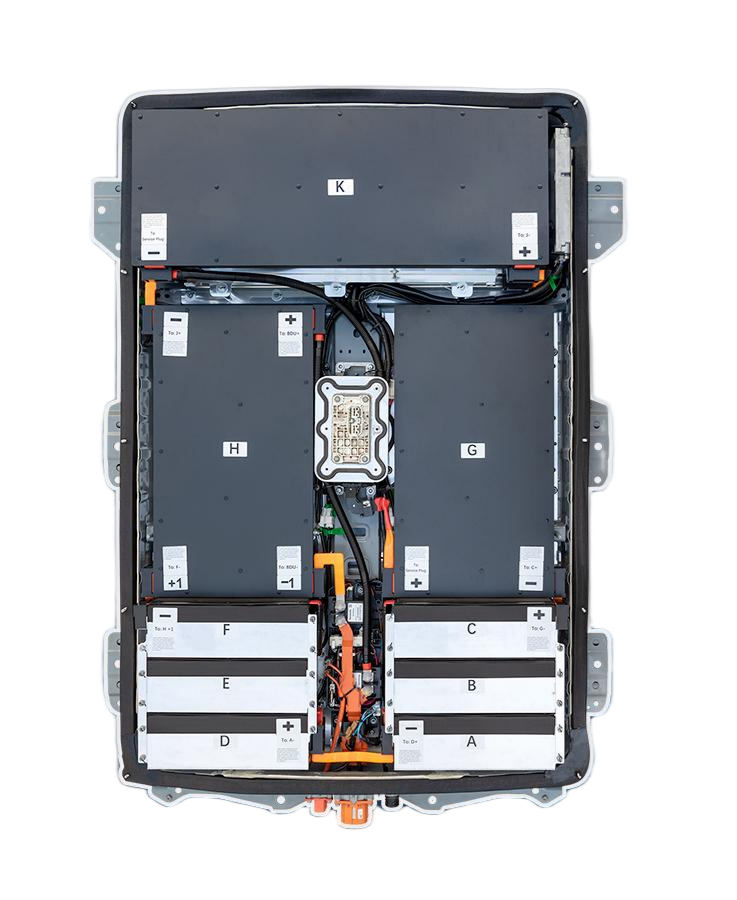
- Full Cell Voltage Mapping via CAN bus
- Impedance Testing to find aging cells
- Controlled Active Balancing (using external load banks)
- BMS Log Analysis for historical trends
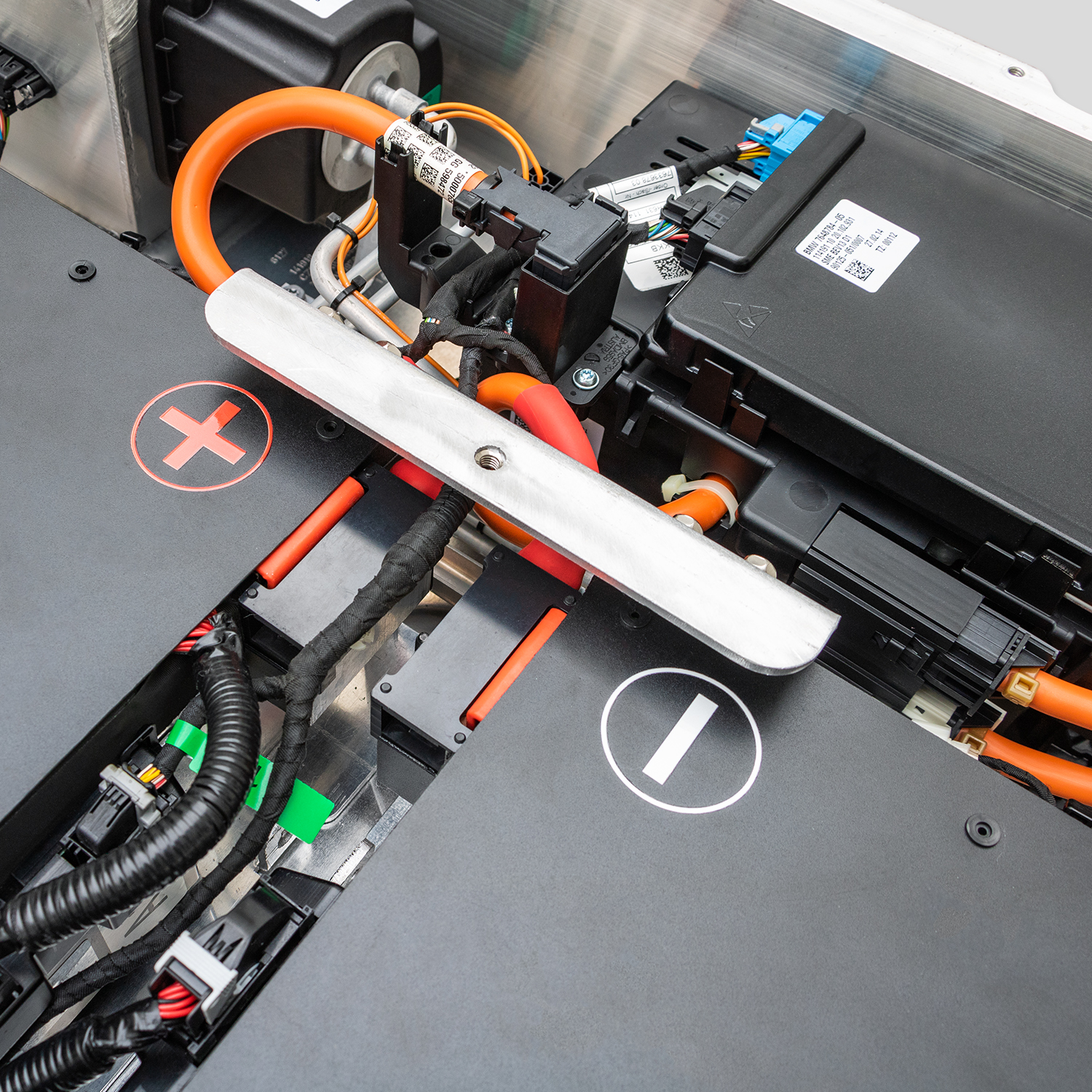
If imbalance is due to one or two bad modules, pros replace them—restoring balance permanently.
“After my DIY ‘balance’ failed, CNS replaced two modules in my 2016 i3. Now all 12 bars stay lit, and range is back to 88 miles. Cost: $1,400 vs. $11k for a full pack.”
— Javier R., Montreal
💡 Pro Tip: Prevent Imbalance Before It Starts
- Avoid daily 100% charges—use 80% for routine driving
- Perform full cycles only every 3 months
- Keep the pack between 20–80% during storage
- Use Eco Pro+ in cold weather (reduces regen stress)
Newer CNS replacement packs include enhanced balancing algorithms and lower-resistance cells—making them far more resilient to imbalance over time.
Frequently Asked Questions: BMW i3 Battery Balancing
Q: Can I balance my i3 using the BMW app?
A: No—the app can precondition but not force balancing. Only a full charge cycle triggers it.
Q: How long does professional balancing take?
A: Diagnostics: 1 hour. If modules are replaced: 2–4 hours total.
Q: Does balancing restore lost range?
A: Only if loss was due to temporary imbalance. Permanent degradation requires hardware repair.
Q: Is balancing covered under warranty?
A: CNS’s 24-month warranty covers imbalance caused by manufacturing defects—not normal aging.
Q: Can I use a third-party balancer device?
A: Not recommended. i3’s BMS is closed-loop; external devices can’t interface safely.
Balancing Isn’t Magic—It’s Physics
And sometimes, the only true “balance” comes from replacing what’s worn out.
Unsure Whether Your i3 Needs a Simple Charge Cycle or a Module-Level Repair? Send Us Your Battery Bar Behavior, Recent Range Data, and (if possible) an OBD2 screenshot—We’ll Tell You Within Hours Whether DIY Is Safe… Or If a Targeted Professional Fix Could Save Your Pack From Total Replacement.
Because guessing with high-voltage systems isn’t worth the risk.
Get Your Free Imbalance Assessment from CNS Engineers:
👉 https://cnsbattery.com/ev-battery-home/ev-battery-contact/