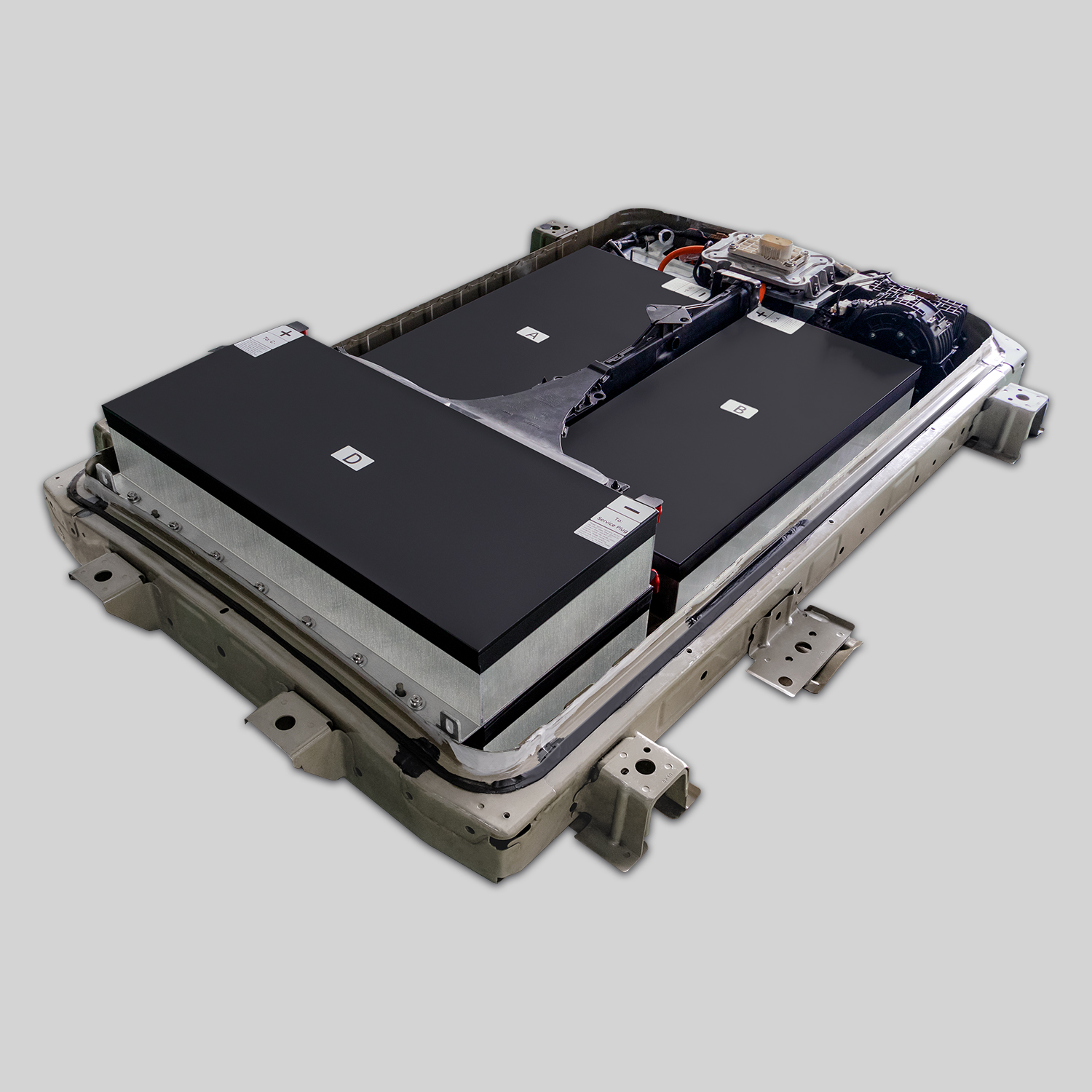
Top DIY Tools for New Nissan Leaf 24kWh Swap
For Nissan Leaf owners facing the dreaded “range anxiety” or a degraded battery, a DIY swap can feel like a daunting task. However, with the right preparation and tools, replacing your battery pack is a highly achievable project that can breathe new life into your vehicle. Whether you are upgrading to a higher capacity or simply replacing a worn-out unit, having the correct equipment is half the battle.
This guide will walk you through the essential toolkit required for a successful Nissan Leaf battery replacement, ensuring you have everything you need before you start. We will also explore how modern solutions, like those from CNS BATTERY, are designed to simplify this process for both professionals and enthusiasts.
Essential Safety Gear
Before touching any tools, your primary focus must be on safety. Lithium-ion batteries store a massive amount of energy, and working with high-voltage systems requires strict precautions.
- Insulated Rubber Gloves: Always wear high-voltage insulated gloves rated for the specific voltage of your Leaf model. This is non-negotiable when handling battery connectors or the high-voltage distribution box.
- Safety Glasses: Protect your eyes from debris, dust, or any accidental sparks.
- Non-Conductive Tools: Ensure all your wrenches and screwdrivers have insulated handles to prevent accidental short circuits.
Expert Tip: Never work alone. Always have a spotter nearby in case of an emergency, and ensure your workspace is dry and well-ventilated.
The Core Toolkit: Hand Tools
The physical removal of the battery pack is a mechanical job. The Nissan Leaf battery is bolted into the chassis, so you will need a comprehensive set of hand tools to free it.
1. Socket Wrench Set (1/2″ Drive)
You will be removing dozens of heavy-duty bolts. A robust breaker bar and a long ratchet are essential.
- Socket Sizes: You will primarily need metric sockets (13mm, 17mm, and 19mm) for underbody bolts and suspension components.
- Deep Sockets: These are necessary for reaching bolts in tight spaces, especially around the subframe.
2. Torque Wrench
Accuracy is critical when reinstalling the new battery. Over-tightening bolts can strip threads or crack the battery casing, while under-tightening can lead to rattles or loose connections. A torque wrench ensures you adhere to the manufacturer’s specifications.
3. Hydraulic Floor Jack and Jack Stands
- Capacity: You need a jack rated for at least 3 tons (6000 lbs) to lift the vehicle safely.
- Jack Stands: Never rely solely on a jack. You must use heavy-duty jack stands to support the vehicle’s weight while you work underneath it.
- Transmission Jack or Engine Crane (Optional but Recommended): While the battery is designed to be removed from the bottom, having a transmission jack or a specialized engine crane can make maneuvering the heavy pack much easier and safer.
4. Pry Bars and Panel Removal Tools
Plastic underbody panels and clips can be brittle. Plastic pry bars help remove these without snapping them, allowing for a clean reinstallation.
Electrical and Diagnostic Tools
Once the mechanical work is done, connecting the new battery requires precision electronics handling.
1. Digital Multimeter
Before and after installation, you must verify voltages. Use a multimeter to check the pre-charge voltage of the new pack and ensure there are no short circuits in the vehicle’s harness before connecting the main cables.
2. OBD2 Scanner
An advanced OBD2 scanner is crucial for the post-installation phase. After installing a new battery, the Battery Management System (BMS) often needs to be reset or reprogrammed to recognize the new cells. A compatible scanner allows you to clear any old error codes related to the previous battery and verify the health of the new system.
3. Contact Cleaner
High-voltage connectors can accumulate dust. Using electrical contact cleaner on the main terminals ensures a perfect, low-resistance connection, preventing overheating.
Why Modern Upgrades Simplify the Process
While the tools listed above are standard, the actual complexity of the job has decreased significantly with advancements in aftermarket battery technology. At CNS BATTERY, we specialize in OEM-compatible solutions designed specifically for Nissan and BMW models.
Unlike older, complex repairs that required cutting and welding wires, our packs are engineered for Plug-and-Play functionality. This means that for models like the Nissan Leaf ZE0, AZE0, and ZE1, the wiring harnesses and connectors are designed to match the original factory specifications perfectly.
Key Advantages of Using a CNS BATTERY Pack:
- No Rewiring Needed: Our packs utilize the original connectors, eliminating the need for splicing or custom fabrication.
- Pre-Programmed BMS: Many of our units come with the BMS pre-configured, drastically reducing the setup time required with your diagnostic tools.
- OEM Fitment: We adhere to strict OEM standards for dimensions and interface matching, ensuring the pack slides into the chassis without modifications.
Preparation Checklist
Before you slide under your Leaf, double-check that you have everything ready. A missing tool can turn a weekend project into a week-long delay.
| Category | Essential Items |
|---|---|
| Lifting | 3-Ton Floor Jack, 4x Heavy-Duty Jack Stands, Wheel Chocks |
| Mechanical | 1/2″ Drive Socket Set, Torque Wrench, Breaker Bar, Pry Bars |
| Electrical | Insulated Gloves, Multimeter, OBD2 Scanner, Contact Cleaner |
| Consumables | Anti-seize Compound (for new bolts), Replacement Fasteners |
Final Thoughts
Swapping a Nissan Leaf battery is a rewarding project that puts you back in control of your vehicle’s performance. By gathering the right tools—focusing on safety, mechanical leverage, and electrical diagnostics—you can complete this swap with confidence.
If you are considering an upgrade to a higher capacity (such as moving from a 24kWh to a 40kWh or 62kWh pack), or if you need a reliable replacement, CNS BATTERY offers cutting-edge solutions. We utilize brand-new CATL cells to ensure maximum range and lifespan, all while maintaining the OEM fitment that makes the installation process seamless.
Don’t let an old battery limit your range. With the right tools and a high-quality replacement pack, you can double your driving distance and enjoy the reliability of a brand-new powertrain.
Ready to start your project? Get a free quote for your custom Nissan Leaf battery solution today.
Get Your Free Custom Quote Now
Frequently Asked Questions (FAQ)
1. Can I really do a Nissan Leaf battery swap myself?
Yes, absolutely. With the right tools and safety precautions, a Nissan Leaf battery swap is a feasible DIY project. Most owners with basic mechanical skills and the help of a friend can complete the job in a few hours. Modern aftermarket packs, like those from CNS BATTERY, are designed for plug-and-play installation, meaning you do not need to cut wires or modify the chassis.
2. How much does a new Nissan Leaf battery cost?
The cost varies depending on the capacity (kWh) and whether you choose OEM or aftermarket solutions. Original Manufacturer batteries can be very expensive, often costing thousands of dollars. Aftermarket solutions, such as those offered by CNS BATTERY, provide a cost-effective alternative, typically saving you over 50% compared to OEM prices while using high-quality, brand-new cells.
3. What is the best tool for removing the battery bolts?
A 1/2-inch drive breaker bar or a high-torque impact wrench is the best tool for removing the heavy-duty bolts securing the battery pack and subframe. These bolts can be very tight, so you need significant leverage. Always use a torque wrench to reinstall them to the correct specification to avoid damaging the threads or battery casing.
4. Do I need special equipment to program the new battery?
While basic installation only requires hand tools, you will need an OBD2 scanner to reset the Battery Management System (BMS) and clear any error codes after installation. Some advanced scanners allow for BMS programming to recognize the new battery’s capacity. If you do not have one, a local mechanic can usually perform this step quickly.
5. What capacity should I upgrade to?
Most early Nissan Leaf models (2011-2012) came with a 24kWh pack, which offers limited range. Most owners upgrade to a 40kWh or 62kWh module. A 40kWh pack will roughly double your range, while a 62kWh pack can offer over 200 miles of range on a full charge, making your Leaf viable for long commutes again.