🚀 Best New Battery Upgrades for Nissan Leaf ZE0 (2011-2017)
Is your 2011-2017 Nissan Leaf struggling to make it through the day? You’re not alone. The ZE0 generation, while a pioneer in the EV world, suffers from significant battery degradation due to its older Lizard-Silica chemistry. It’s heartbreaking when your trusty commuter suddenly can’t handle a highway trip without panic charging.
But there’s great news: You don’t need to buy a new car. As a battery specialist, I’ve seen the ZE0 generation get a second life with modern lithium-ion technology. Upgrading your battery pack is the most cost-effective way to restore your Leaf’s original range or even exceed it. In this guide, we’ll explore the best new battery upgrades for the Nissan Leaf ZE0, focusing on performance, safety, and value.
⚡ Why Upgrade Your ZE0 Battery?
The Nissan Leaf ZE0 (2011-2017) originally came with 24kWh or 30kWh options. After a decade of use, these packs often retain only 50-60% of their capacity. The primary culprit is the thermal management system (or lack thereof), which causes the cells to degrade faster in hot climates.
Upgrading solves three major problems:
- Restored Range: Go from 80km (50 miles) back to 240km+ (150 miles).
- Modern Chemistry: Replace old, fragile Lizard-Silica cells with robust NMC (Nickel Manganese Cobalt) or LFP (Lithium Iron Phosphate).
- Safety: Eliminate the risk of swollen, leaking, or short-circuiting modules found in aging packs.
🏆 Top Battery Upgrade Options for the Leaf ZE0
When looking for a “new” battery, you generally have two upgrade paths: Direct Replacement Packs (Plug-and-Play) or High-Capacity Modules (for those looking to swap the internals). Based on current market standards and reliability, here are the best options available today.
1. The Plug-and-Play Solution: 40kWh & 62kWh New Packs
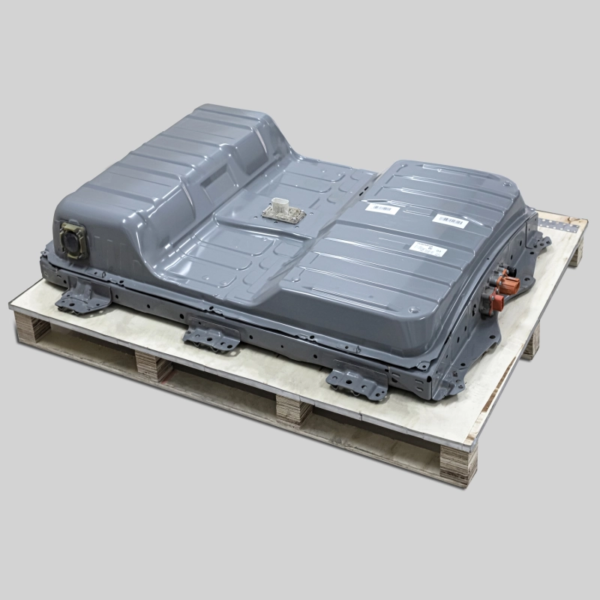
If you want simplicity, a complete new battery pack is the answer. These are designed to bolt directly into your ZE0 chassis without any modifications to the battery tray or cooling lines.
- The 40kWh Standard: This is the sweet spot for most ZE0 owners. It utilizes the same physical dimensions as the original pack but packs modern cells. You can expect a real-world range of 170-190 km.
- The 62kWh Powerhouse: For those who want to keep up with modern traffic, upgrading to a 62kWh pack (similar to the newer Leaf models) is possible. This requires minor modifications to the cooling hoses but delivers a staggering 280-300 km of range.
Key Feature: These packs use Brand New CATL Cells. Unlike refurbished junk, new cells from top-tier manufacturers like CATL guarantee cycle life, thermal stability, and zero “memory effect.”
2. The DIY/Enthusiast Route: Module Swaps (40kWh / 62kWh)
If you are mechanically inclined or have access to a workshop, purchasing individual modules allows you to rebuild your existing pack.
- ZE0 40kWh Modules: These modules are a direct physical fit for the ZE0 chassis. By replacing your old, degraded modules with new 40kWh modules, you effectively turn your 2011-2015 Leaf into a 2016-2017 spec car.
- Performance: This upgrade typically boosts your capacity from 24kWh to 36-40kWh, effectively doubling your range.
📊 Comparison: Old vs. New Battery Performance
To understand the impact of this upgrade, let’s compare the original ZE0 specs with a modern replacement.
| Feature | Original ZE0 (24kWh) | Upgraded ZE0 (40kWh New Pack) |
|---|---|---|
| Cell Chemistry | Lizard-Silica (Aged) | NMC / LFP (Brand New) |
| Usable Capacity | ~12-14 kWh (Degraded) | ~36-38 kWh (Fresh) |
| Real-World Range | 80 km (50 miles) | 190 km (120 miles) |
| Thermal Management | Basic Air Cooling | Enhanced Cooling System |
| Warranty | N/A (Expired) | 2 Years / 80,000 km |
🔍 What to Look for in a Quality Battery Upgrade
Not all “new” batteries are created equal. When shopping for a Nissan Leaf ZE0 upgrade, be wary of the market. Here is what separates a premium upgrade from a potential fire hazard:
- Cell Source is King: Always ask for the manufacturer. CATL (Contemporary Amperex Technology) cells are the industry standard for reliability. Avoid packs that don’t disclose their cell source.
- BMS (Battery Management System): A sophisticated BMS is non-negotiable. It must monitor every cell group to prevent overcharging and overheating. The best upgrades feature BMS systems that are pre-programmed for the Leaf’s specific communication protocol.
- Warranty Coverage: Because the ZE0 is an older chassis, the battery is your biggest investment. Look for suppliers offering a minimum 2-year warranty. Anything less indicates low confidence in the product’s longevity.
🛠️ Installation & Compatibility
One of the biggest concerns ZE0 owners have is fitment. The good news is that modern 40kWh packs are engineered to be OEM-compatible.
- Mounting Points: They match the factory locations perfectly.
- Connectors: The HV (High Voltage) and LV (Low Voltage) connectors are identical to Nissan’s specifications.
- Cooling System: While the 40kWh is a direct swap, the 62kWh upgrade usually requires extending the coolant hoses by about 15-20cm to reach the new module layout.
Pro Tip: While the installation is “Plug-and-Play” in theory, high-voltage work is dangerous. Always have a certified EV technician handle the disconnection of the old battery and the integration of the new BMS.
💡 Frequently Asked Questions (FAQ)
Q1: Will a new battery upgrade void any remaining factory warranty on my Leaf?
- A: Generally, no. Since the ZE0 models are over 7 years old, the original factory powertrain warranty has almost certainly expired. Installing a new, high-quality aftermarket battery does not affect the mechanical components of the car (suspension, brakes, etc.). However, it’s always wise to check local regulations regarding modified vehicles.
Q2: How long does the installation take?
- A: For a professional workshop, the swap typically takes 1 to 2 hours. This includes disconnecting the 12V battery, lifting the car, draining the old coolant, removing the old pack, installing the new pack, reconnecting the coolant, and running a diagnostic reset. Most modern packs come with pre-loaded software, but some workshops may need to flash the BMS via OBD2.
Q3: Are these batteries safe for fast charging (DC Charging)?
- A: Yes, but with a caveat. The battery packs themselves (especially those using CATL cells) are rated for fast charging. However, the ZE0 chassis has limitations. The original thermal management system was designed for slower charging. While you can technically DC charge a new pack in a ZE0, it is recommended to limit DC fast charging to emergencies and rely primarily on Level 2 AC charging (7kW) to maximize the lifespan of your new investment.
Q4: What is the price difference between a refurbished battery and a new upgrade?
- A: A refurbished battery might cost 30-40% less upfront, but it’s a gamble. Refurbished packs often use salvaged cells with unknown health. A new upgrade costs more initially (roughly 50% of a brand-new Nissan replacement cost) but offers a 2-year warranty and the peace of mind of brand-new chemistry. Over 2 years, the new battery is almost always cheaper due to zero repair costs.
Ready to Revive Your Leaf?
Don’t let battery anxiety keep you off the road. Upgrading your Nissan Leaf ZE0 with a modern 40kWh or 62kWh pack is the smartest financial decision you can make for your EV.
Stop searching and get a solution today. We specialize in OEM-compatible, brand-new battery solutions for the Nissan Leaf ZE0, built with premium CATL cells and backed by a 2-year warranty.
👉 Get Your Free Custom Quote Now