
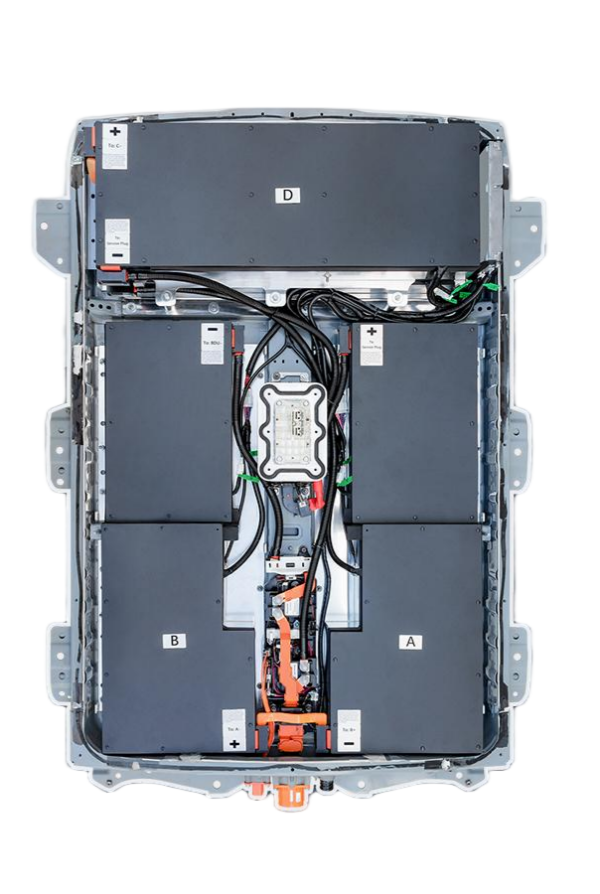
Affordable New Battery Alternatives for Leaf Plus
The Nissan Leaf Plus (specifically the ZE1 model) is a game-changer in the electric vehicle market, offering a substantial 226-mile EPA-rated range. However, like all lithium-ion batteries, its capacity inevitably degrades over time. When the time comes for a replacement, owners are often shocked by the sticker shock of OEM (Original Equipment Manufacturer) batteries. Fortunately, there are high-quality, affordable alternatives available that don’t compromise on safety or performance.
As an expert in EV battery solutions, I understand the frustration of facing a $10,000+ repair bill. This guide will walk you through the best options to get your Leaf Plus back on the road without breaking the bank.
Why Replace Your Leaf Plus (ZE1) Battery?
The Nissan Leaf Plus, introduced with the 62kWh battery pack, was designed to compete with longer-range EVs. While robust, these batteries are not immune to the laws of physics. After 5-8 years of use, or approximately 100,000 miles, many owners report a significant drop in capacity—sometimes falling below 70% State of Health (SOH). This translates to a real-world range of less than 160 miles, which can be anxiety-inducing for daily commutes.
The OEM Replacement Dilemma:
Dealerships often quote prices exceeding $16,000 for a factory replacement. This exorbitant cost is the primary driver pushing owners to seek aftermarket solutions.
Understanding Your Replacement Options
Not all replacement batteries are created equal. Before you buy, it is crucial to understand the three main tiers of the market. Based on our extensive experience and data from thousands of installations, here is a comparison of what you will encounter.
| Feature | Refurbished/OEM Recycled | Premium Aftermarket (e.g., CNS) | Original OEM (Dealership) |
|---|---|---|---|
| Core Components | Used cells, often degraded | Brand New Cells (e.g., CATL) | Factory Original |
| Typical Price | $$ (High Risk) | $ (50%+ Savings) | $$$$$ (Extremely Expensive) |
| Warranty | 6 Months – 1 Year | 2 Years / 80,000 km | 8 Years / 100,000 miles (Often Pro-rated) |
| Performance | Matches degraded output | Full Rated Capacity | Full Rated Capacity |
| Risk Level | High (Swelling, Failure) | Low (Engineered to Standard) | Low (But Cost Prohibitive) |
The Verdict: A premium aftermarket solution using brand-new, high-grade cells offers the best balance of safety, longevity, and affordability.
The Premium Aftermarket Solution: New Cells, New Life
The most compelling affordable alternative is a brand-new aftermarket battery pack built to OEM specifications but utilizing fresh, top-tier cells from manufacturers like CATL (Contemporary Amperex Technology Co. Limited).
Why CATL Cells Matter:
CATL is the world’s largest lithium-ion battery manufacturer. By utilizing brand-new CATL prismatic cells, manufacturers like CNS BATTERY can replicate, and often exceed, the performance of the original Nissan pack. These cells offer superior thermal management and energy density compared to older recycled modules.
Key Advantages:
- Cost Efficiency: You can save over 50% compared to the dealership. Instead of $16,000, a high-quality new pack can be acquired for approximately $7,800 – $8,500, depending on the vendor and specific configuration.
- Zero Cycle Count: Unlike refurbished packs that inherit the mileage of a wrecked car, a new aftermarket pack starts at 0 cycles, offering a lifespan of 8-10 years.
- Plug-and-Play Compatibility: These packs are engineered to fit the Leaf chassis perfectly, utilizing the original connectors and cooling systems. There is no need for chassis modifications or custom brackets.
How to Choose a Reliable Aftermarket Battery
When searching for an “affordable new battery alternative,” it is easy to fall into the trap of low-quality vendors. To ensure you are buying a safe product, look for these specific features:
- Brand New Cells: Verify that the vendor explicitly states they are using brand new cells from reputable manufacturers (e.g., CATL, LG, or Panasonic). Avoid vendors that are vague about their cell sourcing.
- Comprehensive Warranty: A trustworthy vendor will back their product with a substantial warranty. A minimum of 2 years or 80,000 km is the industry standard for quality aftermarket packs. This warranty should cover defects and capacity retention (e.g., guaranteeing 70% capacity after 2 years).
- BMS (Battery Management System) Quality: The BMS is the brain of the battery. Ensure the vendor uses a robust BMS that is compatible with Nissan’s communication protocols to avoid “Check Battery” warnings.
- Certifications: Look for ISO 9001 manufacturing standards and UN38.3 testing certificates for the cells, ensuring they meet international safety standards for transport and use.
Installation and Support
One of the biggest concerns owners have is the installation process. Replacing an EV battery is not a simple tire change; it requires high-voltage safety protocols.
- Professional Installation Recommended: While the pack is “plug-and-play,” we strongly recommend having a certified mechanic or EV specialist perform the installation. This ensures safety and protects your warranty.
- Technical Support: A good vendor provides more than just a box. Look for companies that offer video call support or detailed step-by-step guides. For instance, many owners have successfully installed these packs with the help of remote video guidance from the manufacturer’s technical team, ensuring the BMS programming is done correctly on the first try.
Frequently Asked Questions (FAQ)
1. Is an aftermarket battery safe for my Nissan Leaf Plus?
Yes, if sourced correctly. A premium aftermarket battery built with brand-new, high-quality cells (such as CATL) and a robust BMS is perfectly safe. In fact, because the cells are new, they often have better thermal stability than an 8-year-old OEM pack. Always check for safety certifications before purchasing.
2. Will an aftermarket battery void my car’s remaining warranty?
Generally, no. The Magnuson-Moss Warranty Act in the US protects consumers from having their entire vehicle warranty voided simply because an aftermarket part was installed. However, the specific component (the battery) and any damage caused by its installation will not be covered by the original Nissan warranty. It is always recommended to check your local regulations.
3. How much range can I expect after installing a new aftermarket pack?
You should expect the full rated range of the battery. For a 62kWh Leaf Plus (ZE1) pack, this translates to approximately 226 miles (EPA) or 364 km in real-world driving conditions (depending on weather and driving style). This is a significant upgrade from a degraded OEM pack that might only offer 150-180 miles.
4. What is the lifespan of a new aftermarket battery?
With proper care and modern Lithium Iron Phosphate (LFP) or NMC chemistry, you can expect a lifespan of 8 to 10 years or 150,000 to 200,000 miles before the capacity drops below 70%. This is comparable to, and often exceeds, the lifespan of the original factory battery.
Get Your Custom Quote Today
Don’t let the fear of high costs keep your Leaf Plus sitting in the driveway. With modern manufacturing and direct-to-consumer models, you can now upgrade to a brand-new 62kWh battery pack for less than half the price of a dealership replacement.
If you are ready to restore your vehicle’s original range and reliability, we invite you to get a personalized quote. Our team of experts is ready to verify compatibility with your specific VIN and provide a transparent price breakdown.

