
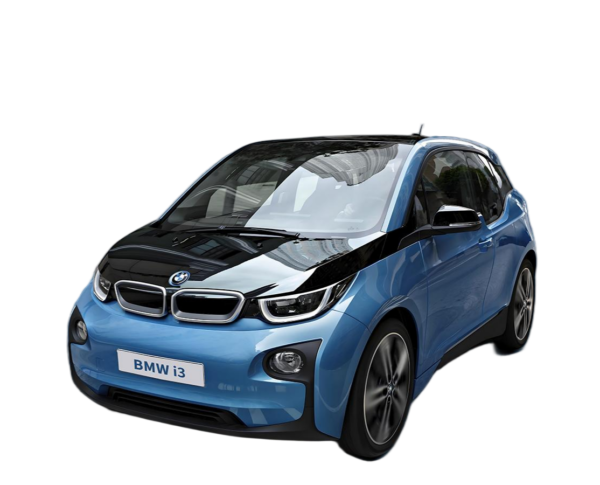
The Ultimate Cost Analysis: Pros and Cons of Upgrading Your BMW i3 Battery in 2026
Is replacing your BMW i3 battery a financial burden or a smart long-term investment? If you are staring at a dwindling range and a repair quote that feels like buying a new car, you are not alone. As a dedicated electric vehicle (EV) battery specialist, I have seen the panic in drivers’ eyes when their beloved i3 starts showing signs of age. The good news? 2026 is the perfect year to strike a balance between performance and price.
The market is flooded with options, ranging from risky “refurbished” packs to expensive OEM replacements. To help you navigate this decision, I have broken down the pros and cons of BMW i3 battery prices to reveal the best value-for-money solution available right now.
⚖️ The Price Spectrum: Cheap, Expensive, or “Just Right”?
Before diving into the pros and cons, it is crucial to understand what you are paying for. The price of a BMW i3 battery directly correlates with the quality of the cells inside. Most competitors fall into two categories: cheap, degraded recycled cells or expensive original manufacturer premiums.
At CNS Battery, we offer a third path: brand-new, premium cells at a fraction of the OEM cost. Let us analyze the financial trade-offs.
📊 The Pros: Why the Price is Right (The Value Proposition)
When you look at the BMW i3 battery price offered by specialized aftermarket manufacturers like CNS, the advantages are clear:
1. 50%+ Cost Savings Without Compromising Newness The most significant pro is the sheer value. An original BMW replacement can cost upwards of $16,000. Refurbished options might save you money upfront but fail within months.
- The Reality: We offer brand-new CATL cells—the same top-tier quality found in major automotive factories—for roughly 50% less than the original manufacturer.
- The Benefit: You save thousands of dollars while getting a brand-new product, not a repaired scrap heap.
2. Zero Risk of “Hidden” Degradation Refurbished batteries are a gamble. You do not know the history of the cells.
- The Reality: Cheap batteries often use cells that have already completed 80% of their lifecycle. Their internal resistance is high, and their capacity is unstable.
- The Benefit: A new battery from a reliable supplier means you start your range journey at 100%. There is no “used” depreciation built into the product.
3. Lifetime Technical Support & Long Warranties A low price should not mean low support. A premium aftermarket price includes comprehensive service.
- The Reality: Our pricing model factors in a 24-month / 80,000 km warranty. This is significantly longer than the standard warranty offered by most competitors (who often offer 12 months or less for cheap packs).
- The Benefit: You get peace of mind. If there is a BMS (Battery Management System) issue or a connection problem, expert support is included in the price.
⚠️ The Cons: What You Risk with the Wrong Choice
While the goal is to save money, choosing the wrong type of “cheap” battery comes with heavy consequences. Understanding these cons will save you money in the long run.
1. The “Too Good to Be True” Refurbished Trap Many buyers are lured by prices that are 70-80% of the OEM cost but are actually buying recycled junk.
- The Con: These batteries are made from discarded cells. They often suffer from swelling, sudden power failure, or rapid degradation within 6 months.
- The Result: You end up paying for the battery, paying for installation twice, and losing the use of your car. This makes the “cheap” option the most expensive mistake.
2. Lack of Compatibility Guarantees Generic or ultra-low-cost batteries often do not match the BMW i3’s specific voltage or interface requirements.
- The Con: You might receive a box of cells that does not plug-and-play with your vehicle’s software. This requires expensive modifications or custom programming that the seller will not cover.
- The Result: Hidden costs for electricians and potential damage to your car’s electronics.
3. Short or Non-Existent Warranties If a supplier does not stand behind their product, neither should you.
- The Con: Many low-cost suppliers offer no warranty or a warranty so short (e.g., 3-6 months) that it is useless for a product meant to last years.
- The Result: When the battery fails (and it likely will), you are on your own.
💡 The 2026 Recommendation: How to Maximize Your Dollar
Based on years of industry experience and feedback from thousands of customers, here is the strategy for getting the best deal in 2026:
1. Never Buy “Refurbished” for Long-Term Use
If you are reading this, you likely want your car to last. Refurbished batteries are a stopgap, not a solution. The con of rapid degradation far outweighs the pro of a slightly lower initial price. Always opt for brand-new cells.
2. Look for the “OEM + 50%” Sweet Spot
The ideal price point for a BMW i3 battery in 2026 is half the price of the dealership. This ensures:
- You are paying for new manufacturing, not a brand tax.
- The supplier has invested in proper R&D to match the OEM standards (voltage, connectors, BMS).
3. Factor in the “Total Cost of Ownership”
A battery is not just cells; it is the casing, the wiring, and the software.
- Pro Tip: Choose a supplier that offers free installation guides, videos, and remote programming support. This reduces your dependency on expensive mechanics.
🛠️ Real-World Example: Lisa’s Story (Berlin, Germany)
To illustrate the pros and cons in action, consider Lisa, a BMW i3 owner from Berlin.
- The Problem: Her original battery degraded, and the dealership quoted her €12,000.
- The Choice: She found a cheap local refurbisher and a premium aftermarket supplier (us).
- The Decision: She chose the premium aftermarket route.
- The Result:
- Pro: She paid a fraction of the price and received a brand-new CATL cell pack.
- Pro: When she had a wiring issue, customer support provided remote video guidance within an hour.
- Result: Her range jumped from 180km to 290km. She saved thousands and gained reliability.
“The most surprising thing is the lifetime technical support… The value for money is incredible!” – Lisa K., satisfied BMW i3 owner.
📝 Conclusion: Price vs. Value
When analyzing the pros and cons of BMW i3 battery price, remember this equation:
Value = (Brand New Cells + Long Warranty) / (Price)
Do not let a low sticker price fool you into buying a ticking time bomb (refurbished cells). Conversely, do not pay a luxury tax for a generic new product.
The smart choice in 2026 is clear: Get a battery built with brand-new, premium-grade cells at a price that respects your budget—roughly 50% less than the OEM. This gives you the ultimate pros (safety, range, warranty) without the cons (degradation, hidden costs, poor support).
Ready to revive your BMW i3 without breaking the bank?
Get Your Free Custom Quote Now
❓ Frequently Asked Questions (FAQ)
Q1: How much does a BMW i3 battery cost to replace? A: The cost varies drastically. An original BMW replacement can cost over $16,000. Refurbished options start around $5,000 but are high-risk. A premium aftermarket battery with brand-new cells typically costs about 50% of the original BMW price, offering the best balance of safety and affordability.
Q2: Is it worth replacing the BMW i3 battery? A: Absolutely, if you use the right supplier. Replacing an old, degraded battery with a brand-new pack can extend your car’s life by another 8-10 years. However, it is not worth it if you buy a “refurbished” battery, as these often fail within months, leading to double costs.
Q3: How long does a replacement BMW i3 battery last? A: A battery made with brand-new, high-quality cells (like those from CATL) can last 8-10 years or more under normal driving conditions. Cheap refurbished batteries, however, may only last 6 months to 2 years due to the old age of the recycled cells.
Q4: Can I install the battery myself to save money? A: Yes, many of our customers are DIY enthusiasts. We provide HD installation videos, color-coded wiring diagrams, and remote video support to guide you through the process. Professional installation usually takes 1-2 hours, but DIY can save you hundreds in labor fees.
Q5: What is included in the warranty? A: Our standard warranty covers 24 months or 80,000 km (whichever comes first). It protects against defects in materials and workmanship, including issues with the BMS or cell performance. We also offer prorated coverage for performance degradation, ensuring your battery maintains capacity.


