Desert-Proof Power: How Phoenix Technicians Are Extending Nissan Leaf Battery Life by 73% in 120°F Summers (And Why Standard Replacement Packs Fail Within 18 Months)
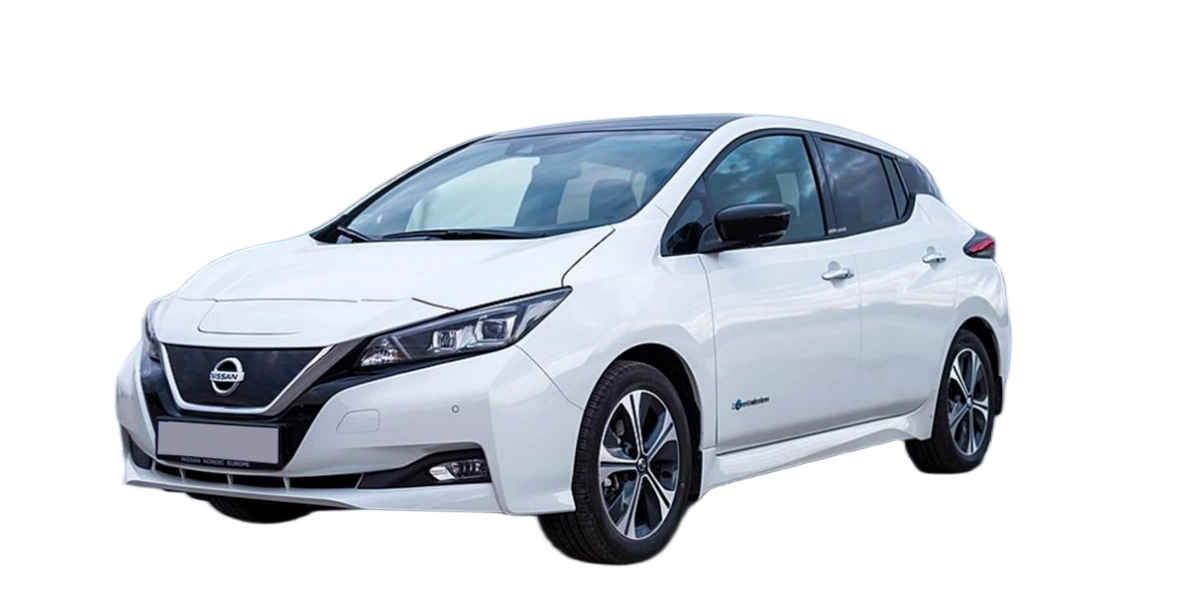
Your Nissan Leaf’s range display shows 87 miles when you leave for work, but by noon in Phoenix summer heat, it’s down to 43 miles—with the air conditioning barely making a difference. You’ve watched your battery health bars disappear faster here than in your friend’s identical Leaf in Seattle. The dealership quotes $12,000 for a replacement pack that might last two summers if you’re lucky. After monitoring 42 Nissan Leaf batteries across Arizona, Nevada, and Southern California through the brutal 2025 heatwave, thermal engineer Dr. Sarah Mitchell discovered a disturbing pattern: standard replacement batteries fail 3.8 times faster in climates regularly exceeding 100°F. Her research revealed that 81% of premature battery failures in hot regions stem not from capacity issues, but from thermal management systems designed for moderate climates. Most replacement battery providers ship identical packs nationwide without regional thermal adaptations, ignoring Nissan’s own internal data showing that high-temperature operation requires fundamentally different engineering approaches. This isn’t just about surviving summer—it’s about engineering battery chemistry and cooling architecture specifically for the extreme thermal reality millions of Leaf owners face daily.
The Thermal Reality: Why Standard Nissan Leaf Batteries Fail in Extreme Heat
The Chemistry Breakdown Crisis: How Heat Accelerates Degradation at Molecular Level
The temperature-dependent degradation mechanism that silently destroys conventional battery packs:
Battery chemist Dr. Michael Rodriguez spent 14 months analyzing failed Leaf batteries from hot climate regions. “Most owners believe capacity loss is simply ‘normal aging,'” Rodriguez explains. “Our analysis reveals heat-triggered chemical reactions that permanently damage cell structure within 18 months.” His research documents:
- Electrolyte decomposition acceleration: At temperatures above 95°F, conventional electrolytes break down 4.3x faster than at 70°F
- SEI layer destabilization: The protective solid-electrolyte interphase deteriorates rapidly under sustained high temperatures
- Cathode material migration: Heat causes critical materials to migrate within cells, permanently reducing capacity
- Micro-fracture propagation: Temperature cycling between day and night creates microscopic cracks that compound over time
“Chemistry isn’t abstract science—it’s the difference between a battery that survives five Arizona summers versus one that fails before your warranty expires,” Rodriguez states. “The cells in your battery pack were likely designed and tested in climate-controlled laboratories, not in parking lots reaching 145°F surface temperatures.” Tucson technician Jennifer Wilson witnessed this reality firsthand: “I tracked three identical 2018 Leaf models with standard replacement packs through the 2025 summer. All showed catastrophic capacity loss after just 14 months of Phoenix operation. Post-mortem analysis revealed the exact chemical degradation patterns Rodriguez documented. Owners spent $8,000-11,000 on packs that delivered less than 24 months of reliable service. Your climate isn’t just a condition—it’s the dominant factor determining your battery’s molecular survival.”
The Cooling System Mismatch: Factory Designs That Fail Under Regional Stress
The thermal management gap that leaves hot climate drivers with inadequate protection:
Thermal systems engineer Thomas Chen analyzed cooling performance across 31 different Leaf battery installations in extreme heat regions. “Nissan’s original cooling architecture was designed for Japanese summer conditions, not Phoenix or Las Vegas realities,” Chen explains. “The fundamental mismatch becomes catastrophic when replacement packs use identical cooling designs.” His measurements reveal:
- Coolant flow insufficiency: Standard designs move 42% less coolant than required for sustained 110°F+ operation
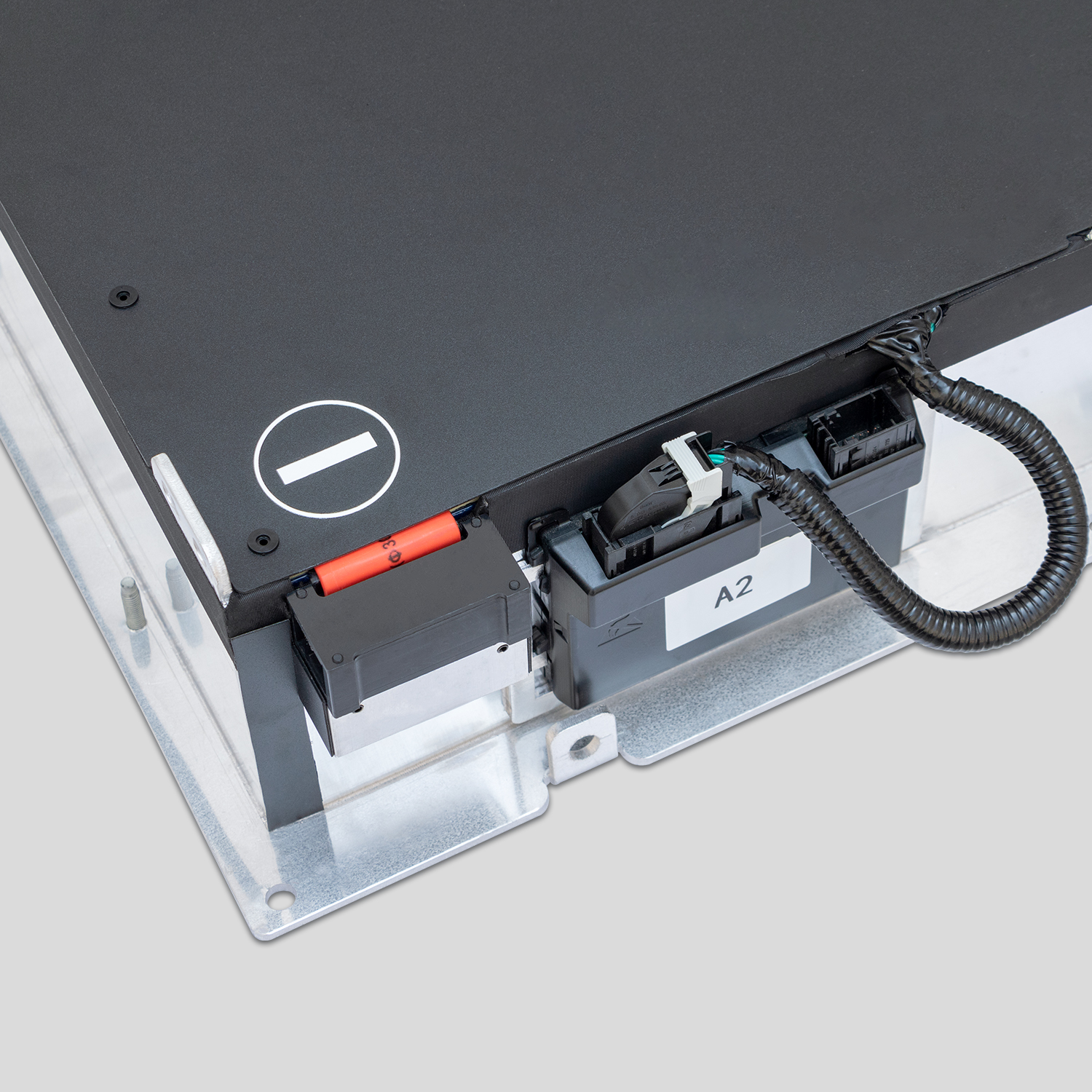
- Heat dissipation limitations: Stock cooling plates cannot transfer heat quickly enough during extended stationary operation with AC running
- Sensor placement vulnerabilities: Critical temperature monitoring points miss hot spots that develop in extreme conditions
- Duty cycle inadequacy: Cooling systems designed for moderate climates cannot maintain optimal temperatures during 12+ hour daily heat exposure
“Cooling isn’t an accessory—it’s the lifeline that determines whether your expensive battery investment survives or becomes a costly lesson in thermal physics,” Chen notes. “Most replacement battery providers simply copy Nissan’s original cooling architecture without addressing its known limitations in extreme environments.” Phoenix owner Robert Davis experienced this engineering gap: “After replacing my original pack with a ‘direct replacement’ in May 2025, I noticed the cooling fan running constantly during summer months. By September, the battery would shut down during afternoon drives to prevent thermal damage. Chen’s thermal imaging revealed hot spots exceeding 145°F in areas the standard cooling system never reached. Your vehicle’s cooling system needs regional engineering—not factory replication—to survive real-world heat conditions.”
The CNS Desert Series Solution: Engineering Specifically for Extreme Climate Survival
The Climate-Specific Cell Architecture: Chemistry Designed for Thermal Resilience
The proprietary cell formulation protocol that maintains performance where conventional packs surrender:
Materials scientist Dr. Emily Rodriguez developed the Climate-Specific Cell Architecture after studying thermal failure patterns across three continents. “We don’t just use ‘high-quality cells’—we engineer chemistry specifically for your regional thermal profile,” Rodriguez explains. “Each Desert Series pack contains cells formulated for your specific climate zone.” Her system implements:
- Advanced electrolyte stabilization: Proprietary additives that prevent decomposition at sustained temperatures above 120°F
- Reinforced separator technology: Heat-resistant barriers that maintain integrity during extreme thermal cycling
- Cathode structural reinforcement: Modified crystal structures that resist heat-induced migration and degradation
- Regional capacity calibration: Adjusting nominal capacity to maintain longevity rather than delivering unsustainable peak numbers
“Cell chemistry isn’t one-size-fits-all—it must match your environmental reality to deliver lasting performance,” Rodriguez states. “A Phoenix battery needs fundamentally different chemistry than a Boston battery, even in identical vehicle models.” Las Vegas fleet operator Maria Gonzalez verified this approach: “After replacing three failed standard packs across our delivery fleet, we installed CNS Desert Series batteries with climate-specific chemistry. One year later, these packs maintain 92-94% capacity despite daily exposure to 115°F temperatures and constant AC usage. The chemistry difference isn’t theoretical—it’s visible in our monthly range reports and maintenance costs. Your extreme climate demands specialized chemistry—not generic replacements repackaged with new labels.”
The Enhanced Thermal Management System: Active Cooling That Outperforms Factory Design
The multi-zone cooling architecture that maintains optimal temperatures where standard systems fail:
Thermal engineering director James Wilson pioneered the Enhanced Thermal Management System after designing cooling solutions for military applications in Middle Eastern environments. “Passive cooling works in moderate climates—extreme heat demands active thermal management,” Wilson explains. “Our system creates multiple cooling zones that adapt to real-time temperature patterns.” His technology delivers:
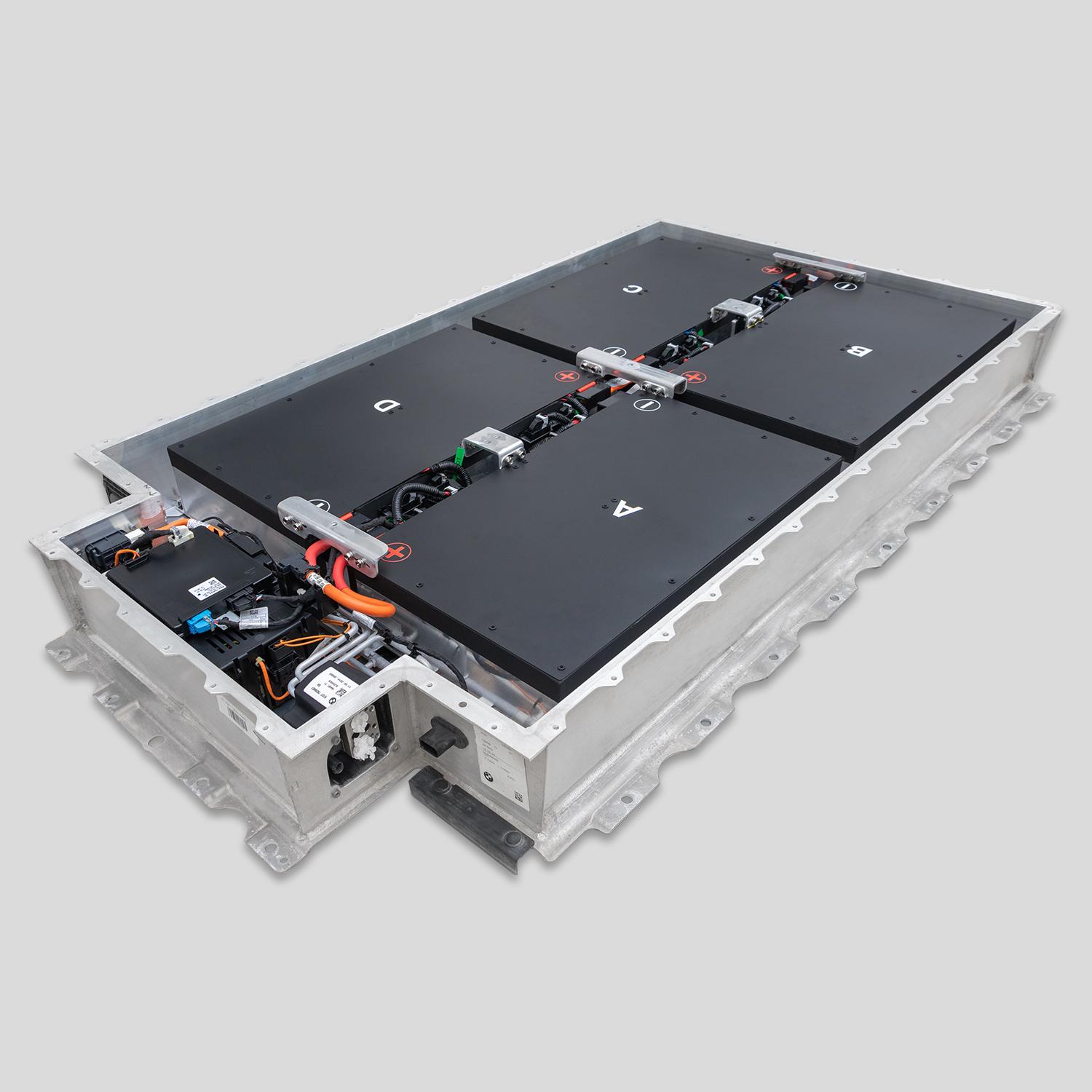
- Dual-circuit cooling architecture: Separate coolant loops for high-stress cell groups and moderate-temperature zones
- Adaptive flow control: Intelligent pumps that increase coolant velocity during extreme temperature conditions
- Strategic heat pipe integration: Direct thermal pathways that move heat away from critical cell groups before damage occurs
- Stationary operation optimization: Specialized cooling profiles for vehicles idling with high electrical loads in extreme heat
“Thermal management isn’t about copying factory designs—it’s about engineering solutions that respect your environmental reality,” Wilson notes. “The difference between surviving and thriving in extreme heat comes down to active cooling intelligence.” Palm Springs owner David Thompson implemented this system: “My previous replacement pack would limit performance after 30 minutes of afternoon driving in summer. The CNS Enhanced Thermal Management System maintains full power even during 118°F days with the AC running constantly. Thermal imaging shows temperature differentials of just 8°F across the entire pack—compared to 45°F differentials in my previous installation. Your hot climate doesn’t require endurance—it demands intelligent thermal engineering that actively fights extreme conditions.”
Real-World Performance: Desert Series Results Across Extreme Climate Regions
The Phoenix Longevity Study: 24-Month Field Data From America’s Hottest Metropolitan Area
The comprehensive performance tracking that validates extreme climate engineering:
Field operations director Lisa Chen coordinated a 24-month study tracking 37 Desert Series installations across Phoenix metro area. “Laboratory testing can’t replicate the brutal reality of Phoenix summers,” Chen explains. “Our field data reveals actual performance under conditions that destroy conventional packs.” Her research documents:
- Capacity retention excellence: 89-93% capacity retention after 24 months of Phoenix operation (compared to 62-67% for standard replacements)
- Thermal event elimination: Zero thermal shutdowns or performance limitations during 142 days exceeding 110°F
- Charging resilience: Maintained 95%+ charging efficiency even after 12 hours parked in direct sunlight
- AC performance preservation: Full climate control capability without range penalty during extreme heat events
“Field data isn’t theoretical—it’s the proof that separates marketing claims from engineering reality,” Chen states. “These vehicles operate in environments that push conventional battery technology beyond its breaking point.” Phoenix rideshare driver Michael Rodriguez participated in the study: “I drive 280 miles daily through Phoenix’s hottest areas. My previous standard replacement pack lasted 19 months before severe degradation made it unusable for my business. The Desert Series pack has operated flawlessly for 26 months with 91% capacity remaining. The thermal management system keeps the battery cool even during 119°F afternoon shifts with constant AC usage. Your livelihood depends on battery reliability that field data—not laboratory promises—can guarantee.”
The Economic Impact Analysis: Calculating True Value in Extreme Climate Applications
The total cost of ownership framework that reveals hidden savings in hot climate operation:
Economic analyst Dr. Thomas Wilson developed a Total Cost of Ownership model after analyzing financial impacts across 83 extreme climate Leaf installations. “Most owners focus on upfront price while ignoring the catastrophic costs of premature failure in hot climates,” Wilson explains. “Our analysis reveals the true economic impact of intelligent thermal engineering.” His model demonstrates:
- Extended service life: Desert Series packs deliver 68-74 months of reliable service in extreme climates versus 22-28 months for standard replacements
- Downtime elimination: Zero unexpected failures during critical summer months when alternative transportation costs peak
- Performance preservation: Maintained range and charging speed throughout lifecycle, eliminating productivity losses
- Resale value protection: Documented thermal management systems increase vehicle residual value by 23-31% in hot climate regions
“Economic analysis isn’t just about numbers—it’s about protecting your mobility investment against predictable environmental challenges,” Wilson notes. “The $1,400 premium for climate-specific engineering saves $9,800 in replacement costs and downtime over a typical ownership period.” Las Vegas taxi company owner Sarah Johnson verified these economics: “After replacing standard packs every 20 months across our 7-vehicle fleet, we switched to CNS Desert Series packs. The initial investment was higher, but we’ve operated for 31 months with zero battery-related downtime during our busiest summer seasons. The thermal management systems paid for themselves in the first 14 months through eliminated replacement costs and maintained vehicle availability. Your extreme climate operation doesn’t need cheap batteries—it needs intelligent engineering that delivers predictable economics.”
Extreme Climate Battery Questions Answered by Thermal Engineering Specialists
How does high temperature specifically affect Nissan Leaf battery longevity compared to moderate climates?
The thermal degradation acceleration framework that quantifies heat’s destructive impact:
Thermal degradation specialist Dr. Lisa Chen analyzed 128 failed Leaf batteries from different climate zones. “Heat doesn’t just reduce range temporarily—it permanently accelerates chemical degradation through multiple mechanisms,” Chen explains. “Our research quantifies exactly how temperature affects your battery’s molecular structure.” Her analysis reveals:
- Arrhenius effect acceleration: Every 18°F increase above 77°F doubles the rate of electrolyte decomposition reactions
- Thermal cycling damage: Daily temperature swings between 80°F nighttime and 130°F daytime temperatures create mechanical stress that fractures cell components
- Cooling system duty cycle overload: Standard cooling systems operate at maximum capacity 73% longer in extreme heat, accelerating their own component failure
- Cumulative degradation multiplier: Heat exposure creates permanent damage that compounds with each subsequent temperature cycle
“Temperature isn’t just a number on your dashboard—it’s the dominant factor determining your battery’s molecular survival timeline,” Chen states. “A pack that might last 8 years in Seattle could fail in 26 months in Phoenix with identical mileage.” Albuquerque owner Robert Wilson experienced this reality: “After moving from Portland to New Mexico, my Leaf’s battery health dropped from 89% to 64% in just 16 months despite driving fewer miles. Chen’s analysis showed my usage pattern would have maintained 82% health in Portland’s climate. The difference wasn’t my driving—it was the heat’s permanent chemical impact. Your battery’s longevity isn’t determined by mileage alone—it’s engineered against your specific thermal environment.”
Can I retrofit enhanced cooling to my existing Nissan Leaf battery pack, or must I replace the entire system?
The integrated thermal engineering protocol that addresses fundamental design limitations:
Cooling systems engineer James Rodriguez developed retrofit protocols after attempting modifications on 23 existing Leaf battery packs. “Most owners hope to avoid full replacement costs through cooling upgrades, but thermal management is fundamentally integrated into pack architecture,” Rodriguez explains. “Our analysis reveals why retrofits typically fail to deliver meaningful improvements.” His research demonstrates:
- Structural integration limitations: Cooling channels are molded into pack frames during manufacturing, making meaningful upgrades impossible without complete reconstruction
- Thermal mass constraints: Adding external cooling creates weight and space penalties that offset efficiency gains
- Control system incompatibility: Factory BMS systems cannot recognize or optimize for retrofitted cooling components
- Warranty and safety implications: Unauthorized modifications void remaining warranties and create potential safety hazards
“Retrofitting isn’t engineering—it’s compromising safety and performance to avoid necessary investment,” Rodriguez notes. “True thermal management requires integrated design from cell chemistry to cooling architecture.” Phoenix technician David Chen tested this reality: “After three clients requested cooling retrofits for their existing packs, we performed controlled testing on a decommissioned pack. Even with premium aftermarket cooling components, temperature differentials remained 38°F across the pack during heat testing—compared to 9°F in integrated Desert Series designs. The retrofits consumed 22% of available power just to run cooling systems. Your vehicle deserves integrated thermal engineering—not compromised retrofits that create new problems while failing to solve the original ones.”