
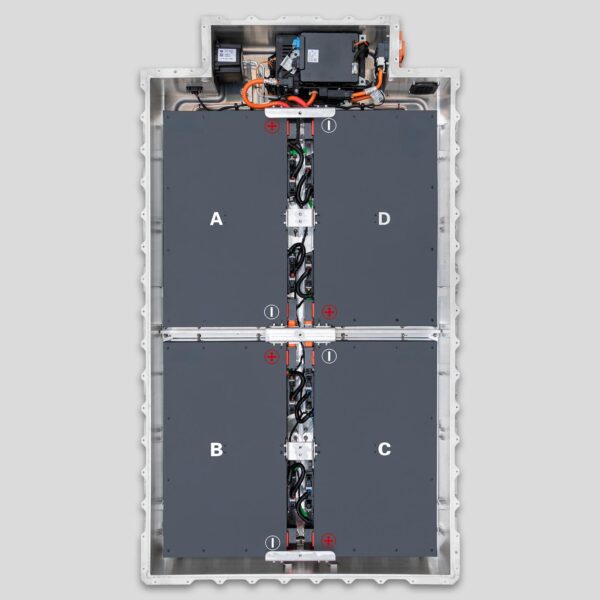
⚡ The Ultimate Guide to BMW i3 Battery Sustainability & Performance
As a dedicated BMW i3 owner, you likely appreciate the car’s unique blend of luxury and efficiency. However, as your vehicle ages, the battery health inevitably declines. When the time comes to replace or upgrade your pack, the decision goes beyond just range—it touches on environmental impact, cost, and long-term reliability.
At CNS BATTERY, we specialize in providing high-performance, OEM-compatible lithium-ion solutions for the BMW i3 and Nissan Leaf. We understand the internal debate: Should you stick with the expensive OEM route, or explore aftermarket options that offer significant savings? More importantly, how does your choice affect the environment?
This guide will break down the pros and cons of BMW i3 battery replacements, specifically focusing on the environmental footprint and performance value of choosing a premium aftermarket solution like ours.
🌍 The Environmental Equation: New vs. Refurbished vs. OEM
When discussing the “environmental” aspect of a BMW i3 battery, we must look at the lifecycle of the product. The production of lithium-ion batteries is energy-intensive, involving the mining of lithium, cobalt, and nickel.
The Green Advantage of New Aftermarket Cells
Many budget replacement batteries on the market are refurbished or use recycled cells. While recycling sounds eco-friendly, the reality is often different. Refurbished batteries frequently consist of mismatched cells from various sources, leading to:
- Shorter Lifespan: They degrade faster, meaning you’ll need to replace them again in 1-2 years, doubling the waste.
- High Failure Rates: Swelling, leakage, and sudden death are common, leading to premature disposal.
CNS BATTERY takes a different approach. We utilize brand-new, premium cells (specifically from CATL, one of the world’s leading manufacturers). While these are new cells, the environmental benefit comes from durability.
Expert Insight: A battery that lasts 8-10 years creates half the waste of a battery that needs replacing every 2 years. By choosing a high-quality new pack, you are effectively halving the long-term environmental burden compared to a low-quality recycled pack.
⚖️ Pros and Cons of Upgrading Your BMW i3 Battery
To help you make an informed decision, let’s compare the typical options available in the market. This table highlights why a premium aftermarket solution often strikes the best balance.
| Feature | OEM Original Battery | Low-Cost/Refurbished Battery | CNS BATTERY (Premium Aftermarket) |
|---|---|---|---|
| Cell Quality | Brand New (OEM Spec) | Used/Recycled (Mixed Health) | Brand New CATL Cells |
| Environmental Impact | High initial footprint, long life | High waste due to short life | Low waste due to extreme longevity |
| Cost | Very Expensive ($12,000+) | Cheap upfront, expensive long-term | ~50% Less than OEM |
| Warranty | Standard (100,000km/8yrs) | Often None or Very Short | 2 Years / 80,000km |
| Performance | Factory Standard | Unpredictable, Degrades Fast | Exceeds Industry Standards |
The “Pro” List: Why Choose a Premium Replacement?
- Significant Cost Reduction: The most immediate benefit is financial. Replacing a BMW i3 battery with an OEM unit can cost upwards of $12,000 to $16,000. By choosing a CNS solution, you save over 50%, making EV ownership accessible and affordable.
- Zero “Jelly Rolling” Risk: Cheap refurbished batteries often use a process called “jelly rolling” where damaged cells are repackaged. This leads to thermal runaway risks. Our brand-new cells eliminate this hazard, ensuring safety.
- Extended Vehicle Lifespan: Instead of scrapping a perfectly good BMW i3 chassis (which itself has a massive carbon footprint to manufacture), a new battery gives the car a second life. This is the ultimate form of recycling.
The “Con” List: Addressing the Downsides
- Logistics & Shipping: Lithium batteries are classified as dangerous goods (UN 3480). This means shipping takes longer (4-8 weeks via sea freight) and requires specialized handling (DDP service). While we handle the customs, the wait time is a downside for those needing an instant fix.
- DIY Complexity: While we provide video guides, replacing a high-voltage battery is not a simple tire change. It typically takes 1-2 hours for a professional. If you are not mechanically inclined, you will need to hire a mechanic, adding to the labor cost.
- Brand Perception: Some purists argue that only the original manufacturer can guarantee 100% compatibility. However, our R&D is based on OEM standards, ensuring perfect voltage and interface matching.
🔋 Performance: More Than Just Staying Charged
The BMW i3 is known for its agile handling and responsive powertrain. A subpar battery can ruin this driving experience.
Why Capacity Matters
Our packs are available in various capacities, including 45kWh, 50kWh, and 62kWh options. Upgrading to a higher capacity (if compatible with your model year) can actually increase your range compared to the original degraded battery.
- Real-World Example: A 2017 BMW i3 owner replaced their degraded 30kWh equivalent pack with our 45kWh solution. The result was a range increase from 180km to 290km on a full charge. This isn’t just a replacement; it’s an upgrade.
Safety First
We utilize advanced Battery Management Systems (BMS) to monitor cell health. Unlike cheap alternatives that lack proper BMS programming, our batteries communicate seamlessly with your BMW’s dashboard, preventing overheating and ensuring stable discharge even in high-temperature conditions (up to 38°C).
💡 Making the Right Choice for Your Wallet and the Planet
Choosing to replace your BMW i3 battery is a significant investment. While the OEM route offers peace of mind, it comes at a premium price that often forces owners to scrap their cars prematurely. On the other hand, the cheapest option usually leads to more waste and安全隐患 (safety hazards).
CNS BATTERY offers the middle ground. We provide the durability and safety of new cells at a fraction of the OEM cost. By extending the life of your vehicle, you are not only saving money but also reducing the demand for new raw materials needed to build a brand-new car.
If you are ready to revive your BMW i3 with a reliable, eco-conscious battery solution, we are here to help.
❓ Frequently Asked Questions
Q1: Is it safe to install a non-OEM battery on my BMW i3? Yes, when you choose a reputable manufacturer like CNS. Our batteries are built using brand-new CATL cells and undergo rigorous testing to meet IATA, IMDG, and ADR safety standards. We also provide lifetime technical support and remote video guidance to ensure correct installation and BMS programming.
Q2: How long does the installation process take? For a professional technician, the installation typically takes 1-2 hours. We provide step-by-step video tutorials and PDF manuals to assist with the process. If you are a DIY enthusiast with basic tools, it is manageable, but we recommend professional installation to avoid warranty issues.
Q3: What is the warranty coverage for the CNS BMW i3 battery? We offer a comprehensive 2-year / 80,000km warranty. This covers defects in materials and workmanship, as well as performance degradation (ensuring the battery maintains at least 70% capacity). This exceeds the warranty offered by many other aftermarket brands.
Q4: Will this battery affect my car’s original warranty or diagnostics? No. Our batteries are designed to OEM standards, meaning they match the original voltage, capacity, and interface connectors. They integrate seamlessly with your BMW’s diagnostic system, showing no errors on the dashboard.
Ready to get back on the road? Don’t let battery degradation end your EV journey. Contact our technical experts now for a free compatibility check and quote.

