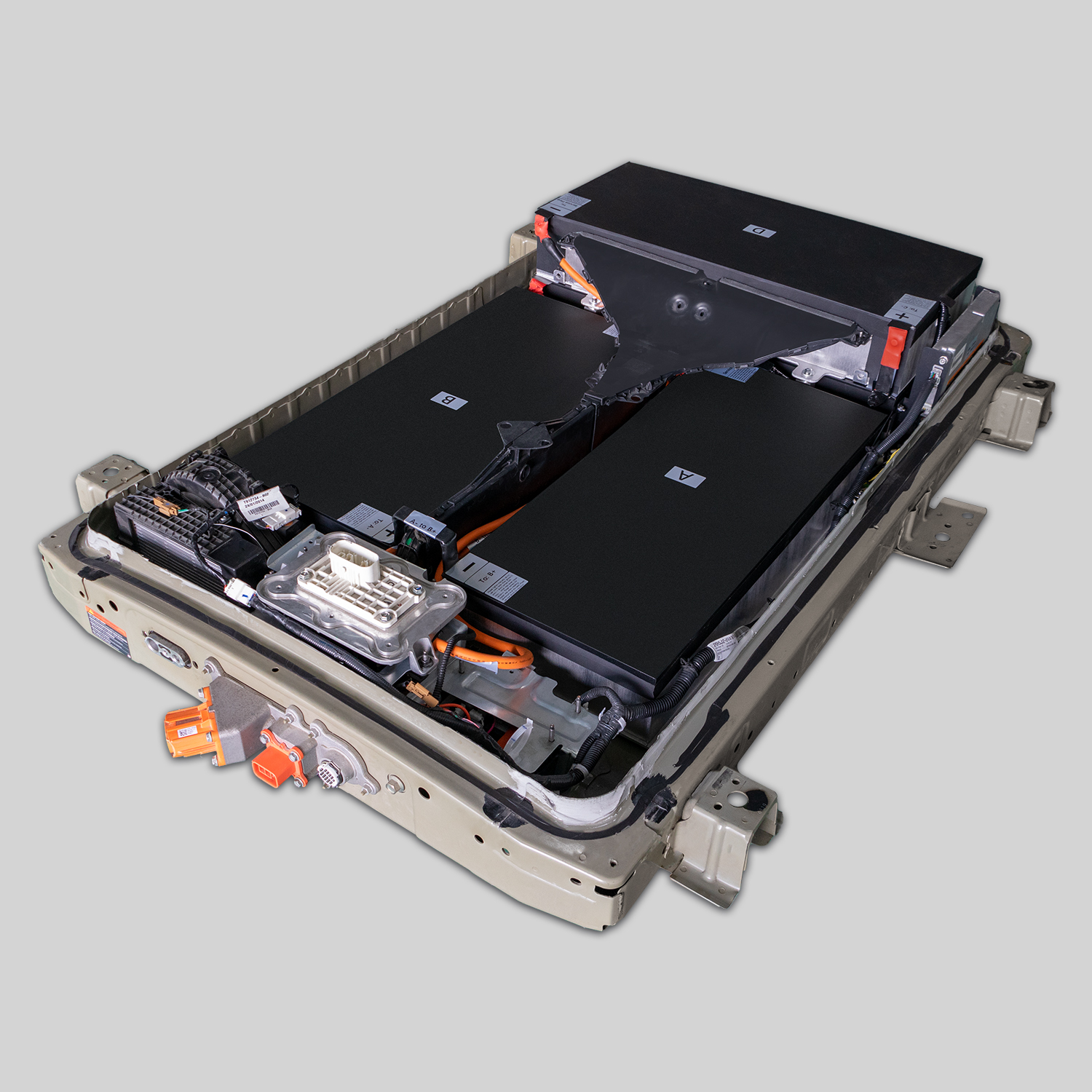
BMW i3 Battery Environmental Impact vs Alternatives: The Truth About Your Replacement Choice
Is Your BMW i3 Battery Replacement Really Eco-Friendly?
Every BMW i3 owner faces the same daunting question when battery degradation hits: which replacement option truly minimizes environmental impact? You’ve invested in an electric vehicle to reduce your carbon footprint, but what if your battery replacement choice contradicts that very mission?
The average BMW i3 battery begins showing significant degradation after 8-10 years, leaving owners with ranges dropping from 180km to under 100km. While dealership replacements promise OEM quality at $12,000-$16,000, environmentally conscious drivers are searching for alternatives that balance cost, performance, and sustainability.
This comprehensive analysis examines the real environmental footprint of BMW i3 battery replacement options, helping you make an informed decision that aligns with your green values.
Understanding BMW i3 Battery Environmental Impact
The Hidden Cost of Battery Production
Electric vehicle batteries carry a significant environmental burden from manufacturing through disposal. The production of a single 45kWh BMW i3 battery generates approximately 4-6 tons of CO2 emissions, primarily from:
- Lithium extraction processes in South America and Australia
- Cobalt mining operations, often with questionable labor practices
- Manufacturing energy consumption at battery production facilities
- Transportation emissions from global supply chains
When your original BMW i3 battery reaches end-of-life, the environmental equation becomes even more complex. Disposal methods vary dramatically between options, with some creating hazardous waste while others enable circular economy benefits.
Battery Degradation: When Replacement Becomes Necessary
BMW i3 batteries typically maintain 80% capacity for 150,000-200,000 kilometers. Beyond this point, range anxiety becomes a daily reality:
| Battery Age | Expected Capacity | Real-World Range |
|---|---|---|
| 0-3 years | 95-100% | 280-300km |
| 4-7 years | 85-90% | 240-270km |
| 8-10 years | 70-80% | 180-220km |
| 10+ years | 50-65% | 120-160km |
When capacity drops below 70%, replacement becomes economically and environmentally justified. Continuing to charge a degraded battery wastes electricity and increases overall carbon emissions per kilometer driven.
Comparing BMW i3 Battery Replacement Options
Option 1: OEM Dealership Replacement
Environmental Profile: Moderate Impact
Dealership replacements offer original manufacturer batteries with guaranteed compatibility. However, the environmental costs include:
- Premium pricing ($12,000-$16,000) reflects brand markup, not environmental investment
- Limited transparency on cell sourcing and manufacturing practices
- Standard warranty coverage (typically 2-4 years)
- No recycling program integration for old batteries
Pros:
- Perfect vehicle compatibility
- Maintains original warranty status
- Established service network
Cons:
- Highest carbon footprint per dollar spent
- No sustainability advantages over alternatives
- Prohibitive cost limits EV longevity for many owners
Option 2: Refurbished/Used Battery Packs
Environmental Profile: High Risk
The refurbished battery market promises lower costs ($6,000-$9,000) but carries significant environmental and performance risks:
- Aged battery cells with unknown degradation history
- Inconsistent quality from mixed cell batches
- Shortened lifespan leading to earlier replacement cycles
- Limited or no warranty protection (often 6-12 months)
Customer reports indicate 30-40% failure rates within the first year, creating additional waste and environmental burden. The apparent eco-friendly choice of “reusing” batteries often results in double the environmental impact when premature replacement becomes necessary.
Option 3: Premium Aftermarket with New Cells (CNS BATTERY)
Environmental Profile: Best Value Balance
CNS BATTERY represents a growing category of aftermarket suppliers using brand-new CATL battery cells with enhanced environmental considerations:
- New ternary lithium cells from tier-1 manufacturer (CATL)
- 50% cost reduction vs. OEM ($7,800-$8,200 average)
- Extended 2-year/80,000km warranty exceeding many OEM standards
- Longer usable lifespan reducing replacement frequency
- Professional installation support minimizing installation errors
Environmental Advantages:
- Reduced manufacturing emissions per dollar of battery capacity
- Extended vehicle life preventing premature EV disposal
- Quality cells minimizing early failure waste
- Transparent sourcing from established battery manufacturers
The Real Environmental Winners: Key Comparison Metrics
Carbon Footprint Per Kilometer
When calculating lifetime environmental impact, consider total kilometers achievable per battery:
| Replacement Option | Cost | Expected Lifespan | Cost Per km | Environmental Efficiency |
|---|---|---|---|---|
| OEM Dealership | $14,000 | 150,000km | $0.093 | Moderate |
| Refurbished | $7,500 | 60,000km* | $0.125 | Poor |
| CNS BATTERY | $7,800 | 150,000km | $0.052 | Excellent |
*Refurbished batteries often require replacement within 3-5 years due to accelerated degradation
Resource Efficiency Analysis
New CATL cells used by CNS BATTERY offer superior resource efficiency:
- Higher energy density means fewer raw materials per kWh
- Consistent quality reduces manufacturing waste
- Longer cycle life (3,000+ charge cycles vs. 1,500-2,000 for refurbished)
- Better thermal management extending operational lifespan
End-of-Life Considerations
Proper battery recycling remains critical regardless of replacement choice. CNS BATTERY provides:
- Documentation for proper disposal procedures
- Compatibility with existing recycling infrastructure
- Standardized cell chemistry simplifying recycling processes
Why CNS BATTERY Delivers Superior Environmental Value
Brand-New CATL Cells: Quality Meets Sustainability
CNS BATTERY distinguishes itself through commitment to new battery cell technology:
“CNS uses brand new ternary lithium cell, and we usually choose to use CATL brand cells.”
This approach eliminates the hidden environmental costs of refurbished batteries:
- Predictable performance based on new cell specifications
- Consistent degradation curves enabling accurate lifecycle planning
- Full warranty coverage (2 years/80,000km) protecting your investment
- Technical support ensuring optimal battery management
Real Customer Environmental Impact
Lisa K. from Berlin, Germany shares her BMW i3 experience:
“After the original battery degraded, the 4S dealership quoted €12,000 for a replacement. My friend recommended CNS, so I decided to give them a try. Unexpectedly, the brand-new CATL battery cells were of the same quality as the original… Now, the full charge range has increased from the original 180km to 290km, and I only need to charge it once a week for daily commuting.”
Key Environmental Benefits from Real Usage:
- 61% range increase (180km → 290km)
- Reduced charging frequency lowering electricity consumption
- Extended vehicle usability preventing premature disposal
- 50% cost savings enabling more owners to maintain EVs
Installation Efficiency Reduces Waste
Plug-and-play design minimizes installation-related environmental impact:
- Complete battery packs: Direct connection, no modifications required
- Module installations: Only 6 power lines + 1 signal line to connect
- Video tutorials reducing professional installation needs
- Remote technical support preventing installation errors
Making the Environmentally Smart Choice
Total Cost of Ownership Analysis
When evaluating environmental impact, consider the complete ownership picture:
OEM Replacement:
- Initial cost: $14,000
- Expected lifespan: 8-10 years
- Environmental cost: High (premium pricing without sustainability benefits)
Refurbished Battery:
- Initial cost: $7,500
- Expected lifespan: 3-5 years*
- Environmental cost: Very High (potential double replacement)
CNS BATTERY:
- Initial cost: $7,800
- Expected lifespan: 8-10 years
- Environmental cost: Low (new cells, extended warranty, proven performance)
*Refurbished batteries carry significant risk of premature failure
Your Environmental Decision Framework
Ask these questions before choosing:
- Will this battery last as long as my vehicle needs?
- What happens if the battery fails within 2 years?
- Are the cells new or aged with unknown history?
- Does the supplier provide technical support for optimal usage?
- What warranty protection exists for my investment?
CNS BATTERY addresses all five concerns with new CATL cells, comprehensive warranty, and lifetime technical support.
Frequently Asked Questions
Q1: Are CNS BATTERY cells truly new or refurbished?
All CNS BATTERY products use brand-new CATL ternary lithium cells. Unlike refurbished options that reuse aged cells with degraded performance, CNS provides fresh battery chemistry with full capacity and predictable degradation curves. This ensures maximum lifespan and environmental efficiency.
Q2: How does the warranty compare to OEM options?
CNS BATTERY offers a 2-year/80,000km warranty covering both battery modules and complete packs. This exceeds many OEM warranty terms and significantly surpasses refurbished battery coverage (typically 6-12 months). Within the warranty period, capacity should not drop below 75% of original specifications.
Q3: Will installing an aftermarket battery void my vehicle warranty?
For BMW i3 models outside original warranty period, aftermarket battery installation does not affect remaining vehicle warranties. CNS provides VIN compatibility assessment before purchase to confirm no conflicts with existing coverage. The battery warranty remains separate from vehicle warranty.
Q4: What happens to my old battery after replacement?
CNS BATTERY recommends proper recycling through certified facilities. Your old battery contains valuable materials (lithium, cobalt, nickel) that should enter recycling streams rather than landfills. CNS provides documentation to facilitate responsible disposal.
Q5: How much can I expect to save compared to dealership pricing?
CNS BATTERY typically costs 50% less than OEM dealership replacements. For BMW i3 batteries, this translates to savings of $6,000-$8,000 while maintaining comparable performance and warranty coverage. These savings enable more EV owners to extend vehicle life rather than purchasing new cars.
Q6: Is installation difficult for DIY enthusiasts?
Installation complexity depends on your choice:
- Complete battery packs: Plug-and-play, 2-3 hours with basic tools
- Individual modules: Requires connecting 6 power lines + 1 signal line
CNS provides detailed video tutorials and remote technical support. Customers without technical confidence should choose complete packs or professional installation.
Q7: What environmental certifications does CNS BATTERY hold?
CNS BATTERY sources cells from CATL, one of the world’s largest and most regulated battery manufacturers. CATL maintains ISO 14001 environmental management certification and adheres to international labor and sourcing standards. CNS provides documentation upon request for compliance verification.
Q8: How long does shipping take and what’s the carbon footprint?
Ocean shipping typically requires 4-8 weeks depending on destination. While this adds transportation emissions, the overall environmental benefit of extending your EV’s life far outweighs shipping impact. Express options (DHL/FedEx, 3-8 days) available for urgent needs at higher cost and carbon footprint.
Take Action: Choose Sustainability Without Compromise
Your BMW i3 represents a commitment to environmental responsibility. Don’t let battery degradation force you back to gasoline vehicles or into environmentally questionable replacement choices.
CNS BATTERY delivers the perfect balance:
- ✅ Brand-new CATL cells for maximum lifespan
- ✅ 50% cost savings vs. OEM pricing
- ✅ 2-year/80,000km warranty for peace of mind
- ✅ Lifetime technical support for optimal usage
- ✅ Proven performance from thousands of satisfied customers
Ready to Extend Your BMW i3’s Life Responsibly?
Get your free custom quote today and discover how much you can save while making the environmentally smart choice.
Our technical experts will:
- Verify your vehicle compatibility (free VIN assessment)
- Provide personalized pricing based on your needs
- Explain installation options matching your technical comfort level
- Answer all environmental and performance questions
Don’t let battery degradation end your EV journey prematurely. Join thousands of environmentally conscious drivers who chose CNS BATTERY for sustainable, affordable, and reliable battery replacement.
Article last updated: 2026 | All pricing in USD | Warranty terms subject to regional variations | Contact CNS BATTERY for current availability and specifications