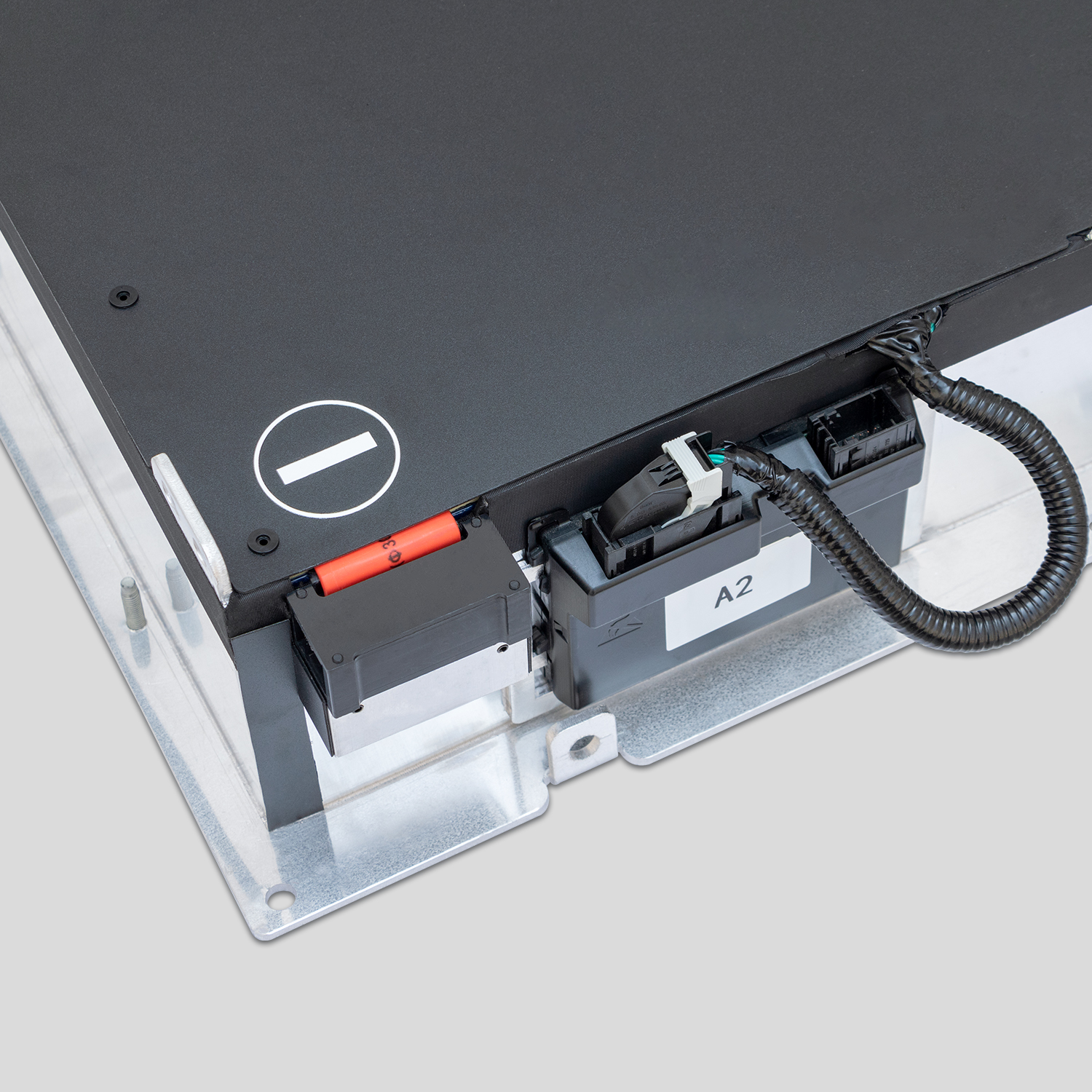
Why Nissan Leaf Passive Cooling is the Key to Long Cycle Life
Nissan Leaf battery replacement is a major investment. Whether you drive a Leaf ZE0, ZE1, or AZE0, the goal is simple: maximize your driving range and ensure the battery lasts as long as possible. While many factors influence battery health, one often-overlooked engineering choice is the secret weapon for longevity: Passive Air Cooling.
At CNS BATTERY, we’ve spent over a decade researching automotive powertrains. We understand that for Nissan Leaf owners, the thermal management system isn’t just about comfort; it’s the core determinant of your battery’s lifespan. In this guide, we explain why the Leaf’s passive design is a blessing in disguise and how to leverage it for a battery that lasts.
The Science of Heat and Lithium-Ion Degradation
To understand why passive cooling works for the Leaf, we must first understand what kills a battery.
Heat is the enemy of lithium-ion chemistry. When a battery operates at high temperatures (typically above 35°C / 95°F), the chemical reactions inside accelerate. While this might sound beneficial for performance, it leads to a rapid breakdown of the electrolyte and the formation of solid-electrolyte interphase (SEI) layers on the anode. This process, known as calendar aging, permanently reduces the battery’s capacity.
Conversely, active liquid cooling systems, while effective at extreme performance levels, introduce complexity. Pumps can fail, coolant can leak, and the battery pack structure becomes heavier and more expensive. The Nissan Leaf, however, relies on a sophisticated passive system that uses convection and the vehicle’s aerodynamics to manage heat.
The CNS Advantage: New Cells, Optimized Design
When you choose a Nissan Leaf replacement battery from CNS, you’re not just getting a refurbished unit. We utilize brand-new CATL battery cells, which are inherently more thermally stable than degraded older cells.
| Feature | CNS BATTERY (New CATL Cells) | Refurbished/Used Batteries |
|---|---|---|
| Cell Origin | Brand new, factory-fresh cells | Recycled from salvage yards |
| Thermal Stability | High (Optimized for passive cooling) | Low (Aged cells overheat easily) |
| Warranty | 2 Years / 80,000 km | Often None or Very Short |
| Price | ~50% of OEM Cost | Variable, often hidden costs |
Why does this matter for passive cooling? New cells generate less internal resistance heat during charging and discharging. This means the passive cooling system in your Leaf has an easier job maintaining the “Goldilocks Zone” of temperature, significantly extending the cycle life.
How Passive Cooling Works in Your Leaf
The Nissan Leaf doesn’t use a radiator or coolant. Instead, it relies on a “Thermal Chimney” effect and intelligent battery management.
1. The “Thermal Chimney” Effect
The Leaf’s battery pack is designed with ventilation channels. As the car moves, air is drawn in from the front grille and flows through these channels underneath the battery pack. Hot air rises and exits at the rear. This natural convection creates a continuous airflow that dissipates heat without any moving parts.
2. The Role of the BMS (Battery Management System)
A robust BMS is the brain of passive cooling. It monitors the temperature of individual modules. If the ambient temperature is high, the BMS will slightly reduce the charging speed or limit the maximum power output to prevent overheating.
Expert Tip: If you are driving your Leaf in a hot climate (above 30°C), the passive system works best when you avoid “flooring” the accelerator constantly. Smooth driving keeps the heat generation low, allowing the passive vents to work efficiently.
The “CNS 2-Year Warranty” vs. The “Battery Death Spiral”
Many Leaf owners hesitate to replace their battery because they fear history will repeat itself. The “Battery Death Spiral” is real: old cells degrade, get hotter, degrade faster, and eventually fail.
Our 2-Year / 80,000 km warranty is the industry’s most confident statement on passive cooling longevity. We know that by starting with new, high-quality cells and ensuring perfect compatibility with your Leaf’s OEM specifications, the passive cooling system will keep your battery healthy for years.
Why Our Warranty is Unbeatable
- Coverage: We cover defects in materials and workmanship.
- Performance Guarantee: We ensure your battery maintains at least 70% capacity over the warranty period.
- Global Support: Whether you are in California, Texas, or Berlin, our customer service team is ready to assist with technical advice or troubleshooting.
Unlike liquid-cooled systems that can suffer from coolant leaks or pump failures, the passive system in the Leaf, paired with our new cells, offers a “Zero-Failure” reliability profile that is hard to beat.
Choosing the Right Capacity for Your Climate
When upgrading your Nissan Leaf battery, you have options: 40kWh, 50kWh, 62kWh, or even 68kWh. The capacity you choose impacts how the passive cooling system performs.
- 40kWh / 50kWh: Ideal for city commutes and moderate climates. These packs have a high surface-area-to-volume ratio, meaning heat dissipates very easily.
- 62kWh / 68kWh: Best for long-distance travel or hilly terrain. While these packs are denser, the use of new CATL cells (which run cooler than older chemistries) ensures the passive cooling remains effective.
Recommendation: If you live in a consistently hot environment (like Texas or Southern Europe), we recommend the 40kWh or 50kWh for maximum thermal efficiency. If you need the range, the 62kWh with new cells is still a safe bet, but try to park in the shade when possible to assist the passive cooling.
Installation and Maintenance: Keeping the Airflow Clear
The beauty of the Leaf’s passive system is its low maintenance. However, there are a few things you can do to ensure your new CNS battery lasts a lifetime.
1. Pre-Installation Check
Before installing your new battery, ensure the undercarriage vents are clear of debris. Leaves, mud, or stones blocking the intake can reduce the cooling efficiency by up to 50%.
2. The DIY Advantage
Many of our customers love the Leaf because the battery replacement is a “Plug-and-Play” experience. Unlike complex liquid-cooled systems that require bleeding radiators, the Leaf battery simply bolts in.
Real User Experience: Mark T. from California upgraded his 2015 Leaf ZE0 to a 62kWh CNS battery. “The installation was plug-and-play and only took 2 hours. Now, the full charge range is 430km… and there’s no significant power drain even when using the air conditioning on the highway.”
3. Winter Charging Optimization
While passive cooling is great for summer, what about winter? Cold temperatures slow down the chemical reactions. Our customer service provides a customized winter charging guide to ensure your battery stays warm enough to accept a charge efficiently, preventing lithium plating which can damage the cells.
Conclusion: Trust the Passive, Upgrade with CNS
The Nissan Leaf’s passive air cooling system is not a compromise; it is a robust, reliable engineering solution. When combined with the superior quality of brand-new CATL cells from CNS BATTERY, it becomes the key to unlocking a second life for your electric vehicle.
Don’t let a degraded old battery hold you back. With our industry-leading warranty and dedication to OEM compatibility, we can help you extend your range and improve your safety. Let the passive cooling do its job, and let CNS put your mind at ease.
Ready to revive your Leaf? Get a free quote for your custom battery solution today.
Get Your Free Custom Quote Now
Frequently Asked Questions (FAQ)
Q1: Is passive cooling enough for fast charging?
A: Yes, but with a caveat. The Leaf’s passive system is designed for Level 1 and Level 2 charging. For DC Fast Charging (CHAdeMO), the battery temperature will rise. We recommend using fast charging sparingly or ensuring the battery has cooled down after driving before initiating a rapid charge. New CNS cells handle this heat much better than degraded old cells.
Q2: How do I know if my Leaf battery needs replacing?
A: If your “Battery Bars” have dropped significantly (e.g., from 12 bars to 9 or fewer), or if your range has halved, it is time for a replacement. You can upload your VIN to our customer service for a free compatibility assessment.
Q3: Does a passive cooling system require maintenance?
A: Very little. We recommend checking the undercarriage vents during your regular tire rotations or oil changes (if you have a hybrid model) to ensure they are not blocked by debris.
Q4: What makes CNS batteries better than other aftermarket brands?
A: We are the only brand offering a 2-Year / 80,000 km warranty on passive-cooled packs. We use brand-new CATL cells, whereas others often use recycled or repurposed cells that run hotter and degrade faster, overwhelming the passive cooling system.