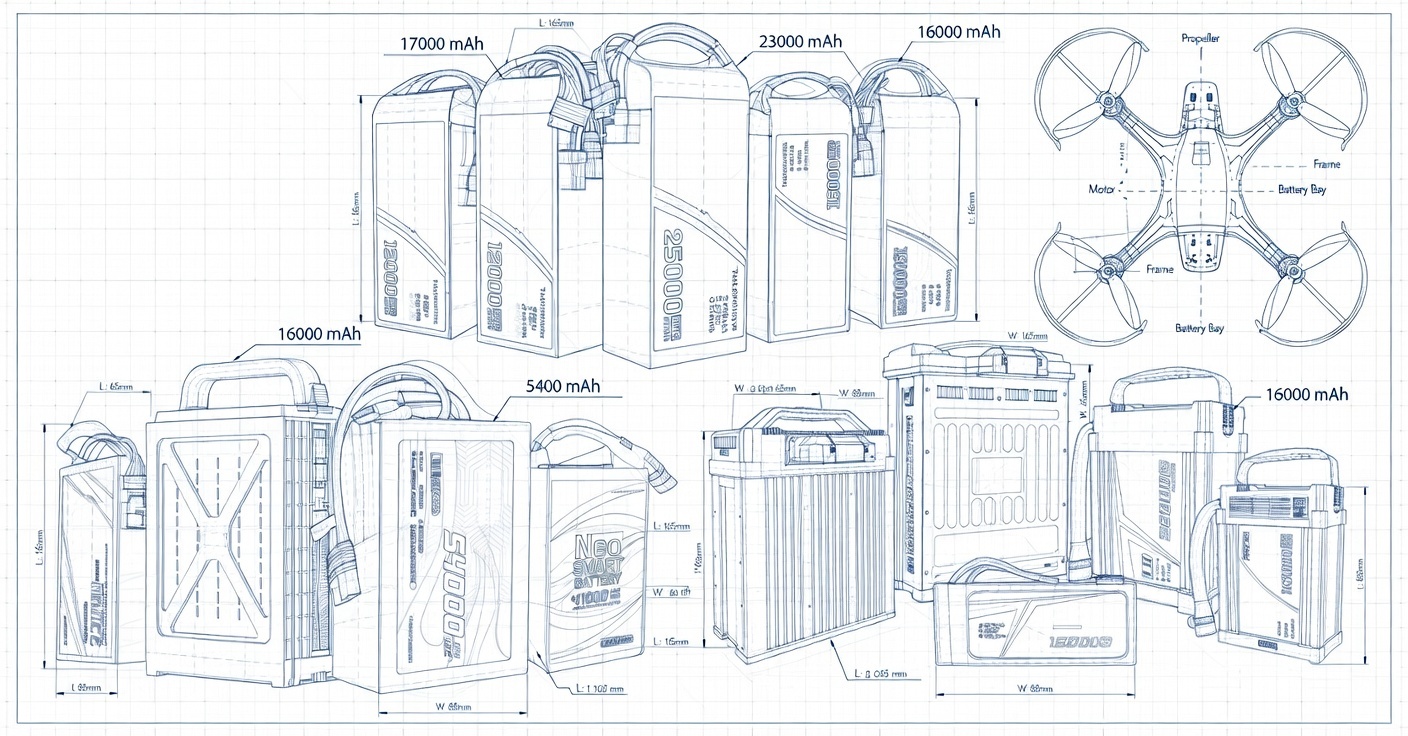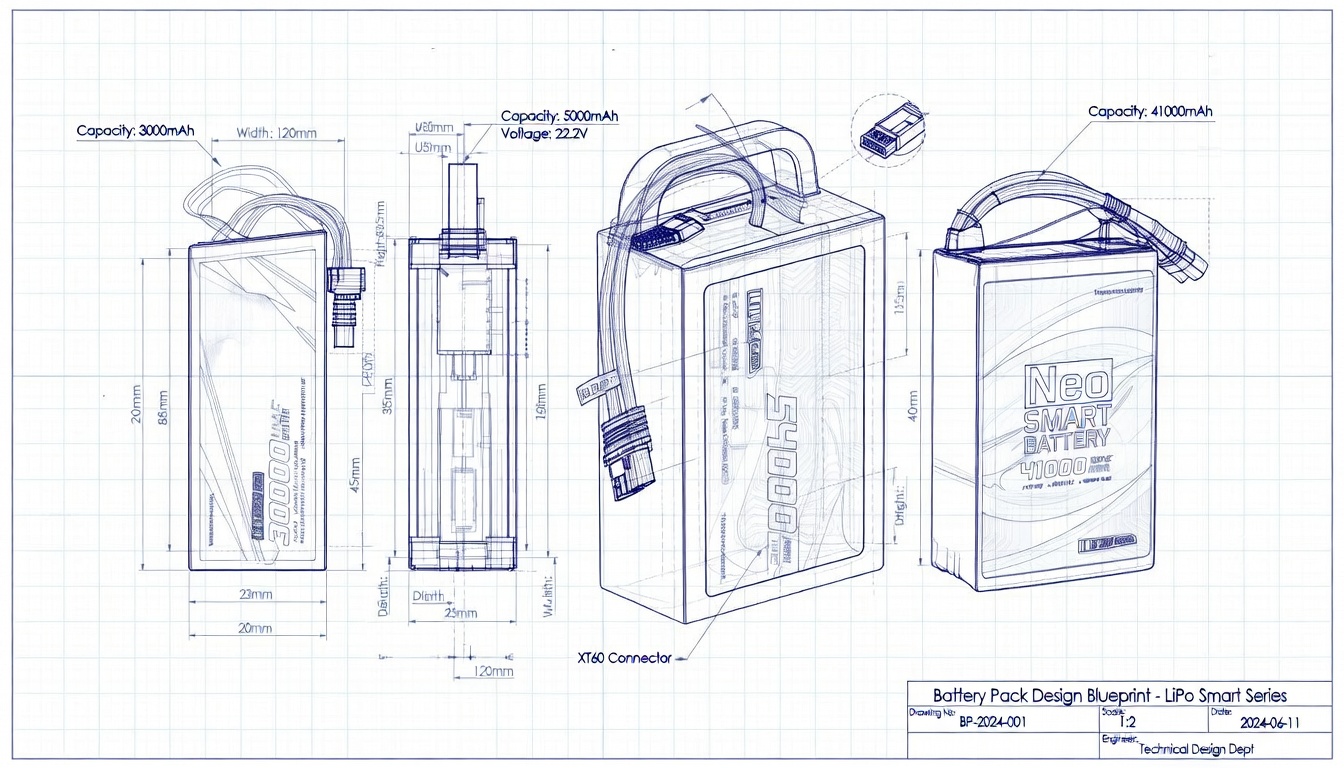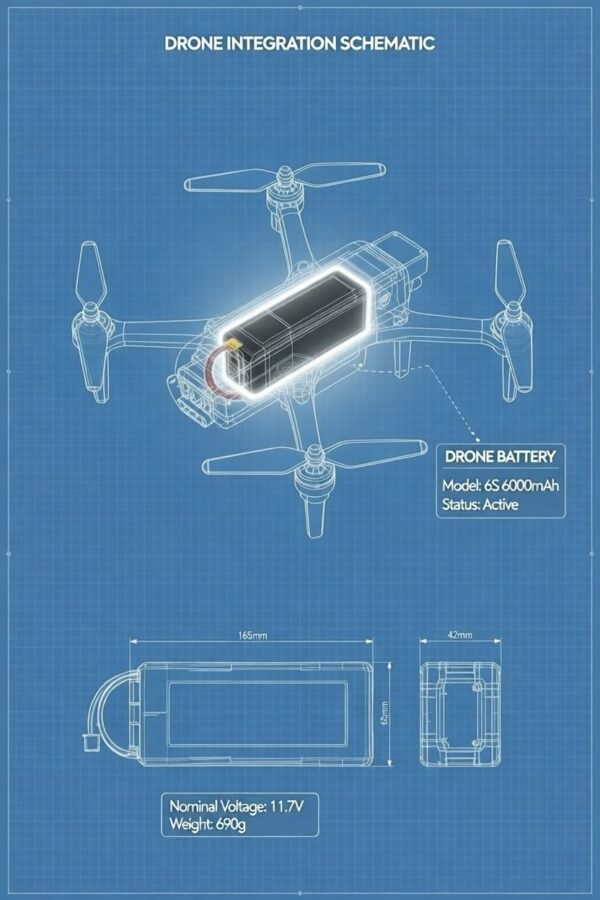
In the high-stakes world of emergency response, every second counts. When a natural disaster strikes or a hiker goes missing in rugged terrain, the reliability of your equipment can mean the difference between life and death. For modern search and rescue (SAR) units, drones have become indispensable tools, offering aerial reconnaissance, thermal imaging, and payload delivery capabilities that ground teams simply cannot match. However, the effectiveness of these unmanned aerial vehicles (UAVs) hinges entirely on one critical component: the battery.
As we move into 2026, the technology landscape for drone power systems is evolving rapidly. Emergency rescue teams can no longer afford to prioritize cost over performance. The central metric for evaluation must be energy density. This guide provides a strategic overview for procurement officers and team leaders looking to optimize their drone fleets. We will explore why energy density is the cornerstone of mission success, examine critical battery specifications beyond capacity, outline management techniques for high-stakes environments, and discuss future-proofing your investment against emerging regulations and technologies.
Understanding Energy Density: The Core of Mission Endurance
Energy density, measured in watt-hours per kilogram (Wh/kg), defines how much energy a battery can store relative to its weight. In the context of emergency rescue drones, this is not merely a technical specification; it is a tactical advantage. Higher energy density allows a drone to carry heavier payloads—such as high-zoom optical cameras, thermal sensors, or medical supply drop kits—without sacrificing flight time.
Traditional lithium-polymer (LiPo) batteries have long been the standard for high-discharge applications, offering excellent power-to-weight ratios. However, recent advancements in high-voltage Li-ion and hybrid chemistries are pushing the boundaries further. For a rescue team operating in remote areas where charging infrastructure is nonexistent, maximizing flight time per battery swap is crucial. A battery with superior energy density extends the search radius, reduces the frequency of risky landings in unstable terrain, and ensures that the drone remains airborne long enough to locate survivors.
When evaluating potential suppliers, look beyond the total milliamp-hour (mAh) rating. A 10,000mAh battery that weighs significantly more may actually provide less efficient flight time than a lighter 8,000mAh pack with higher voltage and better density. The goal is to minimize the weight penalty while maximizing available energy.
Critical Battery Specifications for Rescue Missions
While energy density is the primary focus, it does not exist in a vacuum. Emergency environments are harsh, unpredictable, and often extreme. A battery that performs well in a controlled warehouse may fail catastrophically in a snowstorm or a wildfire zone. Procurement strategies must account for a holistic set of specifications to ensure operational readiness.
Discharge Rates and Power Delivery
Rescue drones often require sudden bursts of power to combat high winds or ascend rapidly from valleys. The C-rating (discharge rate) indicates how quickly a battery can release its energy. For heavy-lift rescue drones, a continuous discharge rating of 10C or higher is typically recommended. Low discharge rates can lead to voltage sag, causing the drone to lose stability or trigger premature low-battery warnings during critical maneuvers.
Temperature Resilience
Disasters do not wait for favorable weather. Batteries must operate reliably in sub-zero conditions or extreme heat. Lithium chemistry is sensitive to temperature; cold environments increase internal resistance, reducing effective capacity. Look for batteries with built-in self-heating technology or those specifically rated for wide operating temperature ranges (e.g., -20°C to 60°C). Some advanced packs include battery management systems (BMS) that regulate cell temperature to prevent thermal runaway or performance drops.
Cycle Life and Durability
Budget constraints are real, but frequent replacement cycles can disrupt operations. A battery with a higher cycle life (the number of charge/discharge cycles before capacity drops below 80%) offers better long-term value. For professional rescue teams, industrial-grade cells that withstand 500+ cycles are preferable to consumer-grade alternatives that degrade after 200 cycles. Durability also extends to the physical casing; water and dust resistance (IP67 or higher) are essential for operations in rain, snow, or dusty disaster zones.
Managing Battery Logistics in High-Stakes Environments
Owning high-performance batteries is only half the battle; managing them effectively is equally vital. In the chaos of an emergency response, battery failure due to poor logistics can ground an entire fleet. Implementing a rigorous battery management protocol ensures that every pack is ready for deployment when the alarm sounds.
Storage and Transportation Compliance
Recent international regulations have tightened regarding the transport of lithium batteries. As of 2026, IATA Dangerous Goods Regulations require that lithium batteries transported by air must generally be at a State of Charge (SoC) of no more than 30%. For rescue teams that deploy via aircraft to disaster zones, this is a critical compliance point. Batteries shipped at full charge may be rejected or deemed hazardous.
- Tip: Maintain storage charges between 40-60% for long-term health, but have a protocol to discharge packs to 30% before air deployment.
- Tip: Use fire-resistant storage bags and dedicated containers to prevent short circuits during transit.
Rotation and Monitoring
Not all batteries age at the same rate. Implement a first-in, first-out (FIFO) rotation system to ensure no single pack sits idle for too long or gets overused.
- Tip: Label each battery with a unique ID and log its cycle count, storage voltage, and internal resistance readings monthly.
- Tip: Use smart chargers that can analyze cell health and balance individual cells, identifying weak packs before they fail in the field.
Charging Infrastructure
In remote rescue scenarios, access to grid power is limited. Portable power stations and solar generators are essential companions to your drone fleet.
- Tip: Invest in field chargers capable of charging multiple batteries simultaneously without drawing excessive current from a single source.
- Tip: Always carry 3x the number of batteries you expect to use per mission to account for unexpected delays or extended search operations.
Future-Proofing Your Fleet
The drone industry is moving towards greater integration and intelligence. When purchasing batteries today, consider compatibility with future drone models and emerging technologies. Solid-state batteries are on the horizon, promising even higher energy densities and improved safety, but they are not yet mainstream for UAVs. Instead, focus on modular systems.
Batteries with intelligent communication protocols (such as CAN bus or UART) allow the drone to read precise data from the BMS, providing accurate remaining flight time estimates. This integration reduces the risk of unexpected drops. Additionally, consider the supply chain reliability of the manufacturer. In a geopolitical landscape where component shortages can occur, partnering with a supplier who guarantees long-term availability of specific cell types is a strategic necessity.
Conclusion
For emergency rescue teams, the drone battery is the heartbeat of the operation. Prioritizing energy density ensures that your drones can fly longer, carry more, and reach further when lives are on the line. However, a comprehensive buying strategy must also weigh discharge rates, temperature resilience, and regulatory compliance. By implementing robust management protocols and choosing forward-compatible technology, rescue units can maintain a fleet that is always ready to respond.
Do not compromise on power. The efficiency of your rescue mission depends on the energy you carry. Evaluate your current inventory against these standards and upgrade where necessary to ensure your team remains effective in the face of any challenge.
Take Action Today
Is your current drone fleet powered for the demands of modern rescue operations? If you are unsure about your battery specifications or need a custom solution tailored to high-stakes environments, expert guidance is available. Connect with specialists who understand the critical nature of emergency response power systems.
For detailed consultations and customized drone battery solutions, please visit our contact page: https://cnsbattery.com/drone-battery-home/drone-battery-contact. Ensure your team is equipped with the best energy technology available.