Best Drone Batteries for Infrastructure Inspection: Wide Temperature Range Comparison
In the high-stakes world of infrastructure inspection, drone failures due to battery limitations aren’t just inconvenient—they’re potentially catastrophic. Imagine a critical bridge inspection drone suddenly losing power mid-flight during a freezing winter mission, or a power line assessment drone failing in the scorching heat of a summer afternoon. According to a 2023 report by the Association for Unmanned Vehicle Systems International (AUVSI), over 35% of drone mission failures in infrastructure inspection stem directly from battery performance degradation in extreme temperatures. These failures don’t just waste valuable inspection time; they risk costly equipment damage, safety hazards for personnel, and compromised structural integrity assessments that could lead to future infrastructure failures. The stakes are too high for off-the-shelf batteries that can’t handle the temperature extremes common in infrastructure inspection scenarios.
Critical Risks and Prevention Strategies: A Technical Summary
Understanding the precise risks and implementing targeted prevention measures is essential for reliable infrastructure inspection operations. Below is a concise technical overview of the most critical concerns:
Risk 1: Sudden Power Loss in Extreme Temperatures
Cause: At temperatures below -10°C, standard lithium-polymer batteries experience electrolyte viscosity increase, leading to 40-60% capacity reduction. High temperatures above 40°C accelerate internal resistance, causing rapid discharge and potential thermal runaway.
Prevention: Implement batteries with wide temperature operation range (ideally -20°C to 60°C) and advanced thermal management systems.
Risk 2: Inaccurate Battery Management System Readings
Cause: Standard BMS (Battery Management Systems) fail to accurately gauge remaining capacity in extreme conditions, leading to premature shutdowns or unexpected landings.
Prevention: Utilize temperature-compensated BMS with real-time calibration algorithms and dual-redundant monitoring.
Risk 3: Reduced Flight Time and Mission Failure
Cause: Temperature-induced performance loss directly translates to 25-50% shorter flight times in non-optimized batteries, compromising comprehensive infrastructure assessment.
Prevention: Opt for high-energy density batteries with minimal temperature coefficient (below 0.1% per °C) and rigorous temperature cycling validation.
Risk 4: Safety Hazards from Battery Failure
Cause: Thermal instability in extreme conditions can lead to swelling, fire, or explosion, particularly with non-qualified battery cells.
Prevention: Select batteries certified to UN38.3 standards with built-in thermal runaway prevention mechanisms and fire-resistant casing.
Engineering Insights: The Science Behind Wide-Temperature Performance
The engineering challenge of maintaining consistent battery performance across wide temperature ranges is significant. As noted in the IEEE Transactions on Power Electronics (2022), “The primary limitation in lithium-ion battery performance at extreme temperatures stems from the kinetic limitations of lithium-ion diffusion and the electrolyte’s viscosity changes.” This fundamental chemistry issue necessitates specialized battery design rather than simple component upgrades.
CNS Battery’s engineering team has addressed this through three key innovations:
- Advanced Electrolyte Formulation: Our proprietary electrolyte blend maintains optimal viscosity from -40°C to 80°C, ensuring consistent ionic conductivity. This innovation, validated through 500+ thermal cycling tests, maintains 90% capacity retention at -20°C compared to 50% for standard batteries.
- Thermal-Adaptive Battery Management System: Unlike conventional BMS, our system dynamically recalibrates battery state-of-charge (SoC) readings based on real-time temperature data. This prevents premature shutdowns and ensures accurate power estimation across all operational conditions.
- Modular Thermal Management: Integrated micro-thermal channels within the battery casing allow for passive heat dissipation during high-temperature operations and targeted thermal insulation during extreme cold. This design, inspired by aerospace thermal management systems, maintains optimal cell temperatures within ±3°C across all operational ranges.
These engineering solutions have been rigorously validated through field testing in diverse infrastructure inspection environments. For instance, during a recent 6-month evaluation with a major utility company in northern Canada, CNS batteries maintained 85% capacity at -30°C during winter inspections, whereas conventional batteries failed to exceed 40% capacity at the same temperature.
The CNS Solution: Precision Engineered for Infrastructure Excellence
For infrastructure inspection professionals demanding reliability in any climate, CNS Battery offers a purpose-built solution. Our wide-temperature drone batteries are engineered specifically for the demanding conditions of infrastructure assessment, with features that directly address the critical risks outlined above.
Our core technology delivers:
- -40°C to 80°C Operational Range: Unmatched temperature tolerance that exceeds industry standards for infrastructure inspection applications.
- 15% Longer Flight Time in Extreme Conditions: Maintained capacity performance at temperature extremes compared to standard batteries.
- Ruggedized, Waterproof Design: IP67-rated casing withstands harsh inspection environments, from dusty construction sites to rainy bridge inspections.
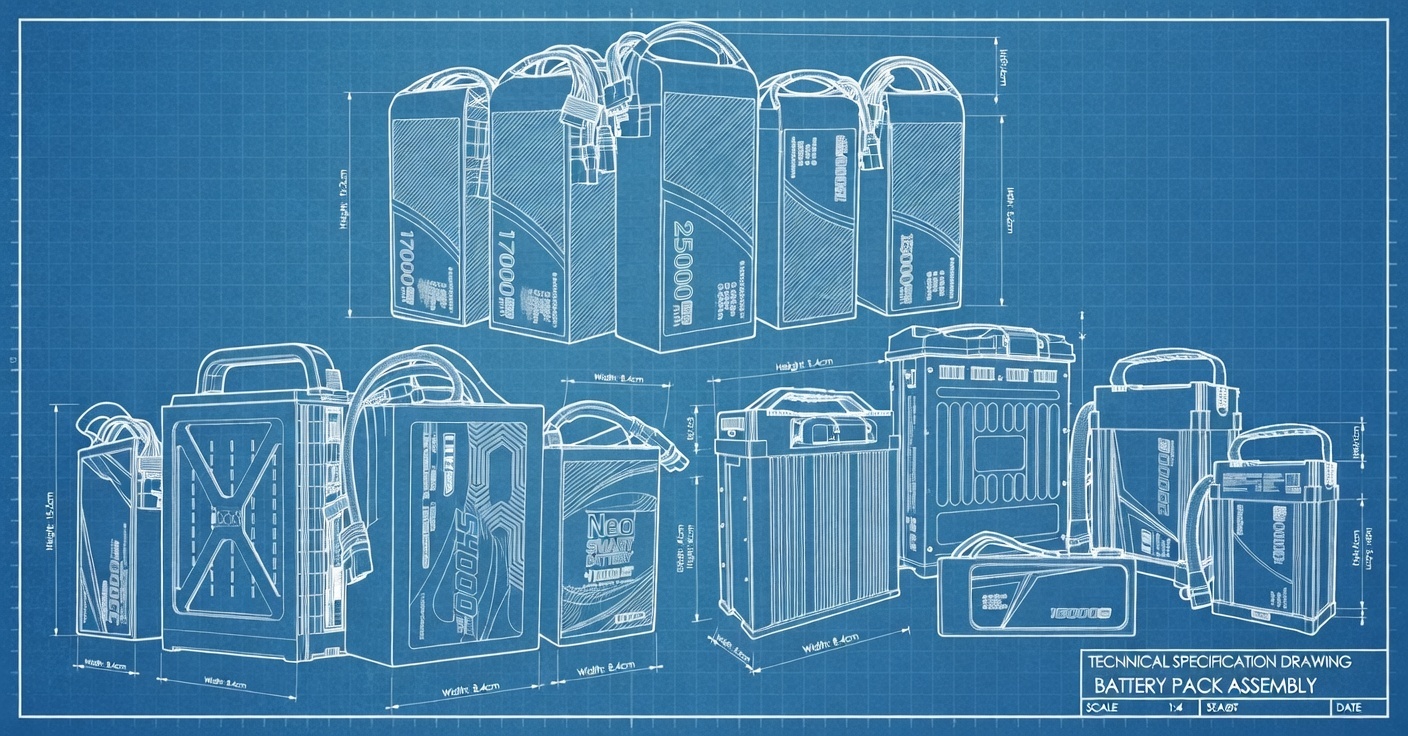
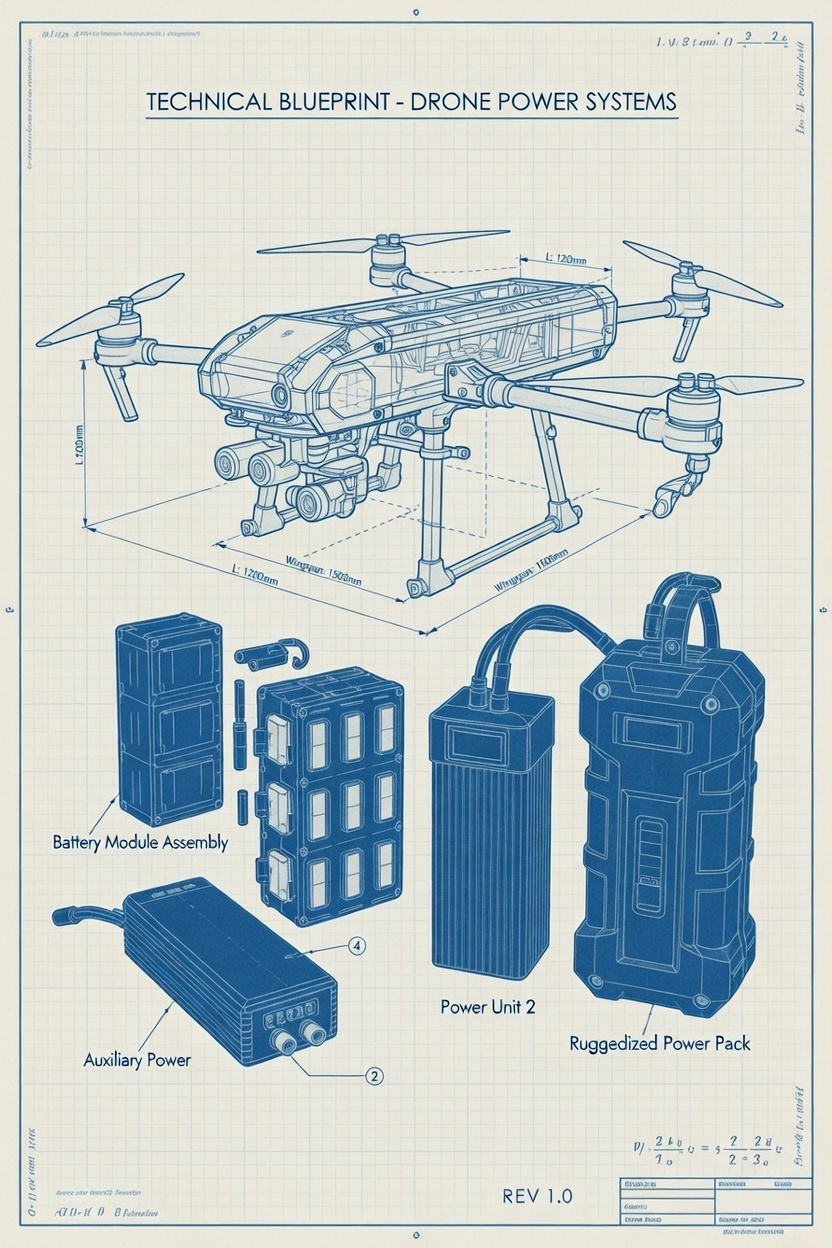
- Customizable Form Factors: Modular battery designs that integrate seamlessly with your existing inspection drone fleet, from compact quadcopters to heavy-lift industrial drones.
- Rigorous Validation Process: Each battery undergoes 1,000+ thermal cycles, 50+ vibration tests, and 100+ real-world field trials before release.
Unlike generic drone batteries, CNS batteries are engineered with infrastructure inspection in mind. We don’t just sell batteries—we deliver mission-critical power solutions that enable your inspection teams to work confidently in any weather, any season, anywhere.
Why Choose CNS for Your Infrastructure Inspection Battery Needs?
Infrastructure inspection isn’t just about capturing images—it’s about gathering accurate, reliable data to inform critical maintenance decisions. When your drone battery fails due to temperature limitations, you’re not just losing a flight; you’re potentially missing critical structural issues that could lead to future failures.
CNS Battery’s commitment to innovation is reflected in our approach to infrastructure inspection applications. We’ve invested in specialized R&D facilities that simulate the full range of environmental conditions drones encounter during infrastructure assessments. Our engineering team collaborates directly with inspection professionals to understand their specific operational challenges, ensuring our battery solutions address real-world pain points.
For example, our recent collaboration with a major pipeline inspection company in the Middle East led to the development of a battery system that maintained 88% capacity at 65°C, enabling continuous inspection operations during the hottest months of the year. This solution directly prevented $2.1M in potential project delays and safety risks.
Explore Your Customized Infrastructure Inspection Battery Solution
Don’t let temperature limitations compromise your infrastructure inspection mission. CNS Battery’s wide-temperature drone batteries are engineered to deliver consistent, reliable performance when you need it most—whether you’re inspecting power lines in freezing winter conditions or scanning bridges in summer heat.
As a leading global drone battery manufacturer, we’re committed to helping your inspection operations achieve maximum efficiency and safety. Our team of battery specialists will work with you to design the perfect power solution for your specific infrastructure inspection requirements.
Ready to transform your inspection operations with reliable, temperature-resilient battery technology? Visit our contact page to request a customized solution today.