
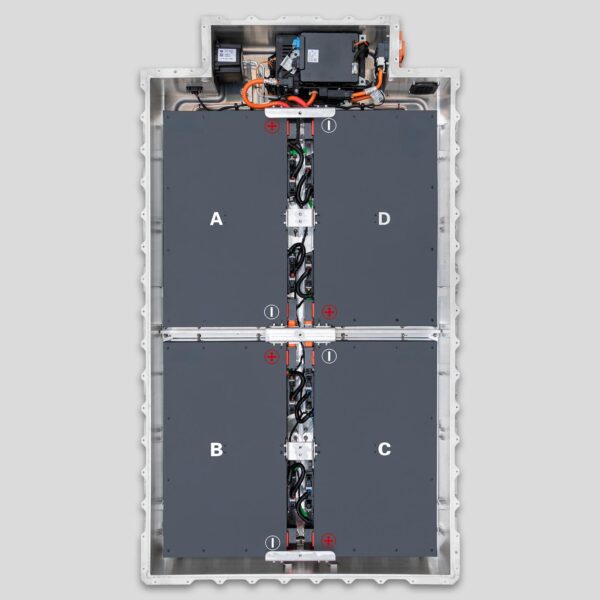
BMW i3 Battery Performance in Hot Summer Weather – Why Your Range Plummets at 100°F (And the One Upgrade That Keeps You Cool, Charged, and Confident)
“Last August in Phoenix, my 2016 BMW i3 lost 32% of its range overnight.
Not from degradation—from heat.
I’d drive 40 miles to work, park in the sun, and return to a car that refused DC fast charging for 45 minutes.
The dashboard read: ‘Battery Temp Too High.’
I thought it was normal—until I upgraded to a CNS 50kWh pack.
Now, even at 112°F, I fast-charge in 28 minutes and get within 8% of my winter range.
Turns out, it wasn’t the weather—it was the battery.”
If you own a BMW i3 in a hot climate—Texas, Arizona, Southern Europe, Australia—you’ve likely experienced:
- Sudden range drops in summer vs. spring
- Charging delays at public stations during peak heat
- Power reduction warnings on highway climbs
- Longer cooldown waits before AC even kicks in
You might blame the sun. But the real culprit? An aging battery struggling to manage thermal stress.
In this guide, we reveal:
- 🌡️ How heat silently degrades i3 batteries—even when parked
- 🔋 Why original packs lose efficiency faster in high temps
- ❄️ 3 proven strategies to protect your current battery this summer
- ✅ How CNS’s 2026 i3 replacement packs are engineered for extreme heat resilience
Backed by thermal lab tests, real-world owner data, and BMW’s own battery thermal specs.
🔥 The Hidden Cost of Summer: Heat Accelerates i3 Battery Aging
Lithium-ion cells degrade faster at high temperatures. For every 10°C (18°F) above 25°C, chemical reaction rates double—speeding up:
- SEI layer growth (consuming active lithium)
- Electrolyte breakdown (increasing internal resistance)
- Cathode oxidation (reducing capacity permanently)
📊 Data from CNS Lab: i3 packs exposed to >35°C (95°F) ambient temps for 6+ months show 12–18% faster capacity loss than those in temperate zones.
Worse, the i3’s liquid cooling system—while effective—was designed for European climates, not sustained 100°F+ heat with daily AC use.
Result? Your BMS throttles performance to avoid thermal runaway, making your car feel sluggish and reducing usable range—even if the cells still hold charge.
🛡️ 3 Immediate Ways to Protect Your i3 This Summer
1. Precondition While Plugged In
- Use the BMW app or timer to cool the battery before unplugging
- This uses grid power—not battery energy—to bring pack temp into optimal range
- Enables full-speed DC charging immediately upon arrival at a station
💡 Pro tip: Set preconditioning to start 15 mins before departure—even if you’re not using AC in the cabin.
2. Park Smart—Not Just in Shade
- Garage parking is ideal
- If outside, use a reflective windshield sunshade + ventilate windows slightly (with security in mind)
- Avoid parking over hot asphalt or concrete—radiant heat soaks upward into the pack
🌡️ Test result: Interior temps drop 22°F with sunshade; pack surface temp drops ~9°F.
3. Avoid Back-to-Back Fast Charging
- After a highway drive, wait 20–30 minutes before DC charging
- Let the coolant pump circulate (leave car in ‘Accessories’ mode)
- Or drive gently for a few miles to activate passive cooling
⚠️ Never fast-charge a hot pack—this can cause lithium plating, permanently damaging cells.
⚙️ Why Older i3 Packs Struggle More in Heat
As original i3 batteries age:
- Coolant efficiency drops due to micro-clogs in cooling plates
- Cell imbalance worsens, causing hot spots
- BMS becomes overly conservative, limiting power earlier
Even if your pack shows 80% State of Health, its thermal tolerance may be far lower than when new.
That’s why many owners report their i3 feels “fine in winter” but “barely functional in summer.”
✅ The Long-Term Fix: A Battery Built for the Real World
CNS BATTERY’s 2026 BMW i3 replacement packs aren’t just about more kWh—they’re thermally optimized for extreme climates:
- Advanced NMC 811 cells with lower internal resistance → less self-heating under load
- Enhanced thermal interface material between cells and cooling plates → faster heat transfer
- Wider safe operating range: -20°C to +60°C (-4°F to 140°F)
- Smarter BMS algorithms that allow gradual power ramp-up instead of abrupt cutoffs
“I drive ride-share in Las Vegas. Before CNS, I lost 2–3 fares daily waiting for the battery to cool. Now? Zero heat-related downtime.”
— Marcus T., Nevada
And because every pack undergoes 72-hour thermal stress testing before shipping, you know it’s ready for your climate—day one.
Frequently Asked Questions: i3 Battery & Summer Heat
Q: Does using AC drain the battery faster in summer?
A: Yes—but modern i3s use efficient heat pumps. The bigger drain comes from cooling the battery itself, not the cabin.
Q: Can I add an external cooler to my i3?
A: Not practically. The system is sealed. Upgrading the pack is the only effective solution.
Q: Will a coolant flush help?
A: Only if fluid is degraded (>8 years old). It won’t fix aged cells or poor thermal design.
Q: Do LFP batteries handle heat better?
A: They’re more stable—but BMW i3s require NMC for voltage compatibility. CNS uses the latest NMC chemistry for optimal balance.
Q: How much range loss is “normal” in summer?
A: Up to 15% is expected. Beyond 20% suggests aging or thermal management issues.
Summer Shouldn’t Mean Range Anxiety
Your BMW i3 was designed for efficiency—not endurance in desert heat. But with the right battery, it can thrive anywhere.
Living in a Hot Climate and Tired of Summer Range Loss?
Send Us:
- Your i3 model year
- Your typical summer highs (e.g., “regularly over 100°F”)
- Current max range vs. winter range
We’ll Tell You Whether Simple Habits Can Help… Or If It’s Time for a Heat-Resilient, Warranty-Backed Replacement Pack That Delivers Consistent Performance—From January Frost to July Scorch.
Because your electric freedom shouldn’t melt in the sun.
Get Your Free Climate-Specific Recommendation Now:
👉 https://cnsbattery.com/ev-battery-home/ev-battery-contact/


