Here is the SEO-optimized article tailored for your requirements.
🚀 Nissan Leaf Battery Upgrade: Powering Your Off-Grid Adventures
The open road is calling, but is your battery ready for the adventure?
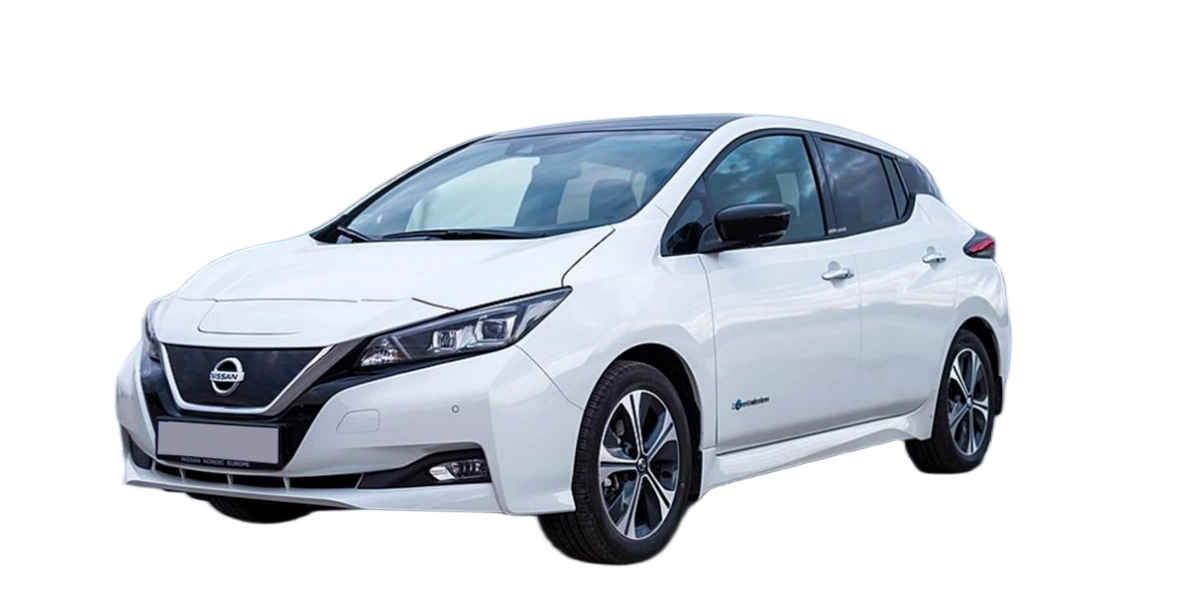
If you own a Nissan Leaf and dream of off-grid exploration, you know the limitations of a standard electric vehicle (EV) battery. Range anxiety and battery degradation are the two biggest hurdles preventing Leaf owners from truly experiencing the freedom of the wilderness.
As a professional in the EV battery replacement and upgrade industry, I’ve seen this scenario countless times. A customer loves their Leaf but feels trapped by the shrinking range. They want to camp in remote locations, explore national parks, or simply drive without constantly checking the next charging station.
The solution is clear: A Nissan Leaf battery upgrade is not just a repair; it is a transformation. It turns your standard commuter car into a capable off-grid adventure vehicle. This guide will walk you through the specific battery solutions available to maximize your range and reliability in the wild.
🛠️ Why Upgrade Your Nissan Leaf Battery for Off-Grid Use?
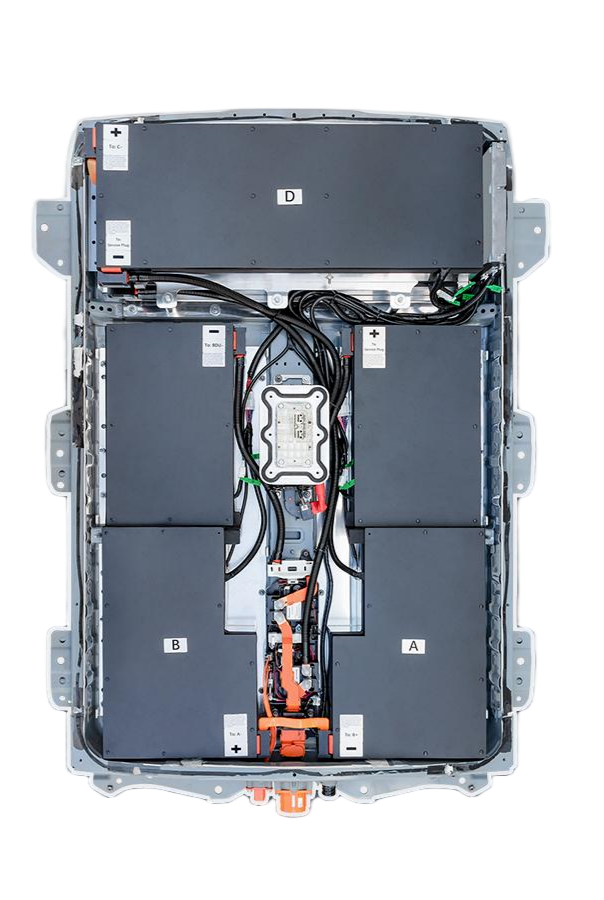
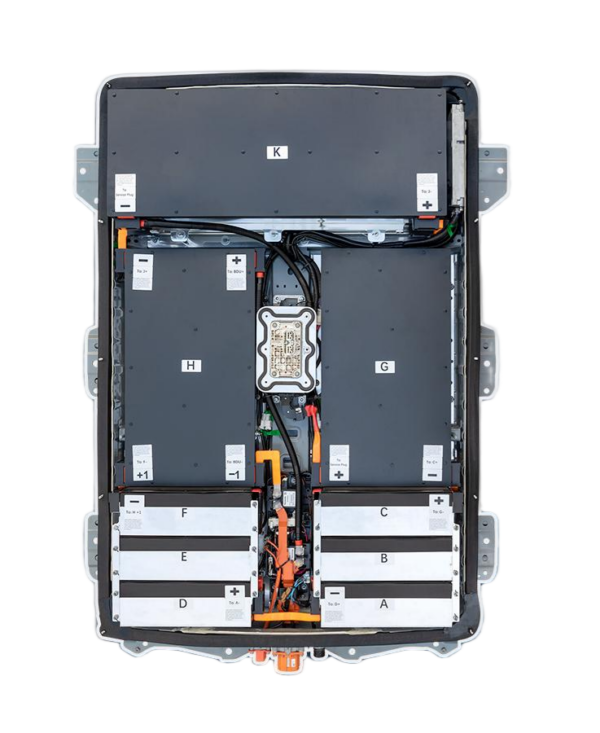
The standard Nissan Leaf batteries (24kWh, 30kWh, 40kWh) were designed for city commutes, not cross-country expeditions. If you plan on spending time off-grid, you need to address two critical factors: Capacity and Durability.
- Capacity is King: To travel off-grid, you need to minimize charging stops. Upgrading from a degraded 24kWh pack to a brand-new 62kWh or 68kWh pack can double your range, allowing you to travel further between charges.
- Durability for the Elements: Off-grid adventures mean exposure to extreme temperatures. You need a battery built with robust Battery Management Systems (BMS) to handle the heat of the desert or the cold of the mountains.
🔋 The Ultimate Upgrade: 62kWh & 68kWh Solutions
For the serious adventurer, the gold standard is the 62kWh or 68kWh lithium battery pack.
- Massive Range Increase: These packs utilize high-density NMC (Nickel Manganese Cobalt) chemistry. For off-grid use, this translates to a real-world range of approximately 260-290 miles (420km) on a full charge. This means you can drive all day without hunting for a charger.
- Plug-and-Play Compatibility: One of the biggest concerns adventurers have is installation. Will the new battery fit my Leaf? Will I need to modify the car? The answer is no. These upgraded packs are designed as Original Equipment Manufacturer (OEM) compatible solutions for the Nissan Leaf ZE0, AZE0, and ZE1 models. They are a direct replacement, requiring no chassis modifications.
- Future-Proofing: By upgrading to a larger capacity, you ensure your vehicle remains viable for years to come, even as charging infrastructure in remote areas slowly expands.
🌡️ Surviving the Elements: BMS & Thermal Management
When you are miles away from civilization, a battery failure is not an option. This is where the Battery Management System (BMS) becomes your lifeline.
- Intelligent Protection: A high-quality BMS monitors every cell in the pack. For off-grid use, this is crucial for preventing over-discharge (which can kill a battery if you drain it too low in the middle of nowhere) and over-voltage.
- Temperature Resilience: Based on our field data, adventurers often face temperature swings. Upgraded batteries feature advanced thermal management to ensure performance doesn’t drop drastically in freezing conditions—a common killer of EV range in winter camping scenarios.
💰 The Cost-Benefit Analysis: Adventure vs. Expense
Let’s talk numbers. Replacing a battery is a significant investment, but it is far cheaper than buying a new long-range EV.
- 50%+ Cost Savings: Upgrading your Nissan Leaf battery with a third-party solution can save you over 50% compared to dealer prices.
- Value Retention: By installing a brand-new 62kWh pack, you effectively turn a 10-year-old Leaf into a “new” car with modern range capabilities. It is the most cost-effective way to own a long-range electric vehicle for adventure.
🛠️ Installation: Can You DIY in the Wilderness?
Many of our customers are DIY enthusiasts who want to do the work themselves. The good news is that the Nissan Leaf battery upgrade is one of the most straightforward EV modifications.
- Time Commitment: For a professional technician, the installation takes roughly 1-2 hours.
- DIY Feasibility: While we recommend professional installation for warranty purposes, the process is essentially “unbolt the old, bolt in the new.” If you are stranded and need to swap, having the right tools (wrenches, screwdrivers) and a clear video guide is essential.
📝 Preparing for Your Off-Grid Journey
Before you hit the trail, here are a few tips for your upgraded Leaf:
- Carry a Portable Charger: Even with a 62kWh pack, carrying a portable EVSE (Electric Vehicle Supply Equipment) allows you to charge from standard 110V/220V outlets found in campgrounds or remote cabins.
- Monitor Your BMS: Use the diagnostic tools provided with your new battery to check cell health before departure. Ensure all cells are balanced.
- Plan for 20% Buffer: Never plan to use 100% of your range. Always keep a 20% buffer for safety, especially in hilly terrain where regenerative braking might not be sufficient.
❓ Frequently Asked Questions (FAQ)
Q1: Will upgrading my battery void my car’s warranty?
A: Generally, a battery replacement does not void the entire vehicle warranty. However, it may affect the powertrain warranty specifically. It is always best to check your specific vehicle’s warranty terms. Upgrading ensures you get a fresh warranty on the new battery pack itself (typically 2 years / 80,000 km).
Q2: Can I use a Leaf with a new battery for “Vehicle-to-Load” (V2L) to power camp equipment?
A: The standard Nissan Leaf is not equipped with a V2L (Vehicle-to-Load) or V2H (Vehicle-to-Home) discharge function. While the upgraded battery pack provides the energy, you would need an inverter connected to the DC fast charge port or the onboard charger port to tap into that power for camping gear, which can be complex and is not officially supported.
Q3: How long does the installation process take for a Nissan Leaf battery upgrade?
A: The physical installation of the battery pack typically takes 1 to 2 hours for a professional mechanic. This includes disconnecting the old power, removing the old pack, installing the new pack, and reconnecting the systems. We provide step-by-step video tutorials to guide the process.
Q4: Are these batteries compatible with all Nissan Leaf models?
A: Our upgraded battery packs are designed to be compatible with a wide range of Nissan Leaf models, including the ZE0, AZE0, and ZE1 series. Compatibility is based on OEM standards for voltage and interface matching. To ensure a perfect fit for your specific year and model, please use our VIN compatibility checker tool.
Q5: What is the warranty on an upgraded Nissan Leaf battery?
A: We offer a comprehensive warranty on our upgraded packs. Typically, this is a minimum of 2 years or 80,000 km (whichever comes first), covering defects in materials and workmanship. Some premium packs also offer prorated coverage for performance degradation, ensuring the battery maintains at least 70% capacity over the warranty period.
Ready to transform your Nissan Leaf into the ultimate off-grid machine? Don’t let a weak battery hold you back from your next adventure.
Get a Free Custom Quote for your Nissan Leaf Battery Upgrade today!