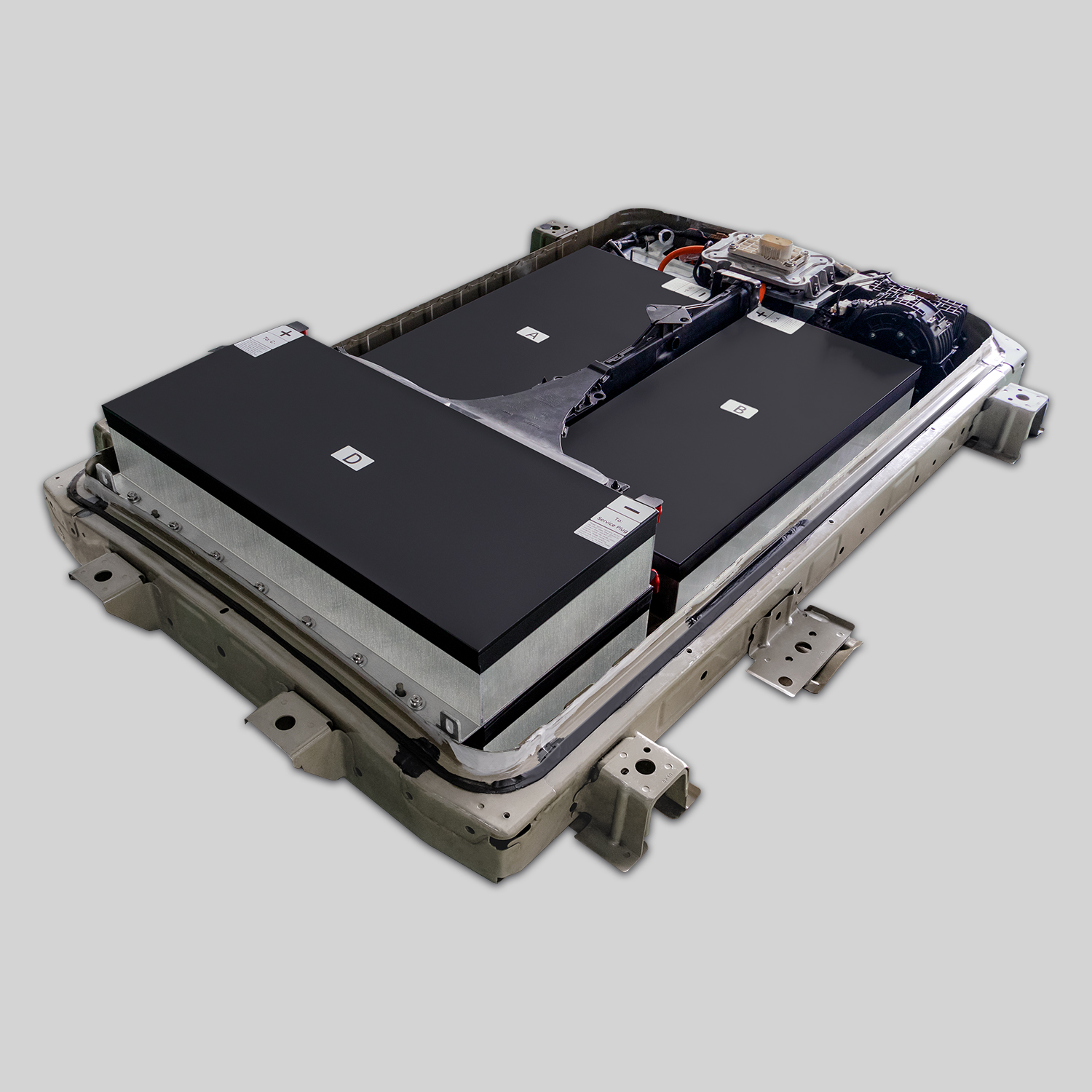
BMW i3 Battery Fuse Blown: How to Replace It Safely (And Why It Might Be a Symptom of a Bigger Problem)
“I Replaced the Fuse—It Blew Again in 10 Minutes. The Real Culprit Wasn’t the Fuse at All.”
You turn the key (or press ‘Start’) on your BMW i3—and nothing happens. No drive-ready light. No error messages. Just silence. You check the 12V battery—it’s fine. Then you scan for codes and see it: “High-Voltage System Deactivated” or “930715 – HVIL Circuit Open.”
After some digging, you discover the main high-voltage fuse inside the battery pack is blown.
Your instinct? “Just swap the fuse—it’s a $20 part.”
But here’s the hard truth: A blown HV fuse in a BMW i3 is almost never an isolated failure. It’s a red flag—a last-ditch safety response to a deeper electrical fault like a short circuit, insulation breakdown, or failing contactor.
Replace the fuse without fixing the root cause, and you risk repeated failures, BMS damage, or even fire.
So how do you handle this correctly? And when does a blown fuse signal that your entire pack needs replacement?
Let’s break it down—with safety first.
Understanding the BMW i3’s High-Voltage Fuse System
The i3’s traction battery contains a serviceable fuse block, typically housing:
- A 400A main DC fuse (protects the entire HV circuit)
- Smaller fuses for BMS, pre-charge, and cooling circuits
This fuse sits between the battery modules and the HV contactors. Its job? To instantly disconnect power if current exceeds safe limits—preventing catastrophic damage.
But unlike a household fuse, an HV fuse doesn’t blow from “old age.” It only trips due to:
- Internal short circuits (e.g., damaged busbar, cell puncture)
- Contactor welding (stuck closed, causing uncontrolled current flow)
- External faults (e.g., damaged cables, faulty charger, inverter failure)
⚠️ Critical: Never bypass or “bridge” a blown HV fuse. Doing so removes the last layer of protection—turning your i3 into a potential hazard.
🔧 Step-by-Step: Diagnosing Before You Replace
Do not install a new fuse until you’ve ruled out underlying faults:
- Disconnect the 12V battery (wait 10+ minutes for capacitors to discharge)
- Inspect all HV cables for melted insulation, rodent damage, or loose connectors
- Check contactor operation—they should click cleanly when energized
- Measure insulation resistance between HV+ / HV– and chassis ground (must be >1 MΩ)
- Scan for secondary codes—look for inverter, charger, or coolant pump faults
If you find any anomaly, the fuse is just the messenger—not the problem.
When Replacement Isn’t Enough: The Case for a New Battery Pack
Here’s what many owners discover too late: In aging i3 packs (2014–2018), blown fuses often stem from internal degradation:
- Corroded busbars creating micro-shorts
- Swollen cells pressing against conductors
- Failing contactors that arc and weld shut
Even if you replace the fuse and it “works” for a week, the same fault will likely recur—often with more severe consequences.
That’s why CNS BATTERY recommends a full system evaluation when a fuse blows in a pack over 6 years old.
The Safer, Smarter Solution: Upgrade to a CNS BATTERY Pack
Instead of playing whack-a-mole with fuses and contactors, consider a complete replacement with a modern, engineered pack:
✅ New 400A HV fuse pre-installed—tested under load before shipping
✅ Fresh contactors with gold-plated contacts—no arcing or sticking
✅ Brand-new CATL cells with zero internal defects
✅ Robust busbar design with anti-vibration mounts
✅ Full 2-year/80,000km warranty—covering fuse, contactors, and BMS
“My 2016 i3 blew its third fuse in two months. The dealer wanted $4,500 to ‘rebuild’ the pack. I switched to CNS BATTERY’s 50kWh unit. Zero issues in 14 months—no fuse drama, no warnings.”
— Javier R., Paris
Can You Replace the Fuse Yourself?
Only if you meet all these conditions:
- You’re HV-certified (or working under supervision)
- You have insulated tools and PPE (Class 0 gloves, face shield)
- You’ve confirmed no underlying fault exists
- You use the exact OEM-spec fuse (e.g., Eaton Bussmann 400A NH00)
For most owners, the risk outweighs the savings. A single mistake can result in lethal arc flash or permanent BMS damage.
When in doubt, replace the entire pack with a known-good system.
Frequently Asked Questions: BMW i3 Blown Battery Fuse
Q: Where is the HV fuse located?
A: Inside the battery pack, near the main positive terminal. Access requires removing the pack cover—only attempt after full HV isolation.
Q: Can a bad 12V battery cause the HV fuse to blow?
A: Indirectly, yes. If the 12V system fails during contactor engagement, it can cause partial contactor closure, leading to arcing and overcurrent.
Q: Does CNS BATTERY include a spare fuse?
A: Not needed—but we provide detailed service documentation and can supply replacement fuses to certified shops upon request.
Q: Will replacing the pack reset all HV errors?
A: Yes. A new CNS pack comes with a factory-calibrated BMS and communicates seamlessly with the car—clearing historical faults after installation.
Q: How much does a standalone fuse cost?
A: $15–$30—but labor to safely access and test it often exceeds $500. Most owners find full pack replacement more economical long-term.
Don’t Treat the Symptom—Fix the System
A blown fuse is your BMW i3’s way of saying, “Something is dangerously wrong.” Ignoring that warning—or applying a band-aid fix—puts you, your vehicle, and others at risk.
The responsible path? Restore confidence with a complete, tested, and warrantied battery system.
Ready to End Fuse Failures for Good?
Get a new 50kWh or 62kWh BMW i3 battery with integrated safety components, factory-tested reliability, and expert technical support—so you never worry about blown fuses again.
Click below to contact our team and solve your HV issue the right way:
👉 https://cnsbattery.com/ev-battery-home/ev-battery-contact/