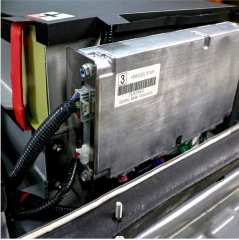
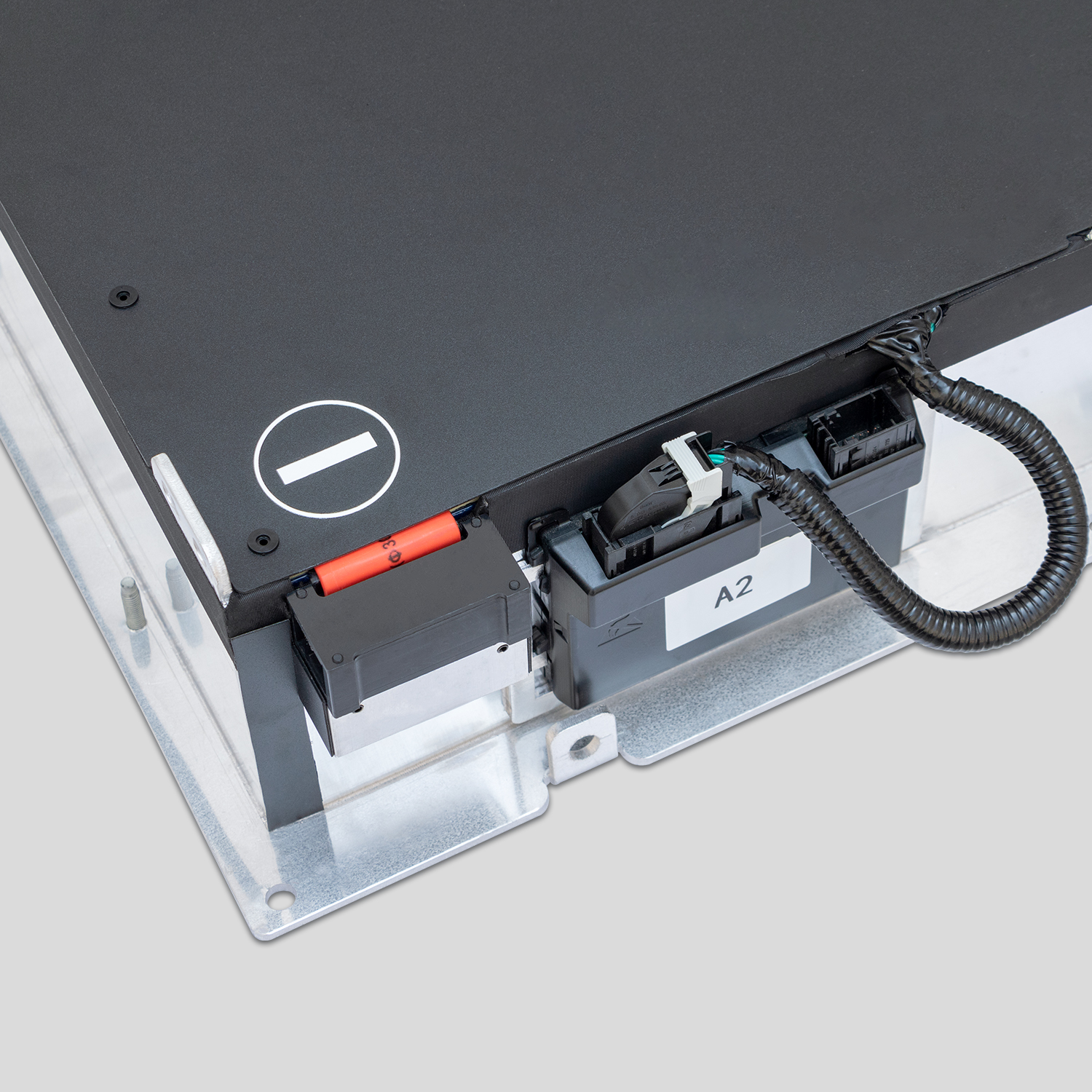
How to Install a New Battery in a Nissan Leaf e+
Upgrading the battery in your Nissan Leaf e+ (specifically the high-capacity 62kWh models) is a significant step towards reviving your vehicle’s range and performance. Whether you’re facing degradation or planning a proactive upgrade, the process requires precision, safety awareness, and the right tools.
At CNS BATTERY, we specialize in providing OEM-compatible Nissan EV battery solutions. Leveraging our decade of R&D experience and using premium brand-new CATL cells, we ensure that our battery packs are engineered to meet original factory standards. This guide is designed to walk you through the installation process, helping you understand what to expect when you choose a high-performance replacement.
🛡️ Safety First: Preparing for the Swap
Before you begin the physical installation, safety is paramount. Lithium-ion batteries store high voltage, and improper handling can lead to serious injury or damage.
Essential Precautions:
- Disconnect Power: Ensure the vehicle is completely powered down and the 12V auxiliary battery is disconnected to cut off the main power supply.
- Personal Protective Equipment (PPE): Always wear insulated gloves and safety goggles.
- Environment: Work in a dry, well-ventilated area free from flammable materials.
Expert Tip: If you are not a certified technician, we strongly recommend consulting our 24/7 Technical Support Team. We offer remote video guidance to ensure your safety during the setup.
🛠️ Step-by-Step Installation Guide
The Nissan Leaf e+ battery replacement is generally a “Plug-and-Play” operation when using a compatible unit like those from CNS BATTERY. However, attention to detail is crucial.
1. Removing the Old Battery Pack
- Lift the Vehicle: Use a hydraulic lift or jack stands to access the undercarriage safely.
- Remove Undertray: Carefully unscrew the plastic undertray to expose the battery casing.
- Disconnect Cables: Locate the main positive and negative terminals. Remove the nuts securing the high-voltage cables. Label these cables to ensure correct reconnection later.
- Unbolt the Pack: Remove the mounting bolts securing the battery to the chassis. The pack is heavy (approx. 300kg), so use a transmission jack or battery lift cart to support it.
- Lower and Remove: Slowly lower the old battery pack and slide it out from underneath the vehicle.
2. Installing the New CNS Battery
- Positioning: Slide the new CNS battery pack into position. Our packs are designed to match the OEM dimensions of the Leaf e+ (ZE1) chassis.
- Secure Mounting: Reinstall the mounting bolts and torque them to the manufacturer’s specifications to ensure a secure fit.
- Reconnect Cables: Attach the high-voltage cables to the new terminals. Ensure the connections are tight and secure to prevent arcing.
- Reinstall Undertray: Replace the plastic undertray to protect the battery from road debris.
3. System Integration and BMS Programming
This is the most critical step. A new battery requires the Battery Management System (BMS) to be initialized.
- Diagnostic Tool: You will need a Nissan Consult diagnostic tool (or equivalent).
- Programming: Connect the tool to the OBD-II port and perform the “Battery Replacement” or “BMS Coding” procedure. This teaches the car’s computer the new battery’s capacity and parameters.
- Test Drive: After coding, perform a short test drive to ensure the State of Charge (SOC) calculates correctly and there are no error codes.
💡 Why Choose a CNS BATTERY for Your Leaf e+?
When upgrading a specific model like the Leaf e+, compatibility and cell quality are non-negotiable.
- OEM-Grade Fitment: We design specifically for Nissan models, including the Leaf ZE1 (e+). You won’t need to modify wiring harnesses or brackets.
- Premium Cell Technology: Unlike refurbished units, CNS uses brand-new CATL lithium-ion cells. This ensures superior thermal management and longevity compared to recycled cells.
- Unbeatable Warranty: We back our confidence with a 2-year / 80,000 km warranty. This covers defects and guarantees the battery maintains at least 70% capacity during the warranty period.
- Cost Efficiency: Save over 50% compared to dealership prices without sacrificing safety or performance.
📈 Frequently Asked Questions (FAQ)
Q1: Is the installation process different for the Leaf e+ (62kWh) compared to older Leaf models?
Yes. The Leaf e+ (specifically the ZE1 platform) has a different battery chemistry (NCM) and physical dimensions compared to the older ZE0 models. It is crucial to select a battery pack specifically designed for the Leaf e+ to ensure the brackets, connectors, and BMS protocols match perfectly. Using a ZE0 pack on a ZE1 car (or vice versa) is not compatible.
Q2: Do I need special tools for the BMS programming?
Yes. You will need a professional OBD2 scanner capable of performing “Body Electrical” or “Powertrain” coding, such as the Nissan Consult III or Consult IV, or third-party tools like Autel or XTOOL with the appropriate software. If you do not have access to this equipment, please contact our support team for guidance on local service centers.
Q3: How much can I save by choosing CNS BATTERY over the original manufacturer?
CNS BATTERY solutions typically cost about 50% less than purchasing a new battery directly from the Nissan dealership. For example, while a dealer might quote over $15,000, a CNS 62kWh pack offers the same OEM standard performance at a fraction of the price, making it the most cost-effective way to extend your vehicle’s life.
Q4: What if I encounter a wiring issue during installation?
Don’t panic. Our technical experts are available to assist. We offer free video call installation guidance. Simply schedule a call with our customer service, and an engineer will walk you through the wiring step-by-step via Zoom or Line to ensure a successful connection.
Ready to restore your Nissan Leaf e+ to its former glory? Don’t let a degraded battery limit your range.