The Future of e-NV200 Combi in Canada: Battery Swaps vs New Sales
The Nissan e-NV200 Combi has carved a unique niche in the Canadian market, blending the practicality of a van with the eco-consciousness of an electric vehicle. For many Canadian families and small businesses, it remains a beloved workhorse for daily commutes, deliveries, or weekend adventures. However, as the Canadian winters test the limits of lithium-ion chemistry and odometers climb, owners face a critical crossroads: Is it smarter to swap your aging battery or trade in for a brand-new electric van?
This decision isn’t just about fixing a car; it’s about maximizing value in a market where new EV prices remain high and supply chain logistics can be complex. As a specialist in Nissan EV powertrains, I’ve helped countless owners across North America navigate this exact dilemma. Let’s break down the economics, technology, and future viability of the e-NV200 Combi in Canada.
Why the e-NV200 Combi Still Matters in Canada
Before diving into the “swap vs. new” debate, it’s important to recognize why this vehicle still holds value. Unlike the standard e-NV200, the Combi variant (often featuring passenger seats alongside cargo space) serves a dual purpose. It’s a family hauler capable of fitting hockey gear and car seats, or a mobile office for technicians.
For Canadian fleets and individuals, the appeal lies in its proven reliability and lower entry cost compared to newer BEVs (Battery Electric Vehicles). However, the Achilles’ heel of any aging EV is battery degradation. If your e-NV200 Combi is suffering from reduced range or “Turtle Mode” (where the vehicle limits power due to low battery health), you have two primary paths forward.
The Case for Battery Swapping: Revitalizing Your Current Ride
Battery swapping, or more accurately, battery pack replacement, is emerging as a powerful economic alternative to buying new. This isn’t about patching up old cells; it’s about installing a brand-new, high-capacity lithium-ion heart into your existing chassis.
1. The Economic Advantage
Let’s look at the math. A brand-new electric van in Canada can easily cost upwards of $50,000 CAD after taxes and fees. In contrast, replacing the battery pack in your current e-NV200 Combi with a premium solution can cost significantly less—often saving you 50% or more compared to new vehicle prices.
2. Overcoming “Winter Range Anxiety”
Canadian winters are brutal on EVs. Older e-NV200 models (especially the 24kWh or early 40kWh variants) struggle to maintain range when temperatures drop below freezing. By replacing the battery with a modern, high-quality 40kWh or 50kWh lithium-ion pack, you not only restore the original range but often exceed it. Modern Battery Management Systems (BMS) are also better equipped to handle thermal regulation, ensuring your Combi remains usable even during a Toronto winter or a Vancouver rainy season.
3. Environmental & Logistical Impact
Replacing a battery is inherently greener than scrapping a functional vehicle. The chassis, motor, and interior are all still viable. By opting for a swap, you avoid the massive carbon footprint associated with manufacturing a new vehicle. Furthermore, you avoid the wait times and supply chain issues often associated with new EV deliveries in Canada.
The Case for New Sales: When to Upgrade
While battery swapping is compelling, there are scenarios where buying new makes sense.
1. Technological Obsolescence
If your e-NV200 Combi is a very early model, the supporting electronics or safety features might be outdated. Newer EVs offer advanced driver-assistance systems (ADAS), faster DC charging capabilities, and significantly higher energy densities (e.g., 62kWh+ ranges becoming standard).
2. Warranty & Peace of Mind
A new vehicle comes with a comprehensive manufacturer’s warranty. While independent battery suppliers offer robust warranties (such as the industry-leading coverage available through specialized providers), some risk-averse buyers prefer the security of a dealership-backed guarantee.
3. Depreciation of Older Chassis
As the EV market matures, the resale value of older chassis (like the e-NV200) may depreciate faster. If the cost of replacing the battery approaches 60-70% of the car’s current market value, the financial math might tip toward purchasing a newer, depreciated used EV rather than refurbishing an old one.
The Verdict: Which Path is Right for You?
For the vast majority of e-NV200 Combi owners in Canada, battery replacement represents the future. It transforms a vehicle that might be showing its age into a reliable, modern EV without the sticker shock of a new purchase.
Here is a quick comparison to help you decide:
| Factor | Battery Replacement (Swap) | Buying New |
|---|---|---|
| Cost | Low (Approx. 30-50% of new battery cost) | High (Full MSRP + taxes) |
| Timeline | Fast (Procurement and installation) | Slow (Ordering queues, shipping) |
| Range | Restored to factory specs or upgraded | Factory specs (Usually higher) |
| Environmental Impact | Low (Reuses existing chassis) | High (New manufacturing footprint) |
| Best For | Budget-conscious owners, DIYers, specific use cases | Tech enthusiasts, those needing latest safety features |
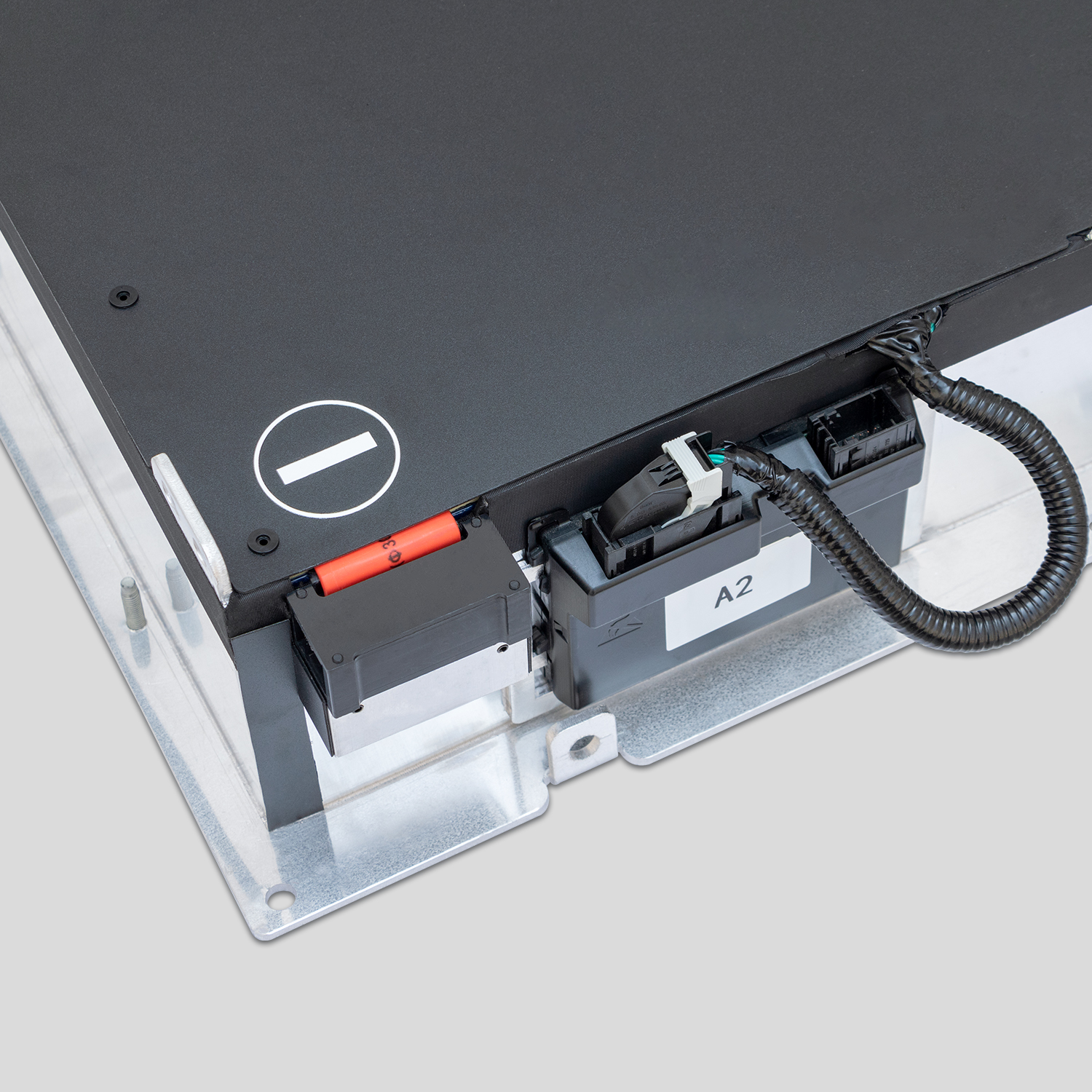
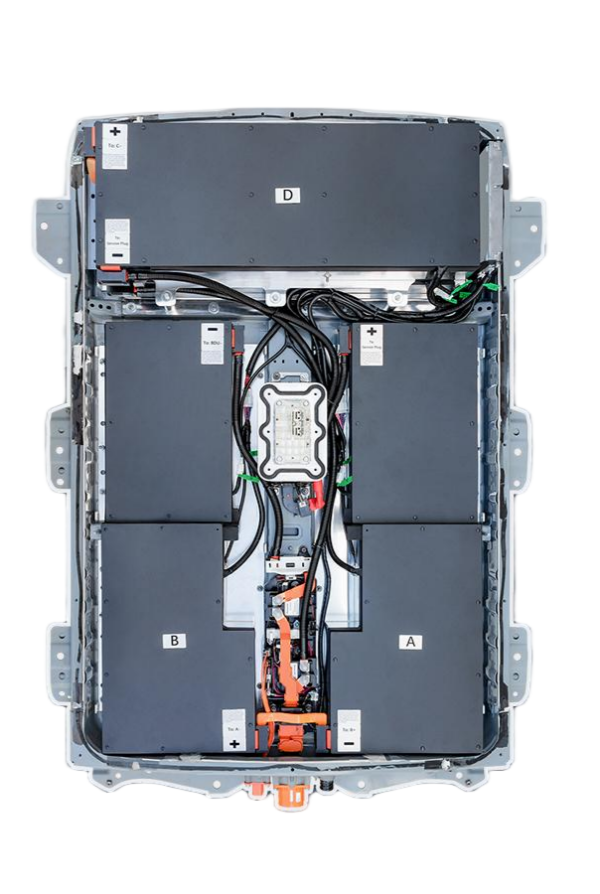
Key Insight: The technology behind lithium-ion batteries has improved dramatically in the last five years. Today, you can source a brand-new 40kWh or 50kWh lithium battery pack specifically designed for the Nissan e-NV200. These packs utilize cells from top-tier manufacturers (like CATL) and are engineered to fit the OEM footprint perfectly.
This means you don’t have to compromise on safety or performance. You get a “new” battery that integrates seamlessly with your Combi’s existing systems, often coming with a substantial warranty (such as 2 years or 80,000 km).
Why Quality Matters in Canadian Conditions
When considering a battery swap, the quality of the cells is non-negotiable. Canada’s climate demands batteries that can handle thermal expansion and contraction.
- Cell Grade: Insist on brand-new, A-grade cells. Avoid refurbished or salvaged modules, as they are prone to swelling and rapid degradation, especially under the stress of Canadian winters.
- Battery Management System (BMS): A robust BMS is your car’s immune system. It protects against overcharging, deep discharging, and overheating. Ensure the replacement pack has a BMS compatible with Nissan’s software protocols to avoid “Check Battery” errors.
- Structural Integrity: The battery casing must be durable enough to handle the road conditions across different provinces, from the salty roads of Eastern Canada to the mountain passes of British Columbia.
Moving Forward with Confidence
The future of the e-NV200 Combi in Canada doesn’t have to end at the scrapyard. With the right battery solution, these vehicles can continue to serve families and businesses for years to come.
If you are sitting on a garage in Mississauga, Montreal, or Calgary wondering whether to fix or flip your e-NV200 Combi, consider this: Replacing the battery is often the most sustainable and economical form of “new” sales. You are essentially buying a new powertrain for a fraction of the cost.
For those ready to explore their options, getting a quote for a custom battery solution is the first step toward revitalizing your vehicle.
Ready to Restore Your Range?
Don’t let battery degradation limit your e-NV200 Combi’s potential. Contact our technical experts now for a free, customized quote on a brand-new Nissan EV battery pack.
Frequently Asked Questions (FAQ)
1. Is it safe to replace an e-NV200 battery myself?
While the physical installation involves removing bolts and connectors (similar to changing a tire), the high voltage involved requires strict safety protocols. If you are mechanically inclined, many modern replacement packs are designed for “Plug-and-Play” installation. However, we strongly recommend having the final integration and BMS programming checked by a certified technician to maintain warranty validity and ensure safety.
2. How much does a new e-NV200 battery cost in Canada?
The cost varies based on capacity (kWh) and cell technology. Generally, you can expect the price to be significantly lower than dealership replacement costs. For the most accurate figure, it is best to get a quote based on your specific VIN and model year, as pricing can fluctuate with currency exchange and shipping logistics.
3. Will a new battery fix the “Turtle Mode” in my van?
Yes. “Turtle Mode” is triggered when the Battery Management System detects cells with critically low voltage or high resistance, often due to degradation. Installing a brand-new lithium battery pack with healthy cells will eliminate this error and restore full power output.
4. What is the warranty on a replacement battery pack?
Reputable suppliers offer comprehensive warranties. For instance, specialized manufacturers often provide a minimum warranty of 2 years or 80,000 km (whichever comes first), covering defects in materials and workmanship. Always verify the warranty terms regarding range retention (e.g., guaranteeing the battery maintains at least 70% capacity over the warranty period).
5. Can I upgrade the capacity of my e-NV200 battery?
While the e-NV200 typically uses specific pack sizes (24kWh, 30kWh, 40kWh), some advanced solutions allow for capacity upgrades within the same physical footprint using denser cell technology. You should consult with a technical expert to determine if your specific model (Combi or standard) is compatible with a higher kWh rating.