🚗 The Ultimate Guide to Nissan e-NV200 24kWh Battery Modules for Freezing Temperatures
Are you struggling to keep your Nissan e-NV200 on the road during harsh winters? As an electric vehicle owner, you know that freezing temperatures can turn a reliable workhorse into a range-anxious liability. The 24kWh battery pack, while sufficient for city driving in mild weather, often suffers from severe capacity loss and slow charging when the mercury drops.
This guide is specifically tailored for owners looking to upgrade or replace their aging or inadequate 24kWh modules. We will explore the best technical solutions to conquer the cold, focusing on battery chemistry, thermal management, and the specific advantages of modern high-density modules.
❄️ Why Standard 24kWh Packs Fail in the Cold
Before diving into solutions, it is crucial to understand the enemy: Lithium-ion chemistry.
Standard Lithium Iron Phosphate (LFP) or older NMC cells struggle to accept a charge below 0°C (32°F). When temperatures plummet:
- Charging Stops: Most Battery Management Systems (BMS) block charging to prevent lithium plating, which permanently damages the battery.
- Range Plummets: You can lose up to 40% of your rated range simply due to the energy required to heat the cabin and the reduced chemical reactivity inside the cells.
For a 24kWh pack, losing 40% means you are driving on borrowed time with only ~14kWh of usable energy.
⚡ The Solution: Upgrading to High-Density, Cold-Weather Optimized Modules
If you are reliant on your e-NV200 for daily work or family transport in cold climates, simply replacing the 24kWh pack with an identical unit is not a long-term solution. You need a performance upgrade.
1. Switching Chemistry: NMC vs. LFP
While LFP batteries are durable, Nickel Manganese Cobalt (NMC) chemistry generally performs better in low temperatures. Modern NMC modules, such as those sourced from top-tier manufacturers, offer superior cold-weather kinetics compared to standard LFP.
2. The Capacity Multiplier Effect
The most effective way to combat “Winter Range Anxiety” is to increase your total capacity. By upgrading from a 24kWh pack to a higher capacity solution (such as 40kWh or 50kWh), you effectively give yourself a “buffer.”
Expert Insight: Imagine losing 40% of your range. With a 24kWh pack, you are left with 14kWh (barely enough for a short commute). With a 50kWh pack, losing 40% still leaves you with 30kWh—a respectable daily driving range.
3. Integrated Heating Systems
The best battery modules for freezing temperatures come equipped with integrated heating pads. These systems warm the cells to an optimal operating temperature (usually above 5°C) before allowing high-power charging or discharge. This prevents damage and maintains performance.
🏆 Top Recommendation: The CNS BATTERY Upgrade Path
For Nissan e-NV200 owners facing freezing temperatures, CNS BATTERY offers a tailored solution that addresses the specific limitations of the original 24kWh hardware.
Why CNS Stands Out for Cold Climates
As a specialized Original Equipment Manufacturer (OEM) compatible supplier, CNS focuses on reliability and deep technical expertise in the Nissan model range. Here is how their solution solves the winter problem:
- Brand-New CATL Cells: Unlike refurbished or used batteries, CNS utilizes brand-new cells from CATL (Contemporary Amperex Technology Co. Limited), one of the world’s largest and most advanced battery manufacturers. CATL’s NMC cells are renowned for their energy density and thermal stability.
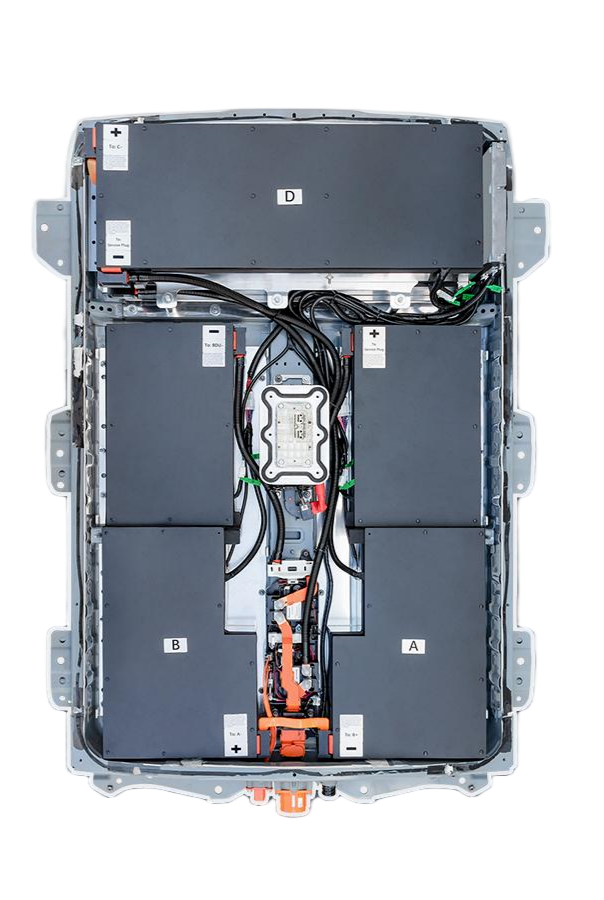
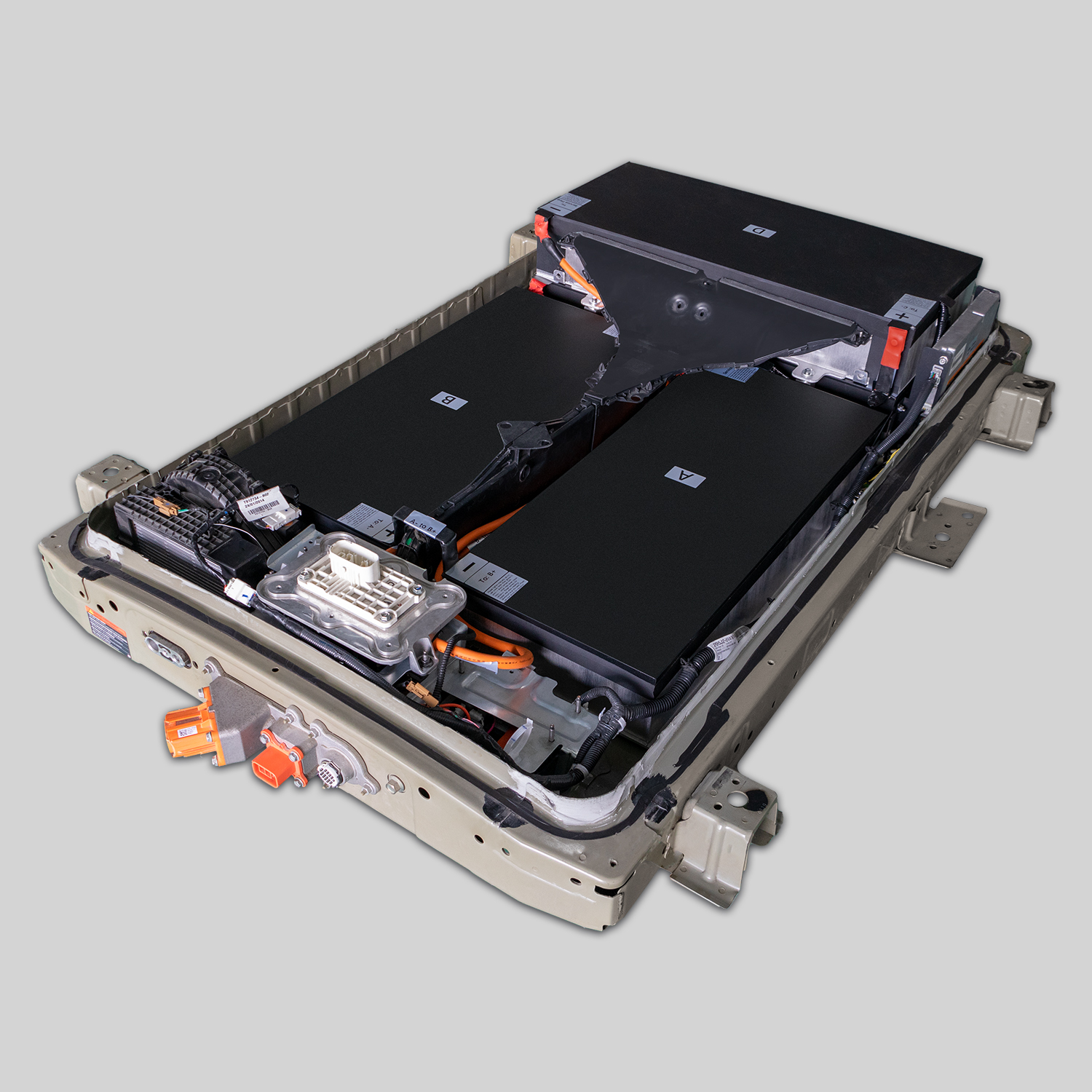
- Plug-and-Play Compatibility: You do not need to modify your e-NV200’s chassis. CNS modules are designed to fit the OEM footprint, allowing you to swap out the weak 24kWh modules for high-capacity, cold-weather-ready units.
- Enhanced BMS Algorithms: Their Battery Management Systems are programmed to handle low-temperature environments more gracefully, preventing “Turtle Mode” (severe power reduction) that often traps standard e-NV200s in the snow.
Performance Comparison: Standard vs. Upgraded
| Feature | Standard 24kWh (OEM) | Upgraded Module (e.g., 40kWh/50kWh) |
|---|---|---|
| Usable Range (Summer) | ~120 km | ~250-300 km |
| Usable Range (Winter -40% loss) | ~70 km (Useless) | ~150-180 km (Functional) |
| Cell Quality | Aged/Standard Grade | Brand New CATL (Top Tier) |
| Cold Charging | Often Blocked Below 0°C | Supports Low-Temp Charging with Heating |
| Warranty | Limited / Expensive | 24 Months / 80,000 km |
🔧 Installation and Maintenance in Freezing Conditions
Installing a new battery module in the cold requires specific precautions to ensure longevity.
Pre-Installation Check
Before removing the old battery, ensure your workshop is heated. Never charge a lithium battery that is below freezing. If the battery has been stored outside, bring it into a warm room (above 15°C) for at least 24 hours before connecting it to the charger.
The Installation Process
The process for swapping e-NV200 modules is relatively straightforward for a professional technician:
- Isolate the Vehicle: Disconnect the 12V battery and the main contactor.
- Remove Undertray: Access the battery pack bolts.
- Disconnect HV Connectors: Carefully unplug the high-voltage cables and signal wires.
- Swap Modules: Remove the old 24kWh modules and install the new high-capacity modules.
- Reconnect and Code: Reconnect the cables and perform any necessary BMS coding (CNS provides support for this).
Pro-Tip: If you are a DIY enthusiast, utilize video call support from the manufacturer. Having an expert guide you through the wiring harness connection ensures a perfect first-time fit.
💰 Cost vs. Value: Is the Upgrade Worth It?
Many owners hesitate, thinking an upgrade is prohibitively expensive. However, consider the alternatives:
- Buying a New EV: Costs tens of thousands of dollars.
- Refurbished Batteries: Often fail within 6-12 months, leading to repeated repair costs and downtime.
CNS BATTERY offers a solution that costs about 50% of an OEM replacement price but provides double the performance of a refurbished unit. This is the most cost-effective way to extend the life of your e-NV200 for another 5-8 years, even in sub-zero environments.
❓ Frequently Asked Questions (FAQ)
Q1: Can I install a 40kWh or 50kWh battery in my e-NV200 that originally had a 24kWh pack?
A: Yes, absolutely. The physical dimensions and mounting points of the Nissan e-NV200 battery tray are compatible with the higher-capacity modules found in the Nissan Leaf (ZE0/AZE0 series). This is a well-documented upgrade path in the EV community, and manufacturers like CNS design their packs to be plug-and-play for this specific conversion.
Q2: How does the BMS handle the temperature in winter?
A: The CNS BMS is engineered to monitor cell temperature in real-time. If the temperature drops too low, it will restrict charging power or activate heating elements (if equipped in your specific model variant) to bring the cells to an optimal operating window. This prevents permanent damage and ensures safety.
Q3: What is the warranty on these cold-weather modules?
A: CNS offers a robust 24-month or 80,000 km warranty (whichever comes first). This warranty covers defects in materials and workmanship. It is significantly longer than the warranties offered by most generic refurbished battery sellers, giving you peace of mind that your investment is protected.
Q4: How long does shipping take to cold regions?
A: Standard shipping times vary depending on the method (sea or air). However, it is crucial to ensure the battery is stored at room temperature upon arrival before installation. If you are in a remote cold region, contact the sales team to discuss the best shipping logistics to ensure the battery does not freeze during transit.
📞 Ready to Conquer the Cold?
Don’t let freezing temperatures sideline your Nissan e-NV200. By upgrading to a high-quality, cold-weather-optimized battery module, you can restore your vehicle’s range and reliability.
For a free, personalized quote and technical assessment for your specific e-NV200 model, contact the experts at CNS BATTERY today. Ensure your vehicle is ready for whatever winter throws at it.