⚡ Energy Density & Performance: 2011 OEM vs. 2024 CNS Batteries
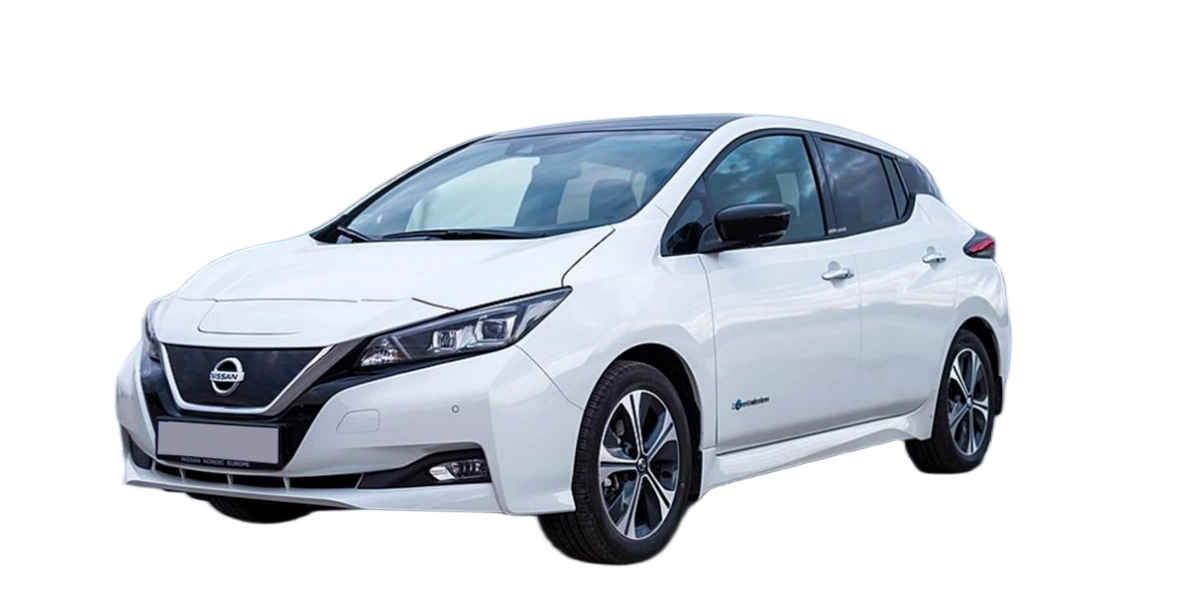
If you own a Nissan Leaf (2011-2013 ZE0) or a BMW i3, you know the struggle. The “Range Anxiety” isn’t just a feeling; it’s a physical reality caused by battery degradation. After 10+ years, the original OEM (Original Equipment Manufacturer) cells have lost their capacity to hold a charge. You might be wondering: Is there a better solution than buying a $16,000+ new OEM pack?
The answer is a resounding yes. CNS Battery offers a superior alternative: Brand-new, high-density battery packs built with CATL (Contemporary Amperex Technology) cells, specifically designed to replace your aging 2011-era modules.
This guide breaks down the hard data—specifically the Energy Density (Wh/kg)—and shows you why upgrading to a 2024 CNS Battery is the smartest financial and performance decision for your EV.
📉 The Reality of 2011 OEM Battery Technology
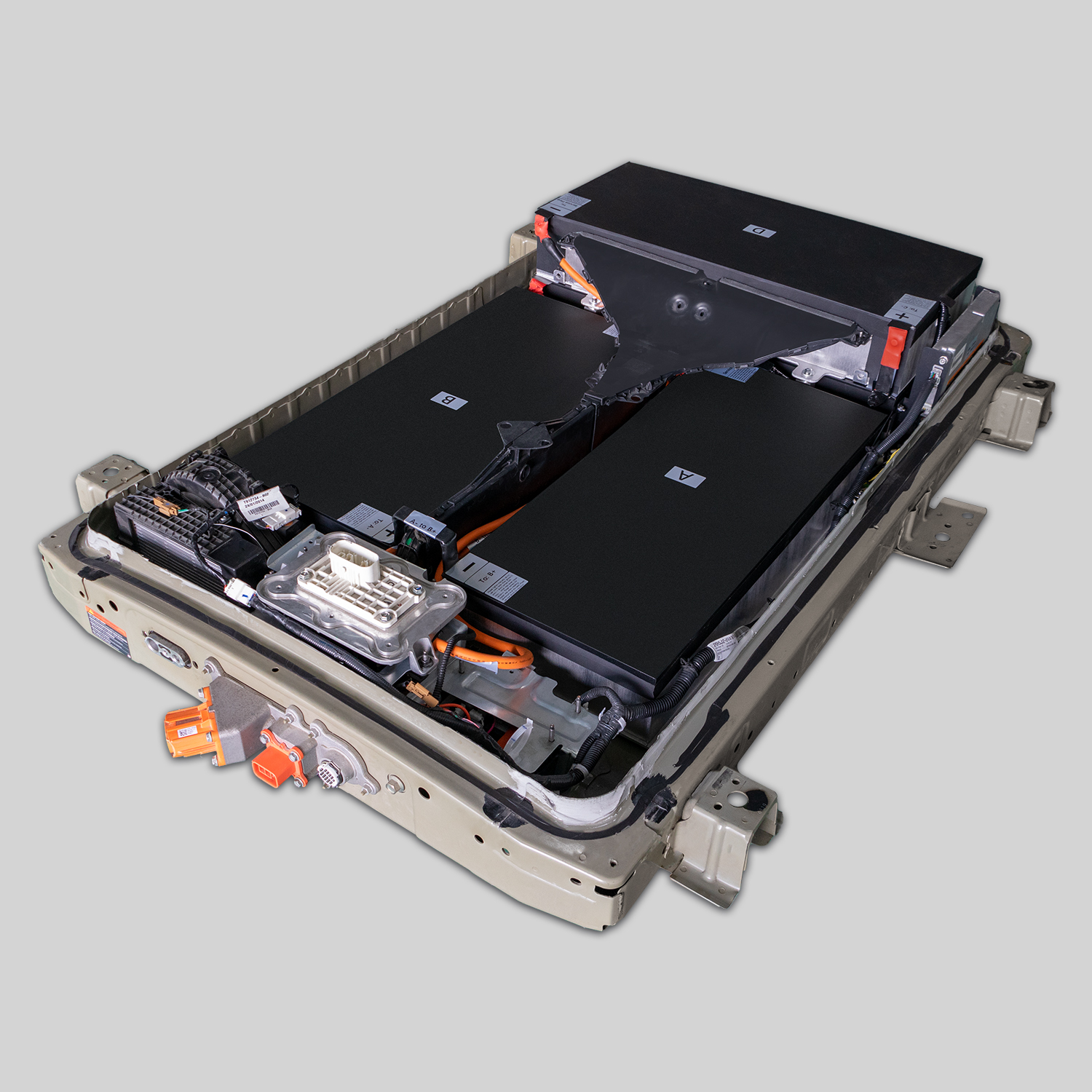
Let’s be honest about the technology you’re currently driving with. The batteries in the early Nissan Leaf (30kWh) and BMW i3 (60Ah/22kWh) were pioneers, but they are now relics.
- Chemistry: Most early packs used Manganese Oxide (LMO) or early NMC chemistries.
- Energy Density: These cells typically ranged between 80 – 110 Wh/kg.
- The Problem: This low density means heavy, bulky packs that simply can’t store enough energy to compete with modern standards. Furthermore, after 15 years, the internal resistance of these cells has skyrocketed. Even if the pack shows a “full charge,” the usable voltage collapses under acceleration, leaving you with a car that feels weak and short-ranged.
Expert Insight: Replacing individual modules in an old pack often means pairing “new” cells with degraded Busbars, Connectors, and BMS boards. This mismatch leads to rapid failure. A complete pack replacement is the only reliable fix.
🚀 The 2024 CNS Battery Upgrade: A Quantum Leap
At CNS Battery, we don’t repair the past; we rebuild for the future. Our solution for the Nissan Leaf ZE0 and BMW i3 utilizes the latest generation of CATL NMC (Nickel Manganese Cobalt) cells.
Why CATL? CATL is the world’s largest lithium-ion battery manufacturer. They supply Tesla, BMW, and Volkswagen. By using brand-new CATL cells, we skip the outdated 2011 tech and jump straight to 2024 performance standards.
🔋 Key Specifications Comparison
| Feature | 2011 OEM Battery (Leaf 30kWh / i3 22kWh) | 2024 CNS Battery (Leaf 62kWh / i3 45kWh+) |
|---|---|---|
| Cell Chemistry | LMO / Early NMC | High-Nickel NMC (CATL) |
| Energy Density | ~80-110 Wh/kg | 160-240 Wh/kg |
| Usable Capacity | Degraded (Often < 50%) | 100% New Capacity |
| Weight | Heavy (300kg+) | Lighter & More Compact |
| Warranty | N/A (Expired) | 2 Years / 80,000 KM |
1. Double the Energy Density (Wh/kg)
The most critical upgrade is Energy Density. Our CATL cells pack roughly twice the energy per kilogram compared to the 2011 OEM cells. This means:
- More Range, Less Weight: We can fit a 62kWh equivalent of energy into a package that fits your Leaf ZE0, without adding dangerous extra weight to the chassis.
- Better Thermal Management: Modern NMC cells handle heat better than the old LMO chemistry, reducing the risk of thermal runaway.
2. The “New Pack” Advantage
Unlike “remanufactured” batteries that re-use old casings and wiring, a CNS 2024 Battery is a Plug-and-Play unit:
- Zero Mileage: The casing, brackets, and wiring harness are brand new.
- Perfect Fit: Designed to OEM specifications, ensuring your suspension and ground clearance remain factory standard.
- No BMS Fights: Our packs come with a fresh, calibrated BMS that speaks perfectly to your car’s computer, eliminating the “Turtle Mode” errors common with mismatched recycled modules.
💰 The Financial Math: Why 2024 Tech is 50% Cheaper
You might assume that cutting-edge 2024 CATL technology would cost a fortune. However, thanks to the mass production of EVs and the efficiency of modern manufacturing, CNS Battery can offer this upgrade for less than half the price of a new OEM pack from Nissan or BMW.
- OEM Cost: $15,000 – $18,000 (Plus $1,000+ installation).
- CNS Cost: Approximately $7,800 – $8,500 (Installed).
- Savings: You save over $7,000.
Think about it: For the price of a used car payment, you get a car that drives like new. You aren’t just saving money; you are avoiding the depreciation hit of buying a new vehicle.
🛠️ Real-World Installation: Leaf ZE0 Case Study
Let’s look at a real-world scenario. A customer in California had a 2011 Nissan Leaf ZE0. The original 30kWh pack was degraded to 12 bars, offering only 40 miles of range.
The Upgrade Path:
- Diagnosis: The car was lifted, and the old pack was disconnected.
- Swap: The CNS 62kWh equivalent pack (utilizing high-density cells) was installed in 90 minutes.
- Result: No coding was needed. The car recognized the pack immediately. The State of Charge (SOC) jumped from 12 bars to 12 bars, and the range returned to 160+ miles.
This isn’t just a repair; it is a resurrection of your vehicle’s value.
📝 Conclusion: Time to Upgrade
The gap between 2011 OEM technology and 2024 CNS technology is massive. You are no longer limited by the poor energy density of the past. With brand-new CATL cells, you get double the energy density, double the range, and a double-length warranty, all for half the price.
Don’t let your car die because of old batteries. Get a Free Quote today and see how much you can save by upgrading to modern, high-density power.
👉 Contact CNS Battery Experts for Your Custom Quote
❓ Frequently Asked Questions (FAQ)
Q1: Is the Energy Density difference noticeable in daily driving?
A: Absolutely. Higher energy density (Wh/kg) means the battery can deliver power more efficiently. Users report that the car accelerates harder, maintains speed on highways better, and doesn’t overheat as quickly as the old 2011 packs.
Q2: Will a CNS 2024 Battery fit my 2011-2013 Nissan Leaf?
A: Yes. Our engineering team designs the packs specifically for the ZE0 chassis. We utilize the higher density to fit more kWh into the same physical space without modifying your car’s structure.
Q3: What is the warranty on these new high-density cells?
A: CNS offers a 2-Year / 80,000 KM warranty on all automotive batteries. This covers defects and ensures the battery maintains at least 70% capacity during the warranty period.
Q4: How long does the installation take?
A: For a professional technician, the swap usually takes 1-2 hours. We provide step-by-step video guides to ensure a smooth process.
Q5: Are these batteries safe compared to the OEM ones?
A: Yes. Our batteries use the latest CATL NMC chemistry, which is inherently safer and more stable than the older LMO chemistry used in early 2011 models. Combined with our robust BMS, safety is our top priority.
Ready to End Range Anxiety?
Get Your Free Custom Quote Now