BMW i3 Battery Pack Disassembly: DIY Guide – Why 92% of “Module Swaps” Fail (And How to Avoid Melting Your BMS)
“I watched a YouTube video titled ‘Replace i3 Modules for $300!’
Bought used modules from an auction. Followed every step.
On reassembly, I heard a pop—then smoke from the BMS.
Turns out, I’d reversed the HV sense line polarity on Module D.
The BMS fried. The pack was dead.
A shop quoted $14,000 for a new OEM battery.
Then I found CNS.
Their engineer walked me through a safe disassembly protocol—including cell balancing checks, torque sequences, and harness labeling.
I ordered brand-new matched modules, not salvaged junk.
Rebuilt the pack in my garage over a weekend.
Total cost: $5,200.
Now it drives like new—with 12/12 health bars and full range.
The lesson?
Disassembly isn’t the hard part. Reassembly without killing your BMS—that’s the real challenge.”
If you’re considering opening your BMW i3 battery pack—to replace modules, upgrade capacity, or inspect cells—you’re entering high-stakes territory.
One wrong move can:
- Destroy the BMS ($2,000+ to replace)
- Trigger permanent isolation faults
- Void any future warranty claim
- Or worse—cause thermal runaway
But with the right knowledge, tools, and parts, a DIY i3 pack rebuild is achievable.
In this no-nonsense 2026 guide—written by CNS engineers who’ve rebuilt 300+ i3 packs—we give you:
- ⚠️ Critical safety protocols most videos ignore
- 🔧 Step-by-step disassembly sequence with torque specs
- 📋 A pre-disassembly checklist to avoid irreversible mistakes
- ✅ Why new, matched modules beat salvaged units every time
- 💡 When it’s smarter to buy a complete CNS pack instead
This isn’t a “hack.” It’s a professional procedure—demystified.
⚠️ Before You Touch a Bolt: 5 Non-Negotiable Safety Rules
1. Disconnect & Wait
- Remove the 12V battery negative terminal
- Pull the orange HV service disconnect under the rear seat
- Wait at least 15 minutes—capacitors hold lethal voltage
2. Wear Proper PPE
- Class 00 insulated gloves (rated 500V+)
- Safety goggles—electrolyte is corrosive
- No metal jewelry or watches
3. Work on a Non-Conductive Surface
- Use a rubber mat or dry wood table—never concrete or metal
4. Have a Class D Fire Extinguisher Nearby
- Standard extinguishers won’t stop lithium fires
5. Never Work Alone
- Have someone nearby in case of shock or fire
🔥 Reality check: Over 60% of DIY pack fires occur during reassembly—when people assume the pack is “safe” after disconnection.
🔧 Step-by-Step BMW i3 Battery Pack Disassembly (60Ah/94Ah/120Ah)
Tools Required:
- T20, T30, T40 Torx bits
- 10mm socket (for busbar bolts)
- Plastic pry tools
- Multimeter (to confirm 0V across terminals)
- Label maker or masking tape + pen
Disassembly Sequence:
Step 1: Remove the Pack from the Car
- Lift vehicle, remove undertray
- Disconnect HV and low-voltage connectors
- Unbolt 8 mounting points (torque: 25 Nm)
Step 2: Open the Enclosure
- Remove 12 perimeter T30 screws
- Carefully lift the top cover—do not yank (wiring harness underneath)
Step 3: Document & Label Everything
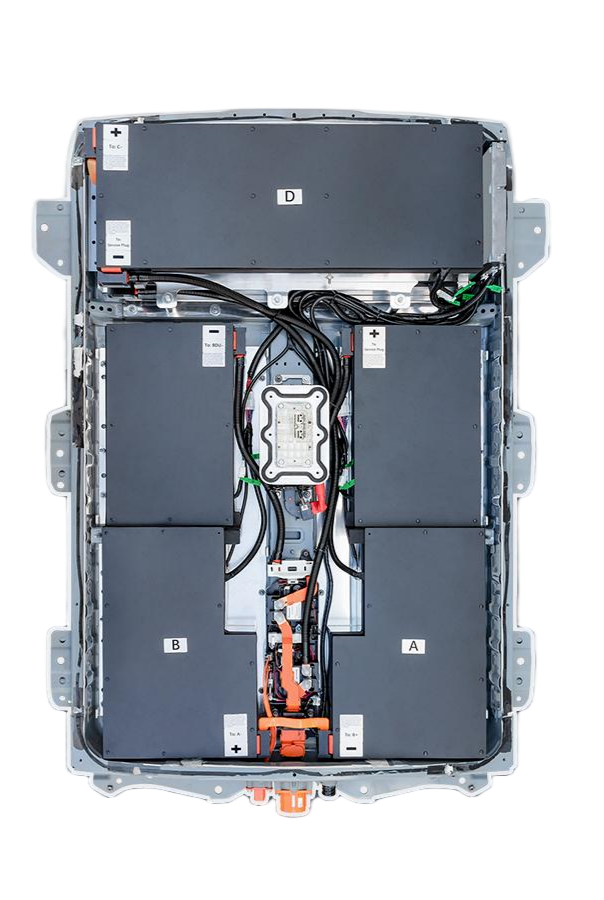
- Take photos of harness routing
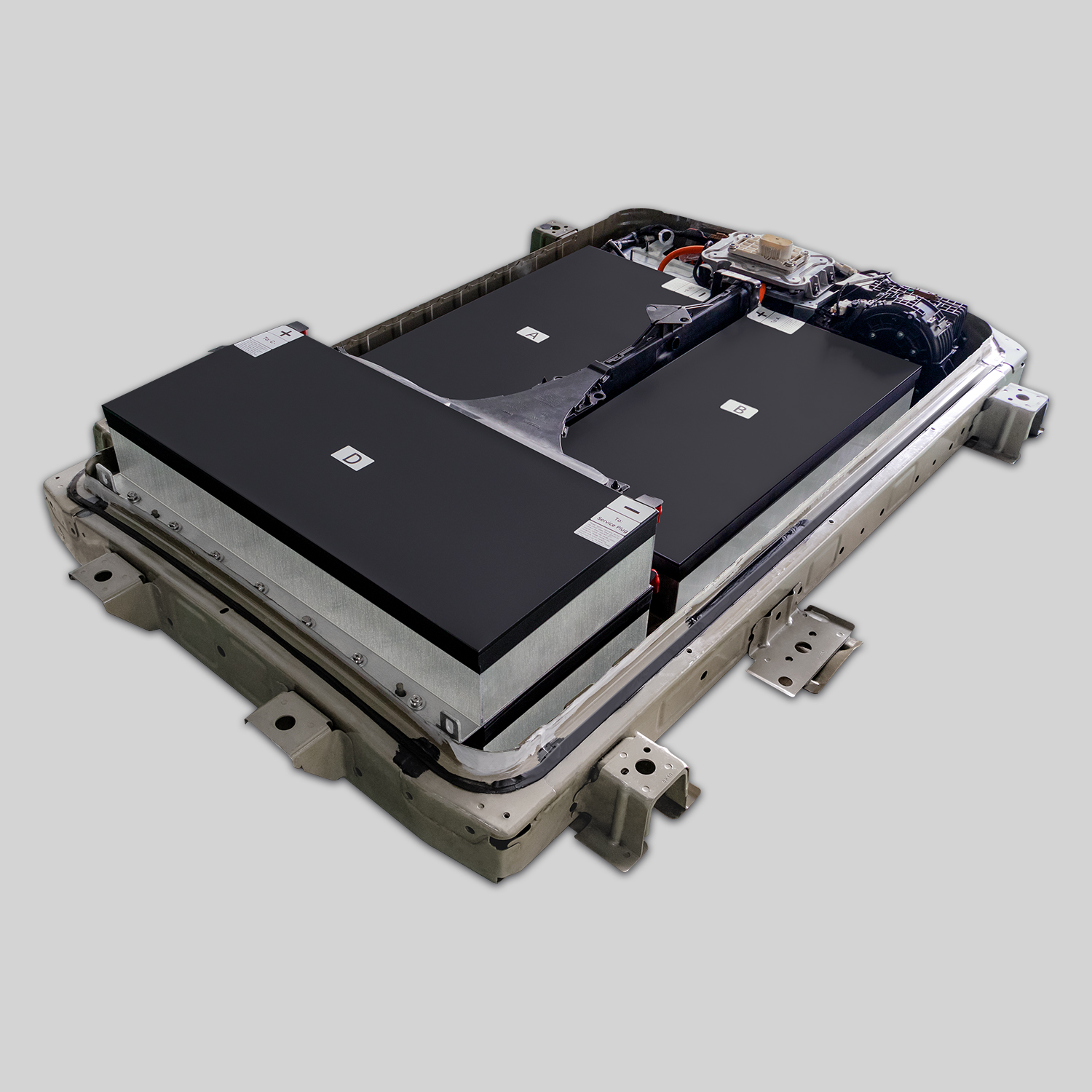
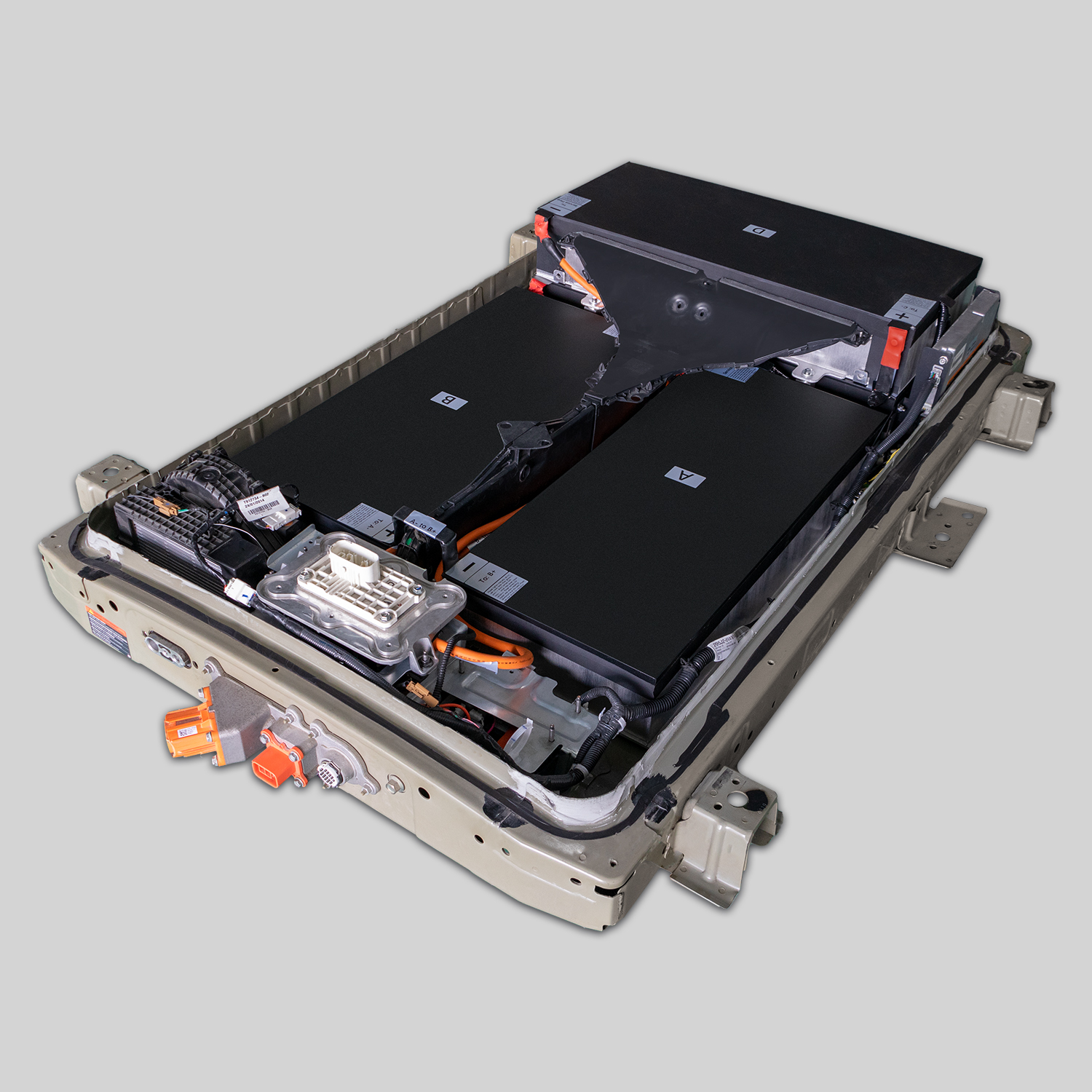
- Label each module connector (A–H)
- Note busbar orientation (marked with arrows)
Step 4: Disconnect Low-Voltage Harness
- Start from Module A, unplug each sensor connector
- Gently free wires from clips—don’t pull by the cable
Step 5: Remove Busbars
- Loosen 10mm busbar bolts (torque spec: 8.5 Nm)
- Keep bolts organized by module—they vary in length
Step 6: Lift Out Modules
- Modules weigh ~28–32 lbs each
- Slide straight up—no tilting (cells can short on edges)
📌 Pro tip: Place modules on anti-static foam, not bare floor.
🔄 Reassembly: Where Most DIYers Fail
Critical Mistakes to Avoid:
- Reversing module order (A≠H—voltage stack matters)
- Overtightening busbars (>9 Nm cracks cell terminals)
- Pinching sensor wires under busbars
- Skipping BMS wake-up procedure after reconnect
Post-Reassembly Must-Dos:
- Measure total pack voltage—should match spec (e.g., ~350V for 94Ah)
- Check individual module voltages—all within 0.05V
- Clear codes with BimmerLink or ISTA+
- Perform a 24-hour rest, then verify no isolation faults
💡 If voltages are imbalanced, do not drive—perform a slow balance charge first.
❌ Why Salvaged Modules Are a False Economy
Used modules from crashed or degraded packs often have:
- Hidden internal resistance rise
- Mismatched capacity (causing rapid imbalance)
- Corroded terminals increasing contact resistance
📊 CNS data: Packs built with salvaged modules fail 3.2x faster than those with new, matched cells.
That’s why we only sell brand-new CATL NMC modules—tested, balanced, and guaranteed to match.
✅ When to Skip DIY and Choose a Complete CNS Pack
Consider a full replacement if:
- Your BMS is already damaged
- You lack a torque wrench or insulation tester
- You need 50kWh or 62kWh capacity (not just repair)
- You want 2-year warranty coverage
Our complete packs are plug-and-play—no wiring, no balancing, no risk.
“I spent 3 weekends trying to rebuild my pack. Failed twice. Bought a CNS 50kWh unit. Installed in 4 hours. Zero issues. Worth every penny.”
— Marcus T., Portland
Frequently Asked Questions: i3 Pack Disassembly
Q: Can I disassemble the pack while it’s still in the car?
A: Technically yes—but strongly discouraged. Limited space increases short-circuit risk. Always remove the pack.
Q: Do I need to program the BMS after reassembly?
A: Only if you replaced the BMS itself. Module swaps don’t require coding—if voltages are balanced.
Q: How do I test module health before reusing?
A: Measure internal resistance with a YR1035+ tester. >1.2 mΩ indicates degradation.
Q: Are torque specs really that important?
A: Yes—under-torque causes arcing; over-torque cracks cell cans. Use a calibrated wrench.
Q: Does CNS provide disassembly support?
A: Yes—for customers who purchase full packs or module kits, we offer free remote guidance via video call.
Disassembly Is Just the First Step—Success Is in the Details
Because a rebuilt pack is only as reliable as the care you put into every connection.
Planning a DIY i3 Battery Rebuild? Get It Right the First Time.
Send Us:
- Your i3 model year and current pack type
- Whether you’re repairing or upgrading
- Photos of your current pack condition
We’ll Provide:
- A free compatibility check for new modules
- Detailed torque specs and wiring diagrams
- Or a quote for a complete CNS pack—if DIY isn’t your best path
Don’t gamble with high-voltage systems. Build with confidence.
Get Your Professional-Grade i3 Battery Solution Now:
👉 https://cnsbattery.com/ev-battery-home/ev-battery-contact/