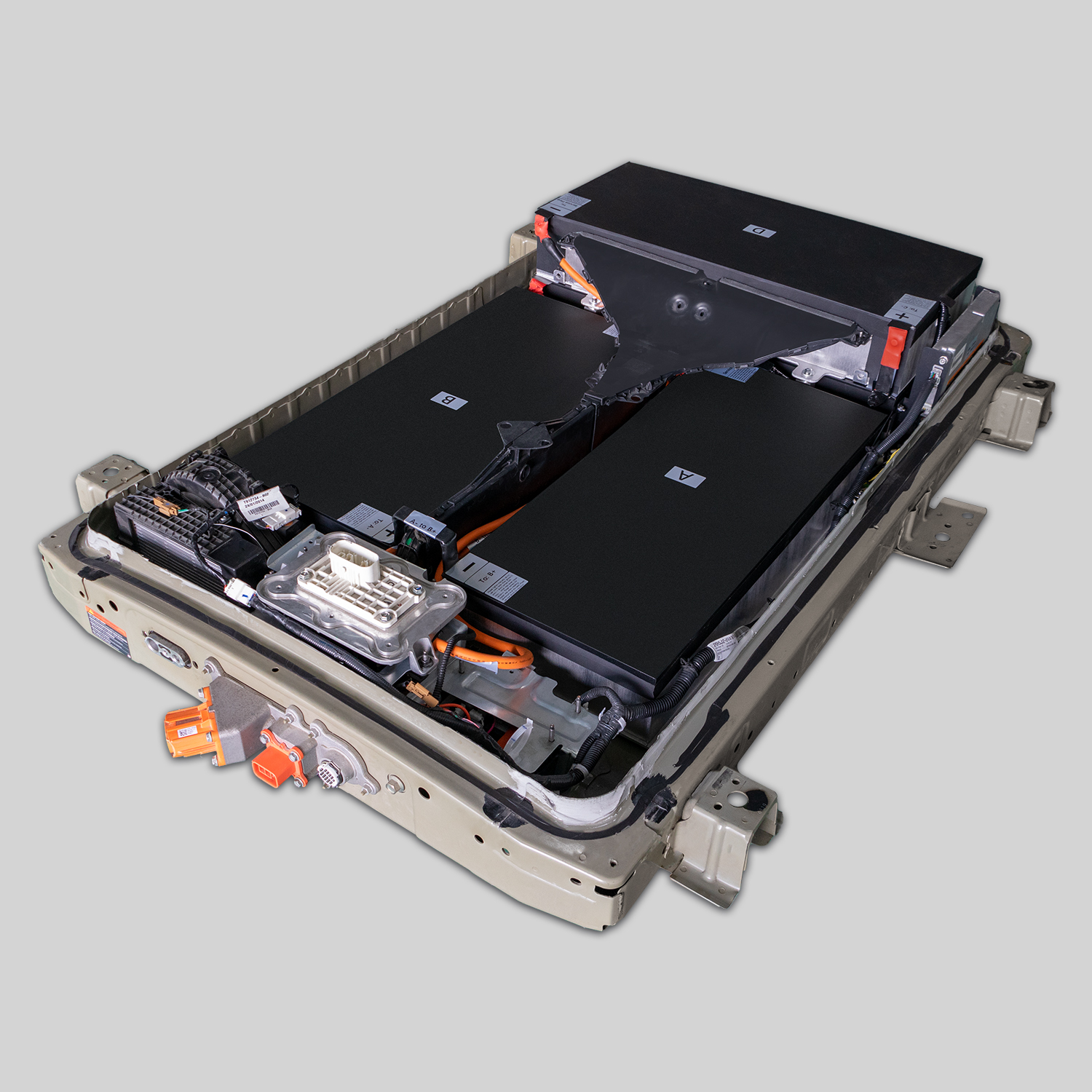
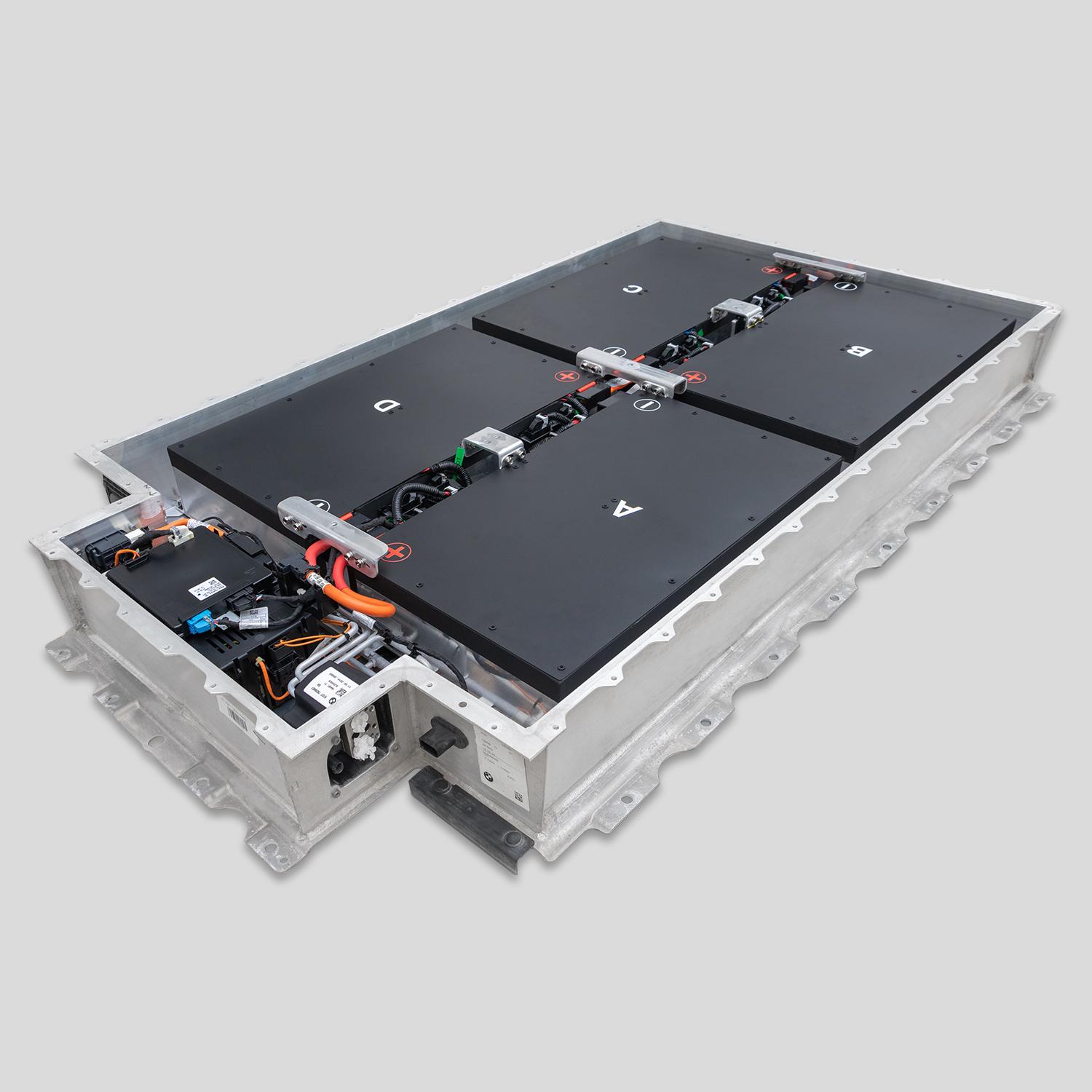
🚚 e-NV200 Van 40kWh Battery Swap Cost in 2026: The Ultimate Cost Breakdown
The Nissan e-NV200 is a workhorse for many small businesses and families. However, by 2026, many of these vehicles are facing the reality of battery degradation. If you’re staring at a shrinking range and wondering if your van is worth saving, you’re likely asking the critical question: “What will it cost to swap my battery in 2026?”
This guide is designed to cut through the uncertainty. As an expert in Nissan EV powertrains, I will walk you through the exact cost breakdown, why the 40kWh replacement is a smarter investment than buying new, and how to secure the best deal today.
💰 The 2026 Price Reality: What You’ll Pay
When budgeting for your e-NV200’s revival, it’s essential to distinguish between the “sticker shock” of dealership replacements and the realistic market value provided by specialized aftermarket manufacturers.
Based on current 2026 market trends and supply chain stability, here is the estimated cost breakdown for a brand new 40kWh lithium battery pack:
| Cost Component | Estimated Price (USD) | Notes |
|---|---|---|
| Battery Pack (40kWh) | $5,000 – $6,500 | Brand new OEM-compatible pack (excludes labor). |
| Labor & Installation | $500 – $1,200 | Varies by region and mechanic rates. |
| Recycling/Disposal Fee | $100 – $300 | Standard fee for disposing of the old degraded unit. |
| Total Estimated Cost | $5,600 – $8,000 | Approx. 50% less than a new entry-level EV. |
Key Insight: While a Nissan dealership might quote upwards of $12,000 to $16,000 for a factory replacement, the aftermarket has matured significantly by 2026. You can now purchase a brand new 40kWh pack directly from manufacturers like CNS BATTERY for roughly half the price of the OEM alternative, without sacrificing safety or compatibility.
💡 Why Swapping in 2026 Makes Financial Sense
You might be tempted to trade in your e-NV200 for a newer model, but let’s look at the math:
- The “Half-Price” Advantage: For less than the cost of a down payment on a new electric car, you can give your existing van a brand new 8-10 year lifespan.
- Depreciation Protection: New EVs depreciate rapidly in the first few years. By installing a new battery in your 2026 e-NV200, you are essentially driving a “new” car with minimal depreciation risk.
- Fleet Reliability: If you use the van for deliveries or services, downtime is lost revenue. A new battery eliminates range anxiety, allowing you to work confidently all day.
🛠️ The Installation Process: DIY vs. Professional
One of the biggest variables in your total cost is the installation. The e-NV200’s battery layout is designed for relative accessibility, but safety is paramount when dealing with high-voltage lithium systems.
Option 1: Professional Mechanic (Recommended)
- Cost: Higher due to labor rates.
- Time: Approximately 2-3 hours.
- Benefit: Warranty protection and safety assurance. Most shops will handle the BMS (Battery Management System) programming for you.
Option 2: DIY (For Experienced Users)
- Cost: Only the battery pack price.
- Time: 3-5 hours (including BMS setup).
- Benefit: Significant savings. If you have a garage and basic tools, this is achievable. Many owners save thousands by doing the swap themselves.
Expert Tip: If you choose to DIY, ensure you have insulated gloves and torque wrenches. The physical removal and installation are straightforward (it’s largely bolt-on), but the software handshake with the car’s computer requires following the manual precisely.
📦 What’s Included in a 2026 40kWh Battery Swap?
When you order a replacement pack in 2026, you are not just buying cells. A premium solution includes:
- Brand New CATL Cells: Top-tier chemistry ensuring thermal stability and long cycle life.
- Integrated BMS: A fully programmed Brain Management System to communicate with your e-NV200’s dashboard.
- Thermal Management System: Proper cooling channels to maintain optimal temperature (critical for longevity in 2026 summer heat).
- Hardware Kit: All necessary bolts, insulation pads, and connectors.
📝 How to Get Your Free Quote
Don’t let the fear of the unknown stop you from extending your van’s life. Getting an accurate price takes seconds and doesn’t obligate you to buy.
Simple steps to secure your 2026 price:
- Select your model: Nissan e-NV200.
- Select your spec: 40kWh Lithium Battery Pack.
- Submit: Get a personalized recommendation.
Get Your Free Custom Quote Now
❓ Frequently Asked Questions (FAQ)
Q1: Is a 40kWh battery enough for daily use in 2026?
Yes. With modern cell technology, a new 40kWh pack in an e-NV200 typically delivers a real-world range of 150-180 km (93-112 miles). This is perfect for city deliveries, local errands, or as a second car. It charges quickly (often under 4 hours on AC), making it highly efficient for short-haul logistics.
Q2: What warranty should I expect on a 2026 battery swap?
In 2026, the industry standard for a quality replacement pack is a 2-year / 80,000 km warranty. This covers defects in materials and workmanship. Some manufacturers also offer prorated coverage for capacity degradation, ensuring the battery retains at least 70% of its capacity during the warranty period.
Q3: Can I upgrade from 40kWh to 62kWh?
Technically, it is possible, but it is not a simple “drop-in” replacement for the e-NV200 like it is for the Nissan Leaf. The e-NV200 has stricter space constraints. While some specialized conversions exist, sticking with the 40kWh OEM-compatible pack is the safest, most reliable, and most cost-effective route for keeping your van on the road.
Q4: How long does shipping take?
For international customers, standard shipping (often via sea freight due to UN38.3 lithium regulations) typically takes 4-8 weeks. If you need the battery urgently for your business, expedited air freight options are available, usually arriving within 1-2 weeks, though at a higher shipping cost.
Q5: Are these batteries safe compared to the original?
Absolutely. Reputable 2026 manufacturers use the same cell chemistry (often from CATL or similar Tier-1 suppliers) as the original factories. They adhere to strict IATF 16949 automotive quality standards. The key is to avoid “re-manufactured” or “refurbished” packs; always opt for a brand new lithium pack to avoid swelling or failure risks.