Ultimate Nissan Leaf 62kWh to 40kWh Repair Tutorial
As a seasoned expert at CNS BATTERY, I have spent the last decade helping Nissan Leaf owners breathe new life into their vehicles. One of the most common service requests we receive is the conversion from a 62kWh battery pack back to a 40kWh specification. While this might seem counterintuitive to some (why go smaller?), this specific repair is often necessary for vehicle compatibility, insurance write-offs, or when salvaging a vehicle that originally came with a 40kWh unit.
The Nissan Leaf AZE0, ZE1, and e-NV200 models share similar modular architectures, but swapping capacities requires precision. This guide is designed for DIY enthusiasts and professional mechanics who want to ensure a safe, plug-and-play repair without damaging the Battery Management System (BMS) or the vehicle’s drivetrain.
Understanding the 62kWh vs. 40kWh Architecture
Before we dive into the physical repair, it is crucial to understand the “why” behind this conversion.
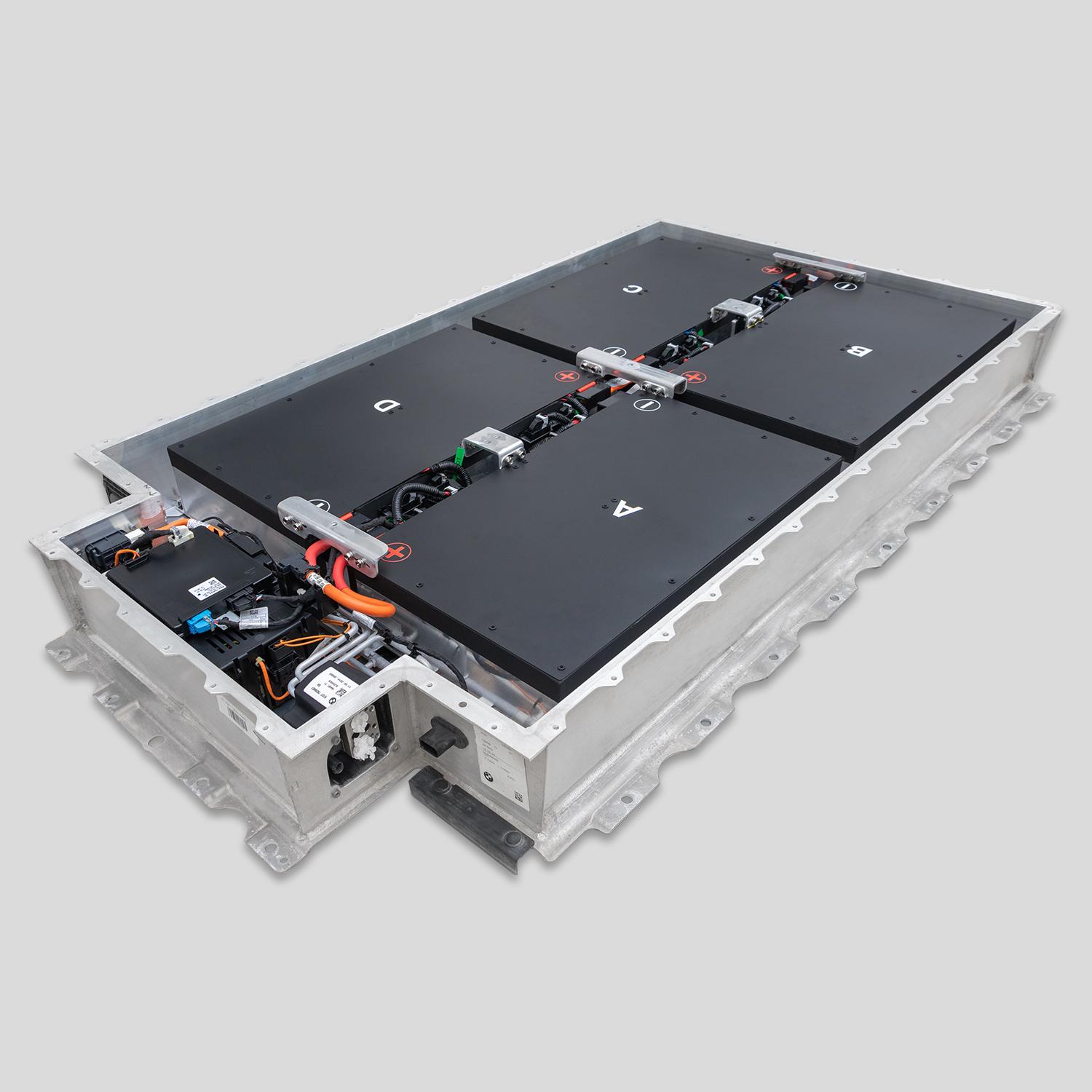
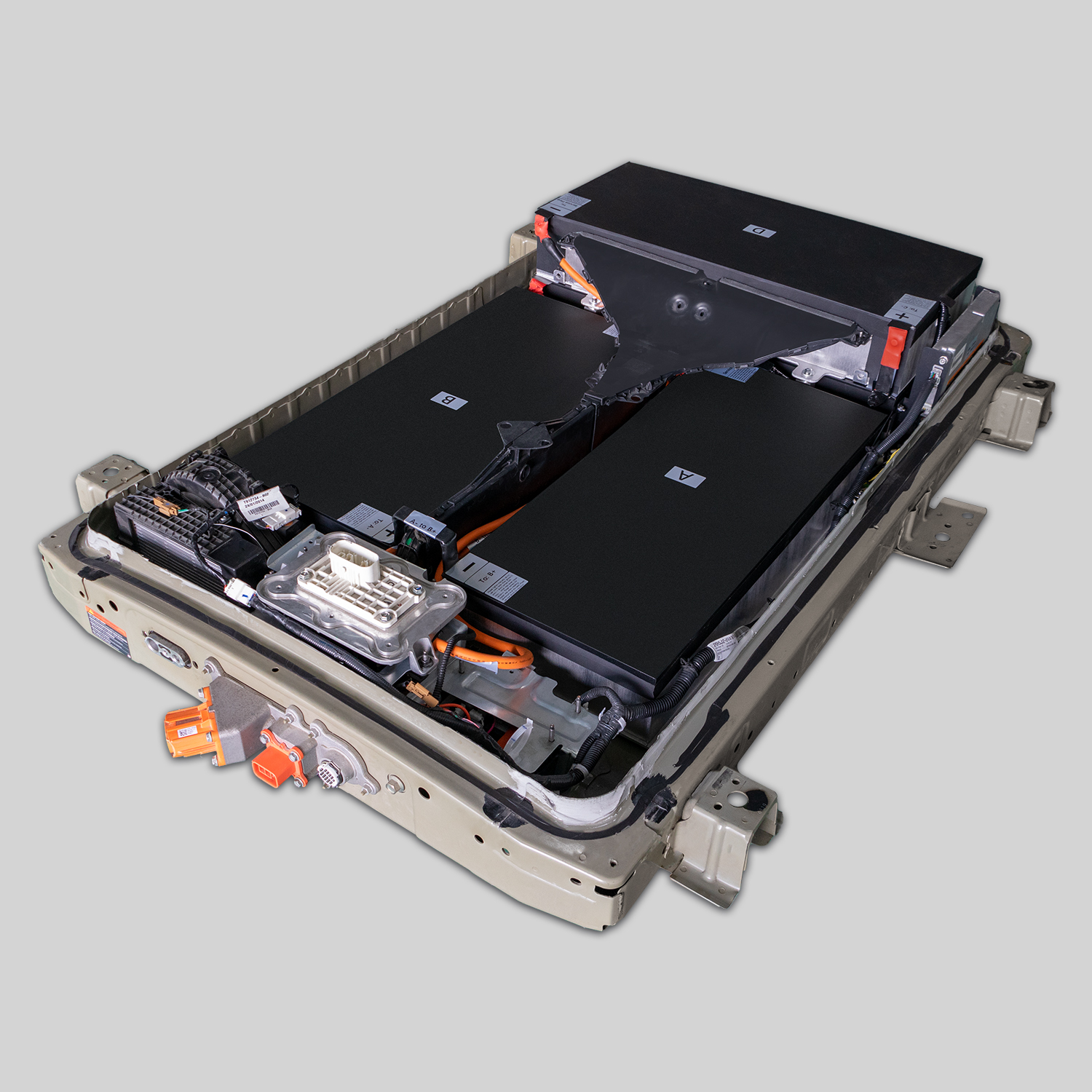
While the physical dimensions of the Nissan Leaf battery casing remain largely the same across the 40kWh and 62kWh models, the internal cell count and module arrangement differ significantly.
- 40kWh Pack: Typically consists of 192 lithium-ion cells arranged in 24 modules.
- 62kWh Pack: Consists of 288 cells arranged in 36 modules.
The Core Challenge:
Simply removing modules from a 62kWh pack will destroy the battery’s structural integrity and electrical balance. You cannot physically “downgrade” a 62kWh pack by removing modules. The correct repair approach is to replace the entire 62kWh core with a brand-new 40kWh lithium battery pack.
This ensures the Battery Management System (BMS) reads the voltage and temperature profiles correctly, preventing error codes and potential safety hazards.
Step-by-Step Repair & Installation Guide
Performing this repair requires a systematic approach. Please ensure you are wearing appropriate Personal Protective Equipment (PPE), including insulated gloves and safety glasses, as you will be working with high-voltage components.
Tools You Will Need:
- Torque wrench (set to 10-15 Nm)
- Insulated screwdrivers and socket set
- Digital Multimeter
- New 40kWh Battery Pack from CNS BATTERY
Step 1: Disconnecting the Vehicle Power
Safety is our top priority at CNS. Before opening the hood, locate the Maintenance Plug (usually found in the engine bay or near the charging port).
- Turn off the ignition and remove the key.
- Pull the Maintenance Plug to disconnect the high-voltage circuit.
- Wait at least 10 minutes to allow capacitors to discharge.
- Use your multimeter to verify there is 0V at the main contactors before proceeding.
Step 2: Removing the Old 62kWh Battery
The battery is secured to the chassis with multiple mounting bolts.
- Jack up the vehicle safely using the manufacturer’s recommended jacking points.
- Remove the underbody protection panels.
- Disconnect the high-voltage cables and the low-voltage BMS communication harness. Take note of the connector orientation.
- Remove the mounting bolts and carefully lower the heavy battery pack. Caution: The 62kWh pack weighs approximately 303kg.
Step 3: Installing the New 40kWh Solution
This is where our OEM-compatible 40kWh lithium battery pack comes into play.
- Position the new CNS BATTERY 40kWh pack into the chassis.
- Reinstall the mounting bolts and torque them to the factory specification (usually 15 Nm).
- Reconnect the BMS harness. Our packs are pre-programmed to match the Nissan Leaf’s communication protocol, ensuring a Plug-and-Play experience.
- Reconnect the high-voltage cables.
Step 4: System Reset and Testing
- Reinstall the underbody panels.
- Reconnect the Maintenance Plug.
- Turn on the ignition (do not start the car yet). The dashboard should show no error lights.
- Start the vehicle and check the battery state of charge (SOC). It should display correctly.
Why Choose a Brand-New 40kWh Pack Over Refurbished?
Based on our extensive experience and customer feedback, we strongly advise against using refurbished cores for this specific conversion.
Here is a comparison of why a brand-new 40kWh pack is the superior investment:
| Feature | Refurbished/Used 40kWh | CNS BATTERY New 40kWh |
|---|---|---|
| Cell Quality | Aged cells, unknown degradation | Brand new CATL cells |
| Warranty | Often none or very short | 2 Years / 80,000 km |
| Performance | Reduced range, potential swelling | Guaranteed capacity, zero defect |
| Longevity | High risk of failure within 6 months | 10+ years lifespan |
Refurbished units often fail because they use recycled cells that cannot handle the thermal stress of the Leaf’s battery management system.
Frequently Asked Questions (FAQ)
Q1: Can I just modify the 62kWh modules to fit a 40kWh spec?
A: No, this is not recommended. The 62kWh and 40kWh modules have different physical dimensions and internal wiring harnesses. Attempting to modify the modules will result in an unbalanced pack, triggering the “Lemon/Lime” battery error codes and potentially causing a fire hazard. The correct solution is a complete pack replacement.
Q2: Will a 40kWh battery work in my Nissan Leaf that originally had a 62kWh?
A: Yes, mechanically it will fit. However, you may experience a reduction in power output and a shorter driving range. The vehicle’s software is generally compatible with the lower capacity, but it is always best to confirm with a VIN check to ensure there are no specific software locks on your chassis.
Q3: How long does this repair take?
A: For a professional mechanic, the physical swap usually takes about 1 to 2 hours. If you are a DIYer following our video tutorials, it may take up to 3 hours, especially if you are doing it for the first time.
Q4: Where can I get a reliable 40kWh replacement?
A: At CNS BATTERY, we specialize in OEM-standard replacements for Nissan and BMW. Our 40kWh packs are built with new cells and undergo rigorous testing to ensure they meet the exact voltage and communication standards of your Leaf.
If you are ready to fix your Nissan Leaf and restore its reliability, Get a Free Custom Quote today. Our technical experts are available to confirm compatibility with your specific VIN number and help you choose the perfect solution.