How to Wire a Manual Battery Disconnect Switch for Storage
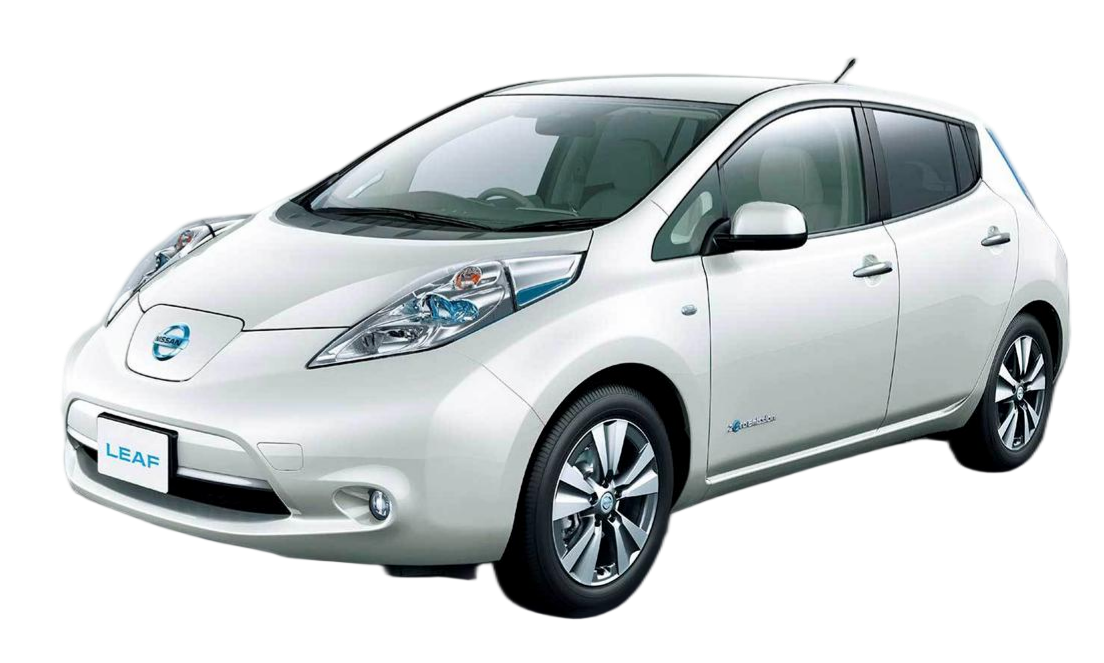
Are you struggling to keep your Nissan Leaf or BMW i3 battery healthy during long-term storage? As an expert at CNS BATTERY, I’ve seen countless electric vehicle (EV) owners face the dreaded “vampire drain” that depletes their power packs even when the car is parked. If you’re looking for a reliable, hands-on solution to preserve your battery’s lifespan, wiring a manual battery disconnect switch is one of the most effective strategies.
At CNS, we specialize in high-performance lithium-ion battery solutions for Nissan and BMW models. While our batteries are engineered for superior durability and energy efficiency, proper maintenance is key. In this comprehensive guide, I will walk you through the step-by-step process of installing a manual disconnect switch, ensuring your EV remains in peak condition during storage periods.
Why You Need a Disconnect Switch for EV Storage
Before diving into the wiring process, let’s understand the “why.” Unlike traditional gasoline cars, EVs consume a small amount of power even when turned off. This phenomenon, known as parasitic or vampire drain, can slowly discharge your battery over weeks or months.
A manual disconnect switch acts as a physical barrier to this drain. By cutting off the main power flow, you prevent the battery management system (BMS) and other electronics from drawing current. This is crucial because:
- Prevents Deep Discharge: Lithium-ion batteries can be permanently damaged if their voltage drops too low.
- Extends Battery Life: Storing a battery at the optimal charge level (usually 50-60%) without drain ensures maximum longevity.
- Safety: It adds an extra layer of safety during maintenance or long-term parking.
Tools and Materials You Will Need
To successfully wire your switch, gather the following components. As a professional tip, always ensure the switch is rated for the high amperage of your EV system (typically 200A+).
- Heavy-Duty Toggle or Knife Switch: Must be rated for at least 300A DC.
- Insulated Ring Terminals: Sized appropriately for your battery cables.
- Heavy-Gauge Copper Cable: To bridge the connection (if not using the stock cable).
- Heat Shrink Tubing or Insulating Tape: For safety.
- Wrenches and Crimping Tools: For secure connections.
- Protective Gear: Insulated gloves and safety glasses (EV batteries carry high voltage).
Step-by-Step Wiring Guide
Now, let’s get into the practical steps. This guide assumes you are working on a standard setup similar to those found in Nissan Leafs or BMW i3s. If you are unsure, our CNS technical experts are always available for a free compatibility assessment.
Step 1: Safety First and Power Down
Never work on a live circuit. Ensure your vehicle is turned off and the key is removed. If possible, disconnect the 12V auxiliary battery first to kill any low-voltage systems that might engage the main contactors.
Step 2: Locate the Main Positive Cable
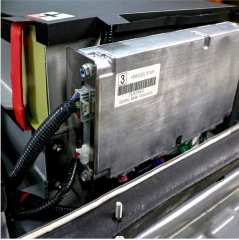
Open the battery compartment and identify the main positive terminal coming from the battery pack. This is usually the thickest cable.
Step 3: Cut and Prepare the Cable
Using a cable cutter, carefully cut the main positive cable. Strip about half an inch of insulation from both ends to expose the copper core. Important: Do not let the cut ends touch each other or any metal surface.
Step 4: Connect the Switch
Attach one end of the cut cable to the input terminal of the disconnect switch using a ring terminal. Tighten securely with a wrench. Repeat this process for the output terminal, connecting it to the other half of the cut cable.
Step 5: Mount the Switch
Find a secure, dry, and easily accessible location in the chassis to mount the switch. Ensure it is away from moving parts and moisture. Use the mounting hardware provided with the switch.
Step 6: Test the Connection
Before closing everything up, visually inspect all connections for tightness. Turn the switch “On” and use a multimeter to check for continuity. You should have a solid connection. Turn it “Off,” and the circuit should break completely.
Expert Tips for Long-Term Storage
Wiring the switch is just the first step. To maximize the health of your Nissan Leaf or BMW i3 battery, follow these storage best practices recommended by our R&D team:
- Charge to 50%: Before flipping the switch, ensure your battery is charged to approximately 50%. This is the ideal storage state for lithium-ion chemistry.
- Store in a Cool Place: Avoid extreme temperatures. A garage or covered parking is best.
- Check Periodically: Even with the switch off, check your vehicle every 3 months. If possible, turn the switch on briefly to check the state of charge, then turn it off again.
Upgrade to a Premium CNS Battery Solution
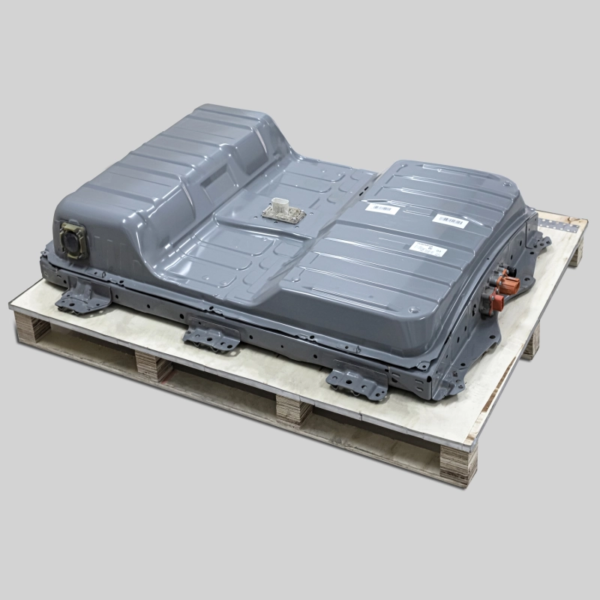
While a manual disconnect switch is a great hack, the foundation of your EV’s reliability is the battery pack itself. At CNS, we don’t just sell batteries; we provide peace of mind.
Our batteries are built using brand-new CATL cells, ensuring top-tier performance and safety that far surpasses refurbished or low-quality alternatives. We offer precise OEM-compatible solutions for the entire Nissan and BMW model range, saving you over 50% compared to original manufacturer prices.
Don’t let battery anxiety hold you back. Whether you need a full pack replacement or just expert advice on maintenance, our team is here to help.
Ready to secure your EV’s powertrain? Contact our technical experts now for a free quote and customization advice.
Frequently Asked Questions (FAQ)
Q: Is it safe to install a manual disconnect switch myself?
A: If you have experience working with high-voltage DC systems and follow proper safety protocols (like wearing insulated gloves), it is generally safe. However, if you are uncomfortable handling the main battery cables, we recommend consulting a certified technician. Our installation guides and videos can assist you through the process.
Q: Will a disconnect switch void my battery warranty?
A: Modifying the main harness can sometimes affect warranty terms depending on the manufacturer. However, CNS BATTERIES come with a comprehensive 2-year/80,000km warranty. We encourage proper maintenance, and our customer service team can advise you on modifications that won’t compromise your coverage.
Q: Can I use any switch for this purpose?
A: No. You must use a switch specifically rated for DC (Direct Current) and with a high enough amperage rating (at least 300A) to handle the surge currents of an EV. Using an AC switch or a low-amp switch can result in arcing, melting, or fire hazards.
Q: How often should I recharge my EV during storage?
A: Even with a disconnect switch, it is recommended to check your battery every 3 to 4 months. If the state of charge has dropped significantly below 20% (though it shouldn’t with the switch off), you should recharge it back to 50% to maintain cell health.