
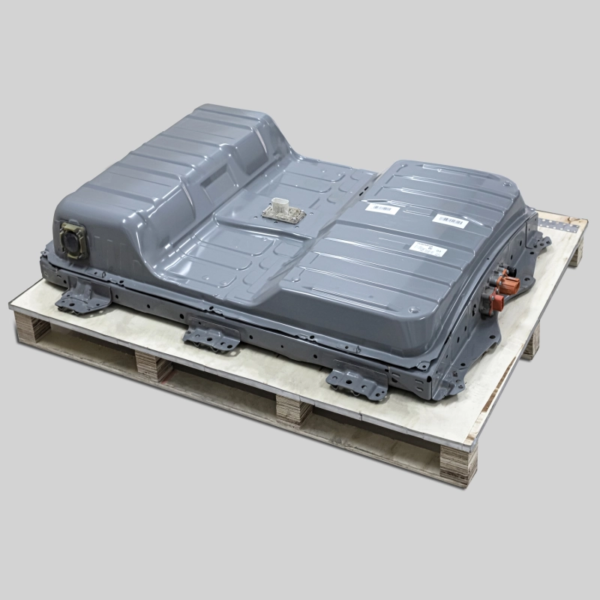
The Ultimate Guide to DIY Leaf Plus Power Battery Installation for Long Life Cycle
If you are an electric vehicle enthusiast or a Nissan Leaf owner looking to upgrade your ride, you have likely heard about the “Leaf Plus” power battery. This upgrade is not just about getting more range; it is about transforming your driving experience with a battery that lasts. In this guide, we will walk you through the process of DIY Leaf Plus power battery installation, focusing on maximizing the long life cycle of your new energy source.
Why Upgrade to a Leaf Plus Power Battery?
The Nissan Leaf Plus (specifically the AZE0 and ZE1 models) is renowned for its significantly larger battery capacity compared to the standard Leaf (ZE0). While the standard model typically houses a 24kWh or 30kWh battery, the Leaf Plus boasts capacities of 40kWh, 62kWh, and even 68kWh. This translates to a substantial increase in driving range—often doubling it—which is a game-changer for daily commutes and long-distance travel.
However, finding a brand-new, affordable Leaf Plus battery can be a challenge. This is where specialized manufacturers like CNS BATTERY come in. They offer OEM-compatible lithium battery packs specifically designed for Nissan Leaf models, utilizing brand-new CATL (Contemporary Amperex Technology Co. Limited) cells. These cells are known for their superior thermal management and energy density, which are critical factors in achieving that coveted “long life cycle.”
Preparing for Your DIY Installation
Before you start the installation process, it is crucial to ensure you have the right tools and safety gear. Working with high-voltage batteries requires strict adherence to safety protocols.
Essential Tools & Gear:
- Insulated gloves and safety goggles.
- Torque wrench and standard socket set.
- Digital multimeter.
- Battery terminal cleaner.
- Anti-static mat (recommended).
Safety First: Always disconnect the vehicle’s 12V auxiliary battery before starting any work on the high-voltage system. Ensure your workspace is dry and well-ventilated.
Step-by-Step DIY Leaf Plus Power Battery Installation
Installing a Leaf Plus power battery is a manageable project for those with mechanical aptitude. The process generally takes 1-2 hours for a professional, and slightly longer for a DIYer. Here is a breakdown of the procedure.
Step 1: Vehicle Preparation and Access
Drive your Nissan Leaf onto a lift or use jack stands to secure the vehicle safely. Remove the underbody shielding to expose the battery compartment. You will notice the high-voltage connectors and the mounting brackets.
Step 2: Disconnecting the Old Battery
Locate the high-voltage service disconnect (if applicable) and remove the negative terminal of the 12V battery. Carefully disconnect the high-voltage cables from the existing battery pack. Label these cables if necessary to ensure correct reconnection later. Loosen the mounting bolts securing the battery to the chassis.
Step 3: Removing the Old Pack and Installing the New
Slide out the old battery pack. Before inserting the new Leaf Plus power battery, inspect the new pack for any physical damage. Carefully slide the new pack into place, ensuring the wiring harnesses are not pinched. Secure the pack using the original mounting bolts, tightening them to the manufacturer’s specified torque.
Step 4: Reconnection and BMS Programming
Reconnect the high-voltage cables and the 12V battery. This is the most critical step. The new battery comes with a Battery Management System (BMS) that needs to be programmed to communicate with your Leaf’s Vehicle Control Unit (VCU). Most modern replacement batteries, like those from CNS, use plug-and-play connectors, but the BMS often requires a simple programming tool or a reset procedure. Follow the specific instructions provided with your battery kit.
Step 5: System Check
Turn on the ignition (do not start the car yet) and check the dashboard for error messages. Use a multimeter to verify the voltage readings on the battery terminals match the specifications (usually around 360V-400V for a fully charged Leaf Plus pack). If everything looks good, take the car for a short test drive.
Maximizing the Long Life Cycle
To ensure your new battery achieves its maximum lifespan, proper maintenance and charging habits are essential.
- Avoid 100% Charging: While it is tempting to charge to 100% for maximum range, keeping the charge between 20% and 80% significantly reduces stress on the lithium-ion cells.
- Temperature Management: Ensure the battery cooling system (if equipped) is functioning correctly. Overheating is the enemy of battery longevity.
- Regular Firmware Updates: Keep your BMS firmware updated to benefit from the latest efficiency and safety improvements.
The CNS BATTERY Advantage
When upgrading to a Leaf Plus power battery, choosing the right supplier is paramount. Many “budget” options on the market use recycled or degraded cells, which fail quickly and do not offer the “long life cycle” you are looking for.
CNS BATTERY stands out because they use brand-new CATL cells. CATL is a global leader in lithium-ion battery technology, and their cells are known for high cycle life (often exceeding 3000 cycles). This means your DIY upgrade is not just a temporary fix, but a long-term investment.
Furthermore, CNS offers a comprehensive 2-year / 80,000 km warranty, which is far superior to the industry standard for replacement batteries. This warranty covers manufacturing defects and performance degradation, ensuring you are protected if any issues arise.
Frequently Asked Questions (FAQ)
1. How much does a Leaf Plus power battery upgrade cost?
The cost varies depending on the capacity (kWh) and the supplier. Generally, you can expect to pay significantly less than the original manufacturer’s price. For example, a 62kWh replacement battery might cost roughly 50% less than the OEM equivalent, offering incredible value for the long life cycle you receive.
2. Is DIY installation safe for a Leaf Plus battery?
Yes, if you follow safety protocols. The wiring harnesses are usually color-coded and designed for plug-and-play installation to match OEM standards. However, if you are uncomfortable working with high voltage, it is always recommended to hire a certified technician. Many suppliers, including CNS, offer detailed video tutorials and technical support to guide you through the process.
3. Will a new battery affect my car’s original warranty?
In most cases, replacing the battery with an OEM-compatible pack does not void the entire vehicle warranty. However, it may affect the powertrain warranty specifically related to the battery. It is always best to check your local regulations and consult with the supplier regarding compatibility checks (often done via VIN code) before purchasing.
4. What is the expected lifespan of a new Leaf Plus battery?
With proper care and the use of high-quality cells like those from CATL, a new Leaf Plus battery can last for 10 years or more. You can expect to retain at least 70-80% of the original capacity after 3000 charge cycles, which translates to hundreds of thousands of kilometers of reliable driving.
Ready to upgrade your Nissan Leaf with a high-performance, long-life battery?
Don’t let range anxiety hold you back. Get a free custom quote today and take the first step towards a revitalized driving experience.

