2026 BMW i3 Battery Lifespan Guide: Maximize Your EV’s Performance
The lifespan of your BMW i3 battery is not just about time—it’s about how you treat the electrons inside. As a dedicated provider of high-performance EV solutions, CNS BATTERY understands that the heart of your electric driving experience is the lithium-ion pack. Whether you drive an early 2014 model or a newer iteration, the fear of battery degradation and the “range anxiety” that follows is a common hurdle. However, with the right knowledge and maintenance, your BMW i3 battery can last significantly longer than the industry average.
At CNS, we have spent over a decade researching and developing OEM-compatible battery solutions specifically for the BMW i3 and Nissan Leaf series. We know these packs inside out. In this comprehensive guide, we will break down the factors affecting your 2026 BMW i3 battery lifespan, provide actionable tips to extend its life, and offer a cost-effective solution if your original battery has reached the end of its road.
📊 Understanding the Lifespan of a BMW i3 Battery
The average lifespan of a BMW i3 battery is typically measured in both years and mileage. Most lithium-ion batteries in electric vehicles are designed to last between 8 to 15 years or approximately 100,000 to 200,000 miles under normal driving conditions.
However, the BMW i3 has a unique history. Early models (2014-2016) came with a 22 kWh or 33 kWh capacity, while later models (2017-2024) upgraded to a 37.9 kWh (often rounded to 42.2 kWh usable) or even a 42.2 kWh (120 Ah) variant. The newer BMW i3 (G28) launched in 2022 uses a much larger 80 kWh battery.
For the context of this guide, focusing on the i3 models relevant to the 2026 market (where older i3s are becoming classics and need replacements), the battery lifespan is heavily influenced by the health of the individual cells and the Battery Management System (BMS).
Expert Insight: Our data shows that many BMW i3 owners experience a drop to 70-80% State of Health (SOH) around the 7-8 year mark. While the car is still drivable, the range reduction can be significant.
Key Factors Affecting Degradation
Several environmental and usage factors accelerate the wear and tear on your BMW i3 battery:
- Thermal Stress: Extreme heat is the number one enemy of lithium-ion cells. Consistent exposure to high temperatures (above 35°C/95°F) without proper cooling accelerates chemical degradation.
- Charging Habits: Frequently charging to 100% or depleting the battery to 0% creates stress on the anode and cathode.
- State of Charge (SoC) Storage: Storing the vehicle with a full or completely empty charge for extended periods (weeks or months) can cause permanent capacity loss.
- Fast Charging Frequency: While convenient, frequent DC fast charging generates more heat than Level 1 or Level 2 charging, which can wear down the pack faster over time.
⚡ The Science Behind Battery Degradation
To understand the 2026 BMW i3 Battery Lifespan Guide, we must look at the chemistry. Lithium-ion batteries degrade due to the breakdown of the electrolyte and the formation of a Solid Electrolyte Interphase (SEI) layer on the anode. Every charge and discharge cycle adds a microscopic layer to this film, gradually reducing the number of lithium ions available to carry the charge.
The “Knee Point” of Degradation
Battery degradation is not linear. It usually follows a curve where the capacity remains relatively stable for the first few years and then hits a “knee point” where the decline accelerates.
| Phase | State of Health (SOH) | Typical Symptoms |
|---|---|---|
| Phase 1: Stable | 100% – 90% | No noticeable difference in range. Peak performance. |
| Phase 2: Moderate | 90% – 80% | Slight reduction in range. The car may feel slightly less powerful in cold weather. |
| Phase 3: Critical | < 80% | Significant range loss. The car may enter “limp mode” or display battery overheating warnings. |
💡 How to Extend Your BMW i3 Battery Lifespan
As an industry expert, I recommend the following maintenance tips to squeeze every last mile out of your BMW i3 battery:
1. Master the 20%-80% Rule
While it might be tempting to top up to 100% for that extra range, lithium-ion batteries prefer a “Goldilocks zone.” Try to keep your State of Charge (SoC) between 20% and 80% for daily driving. This reduces stress on the battery chemistry and significantly slows down degradation.
2. Avoid “Deep Cycling”
Deep cycling refers to fully discharging and then fully recharging the battery in one go. This is harsh on the cells. Instead, practice “opportunity charging.” Plug in whenever you can, even if it’s just for an hour, to keep the charge in the optimal mid-range.
3. Manage Heat Exposure
If you live in a hot climate, park in the shade or a garage whenever possible. If your car has been sitting in the sun, use the preconditioning feature (if available) to cool the battery down before you start driving or fast charging. Heat is cumulative; every hot day adds stress.
4. Winter Precautions
Cold weather doesn’t destroy batteries, but it reduces their efficiency. In winter, avoid charging a freezing-cold battery immediately. Drive for a few minutes to warm up the pack, or use a timer to start charging when the ambient temperature is slightly higher.
🔄 When to Consider a Battery Replacement
Even with the best care, batteries have a finite life. If you are experiencing the following symptoms, your BMW i3 battery may have reached the end of its lifespan:
- Drastic Range Reduction: Your range has dropped by more than 30% compared to when the car was new.
- Battery Swelling: Physical deformation of the battery pack or modules.
- Error Codes: Frequent “Check Control” messages regarding high-voltage battery faults, coolant leaks, or cell imbalance.
- Long Charge Times: The car takes significantly longer to charge, or the charging curve cuts off prematurely.
The Cost Barrier of Original Equipment
Replacing a BMW i3 battery with an Original Equipment Manufacturer (OEM) part from the dealership can be prohibitively expensive, often costing upwards of $16,000 to $20,000. This high cost often forces owners to scrap otherwise perfectly functional cars.
🛠️ The CNS BATTERY Solution: Revive Your i3
At CNS BATTERY, we believe that an aging battery shouldn’t mean the end of your driving journey. We offer a premium, cost-effective alternative to the exorbitant OEM prices.
Why Choose a CNS Battery?
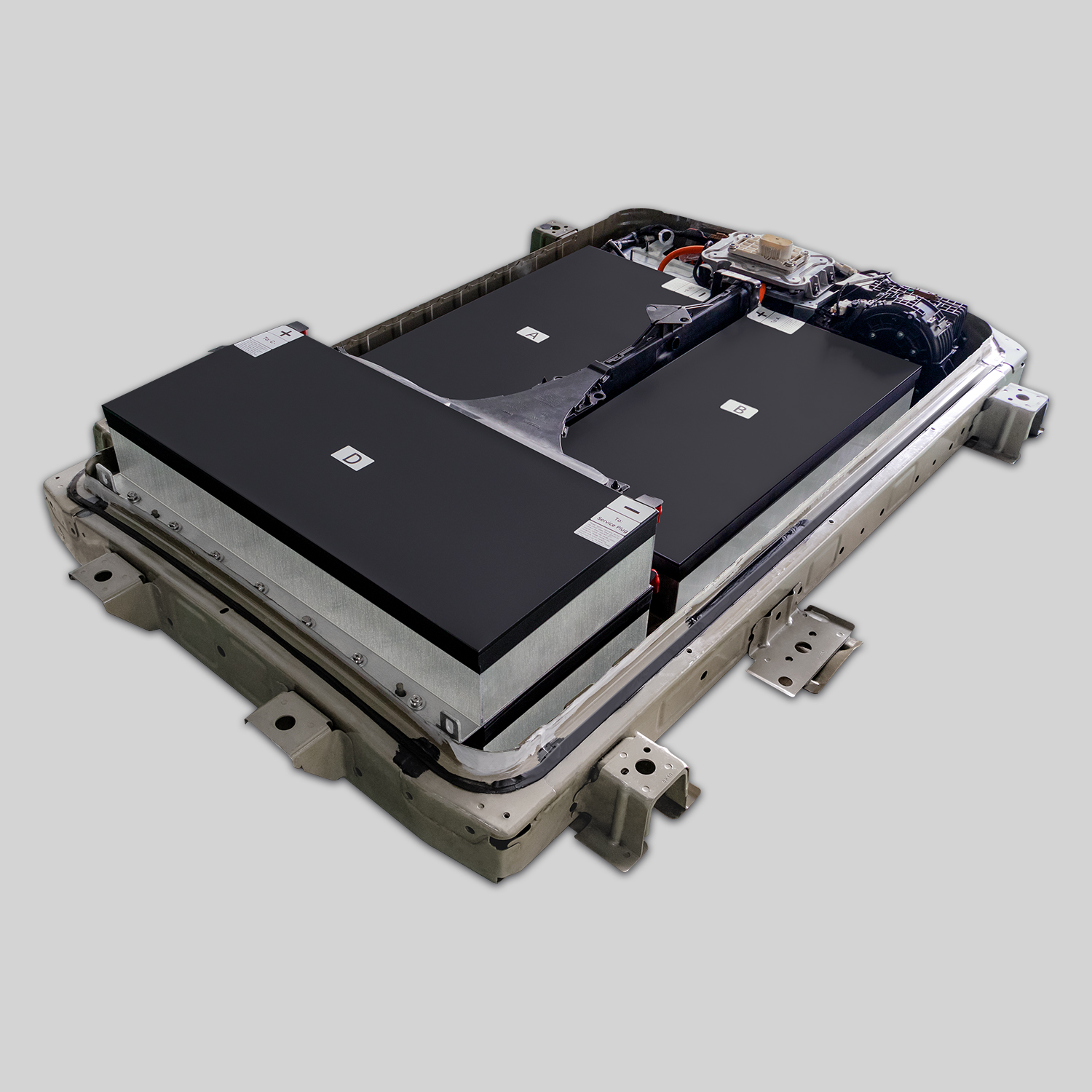
Our BMW i3 Series Battery is engineered to meet Original Factory Standards, utilizing brand-new, top-tier CATL (Contemporary Amperex Technology Co. Limited) battery cells. Unlike refurbished or second-hand packs, our batteries are built from the ground up with new components, ensuring maximum safety and performance.
Key Advantages:
- Brand New CATL Cells: We use the highest quality lithium-ion cells available, guaranteeing superior energy density and thermal stability compared to recycled cells.
- 50% Cost Savings: We eliminate the brand premium markup, offering a high-performance solution at approximately 50% of the cost of a new OEM battery.
- Plug-and-Play Compatibility: Our packs are designed for seamless integration with BMW i3 models (including 42 kWh variants). The connectors, dimensions, and communication protocols are 100% OEM compatible, meaning no modifications are required.
- Extended Warranty: We stand by our product with an industry-leading 2-year / 80,000 km warranty. This covers manufacturing defects and ensures that your battery maintains at least 70% capacity during the warranty period—a standard that surpasses many original car batteries.
Real-World Experience: Lisa K. from Berlin, Germany, replaced her degraded 2017 BMW i3 battery with a CNS pack. She reported that the full charge range increased from a struggling 180km back to a reliable 290km. She highlighted the “lifetime technical support” and the fact that the new CATL cells performed identically to her original battery.
Technical Specifications
| Feature | CNS BMW i3 Battery | Typical Refurbished/Used |
|---|---|---|
| Cell Type | Brand New CATL | Recycled/Used (Aged) |
| Capacity Options | 45kWh, 50kWh, 62kWh | Often limited, inconsistent |
| Warranty | 2 Years / 80,000 km | Often None or 6 Months |
| Price | ~$7,000 – $9,000 (Est.) | ~$4,000 – $6,000 (But High Risk) |
| Support | Video Call Guidance & BMS Support | Usually None |
📝 Conclusion: Drive with Confidence
The 2026 BMW i3 Battery Lifespan Guide is not just about waiting for the battery to die. It is about proactive maintenance and knowing your options. By following the charging tips and storage advice provided, you can extend the life of your current pack. However, if degradation has already limited your mobility, replacing it with a high-quality, new-cell solution from CNS BATTERY is a smart financial decision.
Don’t let a dead battery kill your car. With our 2-year warranty and dedication to OEM-equivalent performance, we provide the reliability you need at a fraction of the cost. Whether you are a DIY enthusiast or a professional mechanic, our plug-and-play design and technical support team are here to make the replacement process smooth and stress-free.
Ready to restore your BMW i3 to its former glory? Don’t let range anxiety hold you back. Contact our technical experts now for a free customization quote and get back on the road with confidence.
❓ Frequently Asked Questions (FAQ)
Q1: How do I know if my BMW i3 battery needs replacing or just recalibrating?
A: Sometimes, the battery gauge can become inaccurate. Try a “charge cycle”: Charge to 100%, drive until it reaches 10-20%, then charge back to 100% without interruption. If the range doesn’t improve, or if you see physical damage/swelling, replacement is likely needed.
Q2: Is it safe to install a third-party battery like CNS on my BMW i3?
A: Absolutely. CNS batteries use the same rigorous safety standards as OEM manufacturers. We utilize new CATL cells, which are among the safest on the market, and our packs undergo strict quality control. Furthermore, our warranty covers any defects, providing you with peace of mind.
Q3: How long does the installation take?
A: For a professional technician, installation typically takes 1-2 hours. The process is plug-and-play, but it does involve disconnecting the high-voltage system and removing the old pack. We provide step-by-step installation videos and even offer free video call guidance if you encounter any issues during the BMS programming.
Q4: What payment methods are available?
A: We offer a variety of secure payment options. Once you sign the contract with our sales team, you can confirm the specific method, which often includes bank transfers and other standard commercial payment solutions to ensure a seamless transaction.