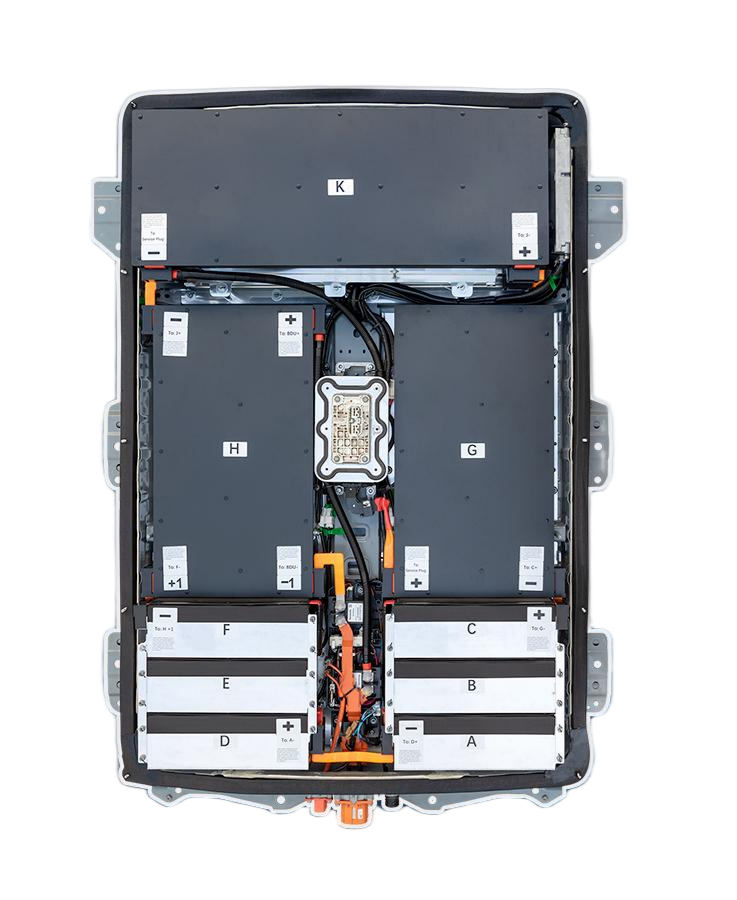
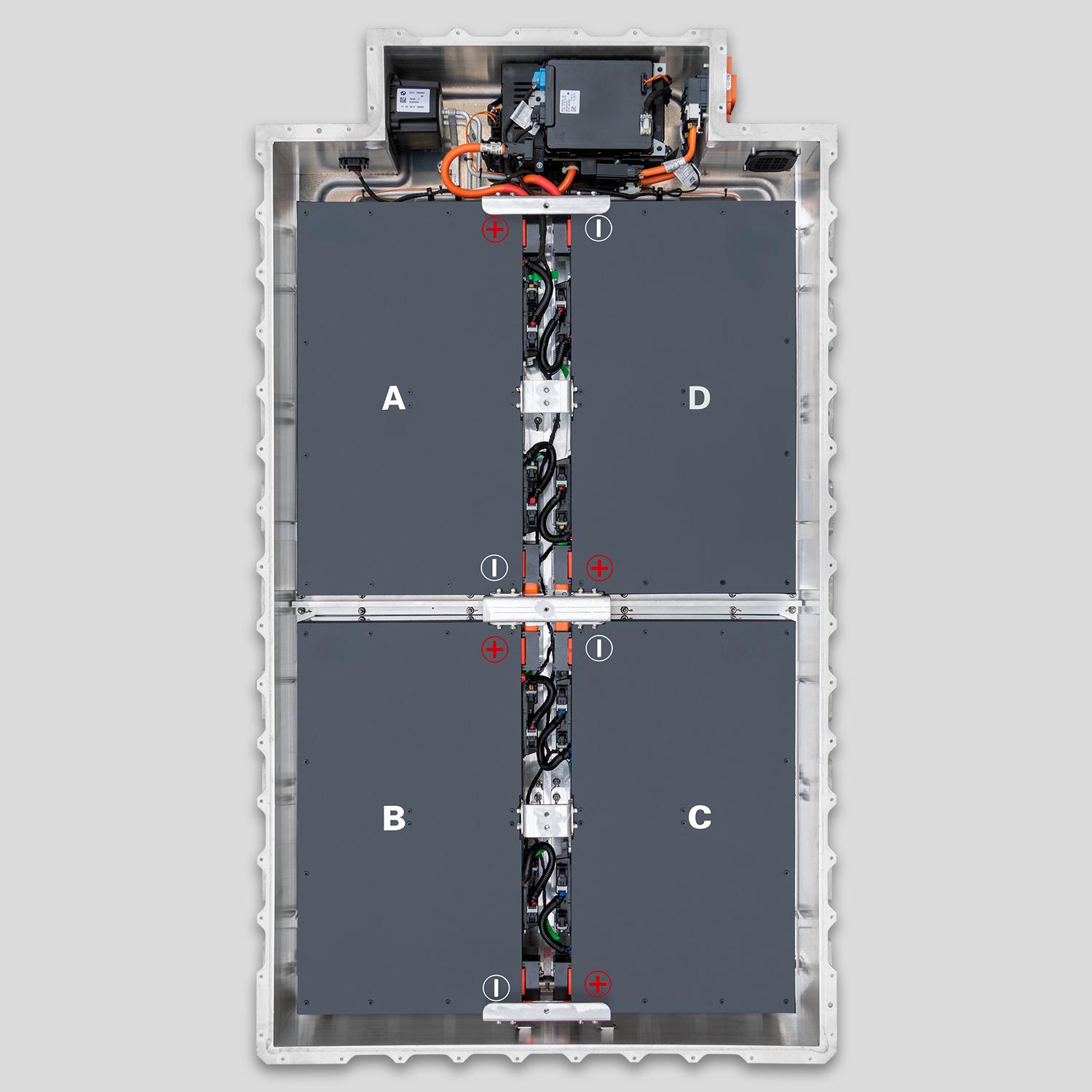
🚀 Your Ultimate Guide to BMW i3 Battery Upgrades: Performance, Range & Cost Savings
Is your BMW i3 losing its spark? As the miles add up, the original high-voltage battery in your electric BMW inevitably faces capacity degradation. This often leaves owners with a difficult choice: face the staggering cost of a new OEM battery from the dealership or watch their driving range shrink.
There is a smarter, more cost-effective solution. Upgrading your BMW i3 battery with a high-performance aftermarket solution allows you to reclaim the exhilarating driving experience you fell in love with, often at a fraction of the original manufacturer’s price. This guide will walk you through the benefits, technical considerations, and the best path forward to keep your i3 running like new.
💡 Why Upgrade Your BMW i3 Battery?
The BMW i3 was a revolutionary car that brought urban electric mobility to the mainstream. However, like all lithium-ion batteries, the capacity of the original pack diminishes over time. If you are experiencing any of the following, an upgrade is likely the best investment:
- Reduced Range: The most obvious sign. If your daily commute is becoming a range anxiety challenge, a fresh battery pack restores the freedom to drive.
- Slower Charging: Degraded cells often struggle to accept a charge quickly, leading to longer wait times at the charger.
- Performance Throttling: To protect the aging cells, the Battery Management System (BMS) might limit power output, dulling the i3’s signature acceleration.
The Core Benefit: A professional battery upgrade isn’t just a repair; it is a restoration of your vehicle’s core value.
⚖️ OEM vs. Aftermarket: The Cost-Performance Analysis
When it comes to replacing the battery, you generally have two paths: the dealership (OEM) or a specialized aftermarket manufacturer like CNS BATTERY.
To help you visualize the difference, consider this comparison:
| Feature | Original Manufacturer (OEM) | CNS BATTERY (Aftermarket) |
|---|---|---|
| Estimated Cost | $12,000 – $16,000+ | ~50% Less than OEM |
| Battery Cells | Factory Standard | Brand-new CATL Cells (Top Tier) |
| Warranty | Standard Manufacturer Terms | 2 Years / 80,000 km |
| Installation | Complex & Expensive Labor | Plug-and-Play; DIY or Mechanic |
The Verdict: While the OEM option offers peace of mind, the exorbitant cost often doesn’t justify the return on an older vehicle. Aftermarket solutions provide a high-quality, cost-effective alternative that utilizes the same top-tier cell technology (like CATL) found in modern EVs, often with superior warranty coverage compared to many competitors.
🔋 Choosing the Right Battery Solution for Your i3
Not all battery upgrades are created equal. When shopping for a BMW i3 battery replacement, there are specific technical factors you must consider to ensure compatibility and performance.
1. Understanding Your i3 Generation
The BMW i3 evolved over the years, primarily differing in battery capacity.
- Early Models (2014-2016): Often equipped with 22kWh or 33kWh packs.
- Later Models (2017+): Typically feature a 42.2kWh or 45kWh pack.
- Your Upgrade Path: You can generally replace your old pack with a unit of the same capacity, or in some cases, upgrade to a higher capacity if your vehicle’s electronics support it.
2. The “Heart” of the Battery: Cell Quality
This is the most critical component. Beware of refurbished or used cells that may still be degraded.
- Look for Brand-New Cells: Premium aftermarket manufacturers use brand-new cells from leaders like CATL. These cells offer superior thermal management, higher energy density, and longer cycle life compared to recycled cells.
- Safety First: Ensure the battery pack comes with a robust Battery Management System (BMS) that matches the original factory standards for voltage and communication protocols.
3. Plug-and-Play Compatibility
A major concern for owners is whether the new battery will physically fit and electrically communicate with the car.
- OEM Standards: The best solutions are engineered to OEM specifications. This means the connectors, mounting points, and cooling channels should match your original BMW i3 setup perfectly, requiring no modifications to your vehicle.
🛠️ Installation: What to Expect
One of the biggest questions is: “Can I do this myself?”
DIY vs. Professional Mechanic
While a professional mechanic can typically complete the swap in about 1-2 hours, many owners successfully perform this as a DIY project with the right guidance.
- The Process: It involves disconnecting the high-voltage system, removing the underbody panels, unbolting the old pack, and lowering in the new one.
- Technical Support: A key advantage of dealing directly with a battery specialist is access to technical support. If you encounter a wiring issue or a BMS programming hiccup, having an engineer available via video call can save the day.
Pro Tip: Before starting, always perform a VIN compatibility check. Reputable suppliers will verify that the battery you order is 100% compatible with your specific i3’s year, model, and VIN to avoid any warranty issues or fitment problems.
🌍 Shipping and Logistics
Because lithium-ion batteries are classified as dangerous goods (UN 3480), international shipping requires strict compliance with IATA and ADR regulations.
- DDP Service: Look for suppliers that offer Delivered Duty Paid (DDP) service. This means they handle all the customs clearance and duty calculations, delivering the battery right to your door without surprise fees.
- Packaging: Expect the battery to arrive in robust, fumigation-free wooden crates designed to protect the sensitive electronics during transit.
📝 Conclusion
Upgrading your BMW i3 battery is no longer a gamble. With the availability of high-quality, new-cell aftermarket solutions, you can extend the life of your vehicle for thousands of miles more. By choosing a solution that prioritizes new CATL cells, OEM-level compatibility, and a strong warranty, you are making a smart financial decision that restores your car’s performance.
Don’t let battery degradation sideline your i3. Reclaim your range and get back on the road with confidence.
❓ Frequently Asked Questions (FAQ)
Q1: How much does a BMW i3 battery upgrade cost compared to the dealership?
A: Dealership replacements are notoriously expensive, often ranging from $12,000 to over $16,000. A premium aftermarket solution, such as those using new CATL cells, typically costs about 50% less than the original manufacturer’s price, making it a much more accessible option for most owners.
Q2: Will a new aftermarket battery fit my specific BMW i3 model?
A: Yes, if it is engineered correctly. Reputable manufacturers design their packs to meet Original Equipment Manufacturer (OEM) standards, ensuring the connectors, dimensions, and cooling systems match your specific i3 model (including 2014-2023 variants). Always confirm compatibility by providing your VIN to the supplier before purchase.
Q3: What is the warranty on an upgraded BMW i3 battery?
A: At CNS BATTERY, we offer a comprehensive 2-year / 80,000 km warranty (whichever comes first) on our automotive batteries. This covers defects in materials and workmanship and includes protection against performance degradation, ensuring the battery maintains at least 70% capacity over the warranty period.
Q4: Can I install the battery myself, or do I need a mechanic?
A: While we recommend installation by a certified technician to ensure safety and avoid warranty issues, many experienced DIY owners successfully install these packs. The process usually takes 1-2 hours and is supported by detailed video tutorials and PDF manuals. If you encounter issues, technical support is available via video call.
Q5: How long does shipping take, and is it safe?
A: Due to the hazardous nature of lithium batteries, shipping is regulated. Sea freight typically takes 4-8 weeks but is very safe and cost-effective. Air freight is faster but more expensive. Batteries are shipped in specialized, robust packaging compliant with UN 38.3 testing standards to ensure they arrive undamaged.
Ready to revive your BMW i3? Get a free, no-obligation quote today and find out how much you can save.