❄️ The Ultimate Winter Survival Guide for Nissan Leaf 62kWh Owners in the Netherlands
Owning a Nissan Leaf 62kWh is a joy, especially with its impressive range. However, if you live in the Netherlands, you know that Dutch winters—while often mild compared to other European climates—can still bring chilly mornings, damp air, and those infamous grey days that drain your battery faster than you’d like.
As a battery expert, I understand the anxiety of range loss when temperatures drop. But here’s the good news: with the right strategies and a reliable battery solution, you can conquer the cold and keep your Leaf running smoothly all winter long. This guide is specifically tailored for Dutch drivers to maximize efficiency and ensure you never get stranded.
📉 Why Does the Cold Affect Your Leaf 62kWh?
Before we dive into the solutions, let’s understand the “why.” Lithium-ion batteries, like the ones in your Leaf, rely on chemical reactions to produce power. When temperatures drop, these reactions slow down.
In the Netherlands, where winter temperatures often hover around freezing (0°C to 5°C), you might notice:
- Reduced Range: Expect a drop of 10% to 20% in city driving and up to 30% on the highway.
- Slower Charging: The battery management system (BMS) works harder to precondition the battery, which can slow down charging speeds, especially with DC fast chargers.
- Increased Energy Consumption: Heating the cabin consumes significant power, as does the seat heater and rear window defroster.
🚗 5 Essential Tips for Dutch Winter Driving
Living in the Netherlands means dealing with specific road conditions like wet cobblestones and dense traffic. Here is how to adapt your driving style and habits.
1. Preconditioning is Your Best Friend
Never start your journey with a cold battery. Preconditioning warms up the battery while the car is still plugged in, using the grid’s power instead of your battery’s charge.
- Set a Schedule: Use the NissanConnect app to warm up your car 15-20 minutes before you leave. This ensures the battery is at its optimal operating temperature before you even unlock the door.
- Heat the Cabin: Warm up the interior while plugged in. This saves a massive amount of energy that would otherwise be used to heat the seats and steering wheel from a cold start.
2. Master the Art of Regenerative Braking
The Dutch landscape is famously flat, which is great for cycling but means fewer opportunities to recharge via downhill braking. However, the Netherlands also has heavy traffic.
- Smooth Driving: Anticipate traffic lights and slow down gradually. The flat terrain allows for very smooth acceleration and braking, maximizing your range.
- e-Pedal: If your Leaf model has e-Pedal, use it! It recaptures energy every time you lift off the throttle, which is perfect for stop-and-go city traffic in Amsterdam or Rotterdam.
3. Tire Pressure Matters
Cold air causes tire pressure to drop. Under-inflated tires create more rolling resistance, which is the enemy of EV range.
- Check Weekly: During the winter months, check your tire pressure weekly. Inflate them to the manufacturer’s recommended level (usually found on the sticker inside the driver’s door). This simple step can save you precious kilometers.
4. Park Smart
If possible, park in a garage or a covered spot. Keeping the car out of the wind and rain helps retain heat in the battery and cabin.
- Wind Protection: The Netherlands is very windy. Parking in a sheltered spot reduces wind chill on the battery pack.
5. Manage the Heater Wisely
Heating is the biggest drain on your battery.
- Seat Heaters First: Use the seat heater and steering wheel heater before cranking up the cabin temperature. They use far less energy than the HVAC system.
- Eco Mode: Keep the heater on “Eco” mode when possible. It recirculates air, which is faster to heat than cold outside air.
🔋 The Core of Your Survival: Battery Health & Quality
No amount of driving tips can save you if your battery cells are degraded or of poor quality. This is where CNS BATTERY comes in.
As experts in EV powertrains, we know that a healthy battery is the foundation of winter survival. Many Leaf owners in Europe face the dilemma of expensive OEM replacements. That is why we offer a superior alternative.
Why a High-Quality Battery is Crucial for Cold Climates:
- Consistent Performance: Cheap or refurbished batteries often use degraded cells that struggle immensely in the cold. They might show 100% charge, but the voltage sags dramatically under load when it is cold, leading to “vampire drain” and range panic.
- Superior BMS: Our batteries feature advanced Battery Management Systems (BMS) that are specifically calibrated to handle temperature fluctuations, ensuring stability even on the coldest Dutch mornings.
Introducing the CNS Advantage for Nissan Leaf Owners:
We specialize in providing Original Equipment Manufacturer (OEM) compatible solutions that are built to last.
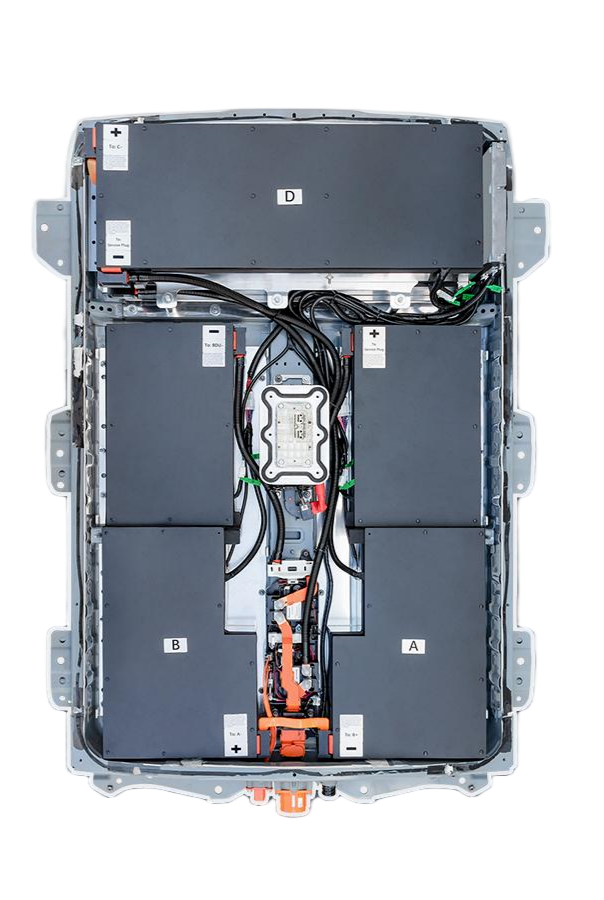
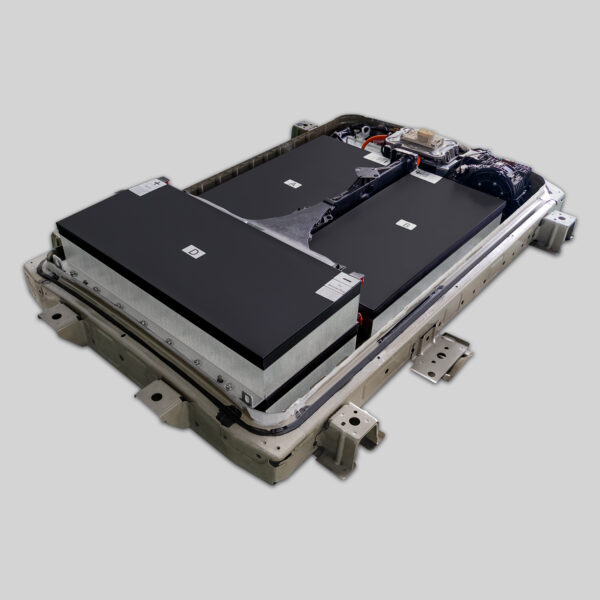
- Brand-New CATL Cells: Unlike many competitors who reuse old cells, we utilize brand-new, top-tier cells from CATL. This guarantees maximum energy density and longevity, giving you the confidence to drive in any weather.
- Cost Efficiency: We offer these premium batteries at a fraction of the OEM cost—saving you over 50%.
- Unbeatable Warranty: We back our quality with a robust 2-year / 80,000 km warranty. This includes coverage for performance degradation, ensuring your battery maintains at least 70% capacity.
Expert Insight: A new 62kWh battery from a trusted manufacturer like CNS doesn’t just restore your range; it restores the car’s original safety and thermal management capabilities, which are vital for winter driving.
📊 CNS Battery vs. The Alternatives: A Dutch Winter Comparison
Let’s break down why choosing the right battery partner matters for your winter survival kit.
| Feature | CNS BATTERY (Premium Choice) | Refurbished/Used Batteries | OEM (Original Manufacturer) |
|---|---|---|---|
| Cell Quality | Brand-New CATL Cells (Top-tier performance) | Recycled/Old Cells (Risk of swelling/decay) | Original Factory Cells |
| Winter Performance | Stable voltage, minimal range loss | Unpredictable, often fails in cold | Stable (But degrades over time) |
| Warranty | 2 Years / 80,000 km (Industry-leading) | Often None or Very Short | Usually 8 years/100,000 miles (But expensive) |
| Cost | ~50% cheaper than OEM | Cheap upfront, high repair risk | Very Expensive |
| Best For | Long-term reliability & winter safety | Short-term fixes (High risk) | Budget-insensitive drivers |
🛠️ Maintenance Checklist Before the Cold Hits
Before the next cold snap hits the Netherlands, perform this quick check:
- Inspect the Coolant: Ensure the battery coolant levels are correct. This fluid helps regulate the battery temperature.
- Check the 12V Battery: A weak 12V battery can prevent the high-voltage system from activating in the cold.
- Software Update: Make sure your Leaf’s software is up to date. Nissan sometimes releases updates that improve thermal management.
🏁 Conclusion: Drive with Confidence This Winter
Winter in the Netherlands doesn’t have to mean range anxiety. By combining smart driving habits with a reliable, high-performance battery, you can enjoy the full 62kWh potential of your Nissan Leaf all year round.
If you are considering an upgrade or a replacement to ensure your car is ready for the next season, don’t settle for risky refurbished packs. Choose the reliability of brand-new technology.
Ready to upgrade your winter driving experience?
Get a free, no-obligation quote today and discover how a CNS battery can give you peace of mind on every journey.
❓ Frequently Asked Questions (FAQ)
Q1: How much range will I lose in my Leaf 62kWh during a Dutch winter?
A: In typical Dutch winter conditions (around 0°C to 5°C), you can expect a reduction of approximately 10% to 20% in city driving. On the highway, where the heater is running constantly, this can increase to 30%. This means your 400km+ summer range might feel more like 280km to 320km in the depths of winter.
Q2: Is it bad to charge my Leaf in the rain or snow?
A: No, it is perfectly safe. Modern EVs, including the Nissan Leaf, are designed with high IP ratings to protect against water ingress. However, if the charging port or cable is covered in ice or snow, clear it off before plugging in to avoid damaging the connectors.
Q3: Should I leave my Leaf plugged in during the winter?
A: Yes, it is highly recommended. Keeping your Leaf plugged in allows the thermal management system to maintain the battery at an optimal temperature. This preserves the charge for driving and ensures the battery is ready for fast charging.
Q4: What makes CNS batteries better for cold climates than other aftermarket brands?
A: The key difference is cell quality and BMS calibration. Many aftermarket brands use recycled or lower-grade cells that suffer from high internal resistance in the cold, leading to voltage drops. CNS batteries use brand-new CATL cells, which have superior cold-weather chemistry and consistency, ensuring stable power delivery even when it is freezing outside.