❄️ The Ultimate Winter Survival Guide for Nissan Leaf 24kWh Owners in New Zealand
As the crisp winter air settles over the South Island and the days grow shorter, many Nissan Leaf ZE1 (24kWh) owners in New Zealand face a familiar challenge: range anxiety.
While the 24kWh battery was a pioneer in the EV market, its Achilles’ heel is its limited capacity, which shrinks even further in cold temperatures. If you are struggling to make it through your daily commute or worried about getting stranded on a frosty morning, this guide is for you.
As an expert in EV battery solutions, I have helped hundreds of Leaf owners in similar climates optimize their vehicles. In this article, I will share the definitive strategies to survive winter, including battery maintenance tips and the ultimate long-term upgrade solution.
📉 Why Does Your 24kWh Range Drop in NZ Winters?
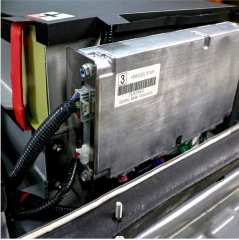
Before we jump into the solutions, let’s understand the physics. The 24kWh battery pack, found in early Leaf models (2011-2015), has a nominal capacity that is already modest for New Zealand’s winding roads.
When winter hits, two major factors attack your range:
- Battery Chemistry: Lithium-ion batteries experience reduced chemical reactivity in cold weather. This means the battery struggles to deliver electrons efficiently, reducing available power.
- Cabin Heating: Unlike petrol cars that use waste engine heat, the Leaf uses electricity to heat the cabin. Running the heater on full blast can consume up to 30% of your battery power.
🧣 Essential Winter Driving Techniques
You don’t need to buy a new car just yet. By adopting these driving habits, you can squeeze every last kilometre out of your current battery.
1. Pre-Conditioning is Key
Always plug in your Leaf overnight. Modern Leafs allow you to heat the battery and cabin while still connected to the grid. Do not start your drive with a cold battery. Driving with a warm battery significantly improves efficiency.
2. Embrace Eco Mode
In winter, Eco Mode is your best friend. It limits the power output to the motor, preventing rapid discharge and heat generation that can destabilize aged cells.
3. Master Regenerative Braking
Use the Eco+ or B-Gear mode aggressively. In hilly areas like Dunedin or Wellington, use the regen to slow down instead of the friction brakes. Every bit of energy recovered counts.
🔋 The Long-Term Solution: Upgrading Your Powertrain
If you find yourself constantly calculating distances or unable to run the heater, it might be time to consider a permanent solution. Upgrading your battery is the most effective way to reclaim your freedom.
Based on our extensive experience at CNS BATTERY, here is a comparison of your options:
| Feature | Standard 24kWh (Original) | Refurbished 24kWh | CNS 62kWh New Battery |
|---|---|---|---|
| Winter Range | ~40-50 km (Severely Limited) | ~40-50 km (Unreliable) | ~200-220 km |
| Cabin Heating | Not feasible for long trips | Drains battery instantly | Comfortably usable |
| Cell Quality | Degraded/Original | Used/Salvaged | Brand New CATL Cells |
| Warranty | N/A (Expired) | Usually 6 Months | 2 Years / 80,000 km |
Why Upgrade to a 62kWh Battery?
For Leaf ZE1 owners, the logical upgrade is to a 62kWh lithium battery pack. This isn’t just a capacity boost; it is a complete powertrain modernization.
- Double the Winter Range: A 62kWh pack provides roughly 2.5 times the energy of your current battery. Even with a 40% winter loss, you will still have ample range for daily life in Auckland, Christchurch, or Queenstown.
- New Technology: Unlike your current aged cells, a new pack from a specialized manufacturer uses advanced Battery Management Systems (BMS) that are optimized for thermal management.
- Cost Efficiency: Buying a new 24kWh replacement is throwing good money after bad. Investing in a high-capacity upgrade extends the life of your reliable ZE1 chassis for another decade.
🛠️ The CNS BATTERY Advantage for NZ Owners
As a leading manufacturer specializing in Nissan EV batteries, we understand the specific needs of owners looking to upgrade from the 24kWh model.
Original Factory Standard R&D
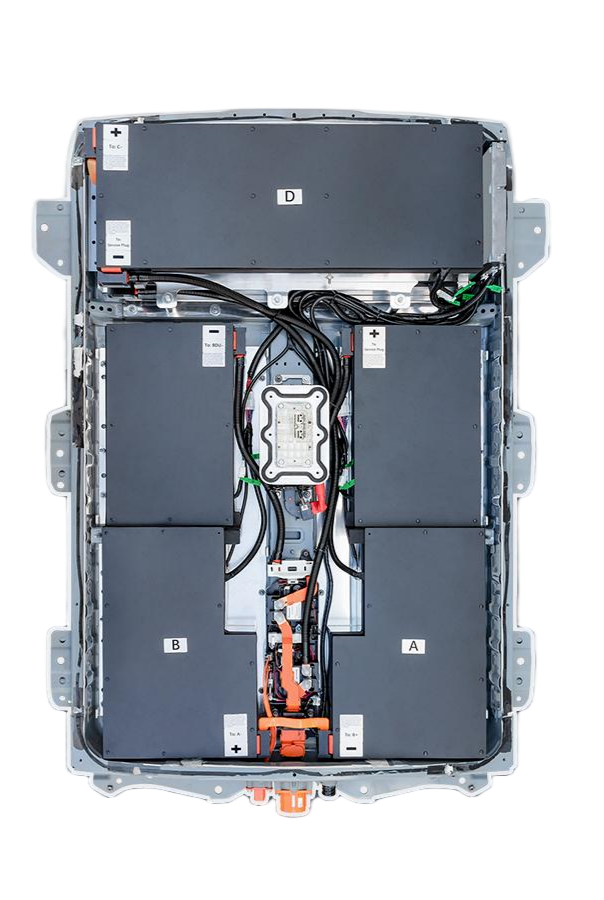
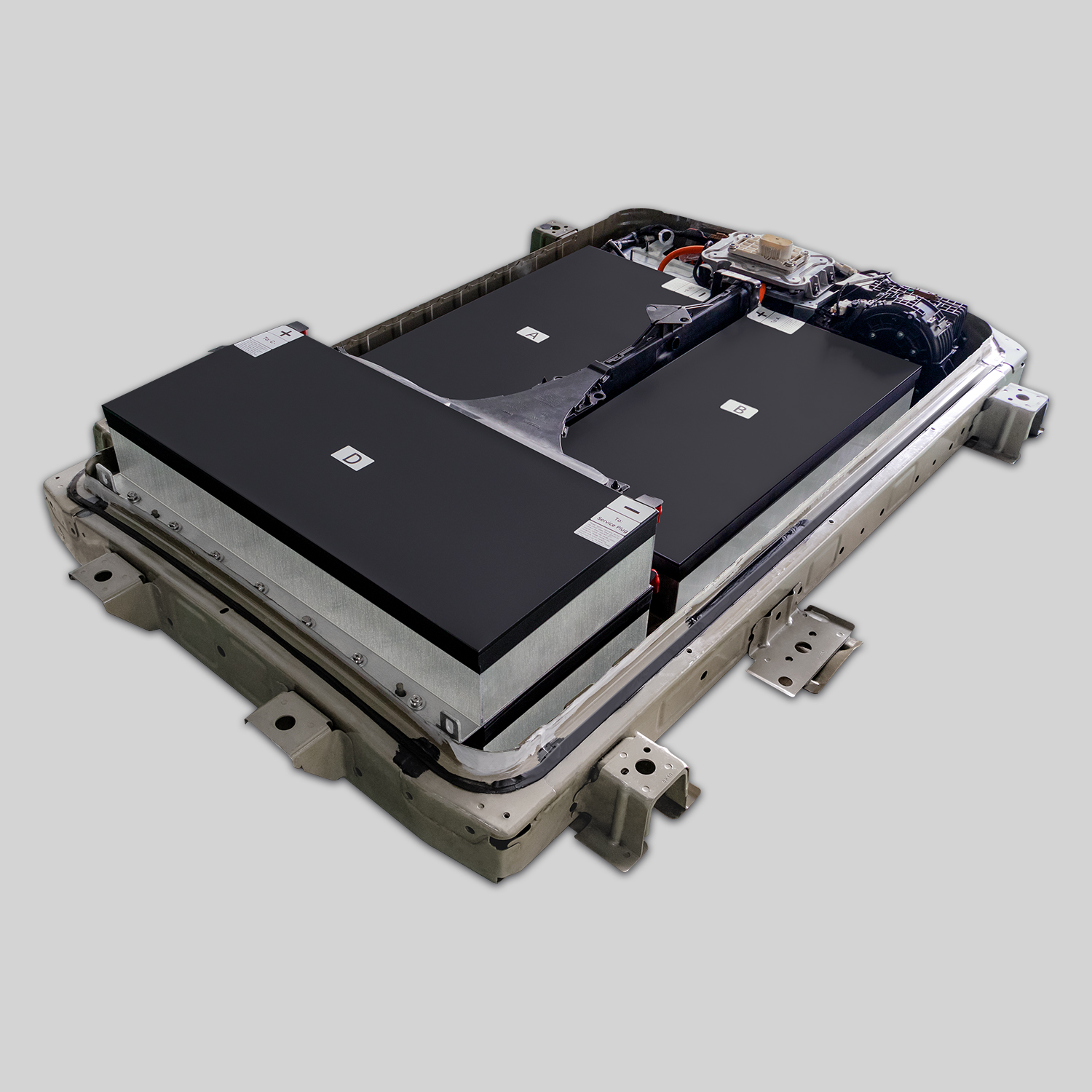
We don’t just stuff cells into a box. Our 62kWh lithium battery packs are engineered to meet OEM standards. This means the dimensions, voltage, and communication protocols are perfectly matched to your Leaf, ensuring a seamless installation without modifications.
Ultimate Safety and Durability
Winter driving puts stress on batteries. Our packs utilize brand-new CATL battery cells, known for their superior thermal stability. Combined with our robust thermal insulation design, these batteries are built to handle the cold.
Unbeatable Warranty
We back our confidence with a 2-Year / 80,000 km warranty. This is significantly longer than the standard coverage offered by most aftermarket suppliers, giving you peace of mind that your winter survival investment is protected.
📝 Conclusion: Take Back Control This Winter
Owning a Nissan Leaf ZE1 in New Zealand doesn’t have to mean a winter of hibernation. By combining smart driving techniques with the possibility of a battery upgrade, you can transform your driving experience.
If you are tired of the limitations of the 24kWh battery and want to experience the joy of electric driving again, consider the upgrade path. It is the most cost-effective way to future-proof your vehicle against the cold.
Don’t let the winter freeze your plans. Contact our technical experts today for a free consultation on upgrading your Leaf.
Get Your Free Custom Quote Now
❓ Frequently Asked Questions (FAQ)
1. Is it worth repairing my old 24kWh battery?
Generally, no. The 24kWh battery technology is over a decade old. Repairing individual modules is often more expensive than the car is worth, and the capacity will still be insufficient for modern driving needs, especially in winter.
2. Will a 62kWh battery fit in my Leaf ZE1?
Yes. Our batteries are designed as OEM compatible replacements. They fit perfectly into the original chassis mounting points without any structural modifications to your vehicle.
3. How long does the installation take?
For a professional technician, installing a CNS battery typically takes 1-2 hours. We provide comprehensive installation guides and video tutorials to ensure a smooth process.
4. Do I need to modify the software or dashboard?
No major modifications are required. The CNS 62kWh battery communicates with the original Nissan BMS. While the dashboard “bars” might not reflect the full new capacity (as the dashboard was designed for 12 bars), the car will utilize the full 62kWh of energy. You can monitor the actual State of Charge (SoC) via the LEAF Spy app or similar OBD2 readers.
5. How does the price compare to a new car?
Upgrading with a CNS battery costs roughly 50% less than purchasing a brand new electric vehicle. It allows you to retain your paid-off, reliable Leaf chassis while gaining the performance of a modern EV.