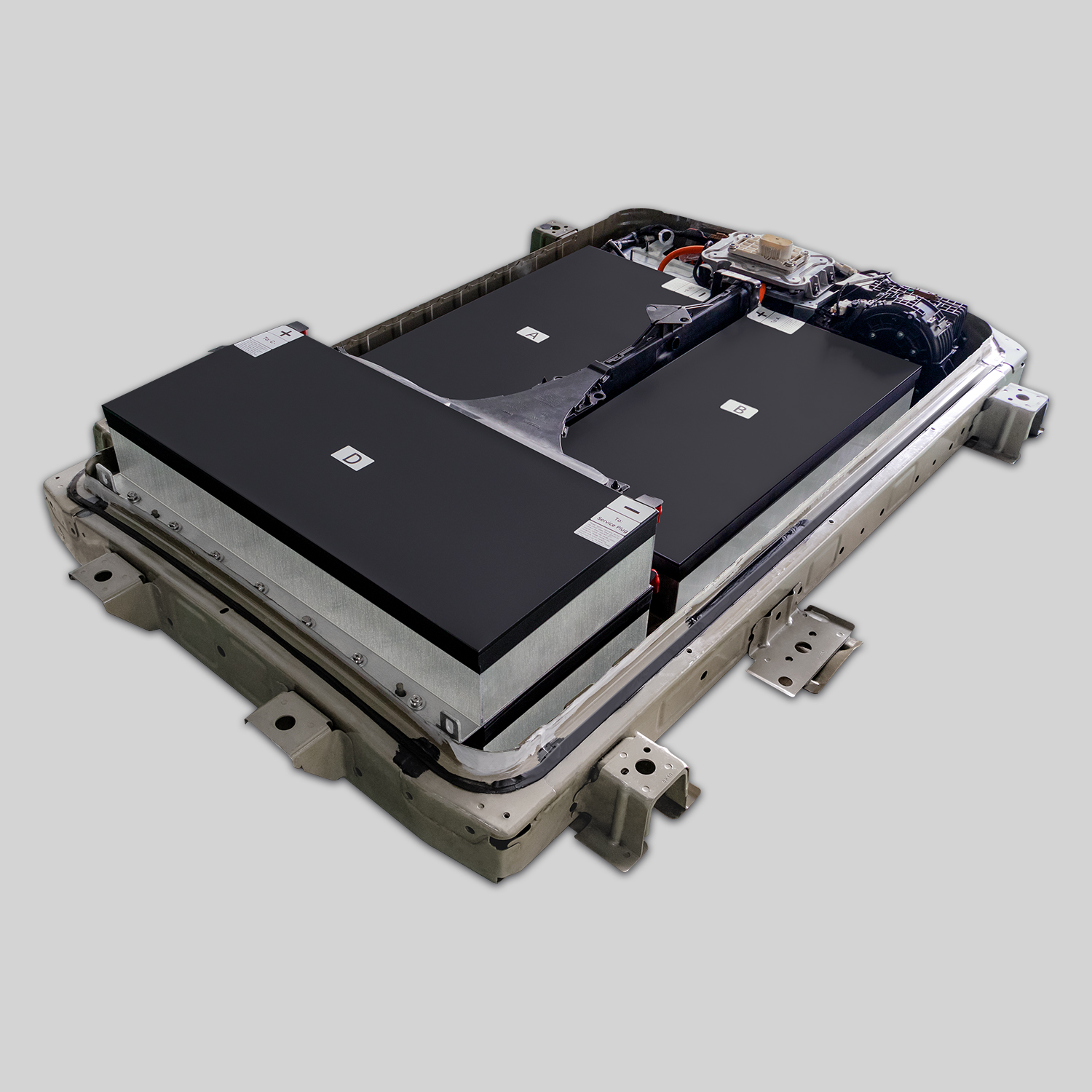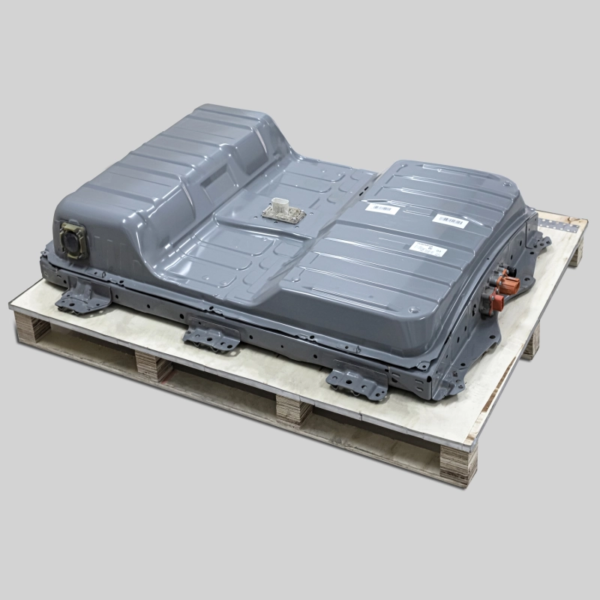
Why Your Nissan Leaf Needs a New 62kWh Battery Pack Now
The Nissan Leaf revolutionized the electric vehicle (EV) market, proving that sustainable daily commuting is achievable. However, like all technology, time takes its toll. If you are driving a Leaf from the early 2010s or even the mid-2010s, you are likely facing the harsh reality of battery degradation. The dreaded “range anxiety” has returned, and your car that once confidently handled highway trips now struggles to make it to the grocery store and back.
If you are hesitating to replace your battery because of the high cost of OEM (Original Equipment Manufacturer) parts, you are not alone. But in 2026, there is a solution that changes the economics of EV ownership: upgrading to a new 62kWh lithium battery pack.
This article explains why now is the perfect time to make the switch and how a high-quality aftermarket solution can breathe new life into your trusted vehicle.
⚡ The “Second Life” Milestone for Early EVs
We are currently at a pivotal moment in automotive history. The first wave of mass-produced EVs, including the Nissan Leaf ZE0 and ZE1 models, are hitting a critical mileage threshold—often referred to as the “second life” milestone.
- The Degradation Wall: Most early Nissan Leafs were equipped with 24kWh or 30kWh batteries. After 8-12 years of use, these cells have typically degraded to 50-60% of their original capacity. A car that once had a 120km range might now struggle to reach 60km.
- The Economic Crossroads: At this point, owners usually face two bad choices: scrap a mechanically sound car or pay exorbitant prices for a factory replacement.
The reality is this: Your Leaf’s chassis, suspension, and interior are likely still in excellent condition. The only component that has worn out is the battery. Replacing it with a modern 62kWh pack isn’t just a repair; it is a performance upgrade.
🚀 The Range Revolution: 62kWh vs. The Old Standard
Why specifically choose a 62kWh upgrade? Let us break down the transformation:
From “City Car” to “Road Trip Ready”: The older 24kWh/30kWh batteries limited the Leaf to short commutes. By installing a 62kWh pack, you are effectively giving your car the heart of a modern EV.
- Real-World Range: A 62kWh battery provides a realistic driving range of 350km to 430km on a single charge, depending on weather and driving style.
- Restored Confidence: This range eliminates the stress of daily charging. You can now plan weekend getaways, drive on the highway with the AC running, and forget about “range anxiety” entirely.
Performance Boost: Larger capacity batteries often come with improved discharge rates. This means your car will feel peppier during acceleration, especially when merging onto highways or climbing hills—something the older, depleted packs struggled with.
💰 The 2026 Value Proposition
In the past, the sticker shock of a new EV battery was a dealbreaker. However, the landscape has changed dramatically.
1. 50% Cost Savings You do not need to pay the premium factory price. High-quality aftermarket manufacturers, like CNS BATTERY, offer OEM-compatible 62kWh packs at roughly 50% of the cost of a new Nissan battery. This makes financial sense whether you are a private owner or a fleet manager.
2. Brand-New CATL Cells Unlike some “remanufactured” or recycled battery solutions that reuse old, degraded cells, a premium 62kWh upgrade utilizes brand-new, top-tier lithium cells (specifically from CATL, one of the world’s leading battery manufacturers).
- Why it matters: New cells guarantee maximum energy density, safety, and a long lifespan. You are not buying someone else’s used wear-and-tear.
3. Future-Proofing Your Investment With gas prices remaining volatile and new car prices at record highs, keeping your current vehicle on the road is the smartest financial move. A new 62kWh battery ensures your Leaf will remain a reliable daily driver for another 8-10 years.
🛡️ Addressing the Elephant in the Room: Safety & Warranty
We understand that “aftermarket” can sometimes sound risky when it comes to high-voltage components. This is why choosing the right supplier is crucial.
When evaluating a 62kWh replacement, look for these trust signals:
- Unbeatable Warranty: A reputable provider should back their product with a strong warranty, such as 2 years or 80,000 km. This coverage should include protection against defects and ensure the battery maintains at least 70% capacity during the warranty period.
- OEM Precision Fit: The battery pack must be engineered to meet OEM standards. This means the voltage, connectors, and Battery Management System (BMS) must communicate seamlessly with your Leaf’s original software without requiring “hacks” or modifications that void other warranties.
- Plug-and-Play Installation: The best solutions are designed for direct replacement. If a mechanic (or a confident DIYer) can install it in 1-2 hours without cutting wires, it proves the engineering integrity of the product.
📝 The Upgrade Process: Simple & Secure
Making the switch to a 62kWh battery is simpler than you think. It is a straightforward three-step process:
- Assessment: Provide your VIN (Vehicle Identification Number) to a technical expert. They will confirm compatibility with your specific Leaf model (ZE0, ZE1, or AZE0).
- Selection: Choose the 62kWh option. Some suppliers even offer different外壳 (housings) or connections to match your exact year.
- Installation: Once delivered, the old, degraded pack is removed, and the new one is bolted in. Most users report that the BMS programming syncs on the first try, and the car recognizes the new capacity immediately.
🗨️ Real User Experience: Mark T.’s Story
To put this into perspective, consider the experience of Mark T. from California, a recent customer who upgraded his 2015 Nissan Leaf ZE0:
“The original battery in my car lasted 8 years, but the range had dropped to only 120km. Replacing it with an original manufacturer battery would cost $16,000, which was ridiculous! After comparing options, I chose a 62kWh battery… which cost only $7,800, less than half the price. Now, the full charge range is 430km… I’ve been using it for almost a year, and the battery capacity is still at 11 out of 12 bars.”
This story is becoming the norm, not the exception.
📋 Conclusion: Don’t Retire, Revive
If your Nissan Leaf is suffering from the “old battery blues,” do not let it sit in the driveway or sell it for scrap value. The technology exists right now to transform it into a modern, long-range electric vehicle.
Upgrading to a new 62kWh lithium battery pack is no longer a niche experiment; it is a mainstream, cost-effective solution. You get the reliability of a new car battery at half the price, with the peace of mind of a comprehensive warranty.
Take the first step today. Get a free, no-obligation quote and see how much range and value you can add back to your vehicle.
Get Your Free Custom Quote Now
❓ Frequently Asked Questions (FAQ)
1. Is a 62kWh battery compatible with my older Nissan Leaf model (like ZE0)? Yes, it is designed to be compatible. High-quality 62kWh packs are engineered to match the OEM standards of the Nissan Leaf, including the older ZE0, ZE1, and AZE0 models. The voltage, communication protocols, and physical dimensions are built to fit seamlessly. However, it is always recommended to confirm compatibility with your specific VIN before purchasing.
2. How long does the installation take, and do I need special tools? Professional installation typically takes 1-2 hours. The process is generally plug-and-play, meaning it uses the existing connectors in your car. You do not need to cut wires or modify the chassis. Basic mechanic tools (wrenches, screwdrivers) are sufficient. Most suppliers provide detailed installation videos and manuals to assist with the process.
3. What kind of warranty should I expect with a new 62kWh aftermarket battery? You should expect a warranty that matches or exceeds industry standards. A reputable manufacturer offers a minimum of a 2-year or 80,000 km warranty. This coverage usually includes protection against manufacturing defects and guarantees that the battery will retain a specific capacity (e.g., 70% or higher) throughout the warranty period.
4. Will this void my car’s remaining factory warranty? A high-quality OEM-compatible battery should not void your car’s remaining factory warranty. Since these packs are designed to operate at the exact same voltage and specifications as the original, they do not trigger fault codes or modifications that manufacturers typically use to deny warranty claims. Always check your specific vehicle warranty terms, but generally, replacing a worn-out consumable part (the battery) with an OEM-spec part is considered standard maintenance.
5. How much does a 62kWh replacement battery cost compared to a Nissan OEM replacement? Aftermarket 62kWh batteries typically cost about 50% less than purchasing a new battery directly from Nissan. While an OEM replacement can cost upwards of $12,000 to $16,000 USD, a premium aftermarket pack with brand-new cells usually falls in the $7,000 to $8,500 USD range, offering significant savings.