
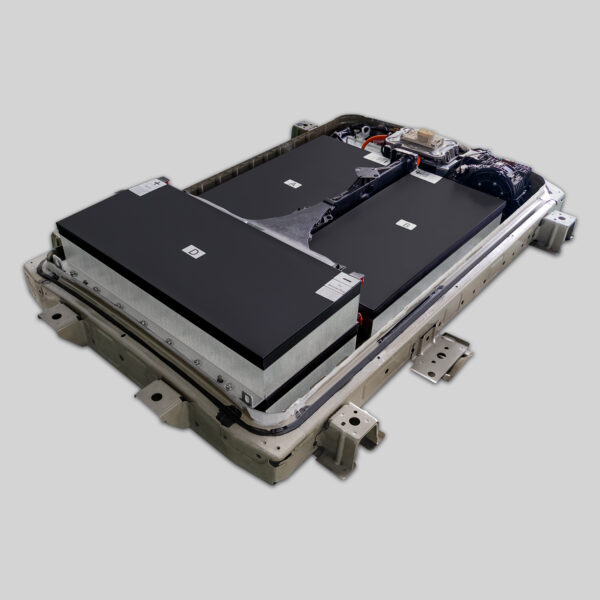
Why Used Car Buyers Prefer CATL-Powered LEAFs Over OEM
The Electric Vehicle (EV) market is shifting. While brand-new EVs grab headlines, the real revolution is happening in the used car market. As a seasoned expert in the Nissan Leaf and BMW i3 battery replacement sector, I have witnessed a distinct trend: savvy buyers are no longer settling for the original, degraded battery packs. Instead, they are demanding CATL-powered upgrades.
Why is this happening? Because the original equipment manufacturer (OEM) batteries from a decade ago simply cannot compete with the modern energy density, safety, and lifespan offered by Contemporary Amperex Technology Co. Limited (CATL). If you are considering buying a used Nissan Leaf or BMW i3, choosing a vehicle retrofitted with a CATL battery is not just an upgrade—it is a necessity for long-term ownership satisfaction.
The “Battery Degradation” Trap in Used EVs
Let’s be honest: the biggest fear when buying a used EV is the “black box” of the battery. A 2015 Nissan Leaf might look pristine, but if it still has the original 40kWh pack, you are inheriting a ticking time bomb of range anxiety.
The reality is stark:
- Original Batteries: After 8-10 years, OEM packs often degrade to 50-60% capacity. A car that once did 150 miles now struggles to reach 80.
- Cost Barrier: Replacing these with OEM parts is prohibitively expensive (often $12,000 – $16,000).
- Performance Lag: Older chemistries lack the fast-charging capabilities and thermal stability of modern cells.
This is where the aftermarket, specifically CATL-powered solutions, steps in to save the day. By opting for a used car that has already undergone a battery transplant, buyers bypass the depreciation curve and jump straight into modern EV performance.
Why CATL is the Gold Standard for EV Enthusiasts
Not all replacement batteries are created equal. At CNS BATTERY, we exclusively utilize brand-new, original CATL cells. Here is why this specific chemistry is preferred by used car buyers over OEM options:
1. Superior Energy Density and Range
CATL is the world’s largest battery manufacturer for a reason. Their cells offer significantly higher energy density compared to the first-generation packs found in early Leafs and i3s.
- Real-World Impact: Upgrading a Leaf ZE0 from an old 24kWh to a new 40kWh or 62kWh CATL pack increases the range from a meager 60 miles to a robust 200+ miles.
- Longevity: CATL cells are engineered for durability. While OEM packs degrade rapidly in heat, CATL chemistry maintains stability, often retaining 90% capacity even after 50,000 km of use.
2. Safety and Thermal Management
Safety is non-negotiable. CATL cells are renowned for their robust thermal runaway protection.
- Unlike refurbished or recycled cells (which are a gamble), new CATL cells come with rigorous factory testing.
- They handle extreme temperatures better, reducing the risk of swelling or failure—a critical factor for buyers in hot climates.
3. The “50% Cost” Advantage
This is the primary driver for used car buyers. Why pay full price for a depreciated asset when you can get a new core for half the cost?
- OEM Replacement: ~$15,000 (if available).
- CATL Aftermarket: ~$7,500 – $8,500.
- The Math: By purchasing a used car with a CATL battery already installed, you effectively get a “new” car experience at “used” car pricing.
The CNS BATTERY Difference: More Than Just Cells
As an industry leader, CNS BATTERY doesn’t just drop cells into a box. We engineer solutions that outperform the OEM.
OEM vs. CNS (CATL-Powered)
| Feature | Original Equipment Manufacturer (OEM) | CNS BATTERY (CATL) |
|---|---|---|
| Cell Quality | 1st Generation Tech, Often Degraded | Brand New CATL Cells, Top-Tier Safety |
| Warranty | Often Expired or Short (100k km) | 2 Years / 80,000 km (Whichever Comes First) |
| Price | $12,000 – $16,000+ | ~50% Less Than OEM |
| Compatibility | Factory Match | OEM Standard (Plug-and-Play, No Mods) |
| Support | Dealership Fees | Lifetime Technical Support, Video Guides |
The “Plug-and-Play” Revolution
One of the biggest hurdles for used car buyers is the fear of complex installation. CNS BATTERY solves this with OEM-standard design.
- Perfect Fit: Our packs are engineered to match the original dimensions and connectors of the Nissan Leaf (ZE0, ZE1, AZE0) and BMW i3.
- No Coding Nightmares: We handle the BMS programming so that the car recognizes the new battery as if it rolled off the factory line.
Real Stories: Why Buyers Switched
Based on our customer feedback, the decision to go with a CATL-powered solution is driven by economics and performance.
The Case of Mark T. (California):
Mark purchased a used 2015 Leaf. Instead of spending $16,000 on an OEM replacement, he opted for a 62kWh CNS CATL pack for $7,800. The result?
- Range: Jumped from 120km to 430km.
- Value: Saved nearly $10,000.
- Peace of Mind: With a 2-year warranty, he drives without fear of failure.
The Case of Lisa K. (Berlin):
Lisa needed a battery for her BMW i3. The OEM quote was €12,000. She chose CNS.
- Satisfaction: She noted the “same quality as the original” but with a better warranty.
- Support: Our remote video guidance helped her through the installation, proving that support matters more than brand labels.
Making the Right Choice: A Buyer’s Guide
If you are in the market for a used Nissan Leaf or BMW i3, follow this advice:
- Inspect the Battery History: Ask the seller if the battery has been replaced. If it still has the original pack, factor in the $10k+ replacement cost.
- Demand CATL: When looking at replacement packs, specifically ask for CATL cells. Avoid “recycled” or “refurbished” cells—they are a ticking time bomb.
- Check the Warranty: A short or non-existent warranty is a red flag. At CNS, our 2-year warranty is a testament to our confidence in the product.
- Consider the Upgrade: If you find a car with a 40kWh pack, consider upgrading to 62kWh during the replacement. It future-proofs your investment.
Conclusion
The preference for CATL-powered Leafs over OEM isn’t just a trend; it is a logical response to the economics of EV ownership. By choosing a used car equipped with a modern, high-quality aftermarket battery, buyers are getting the best of both worlds: the affordability of a used car and the performance of a new one.
Don’t let the fear of a dead battery stop you from joining the EV revolution. With CNS BATTERY, you can transform a depreciated Leaf into a reliable, long-range machine.
Ready to upgrade your used EV? Get a free, no-obligation quote today and see how much you can save compared to OEM prices.
Frequently Asked Questions (FAQ)
Q1: Is a CATL battery better than the original Nissan Leaf battery?
Yes, in almost every measurable way. Modern CATL cells offer higher energy density (more range), better thermal management (safer in heat), and longer cycle life. The original packs from 2010-2015 used older chemistries that degrade faster.
Q2: How much does it cost to replace a Nissan Leaf battery with a CATL pack?
Prices vary based on capacity (40kWh, 62kWh, etc.), but generally, a CATL pack from CNS BATTERY costs approximately 50% less than an OEM replacement. For example, where an OEM pack might cost $16,000, a comparable CNS CATL pack starts significantly lower.
Q3: Does installing an aftermarket battery void my car’s warranty?
Generally, the original vehicle warranty may be expired on older Leafs. However, CNS BATTERY provides its own comprehensive warranty: 2 years or 80,000 km. We also offer VIN compatibility checks to ensure the installation does not conflict with any remaining vehicle systems.
Q4: Can I install a CATL battery myself?
Yes. CNS BATTERY packs are designed for plug-and-play installation. We provide detailed video tutorials and even offer remote video guidance from our technicians. Most professional mechanics can install it in 1-2 hours.
Q5: Are these batteries safe?
Safety is our top priority. We use only brand-new, certified CATL cells and rigorous Battery Management Systems (BMS). Unlike cheap, recycled cells, CATL cells have passed global safety standards, ensuring zero failure during your ownership.


