Why Portland and Seattle Are Hubs for Nissan Leaf Battery DIYers
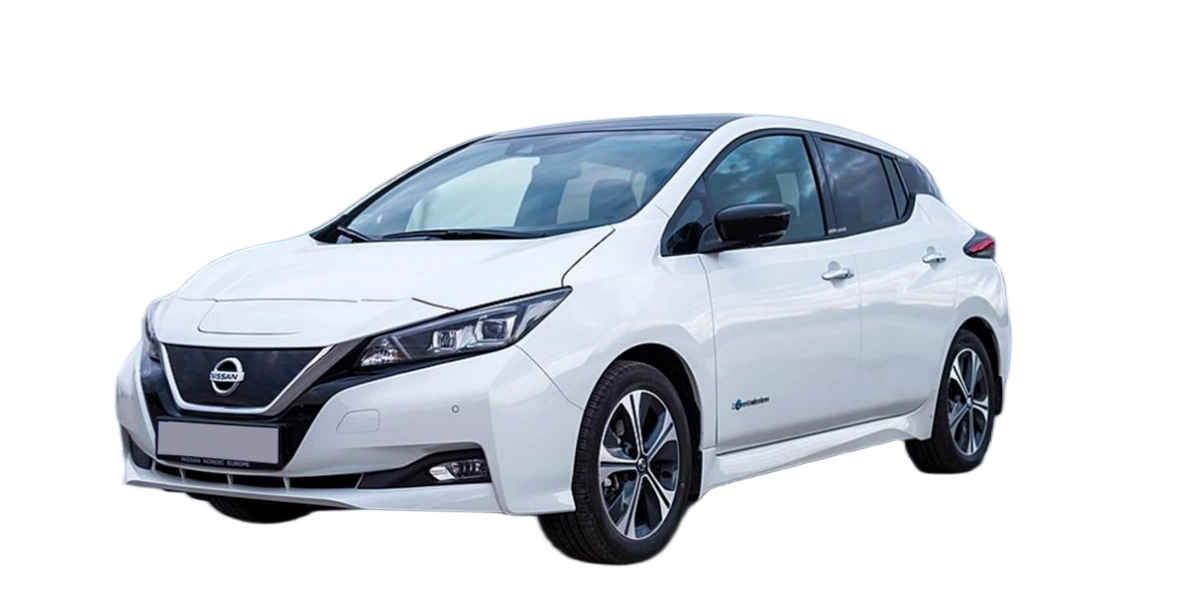
If you drive a Nissan Leaf in the Pacific Northwest, you are part of a unique automotive ecosystem. Cities like Portland, Oregon, and Seattle, Washington, have some of the highest concentrations of electric vehicles (EVs) in the United States. This isn’t just about environmentalism; it is a practical response to the region’s geography and incentives.
For Leaf owners in these areas, the journey often follows a similar path: years of reliable, low-cost commuting, followed by the inevitable reality of battery degradation. However, unlike drivers in other parts of the country, those in Portland and Seattle have developed a distinct culture of DIY battery replacement. Why? Because the math and the mechanics make it the smartest choice.
This article explores why the Pacific Northwest is a hotspot for Leaf DIYers and how upgrading your battery with a modern, high-capacity pack can revitalize your vehicle for another decade of service.
The Perfect Storm: Why the Pacific Northwest Loves the Nissan Leaf
Before diving into the “how” of battery replacement, it is crucial to understand the “why” behind the region’s affinity for the Leaf.
1. The Geography of Efficiency
The topography of the Pacific Northwest is a natural match for the Leaf’s original battery capacity. Portland and Seattle are relatively flat cities surrounded by hills and water. The Leaf’s initial range was perfectly adequate for the dense urban environments and short commutes typical of these metro areas.
2. The Charging Infrastructure
Oregon and Washington were early adopters of EV infrastructure. The West Coast Electric Highway ensures that even long trips between Portland and Seattle (or further north and south) are feasible. This infrastructure gave early adopters the confidence to buy in, leading to a massive installed base of Leafs that are now hitting the 10-15 year mark.
3. The “Leaf Belt” Phenomenon
Just like the Rust Belt, there is a distinct “Leaf Belt” in the Northwest. Because so many people drive them, there is a robust secondary market for parts, a wealth of local mechanic knowledge, and a strong community of enthusiasts who share tips and tricks for keeping these cars on the road.
The DIY Imperative: Why Replacing the Battery Makes Sense
For many drivers outside of high-EV-density areas, a degraded battery means a trip to the scrapyard. However, for the resourceful DIYers in Portland and Seattle, a dying battery is just a maintenance interval.
The Cost of Complacency
Replacing a Nissan Leaf battery with an OEM (Original Equipment Manufacturer) unit can cost upwards of $15,000 to $16,000. For a car that might be valued at $4,000 to $6,000 on the used market, this is financially impossible for most.
The DIY Reality Check: If you live in a region where EVs are the norm, scrapping a perfectly good chassis with functional motors and suspension because of a battery is seen as wasteful. The Pacific Northwest ethos of sustainability drives the desire to repair rather than replace.
The Rise of the Third-Party Solution
This is where the market stepped in to save the Leaf. Third-party manufacturers, leveraging advancements in lithium-ion technology, began offering complete battery packs at a fraction of the OEM cost. These aren’t refurbished salvage units; they are new packs built with fresh, high-grade cells.
The CNS Advantage for the DIY Enthusiast
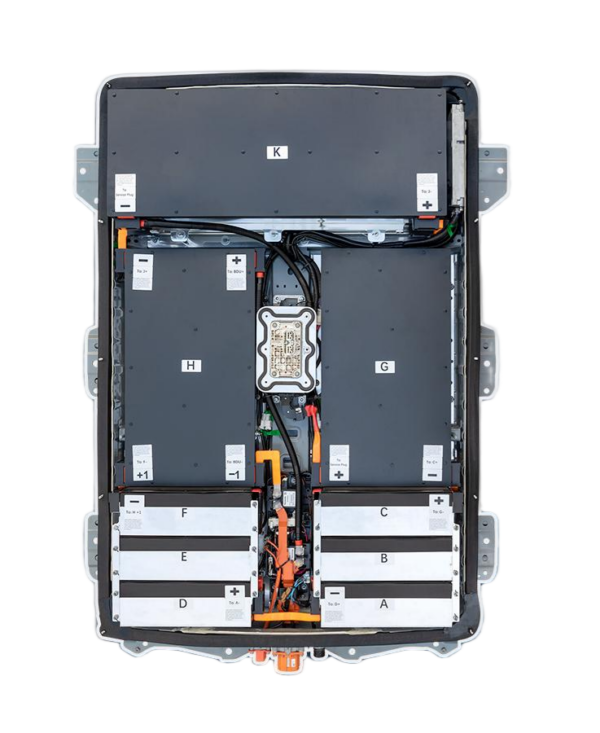
When you are a DIYer looking to crack open your Leaf’s chassis, you need a partner you can trust. You aren’t just buying a box of cells; you are buying a complex electronic system that needs to integrate seamlessly with your car’s BMS (Battery Management System).
This is where CNS BATTERY stands out as the preferred choice for knowledgeable DIYers who want reliability without the factory price tag.
1. Plug-and-Play Engineering
One of the biggest fears for a home mechanic is “bricking” the car. CNS batteries are engineered for OEM compatibility. This means:
- Precise Fitment: The chassis rails and mounting points match the original Nissan design perfectly.
- System Integration: The wiring harnesses and connectors are designed to mate directly with your Leaf’s (ZE0, ZE1, AZE0) existing ports.
- No Hacking Required: Unlike early aftermarket solutions that required cutting wires, a CNS pack is designed to be a direct physical and electrical replacement.
2. Built with Top-Tier Components
DIY doesn’t mean “cheap.” CNS utilizes brand-new, high-performance cells from CATL (Contemporary Amperex Technology Co. Limited), one of the world’s leading battery manufacturers. This ensures:
- Thermal Stability: Critical for the damp climate of the Pacific Northwest.
- Long Cycle Life: These cells are rated for thousands of charge cycles, meaning your DIY project will last for years.
- Safety: Advanced Battery Management Systems prevent overcharging and overheating.
3. Unbeatable Value
The economics are what bring people to the table. A CNS battery offers the quality of a new OEM pack at roughly 50% of the cost. For a Portland or Seattle DIYer, this transforms an impossible $16,000 repair into a manageable $7,000 to $8,000 upgrade.
The DIY Process: From Garage to Glory
Replacing a Leaf battery is a significant project, but it is well within the reach of a dedicated home mechanic. Here is what the process looks like for a typical CNS battery installation:
- The Assessment: Before you even buy, you verify compatibility. Whether you drive a 2011 model or a 2023 model, confirming the VIN and model code (ZE0, ZE1, etc.) is step one.
- The Preparation: You gather basic tools—wrenches, screwdrivers, and a torque wrench. Safety gear, like insulated gloves, is a must when dealing with high-voltage systems.
- The Swap: The old battery comes out. This can take a few hours as you disconnect the high-voltage cables and unbolt the chassis.
- The Installation: The new CNS pack goes in. Because of the OEM-standard design, the bolts line up, and the connectors fit.
- The Moment of Truth: You reconnect the power and watch the BMS initialize. With CNS, this process is smooth, and the battery registers with the car’s computer without complex reprogramming in most cases.
Pro Tip: While the process is designed to be DIY-friendly, CNS offers video call installation guidance. If you hit a snag with a stubborn bolt or a wiring question, you can get a technician on a video call to walk you through it.
Beyond the Leaf: The e-NV200 Connection
It is worth noting that this DIY culture isn’t limited to sedan owners. In Seattle and Portland, the Nissan e-NV200 is a popular choice for mobile businesses and fleet owners.
Just like the Leaf, the e-NV200 suffers from range anxiety as its original battery degrades. The solution? The same philosophy applies. Upgrading an e-NV200 with a new 40kWh or 50kWh lithium battery pack from a reliable source like CNS allows small business owners to keep their vans running without the astronomical cost of a new commercial van.
The Future of the Pacific Northwest Leaf
The Nissan Leaf is more than just a car in Portland and Seattle; it is a symbol of early adopter innovation. As these vehicles age, the choice is clear: either let them rust away, or embrace the DIY spirit of the region and give them a second life.
By choosing a high-quality, compatible replacement battery, you are not just saving money. You are extending the life of a vehicle that helped pave the way for the EV revolution.
If you are a DIYer in the Pacific Northwest looking to keep your Leaf or e-NV200 on the road for another 100,000 miles, the technology and support are available. You don’t need a factory dealership; you need a reliable battery partner.
Ready to Revive Your Ride?
Don’t let battery degradation end your EV journey. Explore your options for a seamless Nissan Leaf or e-NV200 battery upgrade.
Get Your Free Custom Quote Now
Frequently Asked Questions (FAQ)
Q1: Is it safe for a home mechanic to replace a Nissan Leaf battery?
Yes, but safety is paramount. As long as you follow proper high-voltage safety protocols (disconnecting the 12V battery first, wearing insulated gloves, and not piercing the cells), it is a safe procedure. CNS batteries come with detailed installation manuals and video tutorials to guide you through each step safely.
Q2: Will a replacement battery void my car’s warranty?
Since the Nissan Leaf is typically out of the original manufacturer’s warranty by the time the battery needs replacing, this is rarely an issue. However, a high-quality aftermarket battery like those from CNS is designed to be a standalone replacement and does not interfere with the remaining mechanical components of the car.
Q3: How much range can I expect after installing a new battery?
You can expect the full rated range of the new pack. For example, upgrading a degraded 24kWh pack to a new 62kWh lithium battery pack can restore your range to approximately 200+ miles (depending on driving conditions and the specific Leaf model).
Q4: What is the warranty on a DIY replacement battery?
CNS offers an industry-leading warranty of 2 years or 80,000 km on their automotive batteries. This provides peace of mind that your DIY project is backed by a manufacturer who stands by the quality of their cells and construction.
Q5: Can I upgrade my battery to a higher capacity than the original?
Absolutely. This is one of the biggest advantages DIYers in the Pacific Northwest take advantage of. You can often fit a larger capacity pack (like going from 40kWh to 62kWh) into the existing chassis, significantly boosting your range without modifying the car’s exterior.