The Ultimate Guide for Nissan Leaf ZE0 50kWh Owners in Canada: Why Downgrade to 40kWh?
Nissan Leaf ZE0 50kWh owners in Canada are facing a unique dilemma. While the 50kWh battery offers a decent range, the harsh Canadian climate—especially the freezing winters—can turn that range into a major anxiety trigger. Many savvy Canadian Leaf owners are discovering a counterintuitive solution: upgrading to a Nissan Leaf ZE0 40kWh battery.
At first glance, this seems illogical. Why would you downgrade from 50kWh to 40kWh? The answer lies in the specific chemistry and thermal management of the ZE0 platform, combined with the cost of ownership in Canada. This guide will explain why this “downgrade” is actually a strategic upgrade for reliability and value.
🤔 The “Cold Truth” About the ZE0 50kWh Battery in Canada
The Nissan Leaf ZE0 (2013-2017) 50kWh battery was a pioneering technology, but it has a critical weakness for Canadian drivers: its chemistry is highly sensitive to cold temperatures.
- The “Winter Range” Trap: In summer, your 50kWh Leaf might give you a respectable 150-160 km. However, in a Canadian winter (-10°C to -20°C), that range can plummet by 40% or more. You might be left with a terrifying 90 km of range, barely enough to get you to work and back.
- Heating System Strain: Unlike newer Leafs, the ZE0 relies on a resistive heating system that draws massive power directly from the high-voltage battery. This doesn’t just cool the cabin; it drains the battery rapidly.
- Thermal Management: The 50kWh pack lacks the advanced thermal management found in later models. This means the cells degrade faster in extreme cold, leading to permanent capacity loss.
For Canadian drivers, the “extra” 10kWh in the 50kWh pack often evaporates in the cold, leaving you with a heavy, expensive, and anxiety-inducing battery.
⚖️ The 50kWh vs. 40kWh Showdown
To understand why the 40kWh is becoming the preferred choice, let’s compare the two options head-to-head for a Canadian context.
| Feature | Nissan Leaf ZE0 50kWh | Nissan Leaf ZE0 40kWh (The Upgrade) |
|---|---|---|
| Winter Usable Range | Low (Often < 100km) | Moderate (Reliable 120km+) |
| Battery Weight | Heavier (More strain on suspension) | Lighter (Better handling in snow) |
| Heating Impact | Severe (Drains battery quickly) | Manageable (Less mass to heat) |
| Replacement Cost | Very High (Scarce supply) | Affordable (High supply) |
| Cold Weather Reliability | Poor (Sensitive chemistry) | Good (More robust in cold) |
💡 The “Smart Strategy”: Why 40kWh is the Smart Choice
For Canadian Leaf owners, switching to a 40kWh battery isn’t about losing range; it’s about gaining predictability.
1. The “Weight-to-Range” Ratio in Snow
In snowy Canadian conditions, a lighter car is often more efficient. The 40kWh battery is significantly lighter than the 50kWh. This reduces the rolling resistance and makes the car easier to handle on icy roads. While you lose raw capacity, you gain efficiency in the specific driving conditions of Canada.
2. The Cost of “Range Anxiety”
Replacing a degraded 50kWh battery in Canada is notoriously expensive. Because these batteries are older and prone to degradation, the supply of good used units is low, and the prices are high. By switching to a 40kWh, you open up the market to a massive inventory of used and refurbished packs. This allows you to get a higher quality 40kWh pack (e.g., with 90% health) for the same price as a mediocre 50kWh pack (e.g., with 60% health). A healthy 40kWh pack will perform better than a degraded 50kWh pack.
3. The “Second Car” Scenario
Many Canadian ZE0 50kWh owners who are considering this switch are using the Leaf as a secondary commuter car. For a daily commute under 80km, the 40kWh is more than sufficient. It allows you to save thousands of dollars on the battery replacement cost, which can be better spent on winter tires or a garage heater.
🛠️ How to Execute the Upgrade: A Step-by-Step Guide
If you’ve decided that switching to a 40kWh is right for you, here is the process to ensure a smooth transition.
Step 1: The VIN Compatibility Check
Before you buy anything, you must verify that your specific ZE0 chassis can accept a 40kWh pack. While most can, there are minor wiring differences between the 50kWh and 40kWh variants. Do not buy a battery without a pre-purchase compatibility check.
Step 2: Sourcing the Right Battery
You have two options:
- Used OEM: Finding a used 40kWh pack from a scrap yard. Be cautious of the health report.
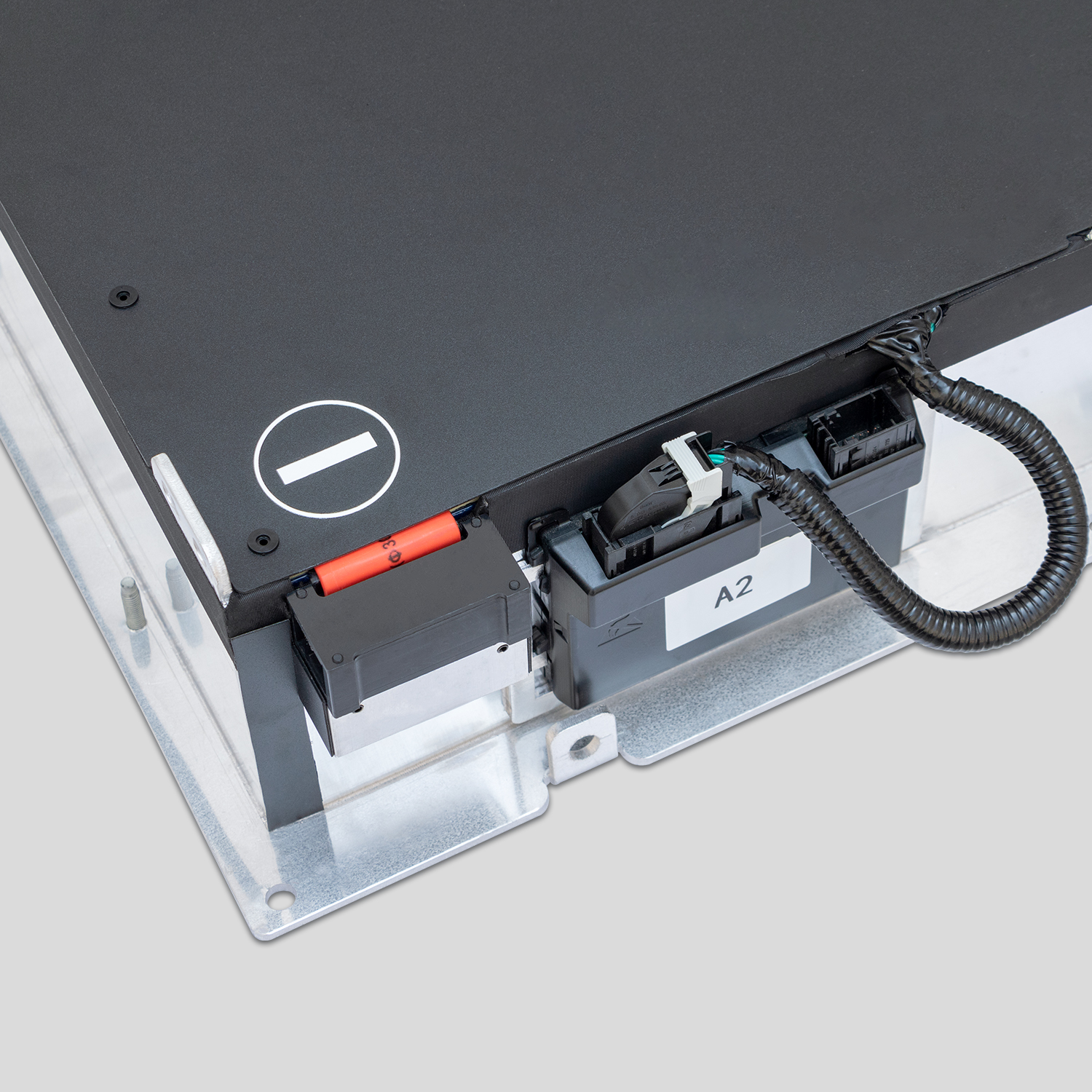
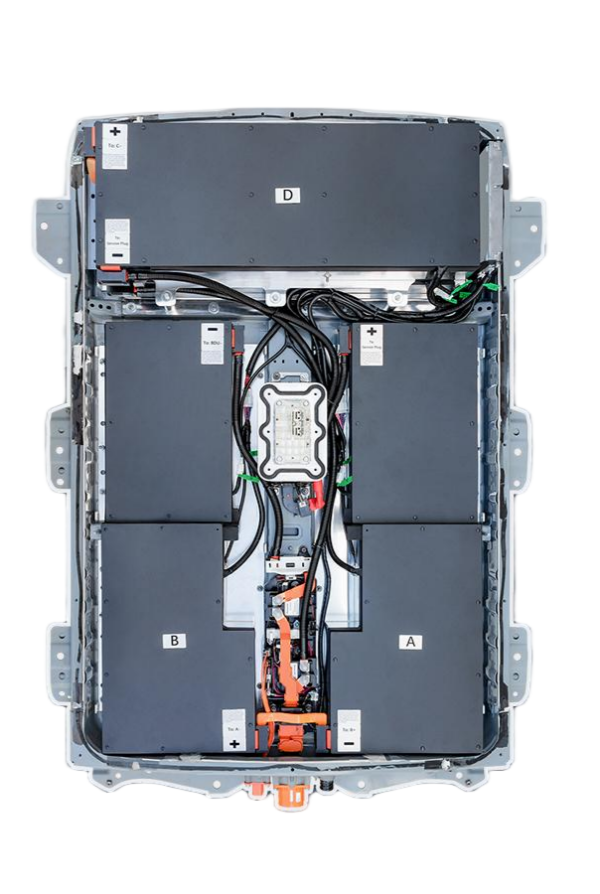
- Aftermarket (Recommended): Companies like CNS BATTERY specialize in manufacturing compatible Nissan Leaf batteries. We offer the Nissan Leaf ZE0 40kWh lithium battery pack, designed to OEM standards but with modern cell technology.
Step 3: The Installation Process
The physical installation is relatively straightforward. The 40kWh pack bolts into the ZE0 chassis in the same location as the 50kWh. However, there is a critical step:
- The BMS Swap: You must transfer the Battery Management System (BMS) from your old 50kWh pack to the new 40kWh pack. This “tricks” the car into thinking it still has the 50kWh software limits, preventing error codes.
Step 4: Winterization
Since you are likely doing this upgrade to combat the cold, consider adding a battery heater pad or ensuring your garage is heated during the winter months to maximize the 40kWh performance.
🏆 Why Choose CNS BATTERY for Your Canadian Upgrade?
As a Canadian Leaf owner, you need a supplier that understands the unique challenges of the market. Here is why partnering with a specialized manufacturer like CNS is the best choice for your ZE0 40kWh upgrade.
1. Unbeatable Warranty for the North
We understand that batteries in Canada face harsher conditions. That is why we offer an industry-leading 2-Year / 80,000 km warranty. Most Canadian aftermarket suppliers offer only 1 year. Our warranty covers defects and performance degradation, ensuring your investment is protected against the cold.
2. Genuine CATL Cells
Unlike refurbished “junkyard” batteries, CNS batteries are built using brand-new CATL (Contemporary Amperex Technology Co. Limited) cells. CATL is the world’s largest battery manufacturer, and their cells are renowned for their durability and safety in extreme temperatures.
3. Expert Technical Support
Switching battery sizes can be confusing. Our technical team offers video call installation guidance. If you get stuck wiring the BMS or connecting the harness, an expert can guide you through it in real-time, saving you a trip to the mechanic.
4. DDP Shipping to Canada
We handle all the logistics. We offer DDP (Delivered Duty Paid) service to Canada, meaning you don’t have to worry about customs clearance or surprise brokerage fees. The battery arrives at your door, ready to install.
📝 Conclusion: A Practical Solution for Canadian Drivers
For Nissan Leaf ZE0 50kWh owners in Canada, upgrading to a 40kWh battery is not a step backward; it is a pragmatic step toward affordable, reliable, and stress-free electric motoring.
By accepting a slightly lower theoretical range, you gain a lighter, cheaper, and more robust vehicle that is better suited to Canadian winters. You save thousands of dollars on the battery cost, which can be reinvested into winter safety gear.
If you are ready to end the range anxiety and battery degradation issues of your 50kWh Leaf, contact us today for a free quote on a Nissan Leaf ZE0 40kWh battery.
Get Your Free Custom Quote Now
❓ Frequently Asked Questions (FAQ)
Q1: Will my car think I have the wrong battery size and throw an error?
A: If installed correctly, no. You must transfer the BMS (Battery Management System) from your old 50kWh pack to the new 40kWh pack. This retains the 50kWh software parameters, preventing error codes on the dashboard.
Q2: Is the 40kWh battery physically smaller? Will it rattle in the chassis?
A: The 40kWh and 50kWh packs for the ZE0 use the same outer casing and mounting points. The internal module arrangement is different, but the physical dimensions are identical. It fits perfectly without any rattling.
Q3: How much does it cost to ship a battery to Canada?
A: At CNS, we offer DDP (Delivered Duty Paid) shipping. This means the price you see includes all shipping costs, customs duties, and taxes. There are no surprise fees when the battery arrives at your door.
Q4: Can I install this myself, or do I need a mechanic?
A: Many Canadian owners successfully install these batteries themselves. The process is bolt-on, but it requires high-voltage safety knowledge. We provide detailed installation videos and PDF manuals. If you are not comfortable, we strongly recommend hiring a certified EV mechanic.
Q5: What is the lifespan of a new 40kWh battery in a Canadian climate?
A: Our batteries use new CATL cells with a lifespan of over 3000 cycles. Even in a harsh Canadian climate, you can expect 8-10 years of reliable service with proper care. Our 2-year warranty provides additional peace of mind.