Why e-NV200 Combi 30kWh Owners in Australia are Upgrading to 68kWh
If you are driving a Nissan e-NV200 Combi in Australia, you know the struggle. The original 30kWh battery simply does not cut it for the vast distances and demanding workdays Down Under. You are likely staring at the battery gauge more than the road, constantly calculating if you have enough juice to finish your last delivery or make it home before dark.
You are not alone. Across Australia, e-NV200 owners are hitting a wall—literally and figuratively. But there is a solution that is rapidly gaining traction: upgrading to a 68kWh lithium battery pack.
As a specialist in Nissan EV batteries, I have seen a massive shift in the market. This isn’t just about adding a few extra kilometers; it is about transforming your vehicle from a nervous city cruiser into a confident long-haul workhorse. Let’s dive into why this specific upgrade is the game-changer for Australian e-NV200 owners.
The Range Reality Check: 30kWh vs. 68kWh
Let’s get straight to the numbers. The math here is not just impressive; it is life-changing for your daily operations.
The stock 30kWh battery in the e-NV200 gives you a theoretical range of about 170km. In the real world—factoring in air conditioning (which is essential in the Australian heat), hills, and traffic—this often drops to 120km or less. That means you are lucky to finish a half-day’s work before needing to find a charger, often sitting idle for hours.
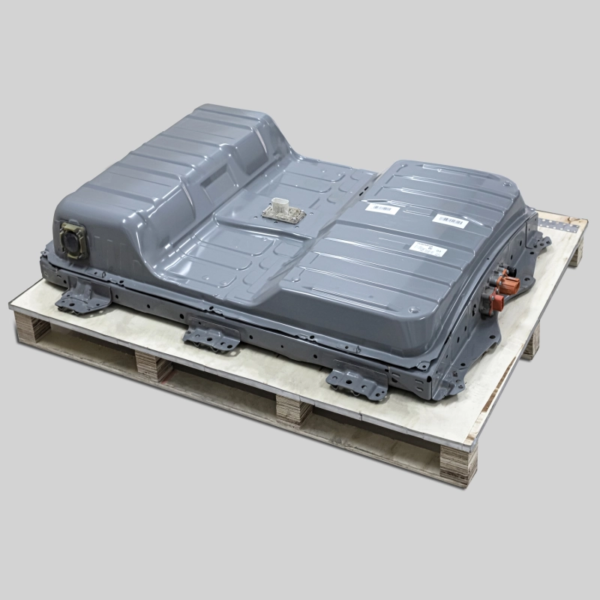
Now, imagine swapping that out for a 68kWh lithium battery pack.
This upgrade nearly triples your energy capacity. We are talking about a real-world range of 340km to 380km. Suddenly, you aren’t just surviving the workday; you are dominating it. You can handle full 8-10 hour shifts, navigate sprawling suburbs, and even take weekend trips without the “range anxiety” that plagues older EV owners.
Expert Insight: For Australian logistics and tradespeople, this is the difference between needing two vehicles to cover a day’s work and relying on just one.
Overcoming the “EV Graveyard” with Smart Upgrades
Australia has a unique EV landscape. While new EV sales are rising, there is a massive fleet of older Nissan e-NV200 vans that are mechanically perfect but suffering from degraded batteries. Many owners feel forced to scrap a van with low mileage simply because the battery is dead or too expensive to replace through OEM channels.
This is where the aftermarket comes in. Upgrading to a high-capacity pack like the 68kWh is a form of “resurrection.”
Instead of paying exorbitant prices for a new factory unit or scrapping a perfectly good van, you are installing a modern, high-density lithium-ion solution. This isn’t just an upgrade; it is a sustainability win. You are extending the life of your vehicle by another 5-10 years, keeping usable metal out of landfills and saving thousands of dollars in the process.
The Australian Climate Challenge
One of the biggest hurdles for EVs in Australia is the climate. From the scorching heat of Perth summers to the freezing mornings in Tasmania, batteries take a beating.
The original 30kWh packs lacked the thermal mass and advanced Battery Management Systems (BMS) needed to handle these extremes efficiently. When the battery is small, every degree of temperature change has a massive impact on the usable range.
A 68kWh lithium battery pack, however, is engineered with modern thermal insulation and robust BMS protocols. The larger capacity acts as a buffer. Even if the heat saps 10-15% of your range, you still have enough power left to function effectively. This resilience makes the 68kWh upgrade not just desirable, but necessary for reliability across the diverse Australian terrain.
Why Choose a 68kWh Over Other Options?
You might be wondering, “Why 68kWh specifically? Why not 40kWh or 50kWh?”
It comes down to the “sweet spot” for the e-NV200 chassis.
- Weight Distribution: The e-NV200 was designed with a specific payload in mind. A 68kWh pack fits perfectly within the structural limits of the vehicle while maximizing energy density.
- Future-Proofing: Technology is moving fast. Installing a 68kWh pack ensures you won’t need to upgrade again for a very long time. It matches the capacity of modern long-range EVs.
- Performance: With more cells and higher capacity, the van accelerates smoother and maintains highway speeds without draining the battery at an alarming rate.
The Economic Advantage for Australian Businesses
Let’s talk money. As a business owner, your bottom line is everything.
- Cost of Downtime: Every hour your van is charging or sitting idle is money lost. Doubling your range means halving your charging stops.
- Fuel Savings: While the 30kWh van might need nightly fast charging (which is expensive), the 68kWh van can often rely on cheaper off-peak home charging.
- Resale Value: A van with a brand-new 68kWh pack is worth significantly more than one with a dead battery. It is an investment that pays dividends.
Making the Switch: What to Expect
If you are convinced that the 68kWh upgrade is right for your e-NV200, here is what the process looks like.
1. Compatibility Check
First, you need to ensure your specific model year and VIN are compatible. This isn’t a one-size-fits-all job. You need a supplier who understands the intricacies of the Nissan platform.
2. The Installation
While some mechanics can handle this, it is crucial to use the right tools and programming. The new 68kWh lithium battery pack needs to communicate correctly with your vehicle’s BMS. This is where professional guidance or a plug-and-play solution is vital.
3. The Aftermath
Once installed, you will need to recalibrate your driving habits. You won’t need to hunt for chargers every 50km. You can finally drive your e-NV200 like a normal car.
Frequently Asked Questions (FAQ)
Q1: Is the 68kWh battery a direct replacement for the 30kWh?
Yes, it is designed as a drop-in replacement. However, because the voltage and capacity are different, the BMS programming often needs to be updated to recognize the new capacity. This is a standard procedure for experienced EV technicians.
Q2: How long does the installation take?
For a professional workshop, the physical swap usually takes 1-2 hours. The programming and testing phase might add another hour to ensure everything is communicating correctly.
Q3: What is the warranty on a 68kWh lithium battery pack?
Reputable manufacturers, like CNS BATTERY, offer comprehensive warranties. You can expect coverage of 2 years or 80,000 km, covering defects in materials and workmanship, ensuring your investment is protected.
Q4: Will this void my vehicle’s warranty?
If your vehicle is still under the original manufacturer’s warranty, any modification can potentially affect it. However, most e-NV200 Combis on the road are out of warranty. For peace of mind, it is recommended to get a compatibility check before purchasing.
Ready to Transform Your e-NV200?
Upgrading from a 30kWh to a 68kWh lithium battery pack is no longer a niche experiment; it is a practical necessity for Australian drivers. It turns your anxiety-ridden short-range van into a capable, long-distance machine.
Don’t let the limitations of the past hold you back. If you are ready to triple your range and reclaim your freedom on the road, it is time to explore your upgrade options.
Get a Free Custom Quote for your Nissan e-NV200 today.