Upgrade to New 30kWh for Nissan Leaf Efficiency
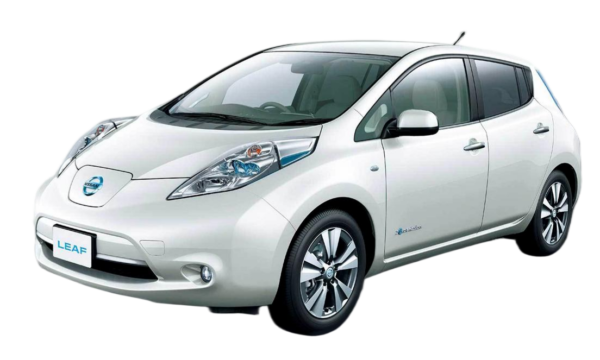
For Nissan Leaf owners, the fear of dwindling range and the sticker shock of dealership battery replacements are two of the most common reasons for premature vehicle retirement. However, the electric vehicle (EV) aftermarket has evolved, offering high-quality, cost-effective alternatives that breathe new life into these reliable cars. If you are looking to restore your Nissan Leaf’s efficiency without breaking the bank, upgrading to a 30kWh lithium battery pack is a strategic solution that balances performance, affordability, and practicality.
While the industry often focuses on high-capacity 40kWh or 62kWh upgrades, there is a specific niche for the 30kWh solution—particularly for older ZE0 models originally equipped with 24kWh packs, or for commercial users of the e-NV200 who prioritize payload over long-distance cruising. This guide will walk you through why this specific capacity is gaining traction among savvy EV owners and repair shops.
Why Choose a 30kWh Upgrade?
The Nissan Leaf generation spanning the ZE0 and early ZE1 models initially launched with 24kWh battery packs. Over time, these cells degrade, often losing 30-40% of their original capacity. Simply replacing the old pack with another 24kWh unit often feels restrictive for modern driving needs. This is where the 30kWh lithium battery pack comes into play.
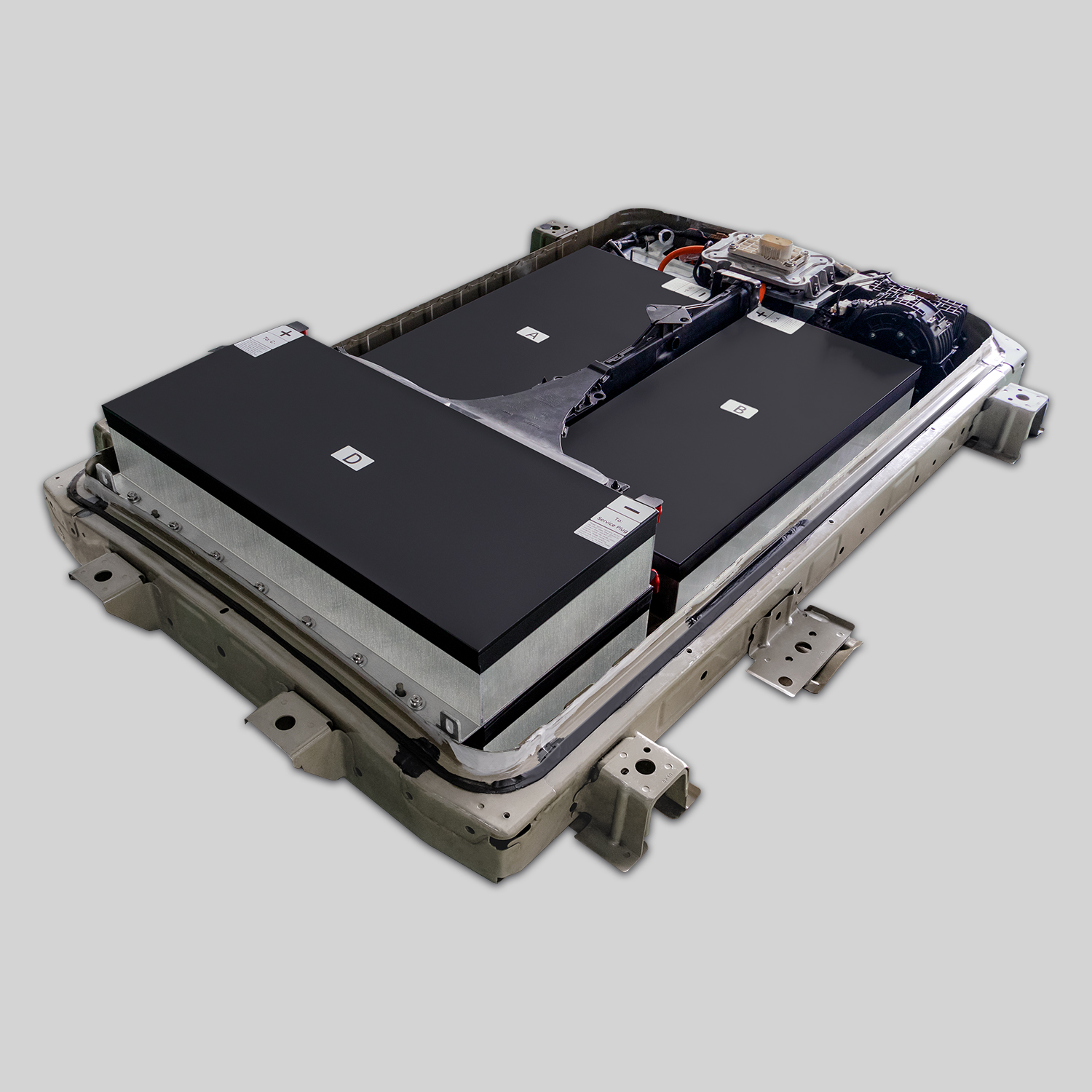
Unlike a full “Plus” upgrade (which requires significant modifications to the Battery Management System (BMS) and cooling lines), a 30kWh pack is often engineered as a direct drop-in replacement. It offers a substantial 25% increase in total energy compared to the stock 24kWh, translating to real-world range improvements that combat “range anxiety” in city driving.
For fleet operators using the Nissan e-NV200, this upgrade is particularly compelling. The e-NV200 is prized for its cargo space and reliability. By installing a 30kWh pack, businesses can extend daily operational hours without the need for mid-day charging, improving logistical efficiency.
The Cost vs. Performance Equation
One of the primary hurdles for EV owners is the prohibitive cost of Original Equipment Manufacturer (OEM) batteries. Dealership replacements can often cost upwards of $10,000 to $16,000, making the car economically unviable to repair.
Upgrading to an aftermarket 30kWh solution, such as those engineered by specialized manufacturers, offers a dramatic reduction in cost—often saving owners 50% or more compared to OEM prices. This isn’t about cutting corners on quality; it is about removing the brand premium while maintaining, or even exceeding, the safety and durability standards of the original factory parts.
This “Goldilocks” zone of capacity (bigger than stock, but not a full Plus conversion) also minimizes stress on the vehicle’s original charging port and thermal management system, ensuring a longer service life for the entire powertrain.
Technical Specifications and Compatibility
When exploring a 30kWh lithium battery pack for your Nissan, it is crucial to understand the technical specifics to ensure compatibility with your specific chassis (ZE0, ZE1, or e-NV200).
| Feature | Standard 24kWh (Stock) | Upgraded 30kWh Solution | Performance Impact |
|---|---|---|---|
| Nominal Voltage | ~360V | ~360V (Compatible) | Maintains compatibility with stock inverter/motor |
| Cell Chemistry | Lizard/NMC (Aged) | Brand New CATL NMC | Higher energy density, better cold-weather performance |
| Dimensions | OEM Standard | OEM Standard | Plug-and-Play installation |
| Warranty | N/A (Used/Refurb) | 2 Years / 80,000 km | Long-term peace of mind |
Key Compatibility Notes:
- Nissan Leaf ZE0 (2011-2015): Perfect for restoring range. The 30kWh pack fits seamlessly into the existing battery cradle.
- Nissan e-NV200: Ideal for commercial use where weight and cost are critical factors.
- Installation: Most 30kWh upgrades are designed for “Plug-and-Play.” This means the connectors match the factory harnesses, and the BMS programming is often compatible with the stock vehicle software, eliminating the need for expensive re-flashing in many cases.
The CNS Advantage: Quality and Support
When investing in a battery—the most expensive component of an EV—you need assurance of quality and support. Manufacturers specializing in Nissan and BMW EV batteries, like CNS, leverage over a decade of R&D in lithium-ion technology.
Why this upgrade is reliable:
- Brand New Cells: Unlike refurbished “junkyard” batteries, a new 30kWh pack utilizes brand new CATL (Contemporary Amperex Technology Co. Limited) cells. CATL is a global leader in battery technology, used by premium brands like Tesla and BMW. This ensures you are not inheriting someone else’s battery degradation.
- Robust Construction: These packs are built to withstand vibration and thermal stress. The casing is designed to integrate with the Leaf’s existing liquid cooling channels, ensuring the cells operate within their optimal temperature range.
- Comprehensive Warranty: A significant differentiator is the warranty coverage. While many low-cost alternatives offer no warranty or very short coverage, a reputable 30kWh solution comes with a 24-month or 80,000-kilometer warranty. This coverage includes protection against defects and guarantees that the battery will retain at least 70% of its capacity during the warranty period.
Real-World Benefits for Owners and Repair Shops
For the DIY Owner:
The upgrade process is straightforward. After disconnecting the 12V battery, the old pack is unbolted from the chassis. The new 30kWh pack is then lowered in, the connectors are mated, and the system is tested. Many owners report that with basic mechanical skills and the help of online tutorials, this is a weekend project that saves thousands in labor costs.
For the Repair Shop:
Stocking a 30kWh solution is a profitable business move. It allows shops to offer customers a “like-new” Nissan Leaf at a fraction of the cost of a full 62kWh conversion. The compatibility with the stock BMS means fewer technical hurdles during installation, leading to faster turnaround times and happier customers.
Frequently Asked Questions (FAQ)
Q1: Is a 30kWh battery a direct fit for my 2013 Nissan Leaf?
Yes, a 30kWh lithium battery pack is specifically designed as a direct drop-in replacement for the 24kWh packs found in Nissan Leaf ZE0 models (2011-2015). It uses the same physical dimensions and connector types, allowing for a Plug-and-Play installation without modifications to the chassis or wiring.
Q2: How much range can I expect from a 30kWh upgrade?
While the official rating might suggest a specific number, real-world driving varies. You can generally expect a driving range of approximately 110-140 miles (180-220 km) on a full charge in a standard Leaf. This is a significant improvement over a degraded 24kWh pack and is sufficient for daily commuting and urban delivery logistics in an e-NV200.
Q3: Do I need to modify my car’s software or BMS?
In most cases, no modification is required. Since the 30kWh capacity sits between the original 24kWh and the later 30kWh+ variants supported by the ZE0/ZE1 BMS, the car recognizes the new pack automatically. However, it is always recommended to check the specific programming requirements with the manufacturer based on your VIN.
Q4: What is the lifespan of a new 30kWh battery?
Utilizing brand new CATL NMC cells, these batteries are engineered for longevity. With proper maintenance and charging habits, you can expect the battery to last for over 8 years or 150,000+ miles. The 2-year warranty ensures that if any manufacturing defects occur, you are covered for a significant portion of the early ownership period.
Ready to restore your Nissan Leaf’s efficiency? Don’t let an old battery limit your driving. Get a free, no-obligation quote for your custom 30kWh upgrade solution today.