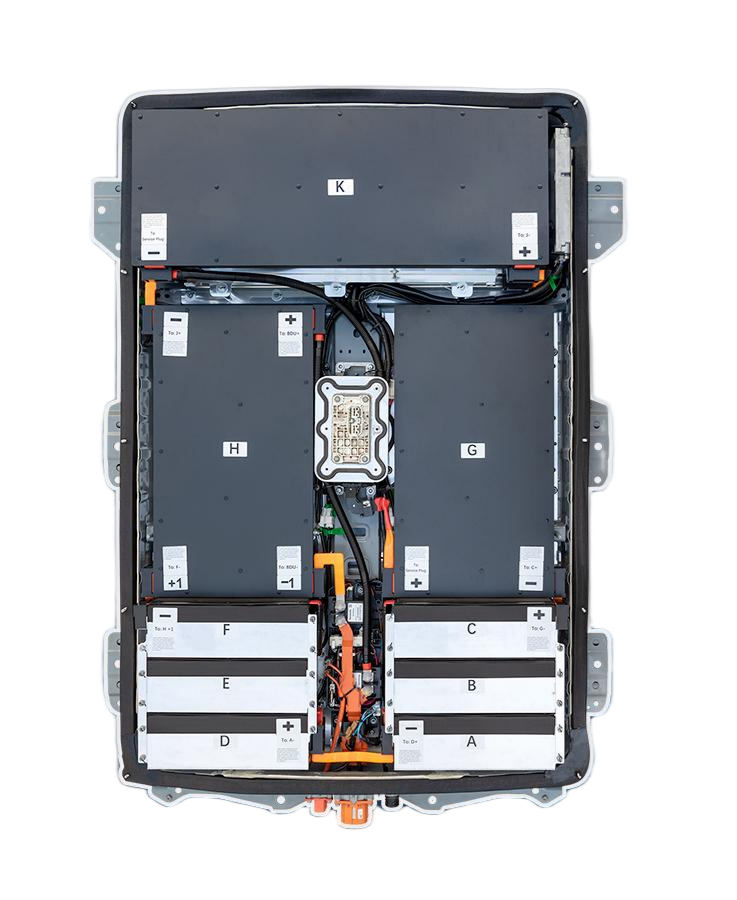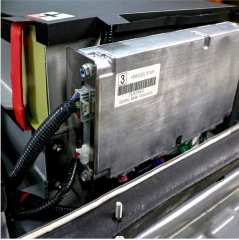
Ultimate Nissan e-NV200 24kWh to 62kWh Upgrade Tutorial
Is your Nissan e-NV200 struggling to keep up with your daily demands? If you own an early model (2010-2014) e-NV200, you likely know the frustration of the original 24kWh battery pack. With a real-world range often dipping below 80km (50 miles) due to age and degradation, running errands or making deliveries has become a logistical nightmare of constant charging.
The good news is that a complete resurrection of your van is possible. Upgrading from a 24kWh pack to a modern 62kWh lithium-ion battery is no longer science fiction—it’s a practical, cost-effective solution. This guide will walk you through why this upgrade is the ultimate “second life” for your e-NV200 and how to execute it safely and successfully.
🚚 Why Upgrade Your e-NV200? The Range Revolution
The Nissan e-NV200 was a pioneer in the electric van market, but technology has moved fast. The original 24kWh pack, based on first-generation Leaf technology, simply cannot compete with today’s standards.
The Transformation:
- Original Specs: 24kWh usable capacity | Approx. 100-120km (70 miles) new (now likely <60km).
- Upgraded Specs: 62kWh usable capacity | Approx. 340-380km (210+ miles) new.
- The Result: You are effectively turning a glorified golf cart into a modern, highway-capable electric workhorse.
This isn’t just about adding里程 (miles); it’s about eliminating “range anxiety” entirely. Whether you use the van for courier services, family trips, or city commuting, the 62kWh upgrade restores the vehicle to its full potential.
🔋 Choosing the Right 62kWh Battery Pack
Not all 62kWh batteries are created equal. To ensure a seamless upgrade, you need a pack specifically engineered for the Nissan platform.
Key Specifications to Look For:
- Voltage Compatibility: The battery must match the OEM voltage curve of the e-NV200 (approx. 300-360V system).
- BMS (Battery Management System): A robust, programmable BMS is crucial. It must communicate effectively with the Nissan Vehicle Control Module (VCM) to report State of Charge (SOC) accurately.
- Physical Dimensions: While the 62kWh pack is larger than the 24kWh unit, it must fit within the chassis rails without major modifications.
- Cell Chemistry: Look for batteries utilizing NMC (Nickel Manganese Cobalt) chemistry, specifically cells from top-tier manufacturers like CATL, to guarantee thermal stability and long cycle life.
Pro Tip: Avoid “jellyroll” or mismatched cell configurations. A proper upgrade uses high-quality prismatic cells to ensure even heat distribution and structural integrity.
🛠️ The Installation Process: What to Expect
Upgrading your battery is a significant modification, but it is a bolt-in replacement for those familiar with automotive electronics. If you are not a certified technician, we strongly recommend professional installation to preserve warranty coverage.
Step 1: Preparation and Safety
- Disconnect the 12V Battery: Always start by cutting power to the vehicle.
- Drain Coolant: The e-NV200 battery uses liquid cooling. You will need to drain the old coolant from the 24kWh pack before removal.
Step 2: Removal of the Old Pack
- The 24kWh pack is located under the floor of the van. Remove the interior floor panels and disconnect the high-voltage (HV) connectors and coolant lines.
- Unbolt the chassis mounts. This pack is heavy, so use a transmission jack or engine hoist.
Step 3: Fitting the 62kWh Pack
- Mounting: The 62kWh chassis brackets are designed to bolt directly into the factory mounting points.
- HV Connection: Connect the main HV cable. This is usually a plug-and-play Anderson connector or a factory-style HVIL (High Voltage Interlock Loop) plug.
- Cooling System: Reconnect the coolant lines. You may need adapter hoses, which should be included in your upgrade kit.
Step 4: BMS Configuration and Calibration
- This is the most critical step. The new battery’s BMS needs to be programmed to “speak Nissan.”
- Using an OBD2 scanner or a dedicated CAN bus tool, you will need to calibrate the SOC offset so that the dashboard gauge reads correctly (e.g., 100% full, 20% empty).
- Warning: Improper configuration can lead to over-discharging the cells, which permanently damages lithium batteries.
💰 Cost vs. Value: Is the Upgrade Worth It?
Let’s look at the financial logic. Replacing an old 24kWh pack with a “refurbished” OEM unit from a salvage yard might cost $3,000-$5,000, but you are still stuck with the same short range and aging technology.
The Upgrade Economics:
- Cost of a New 62kWh Pack: Approximately $8,000 – $10,000 (depending on supplier and cell quality).
- Value Gained: You effectively double the resale value of your van. A 2013 e-NV200 with a 24kWh battery might sell for $3,000. With a 62kWh upgrade, it becomes a $15,000+ vehicle.
- Savings: Compared to buying a new long-range EV van, this upgrade saves you over $30,000.
Real-World Example:
A fleet operator in Germany upgraded his 2012 e-NV200 fleet with 62kWh packs. His daily mileage per van jumped from 40km to over 250km. He avoided the capital expenditure of buying new vans and paid off the upgrade cost in fuel savings within 18 months.
🛡️ Trust and Reliability: The CNS BATTERY Advantage
When performing such a radical modification, trust in the component supplier is non-negotiable. At CNS BATTERY, we specialize in OEM-compatible powertrains for Nissan and BMW.
Why Professionals Choose CNS:
- OEM Standards: Our 62kWh packs are engineered to original factory specifications, ensuring perfect fitment and communication with the VCM.
- Premium Cells: We utilize brand-new, top-tier CATL cells, guaranteeing safety and a cycle life exceeding 3,000 cycles.
- Comprehensive Warranty: We back our work with an industry-leading 2-year / 80,000 km warranty, covering defects and performance degradation.
- Expert Support: Our technical team provides remote video guidance during installation to ensure your BMS programming is flawless.
Note: Upgrading your battery isn’t just about buying cells; it’s about buying the engineering behind them. Cheap knock-offs lack the sophisticated BMS protocols needed for Nissan vehicles, leading to dashboard errors or “Limp Mode.”
📝 Conclusion: Resurrect Your Ride
Upgrading your Nissan e-NV200 from 24kWh to 62kWh is the ultimate act of sustainability. You are taking a vehicle that was destined for the scrap heap due to “range anxiety” and transforming it into a viable, long-distance electric machine.
This isn’t just a battery swap; it’s a complete vehicle rebirth. If you are ready to double your van’s value and quadruple its range, the 62kWh upgrade is the definitive solution.
Ready to transform your Nissan e-NV200? Don’t gamble with your vehicle’s future. Contact our technical experts today for a free compatibility check and personalized quote.
👉 Get Your Free Custom Quote Now
❓ Frequently Asked Questions (FAQ)
1. Will a 62kWh battery physically fit in my e-NV200?
Yes. While the 62kWh pack is larger than the original 24kWh unit, it is designed to fit within the chassis rails of the Nissan e-NV200. Minor modifications to the interior floor covering may be required, but the chassis bolts line up perfectly with the factory mounting points.
2. Do I need to change the motor or charger?
No. The 62kWh upgrade maintains the same voltage architecture as the Nissan Leaf (and compatible e-NV200 models). Your existing motor, charger, and inverter will work perfectly with the new battery. The only change is the increased capacity, which allows for longer discharge times.
3. How long does the installation take?
For a professional technician, the installation typically takes 4 to 6 hours. This includes draining the old coolant, removing the old pack, fitting the new pack, reconnecting coolant lines, and performing the BMS calibration. DIY enthusiasts should expect it to take longer, especially if calibrating the dashboard SOC for the first time.
4. Is the 62kWh upgrade legal and will it affect my car’s warranty?
The upgrade itself is a mechanical modification and is generally legal. However, it may void the remaining powertrain warranty on your specific vehicle (if any existed on a 10+ year old car). Most importantly, a proper OEM-spec battery from a reputable supplier like CNS ensures that the vehicle’s safety systems remain fully functional.
5. What kind of range can I expect after the upgrade?
With a brand-new 62kWh pack, you can expect a real-world range of approximately 300km to 360km (180-220 miles) depending on driving conditions, temperature, and load. This is a massive improvement over the original 80km range.