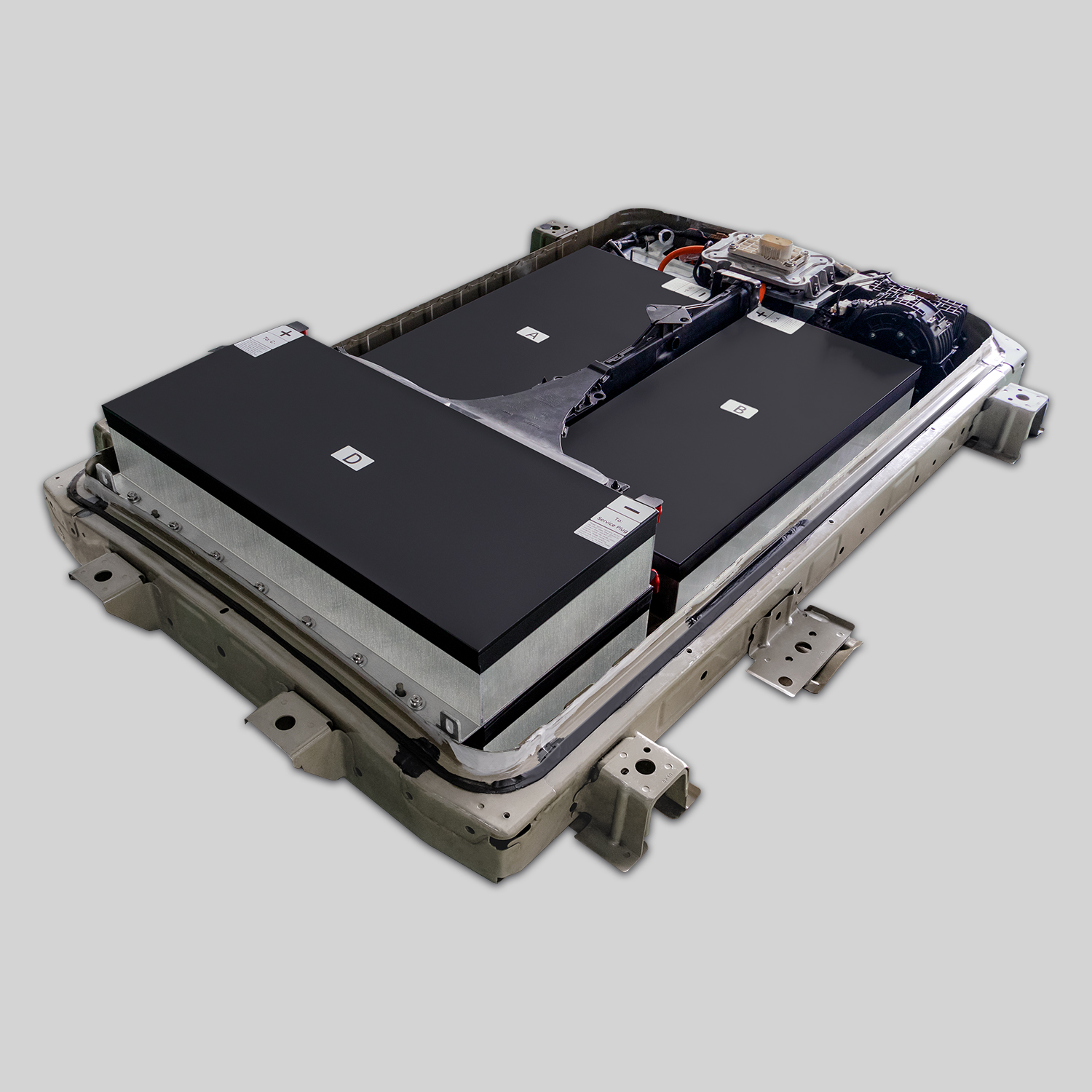
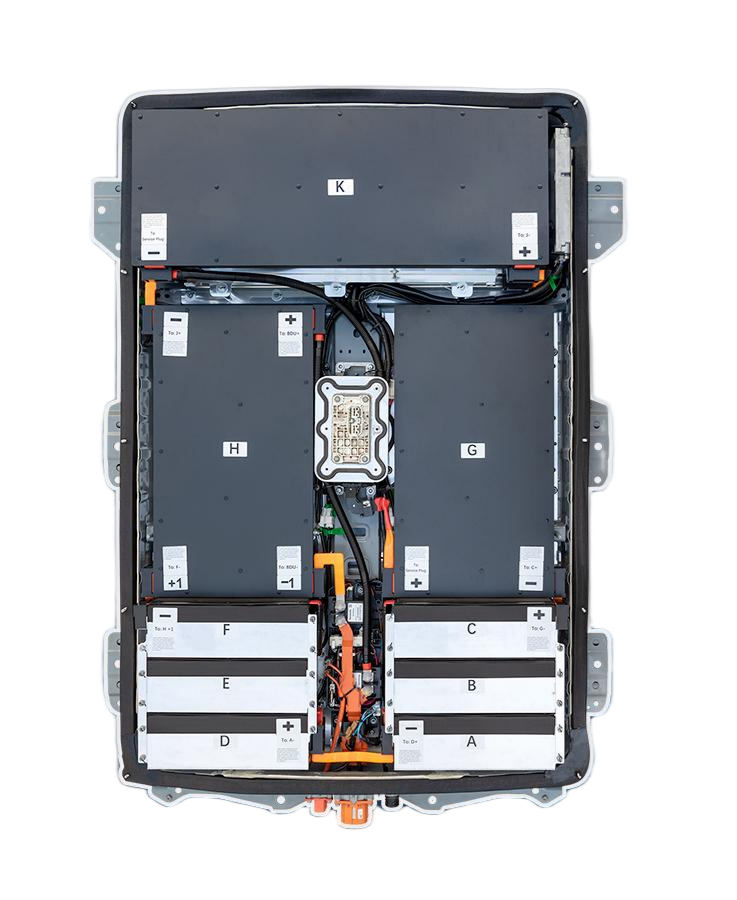
⚡ The Ultimate Nissan e-NV200 24kWh to 50kWh Swap Tutorial
If you own a Nissan e-NV200 with the older 24kWh battery pack, you are likely familiar with the limitations of its range. For daily commutes, it might suffice, but for delivery services or longer trips, the “range anxiety” is very real. Upgrading to a 50kWh lithium battery pack is the most effective way to double your vehicle’s capability, transforming it from a city runabout into a serious electric workhorse.
This comprehensive guide will walk you through the technical details of swapping your old 24kWh module for a modern 50kWh unit, specifically focusing on solutions compatible with CNS BATTERY technology. We will cover the compatibility checks, the installation process, and the dramatic performance improvements you can expect.
🔋 Why Upgrade from 24kWh to 50kWh?
Before diving into the “how,” let’s address the “why.” The original 24kWh battery, often found in early models, suffers from significant capacity degradation over time. Even when new, its range was limited.
By upgrading to a 50kWh lithium battery pack, you are essentially installing the same technology found in the Nissan Leaf 40kWh variant (due to the shared platform). This upgrade offers:
- Range Doubling: Expect a realistic range increase from ~80 miles (120km) to over 170 miles (270km+).
- New Cell Technology: Replacing aged cells with fresh, high-density CATL (Contemporary Amperex Technology Co. Limited) cells ensures safety and longevity.
- Cost Efficiency: This swap is significantly cheaper than buying a new van.
Expert Note: Not all 24kWh chassis are the same. Ensure your e-NV200 is a 2014-2018 model (Phase 1) before proceeding, as the 2019+ models already came with larger batteries.
🛠️ Step 1: Compatibility & Preparation
The first step is confirming that your vehicle can physically and electronically accept the larger pack.
Physical Fitment:
The 50kWh pack is physically larger than the 24kWh unit. However, because the e-NV200 shares its underbody design with the Nissan Leaf, the 50kWh pack fits perfectly within the chassis rails. You will not need to modify the body structure.
Electrical & BMS Compatibility:
This is where the upgrade gets technical. The Battery Management System (BMS) of the 24kWh car does not natively recognize a 50kWh pack. To solve this, you need a CAN Bus adapter or a reprogrammed BMS.
If you are sourcing a CNS BATTERY 50kWh pack, it typically comes with a pre-programmed BMS that is compatible with the e-NV200’s Vehicle Control Unit (VCU). This eliminates the need for complex aftermarket hacking.
Tools Needed:
- Standard mechanic’s socket set
- Torque wrench
- Insulated gloves (High Voltage safety)
- Diagnostic scanner (LeafSpy or Consult-III)
🔌 Step 2: The Removal Process (24kWh)
Safety is paramount. Always disconnect the low-voltage (12V) battery first to cut power to the relays.
- Lift the Vehicle: Use a hydraulic lift or jack stands. Ensure the car is stable.
- Drain & Remove Undertray: Remove the plastic undertray to access the battery bolts.
- Disconnect HV Cables: Locate the main positive and negative terminals. Disconnect these first. Warning: Even though the 24kWh pack is low voltage compared to modern EVs, it can still deliver a dangerous current.
- Unbolt the Pack: There are typically 12-16 bolts securing the battery to the chassis. Remove them carefully.
- Extract the Module: Slowly lower the old 24kWh pack. Note the routing of the signal cables and temperature sensors.
📦 Step 3: Installing the 50kWh Pack
Now, install the new 50kWh lithium battery pack.
- Positioning: Carefully lift the 50kWh pack into the chassis. It will sit slightly higher than the old 24kWh unit, but this is normal.
- Bolting Down: Reuse the original chassis bolts. Tighten them to the manufacturer’s specification (usually 40-50 Nm).
- Signal Cables: This is the critical step. The 50kWh pack uses a different communication protocol. You must splice or replace the signal cable harness.
- CNS Solution: Our packs often include a modified harness or require the retention of the original 24kWh signal board, which is then connected to the new 50kWh main pack via a conversion harness.
- HV Connection: Reconnect the main positive and negative terminals. Apply dielectric grease to prevent corrosion.
💻 Step 4: Programming & Calibration
After the physical swap, the car’s brain needs to learn the new heart.
- BMS Wake-up: Connect the 12V battery. The new BMS should initialize.
- VCU Calibration: The car will likely throw an error code (e.g., “Battery Capacity Mismatch”). You need to flash the VCU with a calibration file that tells it the new capacity is 50kWh (or 40kWh equivalent).
- Full Charge Cycle: Drive the car until it is fully depleted, then charge it to 100% using a Level 1 or Level 2 charger. This allows the BMS to recalibrate the State of Charge (SOC).
🚗 Real-World Results: Before & After
To illustrate the value of this swap, here is a comparison of the two battery types:
| Feature | Original 24kWh | Upgraded 50kWh (CNS) |
|---|---|---|
| Theoretical Range | 117 km (73 miles) | 348 km (216 miles) |
| Real-World Range | ~100 km (62 miles) | ~270 km (168 miles) |
| Cell Type | Aged LMO/NMC | Brand New CATL NMC |
| Degradation | Likely 50-70% remaining | 100% (Brand New) |
| Highway Use | Not Recommended | Suitable (AC Stable) |
Thomas B. from Amsterdam recently performed this exact upgrade on his 2022 e-NV200. He reported that after the swap, his range jumped from a struggling 150km to a solid 348km. He noted that the “plug-and-play” nature of the CNS pack, combined with their remote video support for the BMS programming, made the process smooth even for a non-professional mechanic.
🛡️ Why Choose a CNS BATTERY 50kWh Pack?
When sourcing your replacement battery, reliability is key. Here is why our solution stands out in the market:
- OEM-Grade Cells: We utilize brand-new CATL cells, the same tier-1 supplier used by major automakers. This guarantees thermal stability and cycle life.
- Plug-and-Play Design: Unlike DIY kits that require soldering and complex BMS coding, our packs are designed for direct OEM compatibility, minimizing installation time.
- Unbeatable Warranty: We back our automotive batteries with a 24-month / 80,000 km warranty. This covers manufacturing defects and ensures your investment is protected.
- Global Support: Whether you are in Europe, North America, or Asia, our technical team provides remote guidance for the installation and programming process.
📝 Final Thoughts
Swapping your Nissan e-NV200 from a 24kWh to a 50kWh lithium battery pack is no longer just a dream for enthusiasts; it is a viable, cost-effective solution for extending the life of your vehicle. By using modern cell technology and ensuring proper BMS integration, you can revive an old van and give it the range of a modern EV.
If you are ready to take the next step and get a personalized quote for your upgrade, or if you need technical advice on the compatibility of your specific chassis, contact our experts today.
Get Your Free Custom Quote Now
❓ Frequently Asked Questions (FAQ)
Q1: Is the 50kWh battery a direct fit for my e-NV200?
A: Yes, physically the battery fits within the chassis rails. However, it is not a “drop-in” in terms of electronics. You will need a modified harness or a reprogrammed BMS (which our packs include) to communicate with the car’s computer.
Q2: Will this upgrade affect my car’s warranty or dashboard display?
A: If installed correctly with the proper calibration, the dashboard will function normally. The range display (GOM) will be more accurate, and the battery bars will reflect the new capacity. There should be no error lights if the BMS is programmed correctly.
Q3: How long does the installation take?
A: For a professional technician, the physical swap takes approximately 1-2 hours. The programming and calibration process can take an additional 30 minutes if you are familiar with the tools. We provide video tutorials and remote support to guide you through the software side.
Q4: What is the lifespan of the new 50kWh pack?
A: Our packs use industrial-grade CATL cells rated for over 3000 charge cycles. With proper maintenance, you can expect this battery to last well over 10 years or 200,000+ kilometers.
Q5: Can I use my old charger with the new battery?
A: Yes. The 50kWh pack maintains the same voltage architecture as the original Nissan system. Your existing onboard charger and external charging cables will work perfectly without modification.