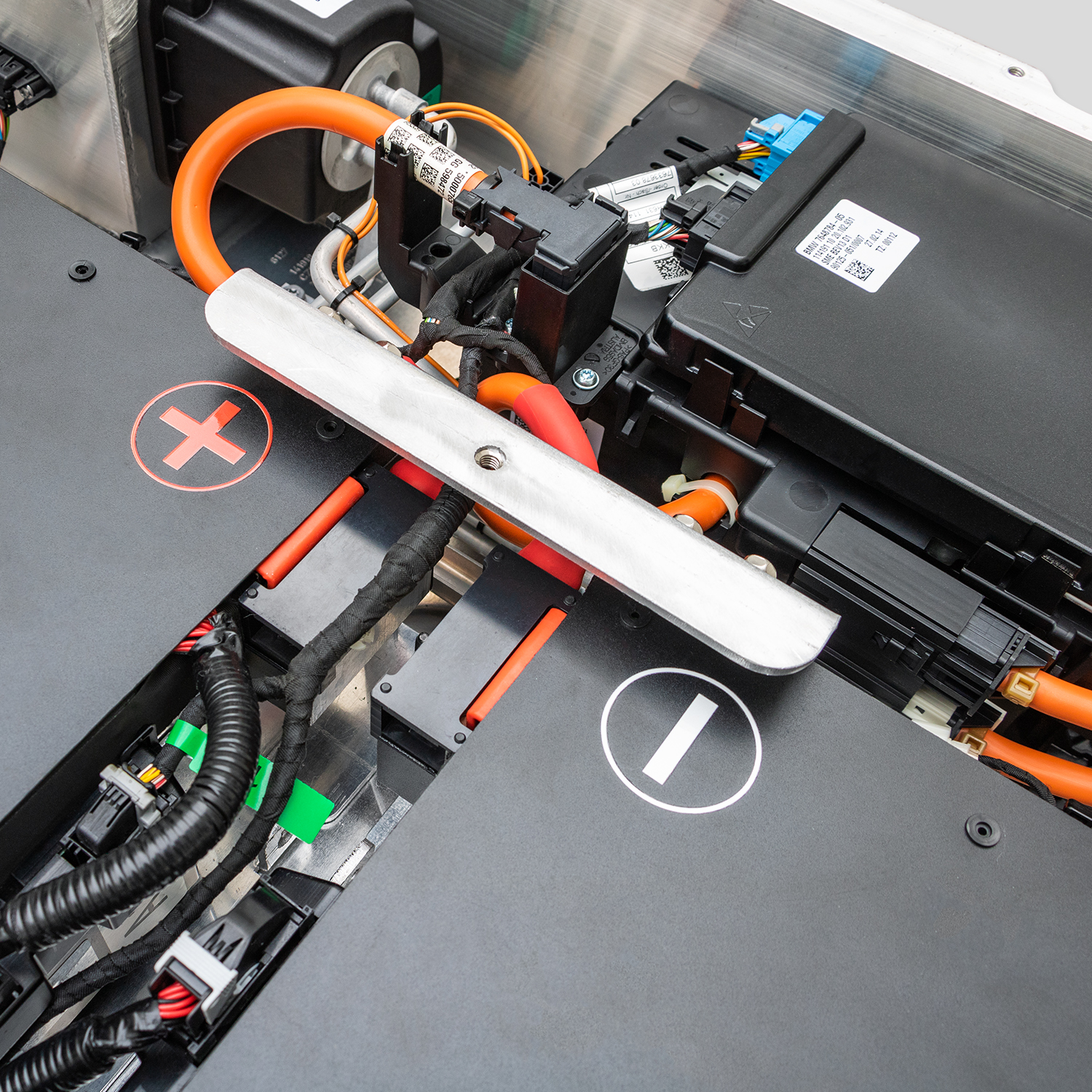
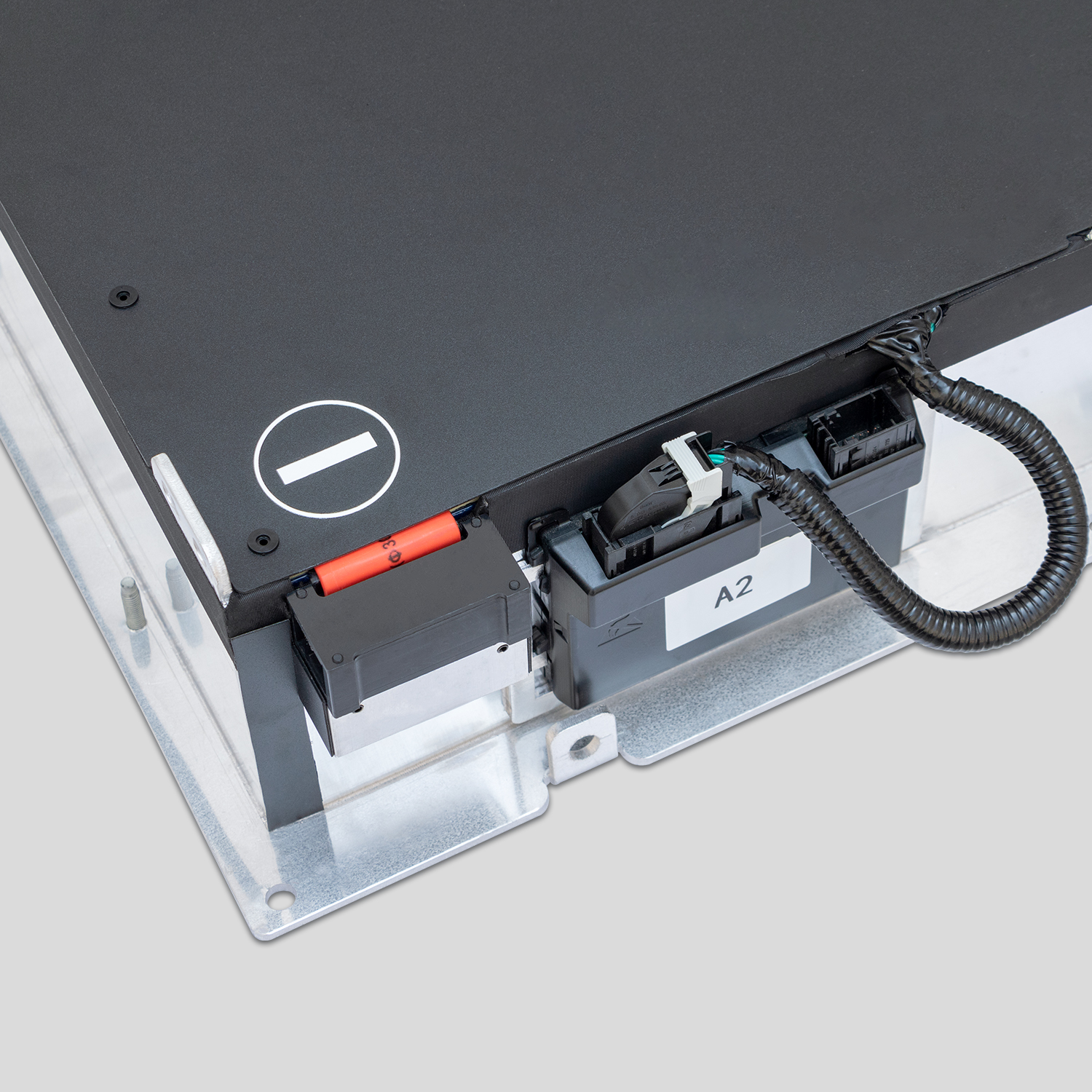
⚡️ The Ultimate Nissan e-NV200 24kWh to 40kWh Replacement Guide: Revive Your Range in 2026
Are you struggling with the limited range of your early Nissan e-NV200? You’re not alone. Many owners of the 2010-2017 models face the frustration of a 24kWh battery that simply can’t keep up with modern delivery schedules or daily commutes. The good news is that upgrading to a 40kWh lithium battery pack is the most effective way to breathe new life into your vehicle.
As a dedicated EV battery expert, I understand the hesitation surrounding this major upgrade. It’s a significant investment, and the technical complexity can be daunting. This comprehensive guide is designed to walk you through every step of the Nissan e-NV200 24kWh to 40kWh replacement process, ensuring you know exactly what to expect, how to do it safely, and why this upgrade is a game-changer for your electric journey.
📉 Why the 24kWh Battery Isn’t Enough Anymore
The first-generation Nissan e-NV200 was a pioneer in the electric commercial van market. However, technology has advanced rapidly since its launch.
- The Range Reality: A brand-new 24kWh battery offered roughly 100-120km (60-75 miles) of range. After 8-10 years of use, degradation has likely reduced this to a mere 60-80km (40 miles).
- The “Taxi Mode” Trap: To squeeze out a bit more range, many owners resort to “Taxi Mode,” which limits power and disables heating/AC. This is impractical in 2026’s climate conditions.
- The Cost of Ownership: Frequent charging breaks productivity. For fleet owners, time is money, and a dead van is a liability.
The Solution: Swapping the old 24kWh pack for a modern 40kWh lithium-ion battery effectively gives you a “new” van. You can expect to double your range to approximately 200km (125 miles), restoring the vehicle’s original usability.
⚙️ Understanding the Technical Swap: Compatibility is Key
Before you start unscrewing bolts, it’s crucial to understand what this conversion entails. This isn’t just about swapping cells; it’s about integrating a new hardware standard into an older chassis.
1. The Hardware Difference
The early e-NV200 (2010-2017) used the older ZE0/ZE1 platform batteries. The 40kWh upgrade typically utilizes the newer AZE0 platform chemistry and design.
- Physical Fitment: The 40kWh pack is physically larger and heavier than the 24kWh unit. While the mounting points are often compatible, you may need to adjust the battery tray or remove old brackets.
- Voltage & Communication: The BMS (Battery Management System) protocols differ. A successful conversion requires either a hardware adapter or a software flash to ensure the car’s brain (VCU) recognizes the new battery’s capacity and voltage.
2. The “Plug-and-Play” Myth
Be wary of claims that this is a “100% plug-and-play” swap. While the connectors might physically fit, software integration is mandatory.
- The Programming Hurdle: You cannot simply drop in a 40kWh pack and drive away. The vehicle needs to be programmed to accept the new SOC (State of Charge) readings and voltage curves. This usually requires a Nissan Consult scanner or a specialized third-party tool.
- Thermal Management: Ensure your cooling system is in perfect condition. The 40kWh pack generates different heat profiles, and a clogged or degraded cooling system can kill your new battery quickly.
🛠️ Step-by-Step Replacement Tutorial
If you’re a DIY enthusiast or a mechanic, here is the general workflow for this conversion. Remember, high-voltage work is dangerous. If you are not certified, hire a professional.
Phase 1: Preparation & Safety
- Disconnect: Always disconnect the 12V auxiliary battery first.
- Drain Fluids: The e-NV200 battery is liquid-cooled. You must drain the coolant from the battery circuit before disconnecting the hoses.
- Lift: Use a hydraulic lift or sturdy jack stands. The battery pack is heavy.
Phase 2: Removal of the 24kWh Pack
- Remove the underbody plastic shields.
- Disconnect the high-voltage (HV) orange connectors. Tape them off immediately.
- Disconnect the low-voltage communication harness.
- Disconnect the coolant hoses (have a pan ready).
- Remove the mounting bolts (usually 8-10 bolts).
- Carefully lower the old battery.
Phase 3: Installing the 40kWh Pack
- Prep the New Pack: Ensure the new battery’s BMS is updated.
- Mounting: Lift the new 40kWh pack into place. You may need to modify the rear cross-member slightly due to the extended length of the new pack.
- Reconnect: Attach the low-voltage harness, then the coolant hoses.
- High Voltage: Reconnect the HV connectors last.
- Refill: Refill the cooling circuit with the correct Nissan NCF-100 coolant mixture.
Phase 4: The Critical Flash
- This is where most DIYers fail. You must connect a diagnostic tool.
- Perform a “Battery Registration” or “ECU Reset.”
- Force the car to read the new battery’s VIN and capacity data.
- Test the cooling system for leaks before driving.
🤝 Why Choose a CNS BATTERY 40kWh Pack?
At CNS BATTERY, we specialize in these exact Nissan platform conversions. We don’t just sell you a box of cells; we provide a complete solution designed for the Nissan e-NV200.
- OEM-Grade Quality: Our 40kWh packs utilize brand-new CATL cells, the same tier-1 supplier quality used in the original factory. We don’t use recycled or second-hand cells, ensuring maximum longevity and safety.
- Tailored Compatibility: Our packs are engineered to fit the e-NV200 chassis with precision. We provide the necessary hardware specifications and software guidance to ensure a seamless integration.
- Unbeatable Warranty: We back our confidence with a 24-month / 80,000km warranty. This covers manufacturing defects and ensures your investment is protected far beyond what most recycled battery vendors offer.
- Expert Support: Unlike buying a generic crate, our technical team provides step-by-step installation videos and remote video guidance if you hit a snag during the BMS programming.
Expert Tip: Many owners worry about the cost. While the upfront cost of a new 40kWh pack is significant, it is still 50% cheaper than buying a new e-NV200 or a new Nissan OEM battery. When you factor in the extended life of the vehicle, it is the most economical choice.
📊 The Value Proposition: 24kWh vs. 40kWh Upgrade
To help you visualize the impact of this upgrade, here is a direct comparison:
| Feature | Old 24kWh (Used/Refurbished) | New 40kWh (CNS BATTERY) |
|---|---|---|
| Real-World Range | 60-80 km (Struggles in winter) | ~200 km (Reliable daily use) |
| Battery Health | Degraded, Unpredictable | 100% SOH (Brand New) |
| Warranty | Often None or 6 Months | 2 Years / 80,000 km |
| Cell Quality | Recycled/Used (Risk of Swelling) | Brand New CATL Cells |
| Longevity | 1-2 Years max | 5-8 Years+ |
| Total Cost | ~$3,000 – $4,000 (High risk) | ~$5,000 – $6,000 (Guaranteed) |
📝 Final Thoughts
Upgrading your Nissan e-NV200 from a 24kWh to a 40kWh battery is no longer just a modification; it’s a necessity to keep your vehicle roadworthy in 2026.
While the process involves mechanical work and software programming, the reward is a van that drives like new. By choosing a high-quality, new 40kWh pack from a reputable manufacturer like CNS BATTERY, you are not just buying cells—you are buying peace of mind, safety, and a future-proof solution for your logistics or daily commute.
Don’t let range anxiety kill your business. Invest in the reliability of new technology.
❓ Frequently Asked Questions (FAQ)
Q1: Is the 40kWh battery a direct fit for my 2015 e-NV200?
A: Yes, but with modifications. The 40kWh pack (based on the AZE0 platform) fits within the chassis rails, but the rear cross-member bracket often needs slight modification or removal to accommodate the longer battery length. Our technical team provides specific measurement guides for this adjustment.
Q2: Will this conversion void my vehicle’s remaining warranty?
A: If your e-NV200 is from 2010-2017, the factory warranty has almost certainly expired. Installing an aftermarket battery does not affect road legality, but it does mean the Nissan dealer network may not service that specific component. However, with our 2-year warranty, you are fully covered directly through us.
Q3: How long does the installation take?
A: For a professional technician, the physical swap takes approximately 3-4 hours. This includes draining/refilling coolant and the physical lift. However, you must add extra time for the software programming and diagnostic testing, which can take 1-2 hours depending on the tools available.
Q4: Can I use a Nissan Leaf 40kWh battery instead?
A: Technically, the Nissan Leaf 40kWh battery (from the AZE0 model) shares the same chemistry and voltage. However, the casing and mounting brackets are different. It is highly recommended to use a battery pack specifically designed and braced for the e-NV200 chassis to ensure crash safety and proper cooling connection.
Q5: What is the lifespan of a new 40kWh CNS BATTERY?
A: Our packs use industrial-grade CATL cells rated for over 3,000 charge cycles. Under normal commercial use, you can expect this battery to last 8-10 years or more, depending on your charging habits and climate.
Ready to double your range? Get a Free Custom Quote for your Nissan e-NV200 40kWh Battery Upgrade Today!