
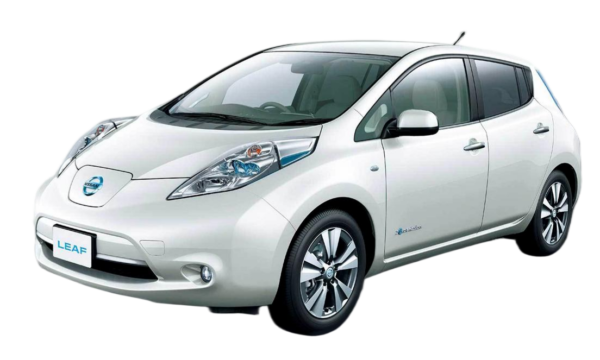
Ultimate Leaf ZE1 40kWh to 62kWh Repair & Upgrade Tutorial
Is your Nissan Leaf ZE1 struggling to keep up with your daily commute? Does the sight of the 40kWh battery capacity warning make you anxious about the next charging station? You’re not alone. Many Leaf owners face the dilemma of a degraded battery that no longer meets their needs.
The good news is that you don’t have to trade in your reliable EV or pay exorbitant prices for a dealership replacement. Upgrading your Nissan Leaf ZE1 40kWh to a 62kWh battery is a proven, cost-effective solution that breathes new life into your vehicle.
As a leading manufacturer of OEM-compatible electric powertrains, CNS BATTERY specializes in providing high-performance lithium-ion battery solutions for Nissan and BMW vehicles. We understand the intricacies of the ZE1 model and are here to guide you through the process of maximizing your car’s potential.
Why Upgrade from 40kWh to 62kWh?
The Nissan Leaf ZE1 (often associated with the 2018-2023 model years depending on region) originally came with various battery options. However, the 40kWh pack, while sufficient for short commutes, often leaves drivers wanting more, especially for highway driving or in colder climates.
The Benefits of the 62kWh Upgrade:
- Extended Range: Increase your driving range significantly, often achieving over 200 miles (approx. 320 km) on a single charge, depending on driving conditions.
- Enhanced Resale Value: A car with a 62kWh battery is far more attractive on the used market than one with a degraded 40kWh pack.
- Cost Efficiency: Replacing your battery with a high-quality aftermarket solution can save you up to 50% compared to original manufacturer prices.
Expert Insight: At CNS BATTERY, we utilize brand-new CATL (Contemporary Amperex Technology Co. Limited) cells for our packs. Unlike refurbished or recycled batteries, these offer top-tier performance, superior safety, and a lifespan that far exceeds that of older, degraded units.
Understanding the Compatibility
Before diving into the repair process, it is crucial to verify that your specific vehicle model is compatible with the 62kWh upgrade.
Vehicle Model Check:
- Target Model: Nissan Leaf ZE1
- Upgrade Path: 40kWh Lithium Battery Pack → 62kWh Lithium Battery Pack
- Key Requirement: The upgrade requires a compatible Battery Management System (BMS) to communicate effectively with the vehicle’s dashboard and drivetrain.
Note: While the physical dimensions of the 40kWh and 62kWh packs are often identical (making it a “drop-in” replacement), the internal chemistry and software protocols differ. This is why professional guidance or using a reputable supplier like CNS BATTERY is essential.
Step-by-Step Repair & Installation Guide
Upgrading your battery is a significant task, but it is manageable for a skilled DIYer or a professional mechanic. Here is a general overview of the process to ensure a safe and successful installation.
1. Preparation and Safety
- Disconnect Power: Always start by disconnecting the vehicle’s 12V auxiliary battery to cut all power to the high-voltage system.
- Protective Gear: Wear insulated gloves and safety glasses. High-voltage batteries require strict safety protocols to prevent short circuits.
- Tools Needed: Socket wrench set, torque wrench, insulated screwdrivers, and terminal cleaner.
2. Removing the Old 40kWh Battery
- Access: Depending on your ZE1 configuration, you may need to access the battery from underneath the car or through the interior floor.
- Disconnection: Carefully disconnect the high-voltage cables (positive and negative) and the low-voltage signal harness.
- Removal: Remove the mounting brackets and bolts securing the battery. The 40kWh pack typically weighs around 303 kg (668 lbs), so mechanical assistance is highly recommended.
3. Installing the New 62kWh Battery
- Placement: Lower the new 62kWh battery into the chassis. Ensure it aligns perfectly with the mounting points.
- Connection: Reconnect the high-voltage cables and signal harness. Crucially, ensure the connectors are color-coded and matched correctly to avoid damage.
- Securing: Tighten the mounting bolts to the manufacturer’s specified torque settings.
4. Programming and BMS Integration
This is the most critical step. The new 62kWh battery comes with a new BMS.
- Coding: The BMS often needs to be programmed to “speak” to your Leaf’s specific VIN and software version.
- Professional Help: If you encounter errors during startup, contact your supplier for remote video guidance or visit a specialized mechanic. (CNS BATTERY offers technical support for programming issues).
5. Final Testing
- Reconnect the 12V battery.
- Power on the vehicle. The dashboard should recognize the new battery capacity.
- Perform a diagnostic scan to ensure there are no fault codes.
Why Choose a New Battery Over Refurbished?
When searching for a “Leaf ZE1 battery repair,” you might encounter options for refurbished or second-hand batteries. However, we strongly recommend opting for a brand-new solution for the following reasons:
- Refurbished Risks: Many “repaired” batteries use recycled cells that are already aged. They are prone to swelling, sudden power failure, and have a significantly shorter lifespan.
- New Cell Advantage: A new 62kWh pack built with fresh CATL cells guarantees maximum energy density and longevity. You are not inheriting someone else’s battery degradation.
- Warranty Peace of Mind: CNS BATTERY offers an unbeatable warranty of up to 2 years or 80,000 km (whichever comes first), covering defects and performance degradation, which is rare for refurbished units.
Conclusion: Revive Your ZE1 Today
Upgrading your Nissan Leaf ZE1 from a 40kWh to a 62kWh battery is more than just a repair; it is a transformation. You are essentially turning your older model into a long-range electric vehicle capable of handling modern driving demands.
By choosing a high-quality, new battery solution, you ensure safety, reliability, and the best value for your money. Don’t let a tired battery limit your adventures.
Ready to get back on the road with confidence? Contact our technical experts today for a free customization quote and ensure your upgrade is a perfect match.
Frequently Asked Questions (FAQ)
1. Is the 62kWh battery a direct plug-and-play replacement for my ZE1 40kWh?
Yes, the physical dimensions and chassis mounting points are identical, making it a mechanical drop-in replacement. However, the electrical connection and BMS programming require careful attention to ensure the dashboard displays the correct 62kWh capacity.
2. How much does it cost to upgrade a Leaf ZE1 battery?
The cost varies depending on whether you purchase a new pack or use a refurbishment service. Generally, a professional upgrade with a new battery solution costs significantly less than buying a new car or a dealership battery, often saving you 50% or more.
3. How long does the installation take?
For a professional technician, the physical installation typically takes 1-2 hours. However, if BMS coding or software updates are required, this may add extra time. We recommend having a certified technician perform the work to maintain warranty validity.
4. Will this upgrade affect my car’s warranty?
If your car is still under the original manufacturer’s warranty, modifying the battery pack may void certain aspects of that warranty. However, for most ZE1 owners whose original warranties have expired, replacing the battery with a high-quality aftermarket solution is the standard and most economical path forward.

