🛠️ The Ultimate Nissan Leaf ZE0 Battery Surgery: From 68kWh to 50kWh
Are you sitting on a “battery mismatch” time bomb?
If you own a Nissan Leaf ZE0 and recently tried to upgrade or replace your battery pack, you might have encountered a very specific headache: The 68kWh to 50kWh “Fix.”
This isn’t just a simple swap; it’s a critical compatibility adjustment. Many early adopters of the Leaf ZE0 (2011-2017 models) are now facing the reality of battery degradation. While the instinct is to grab the biggest, newest battery available (like a 68kWh pack), there’s a hidden catch. If your car’s Body Control Module (BCM) and Battery Management System (BMS) are still calibrated for a 24kWh or 30kWh capacity, plugging in a massive 68kWh pack can cause communication errors, charging failures, or even leave you stranded.
This guide will walk you through why this “fix” is necessary, how to execute it safely, and why choosing the right partner (like CNS BATTERY) is crucial to avoid costly mistakes.
⚡ Why the “68kWh to 50kWh” Fix is Necessary for Your ZE0
The Nissan Leaf ZE0 is a classic, but its electronics have limitations. Here is the core issue:
- The Capacity Mismatch: The original ZE0 models came with 24kWh or 30kWh batteries. The newer generation (ZE1) introduced 40kWh and 62kWh packs.
- The Communication Barrier: The car’s BCM talks to the BMS. If the BMS says “I have 68kWh” but the BCM expects “24kWh,” the car panics. It might refuse to charge, limit power drastically, or throw a “Battery Error.”
- The “Fix”: To make a high-capacity aftermarket pack (like the 68kWh) work in a ZE0, you often need to “trick” the system. This involves using a 50kWh BMS (or reprogramming the existing one) to bridge the gap between the old hardware and the new chemistry.
Key Takeaway: You aren’t actually reducing the physical energy of the battery. You are recalibrating the “brain” of the battery to speak the language of your older Leaf chassis.
🛠️ Step-by-Step: The CNS BATTERY “Plug-and-Play” Method
At CNS BATTERY, we specialize in OEM-compatible solutions for Nissan and BMW. We don’t just sell batteries; we sell integration. Here is how we handle the ZE0 upgrade process to ensure it is seamless.
1. The Compatibility Assessment (Do This First!)
Before you order anything, you must verify your VIN. Not every ZE0 can accept every BMS configuration without hardware modification.
- Check: Are you running the original 24kWh harness or a modified one?
- Check: What is the state of your BCM? (Sometimes, a BCM update is required).
Expert Tip: Contact our technical team with your VIN. We will tell you if you need the specific 50kWh BMS adapter module or if a direct 62kWh/68kWh BMS will work with your specific year.
2. The Physical Swap (Approx. 1.5 – 2 Hours)
This is where our “Plug-and-Play” design shines. Unlike “refurbished” batteries that require welding and messy assembly, our packs are designed for direct replacement.
| Step | Action | Safety Note |
|---|---|---|
| 1 | Disconnect Power: Always disconnect the 12V battery first. | Wear insulated gloves. |
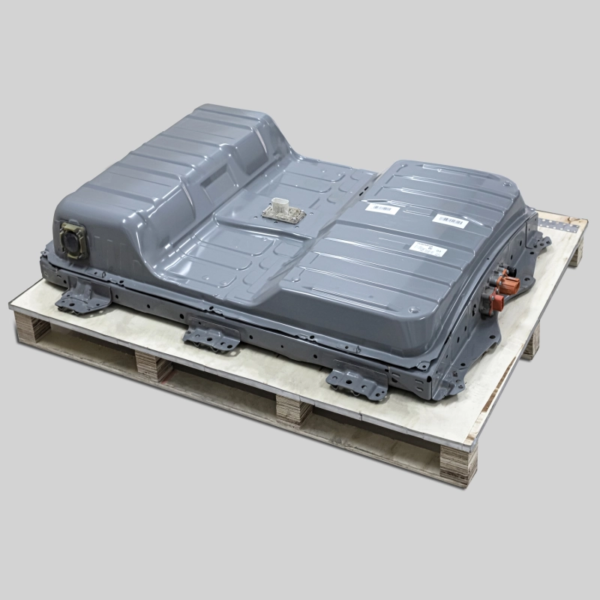
| 2 | Remove Old Pack: Lift out the old degraded modules. | Use proper lifting equipment (battery is heavy). |
| 3 | Install CNS Pack: Lower in the new pre-assembled 68kWh pack. | Ensure no cables are pinched. |
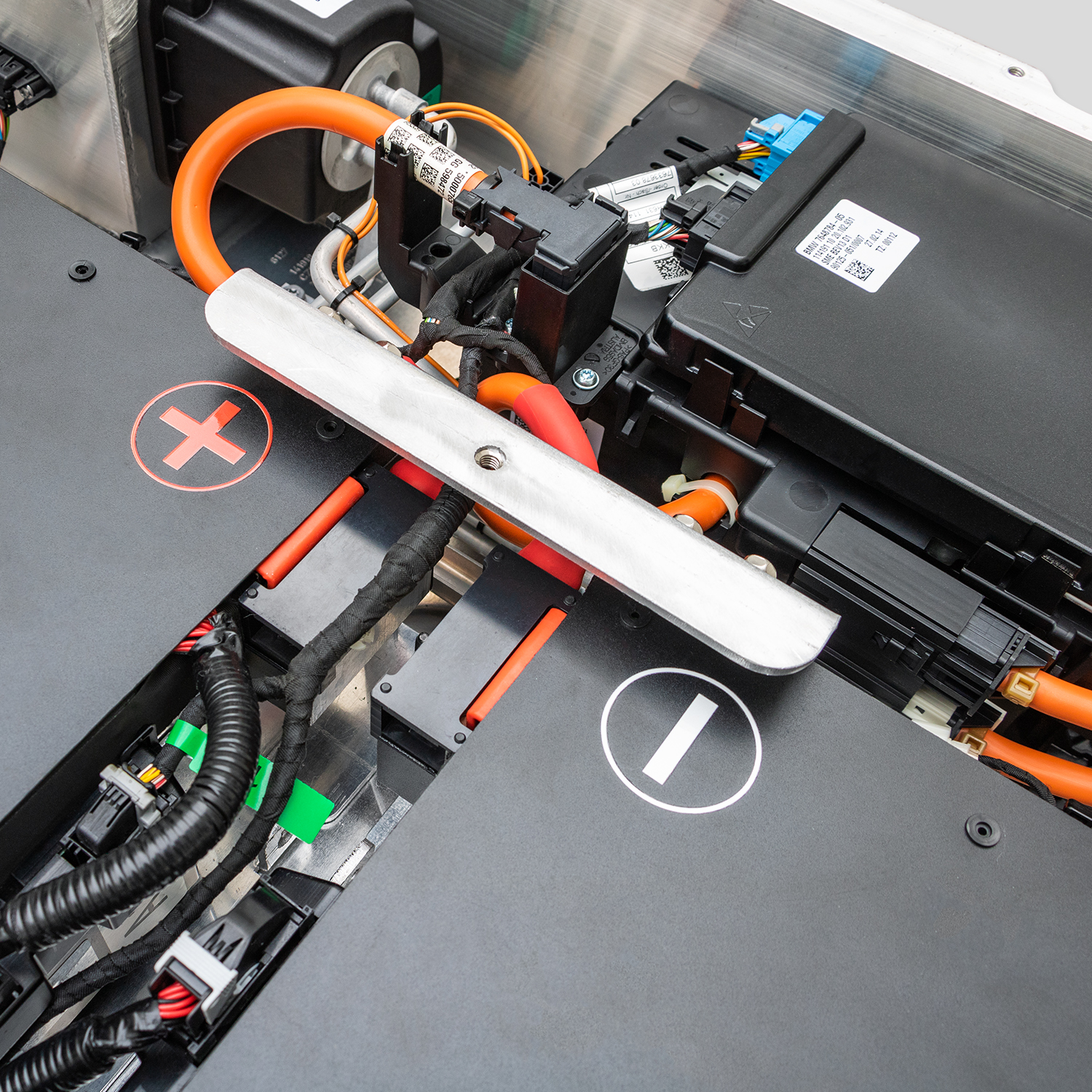
| 4 | Connect Harness: Match the color-coded connectors (Positive, Negative, CAN Bus). | Double-check polarity. |
3. The “Fix”: BMS Configuration & Programming
This is the magic step.
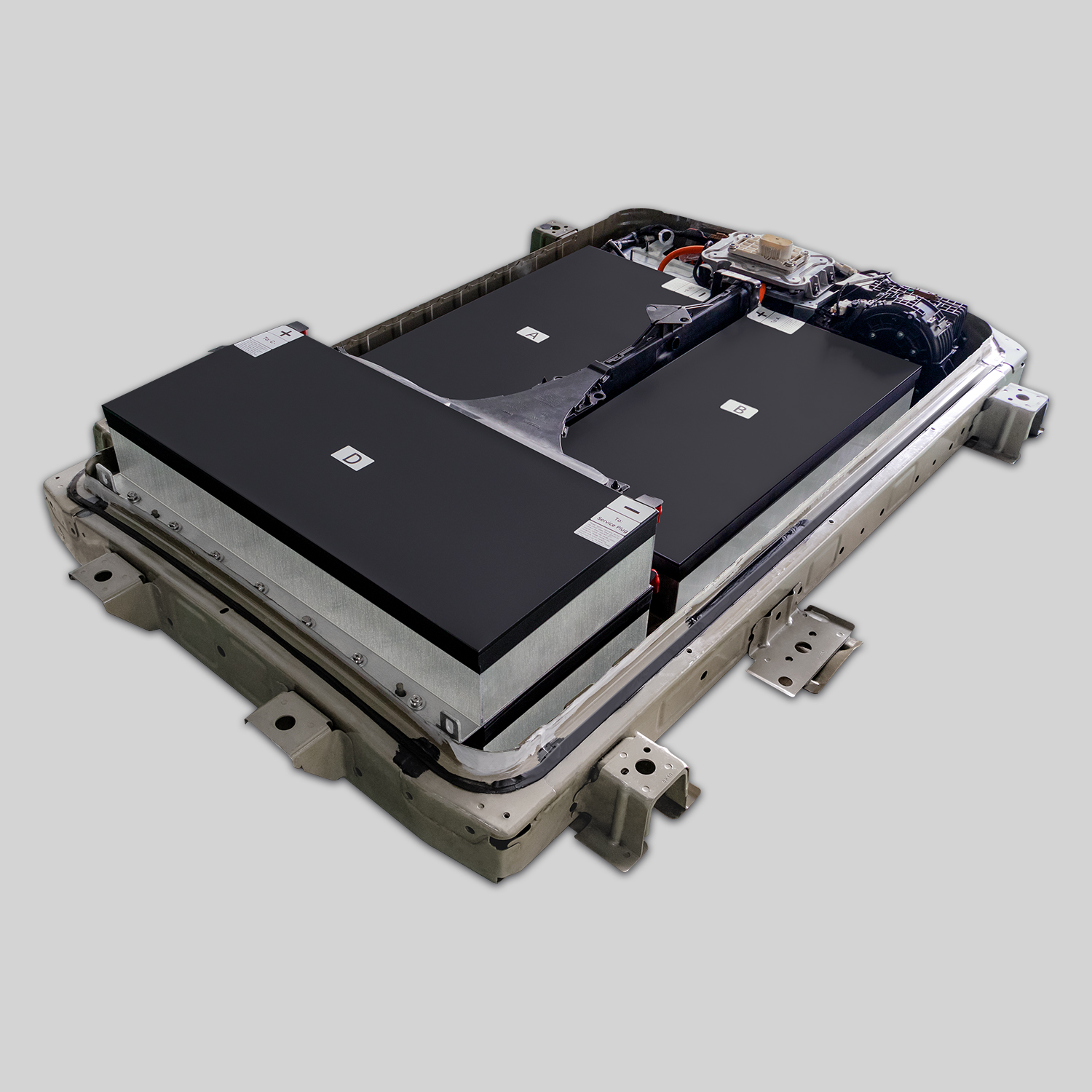
- Hardware: We physically install a 50kWh-rated BMS into the 68kWh casing, or we supply a compatible adapter harness.
- Software: We provide the specific programming file (or pre-program the BMS) so that when the ZE0 BCM asks, “How big are you?” the BMS replies with a number the car understands (e.g., 50kWh equivalent logic), while still allowing access to the full 68kWh physical capacity.
4. The Test Drive
Once installed, perform a “Load Test”:
- Drive the car normally.
- Monitor the SOC (State of Charge) bars. They should deplete evenly.
- Check the range. You should see a massive jump from the original 80-100km to over 350km+.
🛡️ Why You Shouldn’t DIY This Without Backup
While the physical installation is straightforward, the BMS programming is where most independent mechanics fail.
- Risk of Bricking: A wrong programming file can permanently lock the BMS, turning your expensive battery into a paperweight.
- Swelling Risk: If the BMS isn’t calibrated for the Brand New CATL Cells we use (which have different voltage curves than old Nissan cells), it can lead to overcharging and swelling.
The CNS BATTERY Difference
When you choose us for your Leaf ZE0 upgrade, you aren’t just buying cells; you are buying peace of mind.
- New CATL Cells: We use brand new, pristine cells from the world’s top manufacturer. No recycled or degraded cells here.
- 2-Year / 80,000km Warranty: We back our integration because we know it works. Most “refurbished” shops offer nothing.
- Remote Video Support: Stuck on the programming step? Our engineers offer real-time video guidance to walk you through the final handshake between the car and the battery.
📈 The Result: A “New” Car for Half the Price
After successfully applying the “68kWh to 50kWh fix” with a CNS BATTERY pack, here is what you gain:
- Range: From a crippled 80km to a robust 380km+.
- Cost: You spend roughly 50% less than buying a new OEM Nissan battery.
- Longevity: With new cells and a new BMS, you are looking at another 8-10 years of reliable service.
Don’t let a software glitch stop your electric journey. Whether you are a DIY enthusiast or a repair shop, we have the compatible solution for your Nissan Leaf ZE0.
Get Your Free Custom Quote Now
❓ Frequently Asked Questions (FAQ)
Q1: Can I install a 68kWh battery in my Nissan Leaf ZE0 without changing the BMS?
- A: Generally, no. The ZE0 BCM expects a specific resistance and voltage curve from the older, smaller packs. A direct 68kWh BMS will likely cause a communication error. You need the “fix” (a 50kWh BMS or reprogramming) to act as a translator.
Q2: Why use a 50kWh BMS specifically? Why not a 40kWh or 62kWh?
- A: The 50kWh BMS (often based on the Renault Zoe platform or specific aftermarket boards) offers the best voltage compatibility and physical connector fitment for the ZE0 chassis while being programmable to mimic the expected resistance values of the original system.
Q3: How much does this upgrade cost?
- A: Prices vary based on cell quality. At CNS, our brand new 68kWh packs start at a fraction of the OEM cost. Expect to pay roughly $7,000 – $8,500 USD, which is significantly less than the $16,000+ Nissan charges for a new pack.
Q4: Is this legal and safe?
- A: Yes. We use UN38.3 certified cells and robust enclosures. The modification is purely electronic/software-based to ensure compatibility. We provide all necessary safety documentation, and our packs meet IATA shipping standards.
Q5: What if I encounter an error code after installation?
- A: Contact our support team immediately. We offer remote diagnostics. In most cases (95%), the issue is resolved via a software recalibration or a quick check of the CAN bus connection.