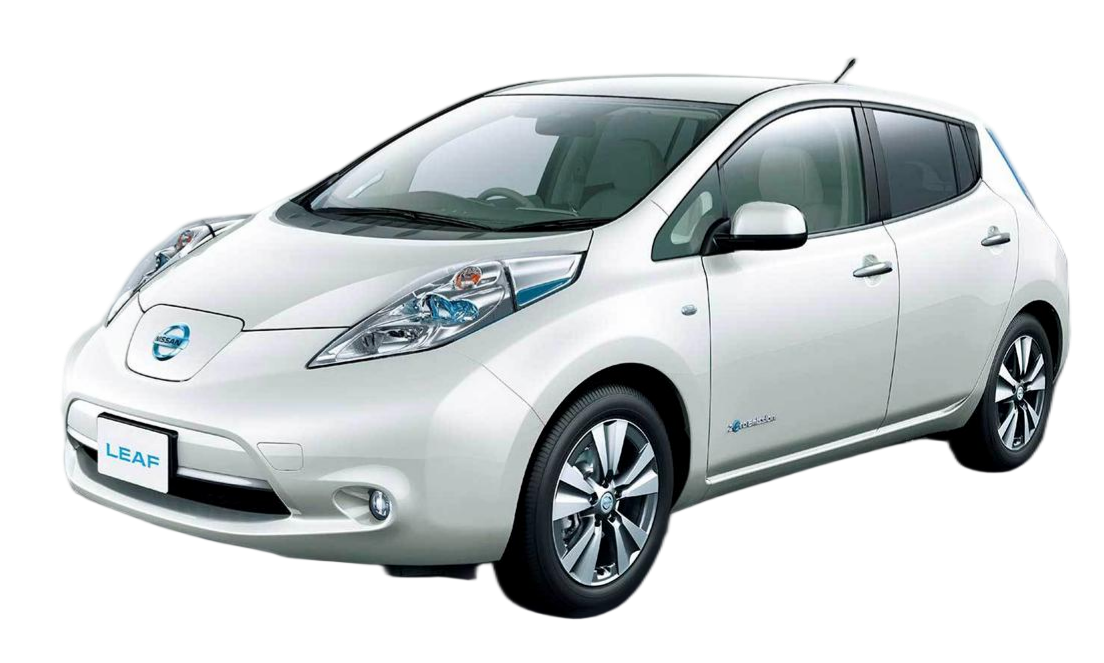
Ultimate Leaf ZE0 40kWh to 50kWh Fix Tutorial
Is your Nissan Leaf ZE0 struggling to keep up with your daily commute? Are you staring at the dashboard, wishing for just a little more range than your 40kWh battery can offer? You’re not alone. Many ZE0 owners face the “range anxiety” cliff when their original capacity starts to degrade or simply doesn’t meet their needs.
While the idea of a “DIY fix” is tempting, the reality of upgrading from a 40kWh to a 50kWh (or even a 62kWh) capacity is complex. However, with the right strategy and components, it is possible to revive your car’s performance. This guide will walk you through the technical logic behind this upgrade and how to execute it safely and effectively.
🛑 The Reality of the “40kWh to 50kWh” Upgrade
Before we dive into the “how,” let’s clarify the “what.” Technically, you cannot simply “fix” or modify the existing 40kWh battery pack to hold more energy. Lithium-ion capacity is determined by the physical amount of active material inside the cells.
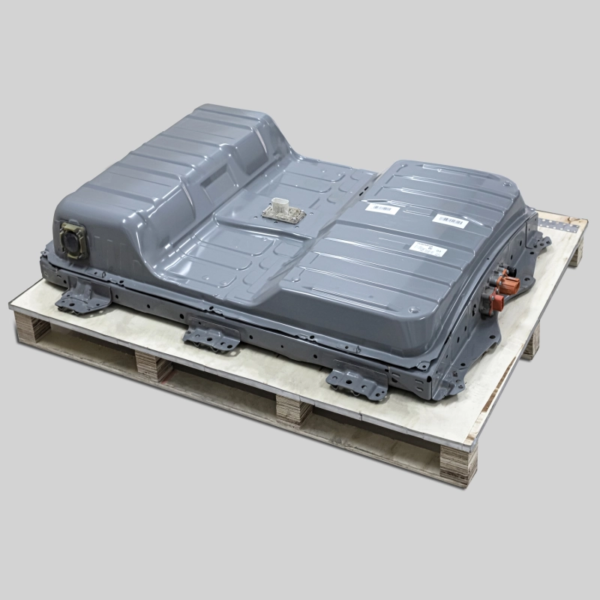
To achieve a 50kWh (or higher) capacity in your Leaf ZE0, you need to replace the old degraded or lower-capacity battery pack with a new, higher-capacity unit.
The good news is that the Nissan Leaf ZE0 (2011-2017 models) is one of the most versatile EV platforms for battery swaps. The difference between a 40kWh, 50kWh, and 62kWh pack often lies in the Battery Management System (BMS) software and the physical cell configuration. By installing a new pack, you are not just fixing the range; you are essentially giving your car a “New Heart.”
📉 Why the 40kWh Struggles
The original 40kWh ZE0 batteries were prone to degradation, especially in hot climates. Over time, many owners saw their range drop from ~170km to less than 100km, making the car nearly unusable for anything beyond a grocery run.
🛠️ The Upgrade Process: What You Need to Know
Upgrading your battery is a significant project. It requires mechanical skill, electrical safety knowledge, and the right components. Here is a step-by-step breakdown of the process.
1. The Pre-Flight Check: Compatibility
Not all batteries are plug-and-play. Before you start tearing apart your car, you must verify compatibility.
- VIN Check: Your Vehicle Identification Number tells the story of your specific ZE0 model. Different years and trims might have slight variations in the harness or mounting points.
- Harness Matching: The wiring loom (harness) of the new 50kWh/62kWh pack must match the connector type on your car (usually the “Leaf 2” connector). A mismatch here means complex rewiring, which we strongly advise against unless you are a professional.
2. Sourcing the “New Heart”
This is the most critical step. You cannot use random cells; you need a professionally assembled pack.
- Cell Quality: We recommend using packs built with brand-new, top-tier cells (such as CATL). Refurbished or used cells from scrapped cars will fail quickly and pose a safety risk.
- BMS Programming: The brain of the battery (BMS) must be programmed to communicate with your Leaf’s Vehicle Control Module (VCM). This is where most DIY attempts fail.
3. The Physical Swap
This is where the “fix” happens. The process generally takes 1-2 hours for a professional.
- Safety First: Disconnect the 12V battery and wait for the capacitors to discharge.
- Removal: Jack up the car, remove the undertray, and unbolt the old battery. Be mindful of the high-voltage connectors.
- Installation: Lift the new pack into place. Ensure the rubber mounts are correctly positioned to avoid vibration damage.
- Connection: Plug in the high-voltage cables and the communication harness.
4. The “Magic” Step: Coding
Once the physical swap is done, the car won’t recognize the new capacity without coding.
- You will need a Leaf-specific diagnostic tool (like a Consult-III interface or a LeafSpy Pro setup).
- The BMS needs to be initialized, and the VCM needs to be updated to acknowledge the new kWh rating. This step requires specific software and expertise.
📊 Why Upgrade? The Value Proposition
Why go through this trouble? Because the math is compelling. Let’s look at the comparison between sticking with the old 40kWh and upgrading to a new 50kWh/62kWh solution.
| Feature | Old 40kWh (Degraded) | New 50kWh/62kWh (CNS Solution) |
|---|---|---|
| Real-World Range | < 100 km (Often unusable) | 300 – 430 km (Daily usable) |
| Cell Source | Recycled/Used (High failure risk) | Brand New CATL Cells (Zero defect) |
| Warranty | None | 2 Years / 80,000 km |
| Cost vs New Car | N/A | Saves $10,000s compared to buying new |
| Cooling System | Often clogged or inefficient | New design, optimized for longevity |
💡 The Smart Owner’s Alternative: Professional Plug-and-Play
While the tutorial above outlines the technical path, we understand that high-voltage work and complex coding aren’t for everyone. There is a smarter, safer way to achieve the “40kWh to 50kWh fix.”
At CNS Battery, we specialize in OEM-compatible Nissan Leaf battery solutions. We don’t just sell cells; we sell complete, pre-programmed systems.
Here is how we simplify the upgrade for you:
- Zero Coding Hassle: Our packs come pre-matched to your VIN. It is a true plug-and-play experience. You connect it, and the car recognizes it immediately.
- New Cell Advantage: We use brand-new lithium cells, which means your “50kWh” isn’t just a number on a screen; it is actual usable energy, not the degraded capacity of a second-hand pack.
- Built-in Safety: Our Battery Management Systems are engineered to the same standards as the original factory, ensuring your car charges safely and the battery lasts for years.
Instead of spending weeks sourcing parts and risking a bricked car, you can get a certified, drop-in replacement that restores your Leaf to “like new” condition.
🙋 Frequently Asked Questions (FAQ)
Q1: Can I really just “plug and play” a 50kWh battery into my ZE0?
Yes, but only if the battery pack is specifically designed for it. The physical connectors are the same, but the software (BMS) must be calibrated to tell the car it is a 50kWh unit. If you buy a generic pack, you will likely need to reprogram the car’s computer.
Q2: How much range will I actually get with a 50kWh or 62kWh pack?
With a new 50kWh pack, expect around 340km of real-world range. With a 62kWh pack, you can achieve up to 430km. This is a massive improvement over the original 40kWh, which often struggles to hit 120km when degraded.
Q3: Is it safe to do this upgrade myself?
Mechanically, yes, if you follow safety protocols (disconnecting power, wearing insulated gloves). Electrically, the risk comes from short circuits or incorrect BMS programming. If you are not confident in your ability to handle high-voltage systems or diagnostics, we strongly recommend using a professional mechanic.
Q4: How long does the installation take?
For a skilled technician, the physical swap takes about 1 to 2 hours. If coding is required, this can add another 30-60 minutes depending on the tools available.
Q5: What is the warranty on these upgraded packs?
At CNS Battery, we back our confidence in quality with a robust warranty. Our packs come with a standard 2-year / 80,000 km warranty, covering any manufacturing defects and ensuring your investment is protected.
🚀 Ready to Fix Your Range Anxiety?
Don’t let an old battery kill your Nissan Leaf ZE0. Upgrading from 40kWh to 50kWh or 62kWh is the most cost-effective way to extend the life of your vehicle by another decade.
Whether you are a DIY enthusiast looking for the technical challenge or a smart owner looking for a guaranteed plug-and-play solution, we have the parts and expertise you need.
Get a Free Custom Quote Today
Stop searching for temporary fixes and get a permanent solution. Click below to contact our technical experts and find the perfect battery upgrade for your Leaf ZE0.