Ultimate Leaf ZE0 30kWh to 24kWh Swap Tutorial: Downgrade for Budget & DIY Simplicity
If you own a Nissan Leaf ZE0 (typically the 24kWh or 30kWh models from 2011-2015) and are facing battery degradation, the standard advice is to upgrade to a 40kWh or 62kWh pack. However, there is a specific niche scenario where swapping from a 30kWh pack down to a 24kWh pack makes perfect economic sense: repairing a blown 30kWh battery by replacing it with a cheaper, used 24kWh pack.
This guide is for the budget-conscious tinkerer or the professional mechanic looking to save a classic Leaf for city driving without breaking the bank. While this is not a standard “upgrade,” it is a viable battery replacement strategy that leverages the mechanical compatibility between these early ZE0 packs.
🛠️ Why Swap a 30kWh for a 24kWh in a Leaf ZE0?
Before diving into the “how,” let’s address the “why.” This swap is not about increasing range; it is about cost-effective survival.
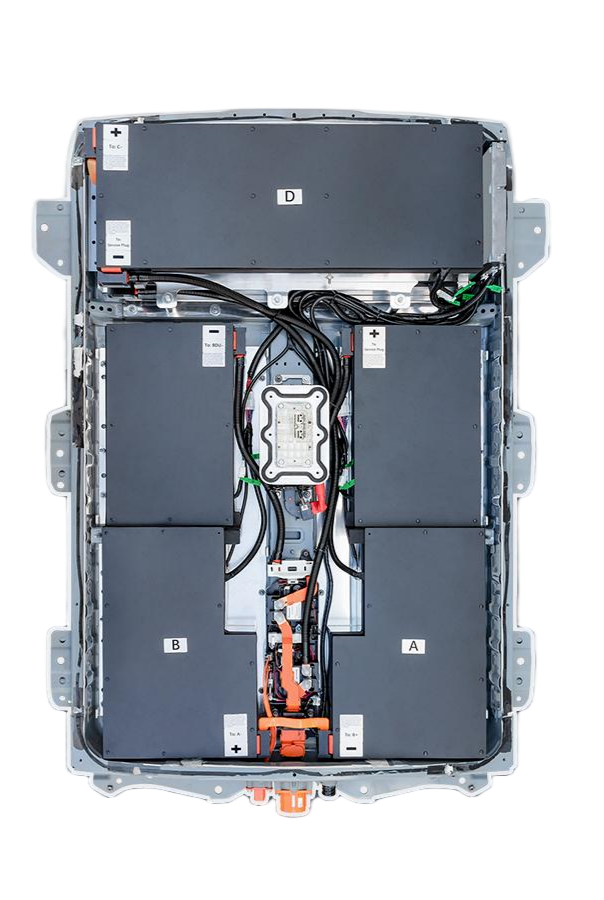
The Nissan Leaf ZE0 platform shares the same chassis and mounting points for both the 24kWh and 30kWh batteries. If your 30kWh battery is damaged beyond economical repair, sourcing a used 24kWh pack is often significantly cheaper because these early packs have less capacity and are less sought after for long-range conversions.
Key Considerations:
- Capacity Loss: You will lose approximately 20% of your range. A 30kWh Leaf typically offered around 110-130 km (70-80 miles) when new; dropping to 24kWh reduces this to roughly 90-100 km (55-65 miles).
- Software & Gauges: The car’s software is generally tolerant of this downgrade. The car will simply treat the 24kWh pack as a slightly depleted 30kWh pack. You will likely start with 10 bars instead of 12, and your GIDS (Green Indicator Display System) will function accordingly.
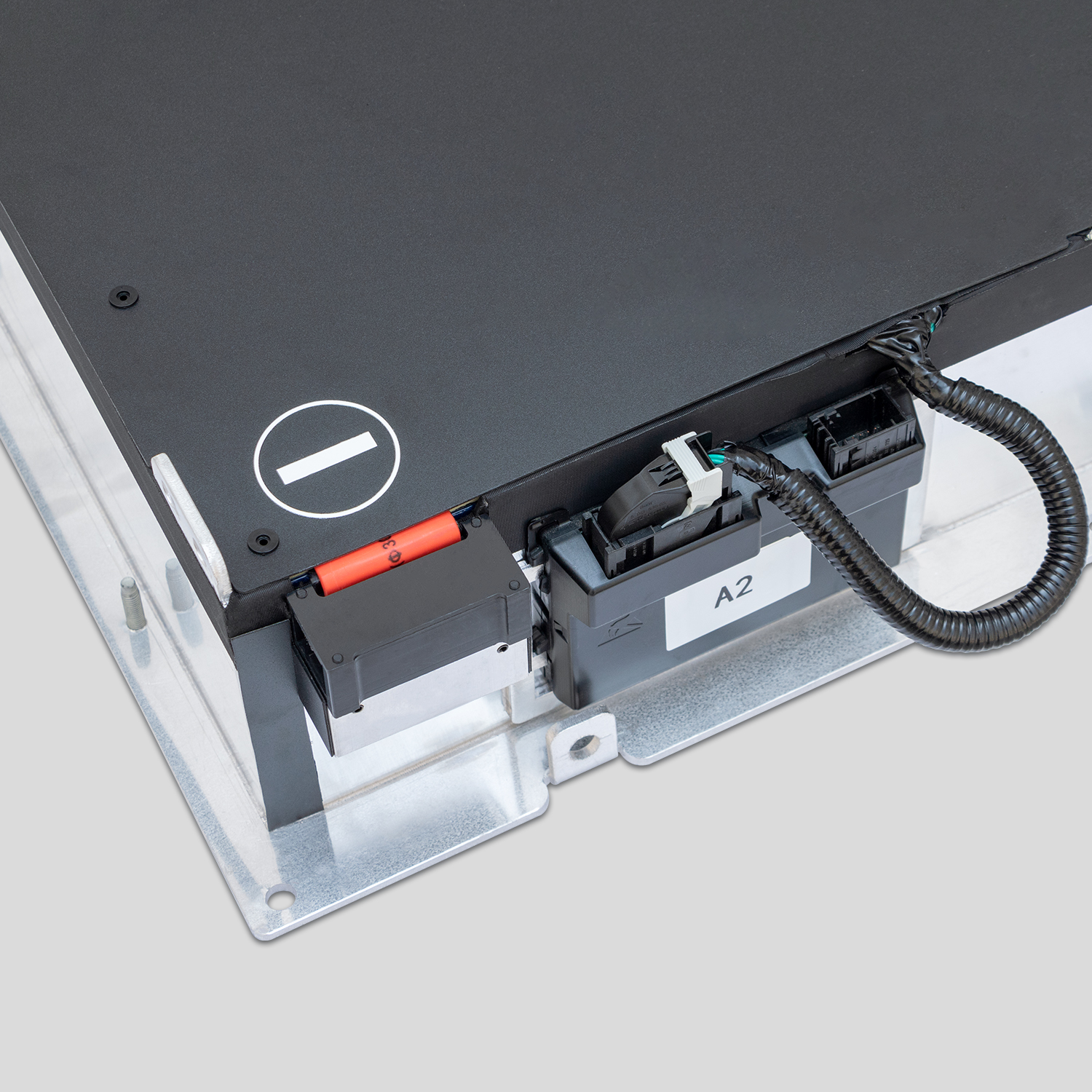
- Mechanical Fit: The physical dimensions, mounting bolts, and high-voltage connectors are identical.
📋 Step 1: Pre-Swap Preparation & Safety
Safety is Paramount. Lithium-ion batteries operate at high voltages (approximately 360V in the ZE0). Before you begin, ensure you have the following:
- PPE (Personal Protective Equipment): Insulated rubber gloves (rated for at least 1000V) and safety glasses.
- Tools: A torque wrench, a set of wrenches/sockets, and a wooden plank or trolley to support the battery weight.
- Environment: A dry, level surface. Do not perform this swap in the rain.
The Parts You Need:
- A used Nissan Leaf 24kWh Battery Pack (ZE0 model year 2011-2015).
- A CANbus diagnostic tool compatible with Nissan Leafs (to reset any error codes post-installation).
🔧 Step 2: Removing the 30kWh Battery
The removal process is identical whether you have a 24kWh or 30kWh pack.
- Disconnect the 12V Battery: Always start by removing the negative terminal of the 12V auxiliary battery to cut power to the vehicle’s control systems.
- Access the Service Plug: Open the rear passenger door. Remove the plastic trim behind the seat to access the SMC (Service Maintenance Connector) or “Orange Handle.” Pull this handle to disconnect the high-voltage circuit within the battery pack.
- Drain the Coolant: The ZE0 battery uses a glycol-based coolant. Place a catch pan underneath and disconnect the coolant lines to drain the system.
- Remove Underbody Bolts: Crawl underneath the vehicle. Remove the splash guard and locate the 10-12 bolts securing the battery to the chassis. Carefully lower the 30kWh pack using a trolley.
🔌 Step 3: Installing the 24kWh Battery
This is where the physical compatibility of the ZE0 platform shines.
- Positioning: Lift the 24kWh battery into place. The mounting points, high-voltage connectors (HVIL), and signal connectors are identical to the 30kWh unit.
- Reconnect: Bolt the battery down to the chassis. Reconnect the coolant lines (ensure you bleed the system later) and plug in the high-voltage and signal connectors.
- Reinstall SMC: Push the orange service plug handle back in to close the main contactor circuit.
⚡ Step 4: Post-Installation & “Coding” Reality
Unlike later Leaf models (ZE1/AZE0) which require complex BMS programming or “coding” to change capacity ratings, the early ZE0 (24kWh/30kWh) system is relatively straightforward.
- No Complex Coding Needed: Because the BMS architecture is older and less restrictive, the car will usually recognize the 24kWh pack without requiring a complete BMS rewrite. The car’s logic is based on voltage thresholds rather than strict capacity limits.
- What to Expect: When you first start the car, do not be alarmed if you do not see 12 bars. The car may read the State of Charge (SOC) based on the previous 30kWh calibration. After a full charge cycle (using a Level 1 charger or CHAdeMO), the BMS should recalibrate itself.
- Troubleshooting: If the car throws a “Reduced Power” or “Battery Error” light, use your OBD2 scanner to clear the DTC (Diagnostic Trouble Codes). The car should then default to accepting the new pack’s parameters.
💡 Expert Insight: Is This a Long-Term Solution?
While swapping to a 24kWh pack can get your car moving again for a fraction of the cost of a new 40kWh or 62kWh lithium battery pack, it is essential to view this as a temporary or city-commute solution.
The Long-Term Reality:
Early ZE0 batteries (both 24kWh and 30kWh) use Lithium Manganese Oxide (LMO) chemistry. This chemistry is notorious for rapid degradation in hot climates and has a limited lifespan compared to modern NMC (Nickel Manganese Cobalt) chemistries.
If your goal is reliability, consider that CNS BATTERY offers remanufactured and new replacement packs specifically designed for Nissan Leafs. While a 24kWh used pack might cost a few hundred dollars, a professionally refurbished or new solution offers:
- Modern Chemistry: Longer lifespan and better thermal management.
- Warranty: Peace of mind that a used battery cannot provide.
- Future-Proofing: Compatibility with modern charging standards.
However, if you are a DIY enthusiast on a strict budget, successfully swapping a 30kWh for a 24kWh is a testament to the modularity of the original Leaf design.
❓ FAQ: Nissan Leaf ZE0 Battery Swaps
Q1: Will my car think the 24kWh battery is still a 30kWh battery?
A: Initially, yes. The car measures voltage, not physical capacity. Your GIDS (range gauge) will be inaccurate until the BMS recalibrates after a full charge cycle. You will likely see fewer bars (around 10) instead of 12.
Q2: Do I need to change the BMS or do any software coding?
A: Generally, no. The ZE0 platform (2011-2015) does not require the complex BMS reprogramming that later models (like the ZE1) do. The physical plug-and-play connection is the same.
Q3: Can I upgrade from a 24kWh to a 30kWh using this method?
A: Yes, the process works both ways. The mechanical fit is identical. However, upgrading to a 30kWh is less common now, as most enthusiasts jump straight to a 40kWh or 62kWh conversion for significantly better range.
Q4: What are the risks of using a used 24kWh pack?
A: Used early-model packs are prone to imbalance and capacity fade. LMO cells degrade faster than modern cells. You might only get 1-2 years of reliable service from a used 24kWh pack before it needs attention again.
Q5: Where can I get a reliable Nissan Leaf battery solution?
A: For those seeking a long-term, hassle-free solution, CNS BATTERY specializes in OEM-compatible Nissan Leaf batteries. We offer 40kWh, 50kWh, and 62kWh lithium battery packs built with new, high-quality cells to ensure your Leaf is reliable for years to come.