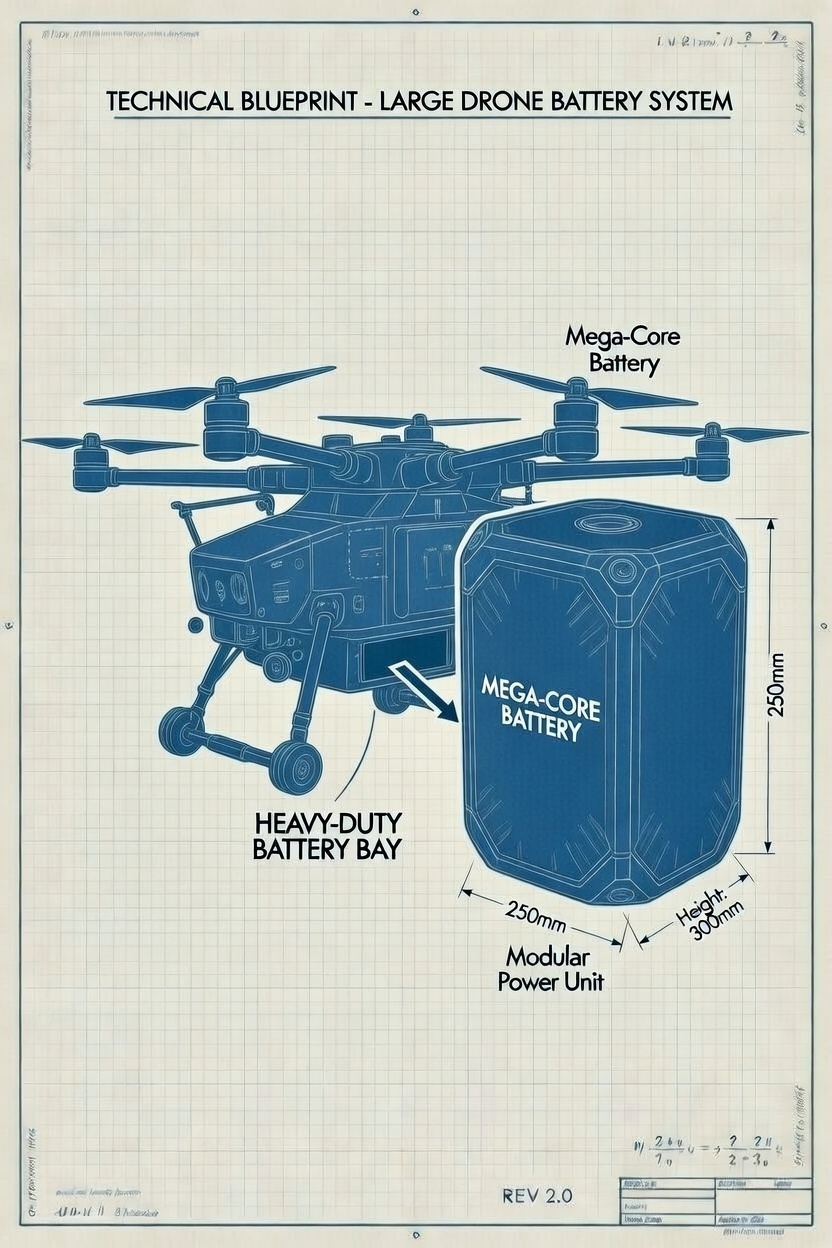
Introduction: Why Temperature Performance Matters for Bulk Buyers
The electric vertical take-off and landing (eVTOL) industry is experiencing unprecedented growth, with 2025-2026 marking the commercialization inflection point. For eVTOL manufacturers engaged in bulk battery procurement, understanding wide temperature range specifications isn’t just technical due diligence—it’s a strategic imperative that directly impacts operational reliability, certification success, and total cost of ownership.
Bulk purchasers face unique challenges when sourcing drone batteries for eVTOL applications. A single procurement decision can affect hundreds of aircraft, making temperature performance criteria crucial for fleet-wide consistency. Batteries operating outside their optimal temperature ranges experience accelerated degradation, reduced capacity, and potential safety hazards. For manufacturers investing millions in production lines, selecting batteries with verified wide temperature range capabilities ensures regulatory compliance, minimizes warranty claims, and protects brand reputation in an increasingly competitive market.
This comprehensive guide provides eVTOL procurement teams with actionable frameworks for evaluating temperature specifications, comparing supplier capabilities, and implementing quality assurance protocols that align with airworthiness certification requirements.
Understanding Wide Temperature Range Specifications
Technical Fundamentals
Wide temperature range drone batteries are engineered to maintain performance across extreme environmental conditions typically spanning from -40°C to +60°C or beyond. This capability is critical for eVTOL operations that may encounter:
- High-altitude flights with sub-zero ambient temperatures
- Desert operations with extreme heat exposure
- Rapid temperature transitions during vertical take-off and landing cycles
- Seasonal variations across global deployment regions
The battery chemistry fundamentally determines temperature tolerance. Lithium Iron Phosphate (LiFePO4) offers superior thermal stability but lower energy density, while Nickel Manganese Cobalt (NMC) provides higher capacity with more stringent thermal management requirements. Emerging solid-state battery technologies promise enhanced temperature performance with improved safety margins, representing the next evolution in eVTOL power systems.
Industry Certification Standards
eVTOL battery procurement must align with aviation certification frameworks. The Civil Aviation Administration of China (CAAC) and international equivalents require comprehensive thermal testing as part of Type Certificate (TC) applications. Battery suppliers should provide documentation demonstrating compliance with:
- DO-311A minimum operational performance standards
- RTCA environmental qualification requirements
- UN 38.3 transportation safety testing
- IEC 62660 secondary lithium cell safety standards
Procurement teams should request third-party validation reports rather than relying solely on manufacturer specifications. Independent testing verifies claimed temperature ranges under realistic load conditions that mirror actual flight profiles.
Step-by-Step Procurement Guide
Phase 1: Requirements Definition
Begin by documenting operational temperature envelopes based on intended deployment regions. Consider worst-case scenarios including:
- Maximum expected ambient temperatures at operating bases
- Minimum temperatures during high-altitude operations
- Battery self-heating during high-discharge flight phases
- Thermal soak conditions during ground operations
Establish minimum performance thresholds at temperature extremes, including acceptable capacity retention, discharge rate capabilities, and charging parameters.
Phase 2: Supplier Qualification
Evaluate potential suppliers against comprehensive criteria:
Manufacturing Capabilities: Assess production capacity, quality management systems (ISO 9001, AS9100), and traceability protocols. Bulk orders require suppliers with proven scalability and consistent quality control.
Technical Documentation: Request detailed specification sheets including temperature-dependent performance curves, cycle life data at various temperatures, and thermal runaway prevention mechanisms.
Certification Portfolio: Verify existing aviation certifications, previous eVTOL program participation, and regulatory approval history. Suppliers with established aerospace relationships streamline certification processes.
Supply Chain Resilience: Evaluate raw material sourcing, geographic manufacturing footprint, and contingency planning for supply disruptions.
Phase 3: Sample Testing Protocol
Before committing to bulk orders, implement rigorous sample testing:
- Thermal Chamber Validation: Test batteries across the full claimed temperature range under representative load profiles
- Cycle Life Assessment: Conduct accelerated aging tests at temperature extremes to project operational lifespan
- Safety Verification: Validate thermal management system effectiveness and failure mode responses
- Integration Compatibility: Confirm electrical and mechanical interface compatibility with aircraft systems
Phase 4: Contract Negotiation
Structure procurement agreements to protect long-term interests:
- Include temperature performance warranties with clear acceptance criteria
- Establish batch testing requirements for production lots
- Define remedies for specification deviations
- Secure pricing protection for multi-year supply commitments
- Negotiate technical support and engineering collaboration terms
Comparative Analysis: Temperature Performance Across Battery Technologies
| Battery Chemistry | Operating Range | Energy Density | Thermal Stability | Cost Index | Best Application |
|---|---|---|---|---|---|
| LiFePO4 | -20°C to +60°C | Medium | Excellent | Low | Cargo eVTOL, Short Range |
| NMC 811 | -30°C to +55°C | High | Good | Medium | Passenger eVTOL, Medium Range |
| NCA | -25°C to +50°C | Very High | Fair | Medium-High | High Performance Applications |
| Solid-State | -40°C to +70°C | Very High | Excellent | High | Next-Generation eVTOL |
| Lithium-Titanate | -50°C to +65°C | Low | Excellent | High | Extreme Environment Operations |
Key Considerations:
Energy density trade-offs become pronounced at temperature extremes. NMC chemistries may deliver 90% capacity at 25°C but only 70% at -20°C without active heating. LiFePO4 maintains more consistent performance but requires larger pack volumes for equivalent range.
Thermal management system complexity varies significantly. High-energy chemistries demand sophisticated cooling during high-power discharge phases, adding weight and reducing net payload capacity. Procurement decisions must account for total system implications rather than cell specifications alone.
Emerging solid-state batteries represent compelling long-term investments despite current premium pricing. Enhanced temperature tolerance reduces thermal management requirements, potentially offsetting higher cell costs through system-level simplification.
Frequently Asked Questions
Q1: What temperature range should I specify for global eVTOL operations?
A: For global deployment, specify minimum -40°C to +60°C operating range. Regional operations may accept narrower ranges, but global fleets require maximum flexibility. Always validate specifications against actual deployment climate data.
Q2: How does temperature affect battery certification timelines?
A: Comprehensive thermal testing adds 3-6 months to certification schedules. Engage certification consultants early and ensure suppliers provide complete test documentation. Pre-certified battery systems significantly accelerate aircraft approval processes.
Q3: What’s the acceptable capacity degradation at temperature extremes?
A: Industry standards typically accept 10-15% capacity reduction at operating extremes versus nominal 25°C performance. Critical applications may require tighter tolerances. Define acceptance criteria explicitly in procurement specifications.
Q4: Should I prioritize temperature range or energy density?
A: This depends on mission profiles. Urban air mobility with controlled operating environments may prioritize energy density for maximum range. Emergency response or military applications requiring all-weather operations should emphasize temperature performance. Many manufacturers now offer configurable options balancing both parameters.
Q5: How do I verify supplier temperature claims?
A: Require third-party test reports from accredited laboratories. Conduct independent validation on sample batches before production orders. Implement incoming inspection protocols including random thermal testing throughout supply relationships.
Q6: What warranty terms should I negotiate for temperature-related failures?
A: Standard warranties cover manufacturing defects but often exclude temperature-related degradation. Negotiate extended coverage for performance degradation exceeding specified thresholds at documented operating temperatures. Include provisions for batch recalls if systematic temperature performance issues emerge.
Maximizing Procurement Value
Successful eVTOL battery procurement extends beyond specification matching. Strategic partnerships with capable suppliers provide ongoing engineering support, continuous improvement initiatives, and preferential access to next-generation technologies.
Establish joint development agreements for custom solutions addressing unique operational requirements. Long-term partnerships enable suppliers to optimize production processes for your specific applications, delivering cost reductions and performance improvements over time.
Implement comprehensive supplier scorecards tracking temperature performance consistency, delivery reliability, technical responsiveness, and continuous improvement contributions. Regular performance reviews maintain accountability and identify optimization opportunities.
Taking Action: Your Next Steps
Navigating wide temperature range drone battery procurement for eVTOL applications requires specialized expertise and industry connections. Our team provides comprehensive procurement support including supplier qualification, technical validation, certification guidance, and contract negotiation assistance.
Ready to optimize your eVTOL battery procurement strategy? Contact our specialists for personalized consultation tailored to your specific requirements and operational profiles.
Contact Our Battery Procurement Specialists
Explore our comprehensive Drone Battery Solutions Portfolio for detailed product specifications and application case studies demonstrating proven temperature performance across diverse eVTOL platforms.
This guide reflects industry best practices as of 2026. Regulations and technologies continue evolving—maintain ongoing dialogue with certification authorities and technology partners to ensure continued compliance and competitive advantage.