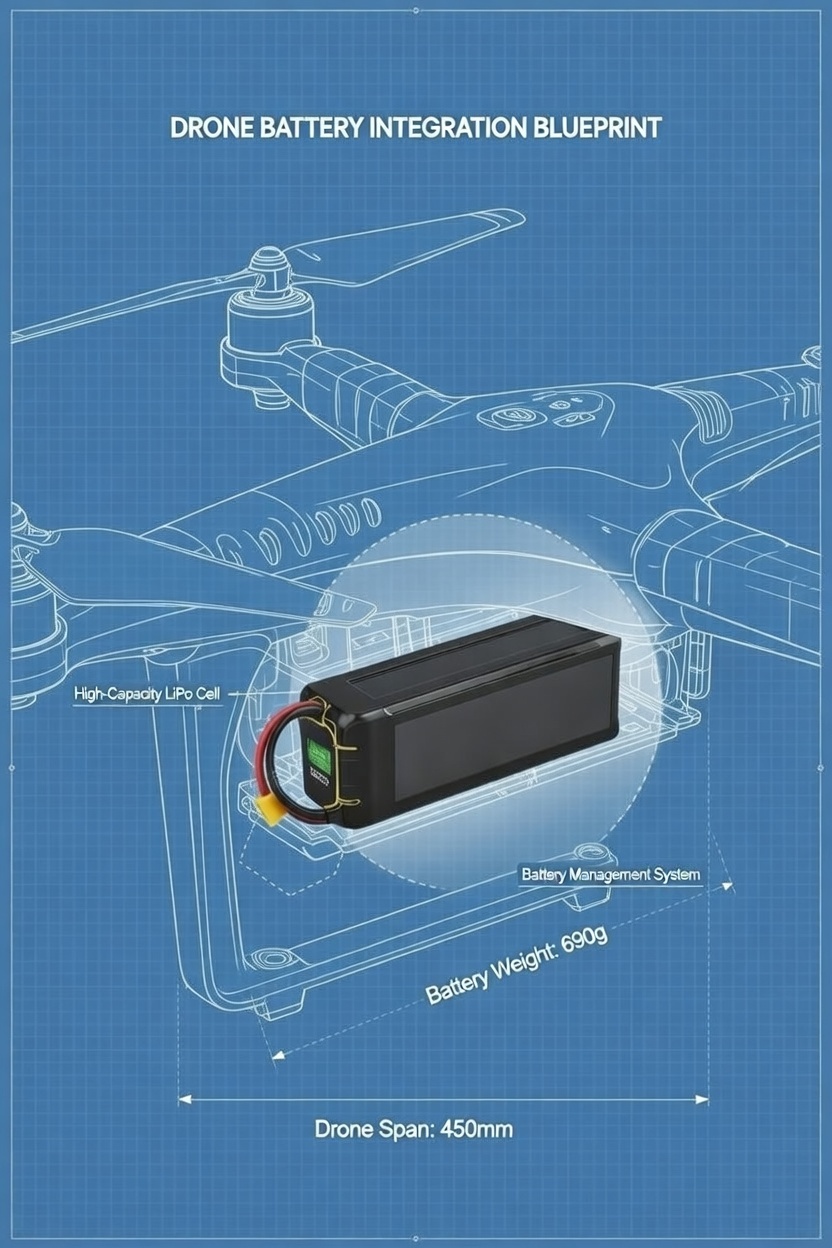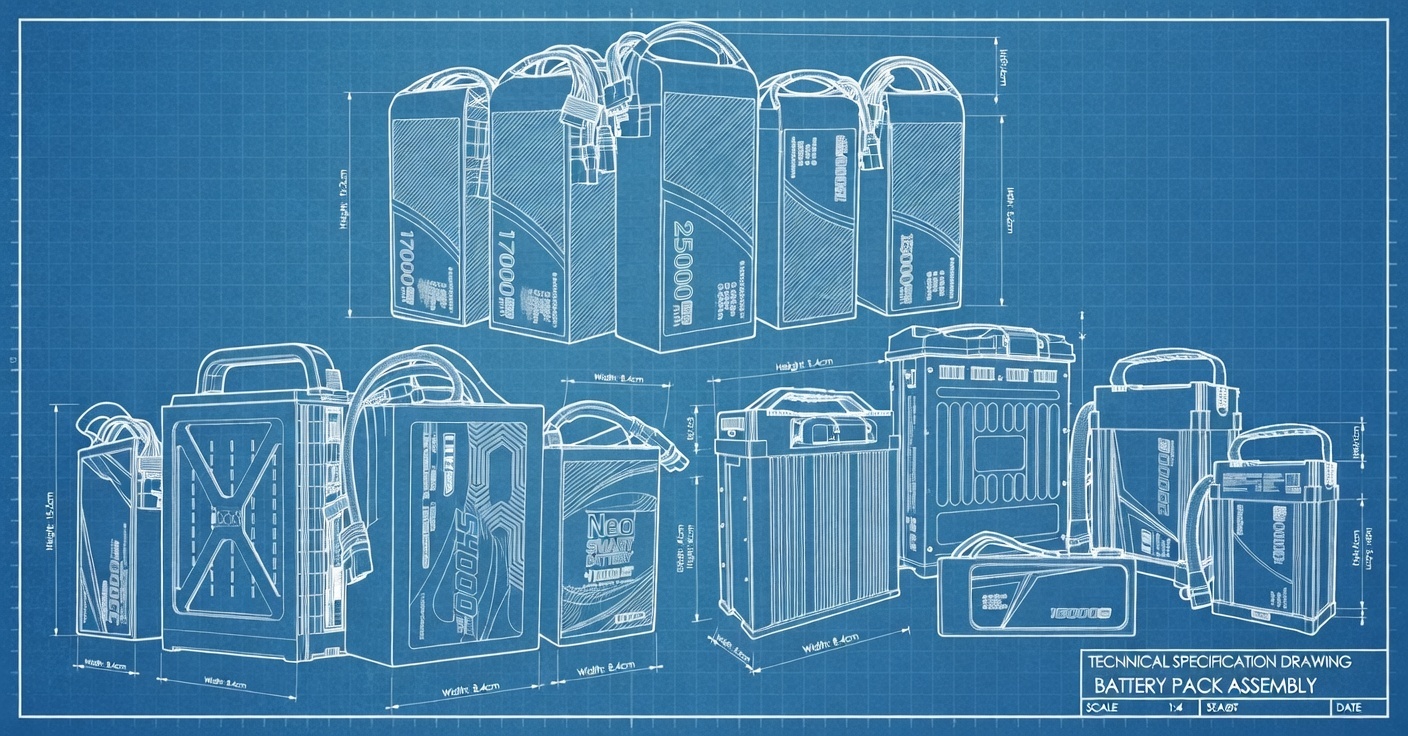
In the rapidly evolving landscape of unmanned aerial systems, hydrogen fuel cell technology has emerged as a game-changer for extended flight operations. However, procuring drone batteries for hydrogen fuel testing laboratories requires meticulous performance validation to ensure safety, reliability, and regulatory compliance. This comprehensive guide addresses the critical pain points faced by bulk procurement managers and provides actionable solutions grounded in industry standards.
Understanding the Core Challenges in Drone Battery Procurement
Hydrogen fuel testing laboratories operate under unique constraints that distinguish them from conventional drone operations. The primary pain points include:
Regulatory Compliance Complexity
With the EU Battery Regulation entering full enforcement in 2026, procurement teams face unprecedented documentation requirements. Battery passports containing chemical composition, manufacturing data, and carbon footprint information are now mandatory for industrial batteries exceeding 2kWh capacity. Failure to comply can result in shipment rejections and substantial financial penalties.
Performance Verification Gaps
Many suppliers provide generic test reports that don’t reflect real-world hydrogen fuel cell integration scenarios. Laboratory environments demand specific discharge profiles, thermal management capabilities, and voltage stability under variable load conditions that standard certifications may not adequately address.
Supply Chain Transparency Issues
Bulk purchasers often struggle to verify the authenticity of certification claims. Without ISO 17025 accredited laboratory validation, test results may lack credibility, exposing organizations to operational risks and liability concerns.
Essential Performance Testing Framework
A robust performance testing protocol forms the foundation of successful drone battery procurement. The following framework aligns with international standards while addressing hydrogen fuel testing laboratory requirements.
Key Testing Parameters
Electrical Performance Validation
- Capacity verification at multiple discharge rates (C/5, C/2, 1C, 2C)
- Voltage stability under dynamic load simulation
- Internal resistance measurement across temperature ranges
- Cycle life testing with minimum 500 charge-discharge iterations
Safety Compliance Testing
- Thermal runaway prevention verification (GB 38031-2025 standards)
- Overcharge and over-discharge protection validation
- Short-circuit response testing
- Vibration and shock resistance per MIL-STD-810G
Environmental Durability Assessment
- Operating temperature range validation (-20°C to +60°C)
- Humidity resistance testing (10% to 95% RH)
- Salt spray corrosion resistance for coastal operations
- Altitude performance simulation up to 5,000 meters
Certification Requirements for 2026
Procurement teams must verify the following certifications before finalizing bulk orders:
| Certification | Purpose | Validity Period |
|---|---|---|
| UL 1642 | Lithium cell safety | 5 years |
| UL 2054 | Battery pack safety | 5 years |
| IEC 62133 | International safety standard | 3 years |
| UN 38.3 | Transportation safety | Per shipment |
| ISO 9001 | Quality management | 3 years |
| Battery Passport | EU compliance | Ongoing |
Strategic Procurement Solutions for Bulk Buyers
Supplier Qualification Protocol
Establishing a rigorous supplier qualification process mitigates procurement risks significantly. Request comprehensive documentation including ISO 17025 accredited test reports, manufacturing process certifications, and traceability records for all battery cells. Verify that suppliers maintain AS9100 certification for aerospace applications when applicable.
Sample Testing Before Bulk Commitment
Never proceed with large-scale procurement without conducting independent sample testing. Engage third-party laboratories to validate supplier claims against your specific operational requirements. This investment typically represents less than 0.5% of total procurement value but can prevent catastrophic failures.
Contractual Protection Mechanisms
Incorporate performance guarantees, warranty terms, and liability clauses that protect your organization. Specify acceptable failure rates, replacement timelines, and compensation structures for non-conforming products. Include provisions for regular quality audits throughout the contract period.
Real-World Case Study: Antarctic Research Station Deployment
In March 2025, China’s independently developed hydrogen fuel cell successfully generated electricity at the Qinling Station in Antarctica, marking the first application of hydrogen energy technology in polar regions. This deployment required extensive battery performance validation under extreme conditions, demonstrating the critical importance of thorough testing protocols.
The procurement team implemented a three-phase validation process:
- Laboratory testing under simulated Antarctic conditions
- Field trials at domestic high-altitude research stations
- Gradual deployment with continuous monitoring
This approach resulted in 98% operational availability throughout the six-month deployment period, validating the effectiveness of comprehensive performance testing.
Frequently Asked Questions
Q: What is the minimum certification required for drone battery procurement in 2026?
A: At minimum, batteries must have UL 1642 (cells), UL 2054 (packs), UN 38.3 (transportation), and comply with EU Battery Regulation requirements including battery passport documentation for shipments to European markets. ISO 17025 accredited test reports add significant credibility.
Q: How many samples should we test before approving a bulk order?
A: Industry best practice recommends testing 3-5 samples from different production batches. For orders exceeding 1,000 units, consider testing 1% of the total quantity or minimum 10 units, whichever is greater.
Q: What is the typical lead time for comprehensive performance testing?
A: Complete testing protocols typically require 4-6 weeks, including electrical performance (2 weeks), safety testing (2 weeks), and environmental validation (2 weeks). Expedited services may reduce this to 3 weeks at additional cost.
Q: How do we verify battery passport authenticity?
A: Battery passports contain unique QR codes linked to digital databases. Verify authenticity by scanning the code and cross-referencing information with manufacturer records. EU regulations require this system to be fully operational by 2027.
Q: What failure rate is acceptable for bulk drone battery procurement?
A: Industry standards typically accept less than 0.5% failure rate within the first year of operation. Premium suppliers often guarantee less than 0.2% failure rate with comprehensive warranty coverage.
Building Long-Term Procurement Partnerships
Successful drone battery procurement extends beyond individual transactions. Establish relationships with suppliers who demonstrate commitment to continuous improvement, transparent communication, and collaborative problem-solving. Regular performance reviews and joint development initiatives can yield significant long-term benefits.
Consider implementing supplier scorecards that track delivery performance, quality metrics, responsiveness, and innovation contributions. This data-driven approach facilitates informed decision-making for future procurement cycles.
Next Steps for Your Procurement Team
Ready to elevate your drone battery procurement strategy? Our team specializes in connecting hydrogen fuel testing laboratories with verified battery suppliers who meet the most stringent performance and compliance requirements.
We offer comprehensive procurement support including supplier qualification, sample testing coordination, contract negotiation, and ongoing quality monitoring. Our network includes ISO 17025 accredited testing facilities and suppliers with proven track records in hydrogen fuel cell applications.
Contact our procurement specialists today to discuss your specific requirements and receive a customized procurement strategy. Visit our dedicated contact page at https://cnsbattery.com/drone-battery-home/drone-battery-contact to schedule a consultation with our expert team.
Investing in thorough performance testing today prevents costly failures tomorrow. Let us help you build a procurement framework that delivers reliability, compliance, and value for your hydrogen fuel testing laboratory operations.