Ultimate e-NV200 Van 24kWh to 30kWh Upgrade Tutorial
Is your Nissan e-NV200 struggling to keep up with your daily delivery routes or family adventures? If you are still relying on the original 24kWh battery pack, you are likely facing severe range anxiety, with a usable range often dipping below 100 miles (160 km) in real-world conditions. As a professional in the EV battery replacement industry, I have seen countless e-NV200 owners stuck between the rock of expensive dealership replacements and the hard place of unreliable used batteries.
The good news is that upgrading from a 24kWh to a 30kWh battery pack is the most cost-effective solution to breathe new life into your van. This tutorial will guide you through the process, explaining why this specific upgrade is superior, what to look for in a new battery, and how to execute the swap safely.
Why Upgrade from 24kWh to 30kWh?
Before we dive into the “how,” let’s address the “why.” The original 24kWh e-NV200 (2011-2017 models) was revolutionary for its time, but battery technology has advanced significantly.
- The Range Gap: The 24kWh pack offered roughly 170 km (106 miles) of NEDC range. In reality, with modern driving speeds, air conditioning, and battery degradation, this often shrinks to less than 120 km (75 miles).
- The 30kWh Sweet Spot: Upgrading to a 30kWh lithium battery pack increases your capacity by 25%. This translates to a real-world range of approximately 180-200 km (112-124 miles). It is the perfect balance between cost, weight, and performance for the e-NV200 chassis.
- Cost Efficiency: Replacing the battery with a brand-new unit from a specialized manufacturer like CNS BATTERY can save you over 50% compared to the original manufacturer’s price, without the risks of used or refurbished cells.
Step 1: Selecting the Right 30kWh Battery Pack
Not all 30kWh batteries are created equal. When sourcing a replacement for your e-NV200 upgrade, pay close attention to the specifications.
Key Features to Look For:
- Cell Chemistry: Ensure the pack uses LFP (Lithium Iron Phosphate) or high-quality NMC cells. LFP cells are renowned for their thermal stability and long cycle life, making them ideal for commercial vans.
- OEM Compatibility: The battery must be a direct plug-and-play replacement. This means the dimensions, mounting points, and communication protocols (CAN bus) must match the original Nissan specifications.
- BMS (Battery Management System): A robust BMS is critical. It must support the e-NV200’s specific voltage requirements and ensure cell balancing.
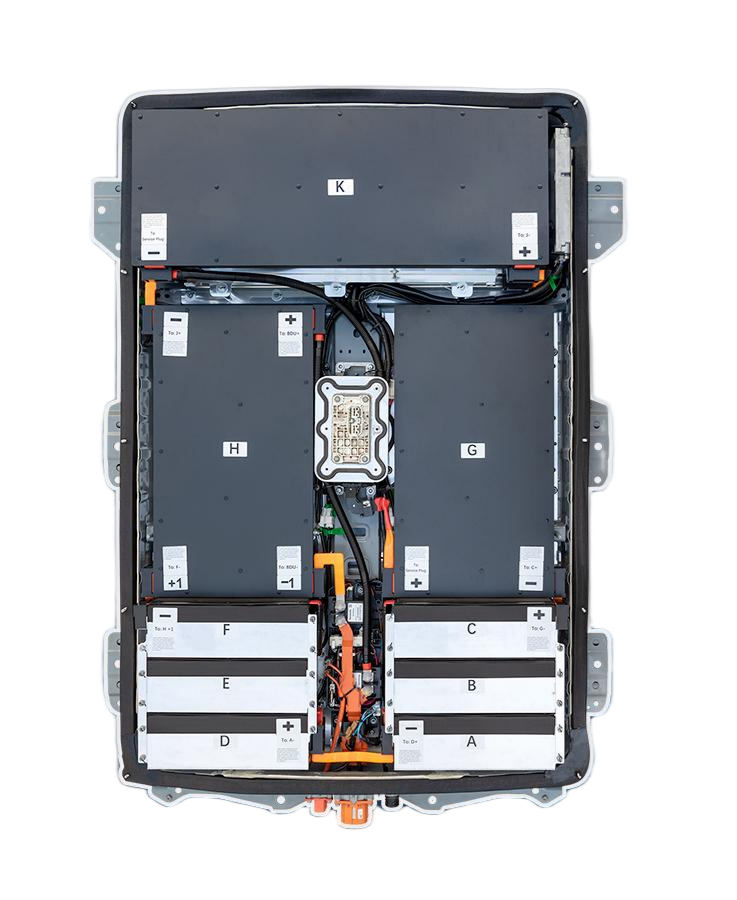
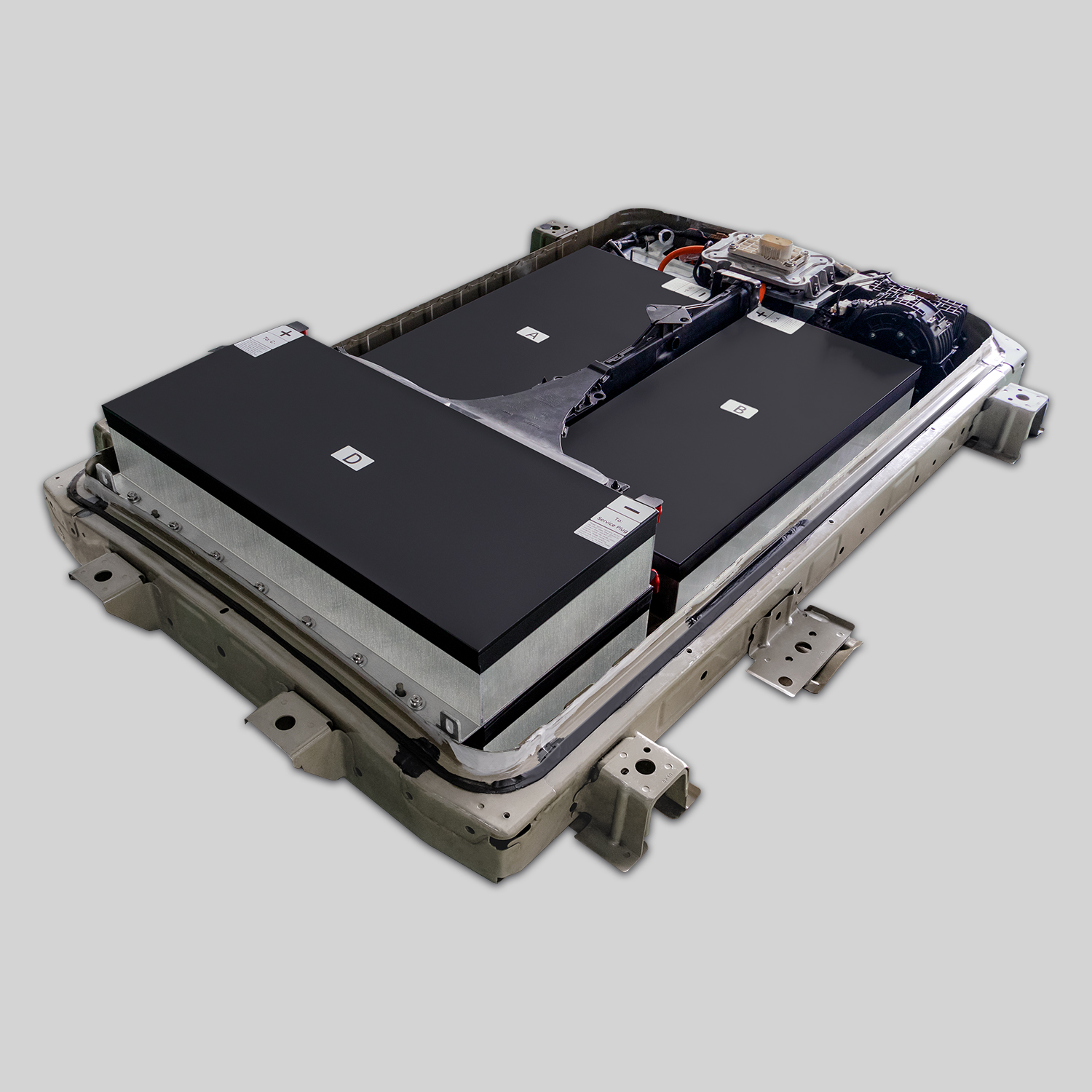
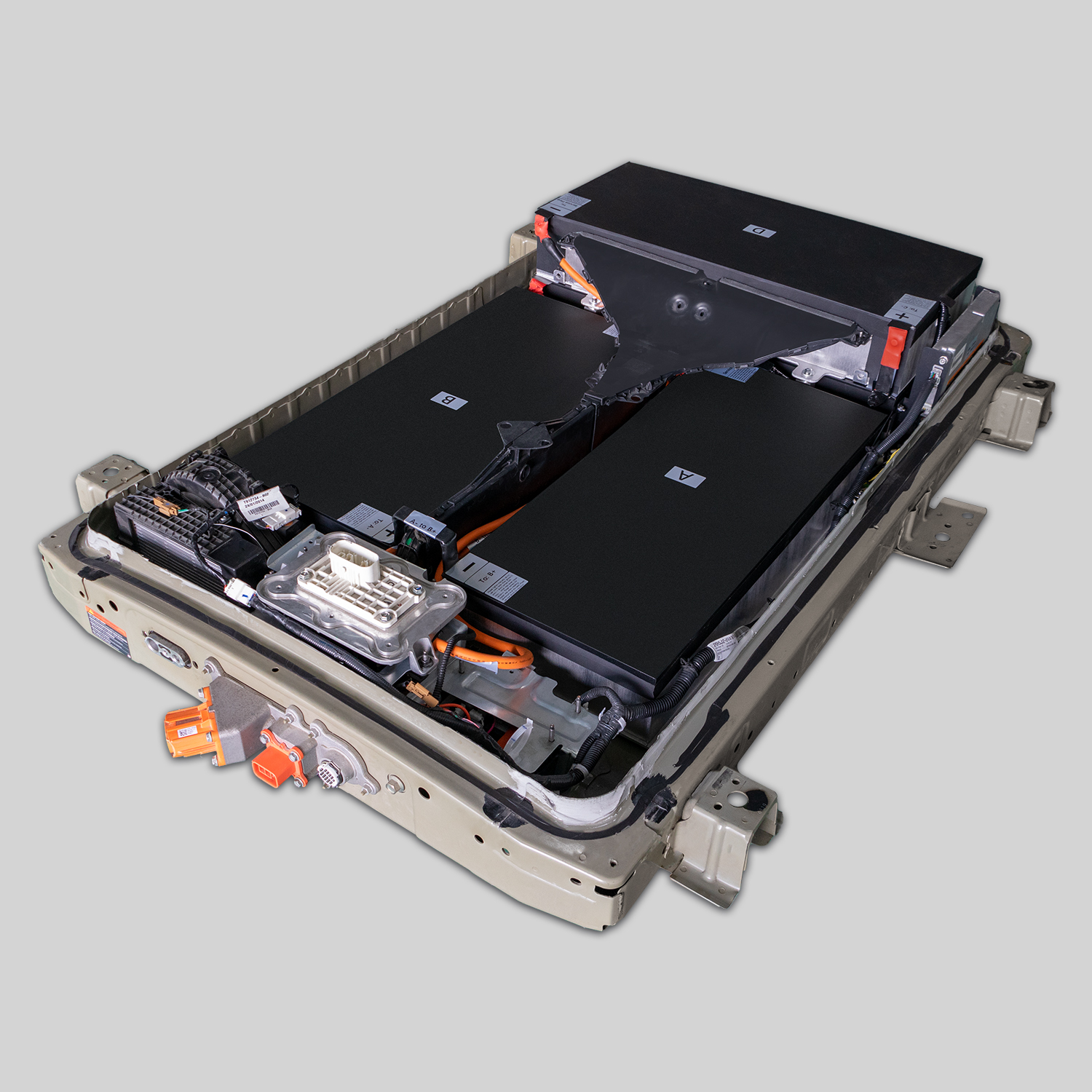
CNS BATTERY Solution: At CNS, we specialize in OEM-compatible packs. Our 30kWh lithium battery pack for the e-NV200 is engineered to fit seamlessly, utilizing brand-new cells from top-tier manufacturers like CATL. We ensure the voltage and communication protocols are 100% compatible with the original vehicle harness, eliminating the need for complex rewiring.
Step 2: Preparation and Safety
Safety is non-negotiable. Lithium batteries store a significant amount of energy. Before you begin, ensure you have the following:
- Personal Protective Equipment (PPE): Insulated gloves and safety glasses.
- Tools: Standard socket set, torque wrench, and insulated tools.
- Environment: Work in a dry, well-ventilated area away from flammable materials.
Pro Tip: Always disconnect the 12V auxiliary battery first to cut power to the vehicle’s control systems before touching the high-voltage components.
Step 3: The Physical Swap (DIY Guide)
This process typically takes 1.5 to 2 hours for a professional technician.
1. Accessing the Battery
The e-NV200 battery is located under the floor of the cargo area. You will need to remove the floor coverings and the protective undertray to access the high-voltage connectors.
2. Disconnecting the Old Pack
- High Voltage (HV) Disconnection: Locate the main service disconnect (MSD) or the high-voltage interlock loop (HVIL). Disconnect the positive and negative HV cables. Tag and lock these cables to prevent accidental reconnection.
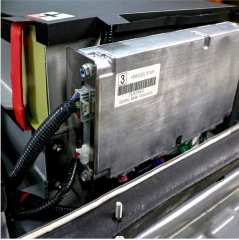
- Signal/Communication Cables: Carefully unplug the low-voltage signal harnesses connected to the Battery Management System.
3. Removal and Installation
- The battery is held in by several bolts. Remove these and carefully lower the old 24kWh pack.
- Lift the new 30kWh lithium battery pack into place. Due to the OEM design, the mounting brackets should align perfectly.
- Reinstall the mounting bolts and torque them to the manufacturer’s specification.
4. Reconnection
- Reconnect the signal cables first, ensuring the connectors are fully seated.
- Reconnect the high-voltage terminals. Ensure the polarity is correct (Positive to Positive, Negative to Negative).
- Reinstall the undertray and floor coverings.
Step 4: System Integration and Testing
Once the hardware is installed, the software needs to recognize the new capacity.
- Power Up: Reconnect the 12V battery.
- System Check: Turn the ignition on (do not start the car if it is a hybrid variant). The dashboard should light up without any high-voltage error codes.
- BMS Programming (If Required): Some upgrades may require a simple BMS reset or software handshake. If you encounter communication errors, contact your supplier’s technical support. At CNS, we offer remote video guidance to assist with this step if needed.
- Test Drive: Take the van for a short test drive. Monitor the dashboard for any warning lights and verify that the state of charge (SOC) is updating correctly.
Why Choose a Professional-Grade Replacement?
While this tutorial guides you through the physical installation, the reliability of your upgrade depends entirely on the quality of the 30kWh lithium battery pack you purchase.
Many owners make the mistake of buying “refurbished” or “used” packs to save money, only to face swelling, rapid degradation, or even fire hazards within months. A brand-new, professionally manufactured pack offers:
- Zero Defects: Brand-new cells have no prior wear and tear.
- Long Warranty: A reputable manufacturer should offer a substantial warranty (such as 2 years or 80,000 km).
- Safety Assurance: Professional packs undergo rigorous UN38.3 testing for transport and safety.
Frequently Asked Questions (FAQ)
Q1: Will upgrading to a 30kWh battery void my vehicle’s warranty?
A: Generally, replacing the battery with an OEM-compatible aftermarket unit may affect the powertrain warranty on the battery itself, but not necessarily on other components of the vehicle. It is crucial to use a pack that meets OEM voltage and communication standards to avoid damaging the Vehicle Control Unit (VCU). We recommend checking your specific regional regulations before proceeding.
Q2: Can I install the 30kWh battery myself, or do I need a mechanic?
A: The installation is considered “plug-and-play” and follows the original factory design. If you are a qualified mechanic or a confident DIYer with experience in high-voltage systems, you can install it yourself using the steps above. However, if you are unsure about handling high-voltage cables or programming the BMS, we strongly recommend hiring a certified EV technician.
Q3: How much does a 30kWh e-NV200 battery cost?
A: Prices vary depending on the cell quality and manufacturer. A brand-new, high-quality 30kWh lithium battery pack typically costs significantly less than the original OEM replacement—often saving you 50% or more. Refurbished options are cheaper but come with high risks of failure.
Q4: Where can I buy a reliable 30kWh battery for my e-NV200?
A: You should source your battery from a manufacturer that specializes in Nissan EV batteries and provides full technical support. Companies like CNS BATTERY offer custom solutions specifically designed for the e-NV200.
Ready to upgrade your e-NV200’s range? Don’t let an outdated battery limit your productivity. Get a free, no-obligation quote today for a brand-new 30kWh lithium battery pack designed for seamless integration.