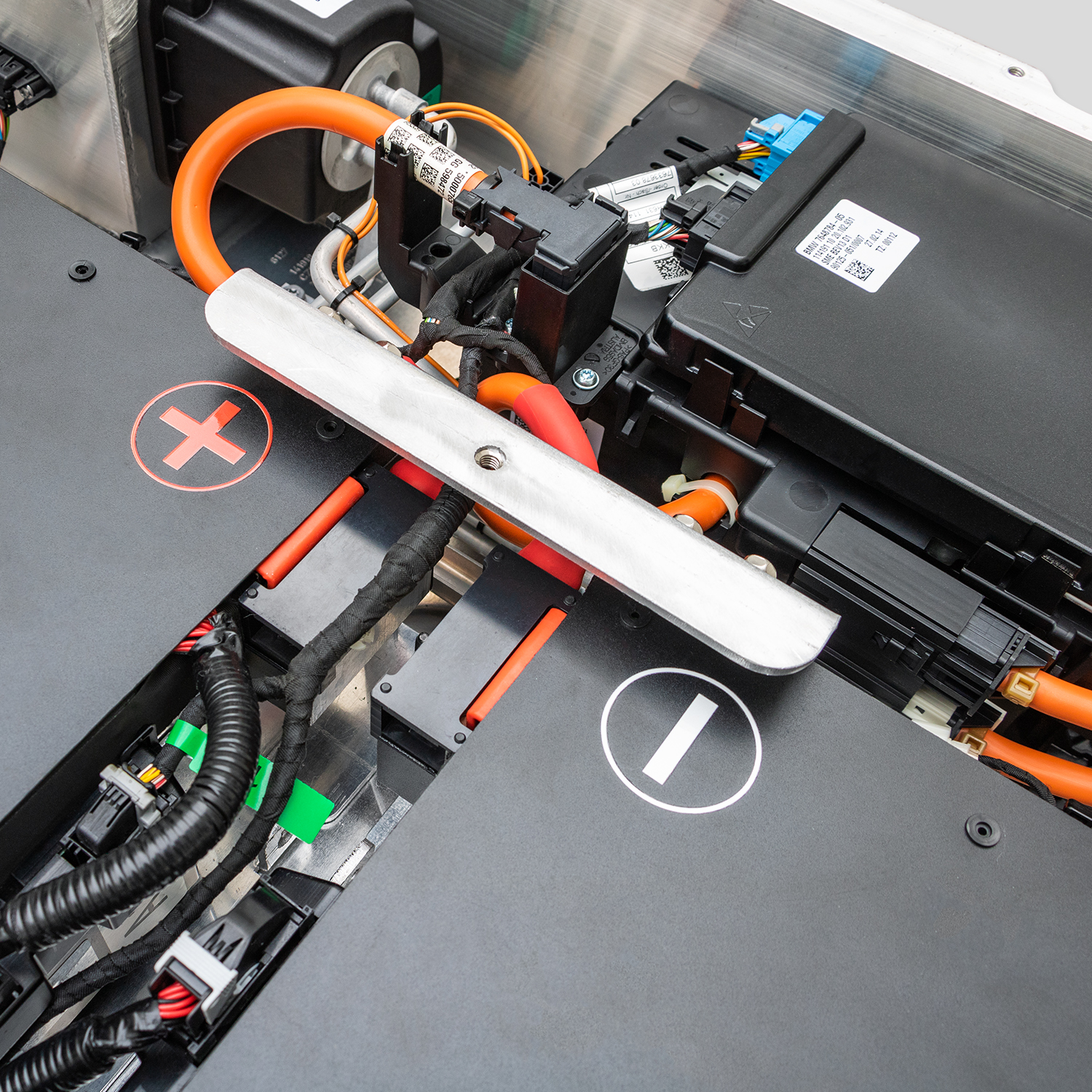
⚡ Ultimate e-NV200 Van 24kWh to 30kWh Repair & Upgrade Tutorial
Are you struggling with the limited range of your Nissan e-NV200? If the original 24kWh or 30kWh battery is no longer sufficient for your daily delivery or commute needs, you are not alone. Many e-NV200 owners face “range anxiety,” especially when the battery degrades after years of use.
As a professional in the electric vehicle battery industry, I understand your pain. You don’t necessarily need to buy a new car. Upgrading your battery pack is a cost-effective solution. In this comprehensive guide, I will walk you through the process of repairing and upgrading your e-NV200 battery from 24kWh to 30kWh (or even higher capacities), drawing on the expertise of CNS BATTERY, a leading manufacturer of high-performance lithium-ion power batteries.
🛠️ Why Upgrade Your e-NV200 Battery?
The Nissan e-NV200 is a reliable workhorse, but its early models (2014-2018) came with 24kWh or 30kWh batteries, offering a real-world range of only about 100-150km. For modern logistics and urban transport, this is often insufficient.
Common Problems:
- Battery Degradation: After 5-8 years, the capacity drops significantly, reducing your effective range to less than 100km.
- High Replacement Cost: Buying a new OEM battery from a dealership can cost over $10,000, which is often not economical for a used vehicle.
- Limited Charging Speed: Older batteries may not support the latest fast-charging technologies.
The Solution:
Replacing the degraded 24kWh/30kWh module with a brand-new 50kWh or 62kWh lithium battery pack can double your range, bringing it back to “like-new” condition at a fraction of the cost.
🧩 Step 1: Understanding the Battery Structure
Before you start the repair, you must understand what you are dealing with.
The e-NV200 battery is composed of multiple modules connected in series. The early 24kWh version uses fewer modules or modules with lower capacity. To upgrade to 30kWh or higher, you need to replace these modules.
Key Components:
- Battery Management System (BMS): The “brain” of the battery. It must be compatible with the new cells.
- Thermal Management System: Cooling plates and sensors. During an upgrade, ensure the cooling system fits the new module dimensions.
- Housing: The metal case. A professional upgrade usually retains the original housing for a perfect OEM fit.
Expert Tip: Do not attempt to mix old and new cells. This creates an imbalance and is a fire hazard. A complete pack replacement is the only safe method.
🔧 Step 2: The Repair & Upgrade Process
Here is a practical guide based on professional workshop standards.
1. Safety First (Disconnect Power)
- Park the vehicle on a flat surface.
- Disconnect the 12V auxiliary battery to cut off the low-voltage control system.
- Locate the Main Service Disconnect (MSD) on the high-voltage battery pack. Pull it out to isolate the high voltage.
2. Remove the Old Battery Pack
- Remove the underbody cover.
- Disconnect the high-voltage (HV) connectors and low-voltage communication cables.
- Loosen the bolts securing the battery to the chassis.
- Caution: The old battery is heavy (approx. 300kg). Use a forklift or engine crane to lower it safely.
3. Module Replacement & Rewiring
This is the core of the upgrade.
- Open the battery housing.
- Remove the degraded 24kWh modules.
- Install the new high-capacity modules (e.g., 50kWh or 62kWh). These modules are typically built using brand-new CATL cells for maximum reliability.
- Reconnect the busbars and wiring harnesses. Ensure all connections are torque-wrenched to factory specifications to prevent arcing.
4. BMS Reprogramming
This is where many DIYers fail. The old BMS does not recognize the new cell chemistry or capacity.
- You need to flash the BMS with new software that matches the upgraded kWh rating.
- Recommendation: If you are not a certified technician, contact a professional service center or the battery supplier (like CNS BATTERY) for remote video guidance on programming.
5. Reinstallation & Leak Testing
- Reinstall the battery onto the chassis.
- Reconnect the HV and LV cables.
- Critical Step: Perform a high-voltage insulation test and a water leak test to ensure the housing is sealed properly.
📈 The Value of a Professional Upgrade
While the tutorial above shows the technical steps, the reality is that sourcing high-quality cells and managing the BMS programming is complex.
This is why many owners and workshops choose CNS BATTERY for their upgrades. We don’t just sell cells; we provide complete, drop-in replacement solutions.
Why Choose a CNS BATTERY Pack?
| Feature | Benefit |
|---|---|
| Brand New CATL Cells | Unlike refurbished junk, we use top-tier cells for maximum lifespan and safety. |
| OEM Fitment | The pack is designed to fit your e-NV200 chassis perfectly, using the original connectors and cooling system. |
| Cost Savings | Save over 50% compared to buying a new battery from a Nissan dealership. |
| Long Warranty | We offer a 2-year / 80,000km warranty, far exceeding standard industry offerings. |
Real-World Impact:
By upgrading from a 24kWh to a 50kWh pack, you can expect your range to jump from 120km to approximately 300km. This transforms your e-NV200 from a city commuter into a capable regional delivery van.
📝 Final Thoughts
Upgrading your Nissan e-NV200 from 24kWh to 30kWh (or higher) is not just about fixing a dead battery; it is about reviving your vehicle’s value.
If you are facing the dilemma of whether to scrap your van or pay a fortune for a new one, consider the battery replacement route. It is the most sustainable and economical choice.
However, safety is paramount. If you are not confident in handling high-voltage systems and BMS programming, please seek professional help. A poorly executed repair can lead to catastrophic failure.
❓ Frequently Asked Questions (FAQ)
Q1: Can I really upgrade my e-NV200 battery myself?
While the physical installation (bolting it in) is similar to changing a tire, the BMS programming and high-voltage safety are complex. We recommend professional installation. However, if you have a mechanic friend, we provide detailed video tutorials and remote support to guide you through the process.
Q2: How much does a 50kWh e-NV200 battery cost?
Prices vary based on cell quality. Refurbished packs are cheap but risky. A brand-new pack using premium cells (like CATL) typically costs significantly less than the OEM price—often around 50% of the dealership’s quote. For an exact quote, you need to provide your VIN for a compatibility check.
Q3: Will this upgrade affect my car’s warranty?
If your car is still under the original manufacturer’s warranty, modifying the battery pack may void that warranty. However, most e-NV200 vans on the road are older models where the original warranty has expired. Our batteries come with their own 2-year warranty, providing you with peace of mind.
Q4: How long does the installation take?
For a professional technician, the installation usually takes 1 to 2 hours. This includes removing the old pack, installing the new one, and running the diagnostics.
Q5: Where can I buy a reliable e-NV200 battery upgrade kit?
You can find high-quality, OEM-compatible e-NV200 battery solutions at CNS BATTERY. We specialize in Nissan and BMW powertrains, ensuring you get a safe, durable, and long-range solution.