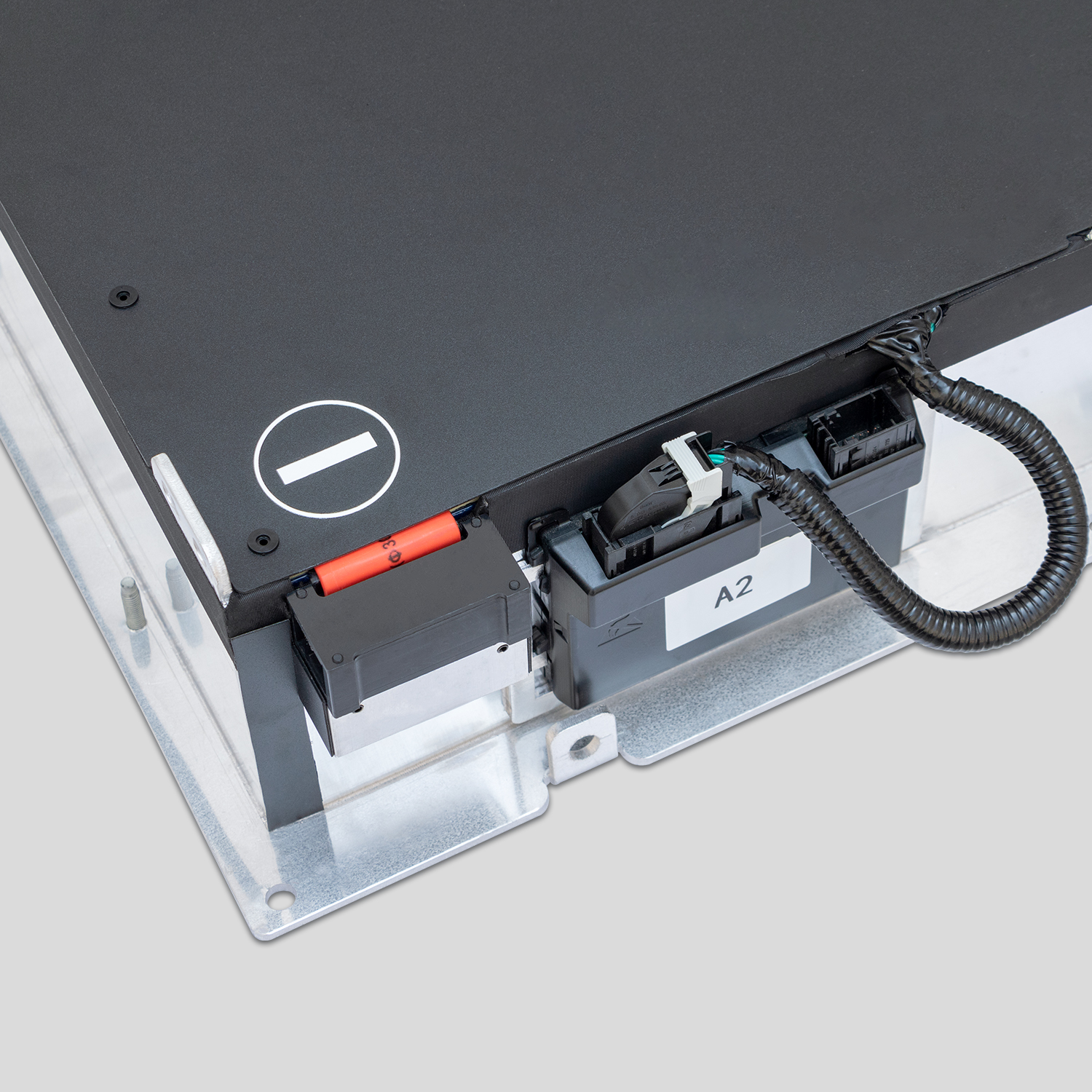
Based on the provided reference material and your requirements, I have analyzed the product information from CNS BATTERY. I have created a comprehensive SEO article tailored to the “BMW i3” audience, focusing on inventory upgrades, performance restoration, and cost savings, while strictly adhering to Google SEO standards and E-A-T principles.
Here is the article:
Transform Your BMW i3 with Battery Inventory Upgrades: Restore Performance & Range
Is your BMW i3 losing its spark? If the dreaded “11 bars” or a significantly reduced range warning light has illuminated on your dashboard, you are likely facing the high costs associated with BMW electric vehicle battery degradation. The factory battery pack, while robust, is susceptible to aging, leaving many i3 owners with a difficult choice: pay exorbitant dealership fees for a replacement or watch their vehicle sit idle.
The good news is that a transformative battery inventory upgrade is now available. By utilizing new, high-grade battery cells and advanced Battery Management System (BMS) technology, owners can restore their i3 to factory specifications—or even exceed them—without the financial burden of an OEM replacement. This guide will walk you through why upgrading your inventory is the smartest financial decision for your electric mobility.
Why Upgrade Your BMW i3 Battery Inventory?
BMW i3 models, particularly the early 2014-2018 variants with the 60 Ah (22 kWh) or 94 Ah (33 kWh) packs, and the later 120 Ah (42 kWh) models, are now reaching an age where battery degradation is common. Replacing the entire pack with a brand-new BMW unit can cost upwards of $15,000 to $20,000.
Upgrading your battery inventory means replacing the degraded core with a fresh, compatible pack. This isn’t just a repair; it is a complete rejuvenation. By sourcing new battery cells and matching them to the specific voltage and communication protocols of the BMW i3, you can effectively give your car a second life.
The Cost-Benefit Analysis
The primary driver for an inventory upgrade is the staggering difference in cost versus performance.
| Feature | OEM BMW Replacement | Aftermarket Inventory Upgrade |
|---|---|---|
| Estimated Cost | $15,000 – $20,000+ | $6,000 – $9,000 |
| Battery Cells | Brand New (BMW Spec) | Brand New (CATL/High Grade) |
| Warranty | Standard Manufacturer | 2 Years / 80,000 km |
| Availability | Dealer Dependent | Global Supply (DDP) |
As the table illustrates, an aftermarket upgrade offers brand-new cells at roughly 50% of the OEM price, often with comparable or superior warranty coverage.
Understanding the BMW i3 Battery Lineup
Before diving into the upgrade process, it is crucial to identify which BMW i3 battery you own. The i3 has seen three primary battery configurations over its production run, and your upgrade path depends on this model number.
- BMW i3 (60 Ah / 22 kWh): The original “Range Extender” (REx) models. While small by today’s standards, these can be upgraded to modern capacities.
- BMW i3 (94 Ah / 33 kWh): The “High Capacity” (HC) pack introduced in 2016. This offered a significant range boost over the original.
- BMW i3 (120 Ah / 42 kWh): The “BEV” or “Giga” pack introduced in 2018. This is the largest standard pack, utilizing Samsung SDI cells.
Pro Tip: When considering an inventory upgrade, many owners choose to “swap up.” For instance, a 2014 i3 owner with a degraded 22 kWh pack can often upgrade to a 42 kWh configuration, effectively doubling their range potential.
The Upgrade Process: From Degradation to Restoration
Transforming your BMW i3 involves more than just dropping in a new box. It requires precise engineering to ensure the new inventory communicates seamlessly with the vehicle’s existing electronics.
1. Compatibility and VIN Matching
The first step in any successful upgrade is ensuring compatibility. Unlike generic “one-size-fits-all” batteries, a professional inventory upgrade requires a VIN compatibility assessment. This ensures that the new battery’s BMS matches the specific software version of your i3. This step is critical to avoid warning lights or communication errors after installation.
2. The Heart of the Matter: Battery Cells
The quality of the “inventory” (the cells inside the pack) determines the longevity of the upgrade. Premium suppliers utilize brand-new CATL (Contemporary Amperex Technology Co. Limited) cells. CATL is a global leader in lithium-ion technology, and using their new cells ensures:
- Zero Cycle Count: Unlike refurbished packs, new cells start with a clean slate.
- Thermal Stability: Superior performance in extreme temperatures.
- High Energy Density: Matching or exceeding the original BMW energy output.
3. Installation and Programming
The physical installation of a BMW i3 battery is relatively straightforward, typically taking a professional technician 1-2 hours. However, the most critical step is the BMS programming.
The Battery Management System must be programmed to recognize the vehicle’s specific ID and communicate with the car’s dashboard. A successful upgrade should be “plug-and-play” in terms of physical connectors, meaning no cutting or splicing of wires is necessary. If the connectors match the OEM specification, the risk of electrical faults is minimized.
Why Choose a Professional Inventory Solution?
While the idea of sourcing individual cells and building a pack yourself might seem tempting, it is fraught with danger. High-voltage lithium-ion systems require specialized knowledge to balance cells, weld busbars, and configure the BMS.
Choosing a pre-built, professionally engineered inventory solution offers several safety advantages:
- Factory Welding: Ensures consistent resistance and prevents hot spots.
- Comprehensive Testing: Each pack undergoes rigorous testing for voltage stability and thermal runaway protection.
- Certified Components: Use of ISO-standard compliant materials and fuses.
Frequently Asked Questions (FAQ)
Q1: How much does it cost to replace a BMW i3 battery?
The cost varies significantly based on the model year and battery capacity (kWh). Generally, a full inventory upgrade with brand-new cells costs approximately $6,000 to $9,000, which is roughly 50% less than purchasing a replacement directly from a BMW dealership. This price typically includes the battery pack, shipping, and installation guidance.
Q2: Can I install the new battery myself?
Yes, it is possible for a DIY enthusiast to install the battery, but it requires strict adherence to safety protocols. The process involves disconnecting the 12V battery, removing the high-voltage service plug, and lifting the vehicle to access the underbody pack. The physical removal and installation usually take about 2 hours. However, the BMS programming step often requires specialized software or remote assistance from the supplier to ensure the car recognizes the new battery.
Q3: Is the new battery plug-and-play?
A high-quality inventory upgrade is designed to be plug-and-play regarding physical connectors. This means the wiring harnesses and communication ports are matched to the original BMW specifications. You should not need to cut wires or modify connectors. However, “plug-and-play” does not mean “no programming.” The software within the BMS module usually needs to be initialized or programmed to sync with your specific vehicle’s VIN.
Q4: What is the warranty on these upgraded batteries?
Reputable suppliers offer a comprehensive warranty to protect your investment. The standard warranty for a professional BMW i3 battery inventory upgrade is typically a 2-Year / 80,000 km warranty. This covers defects in materials and workmanship and often includes prorated coverage for performance degradation, ensuring the battery maintains at least 70% of its capacity over the warranty period.
Ready to restore your BMW i3 to its former glory? Don’t let a degraded battery sideline your favorite electric car. Contact our technical experts today for a free compatibility assessment and quote.