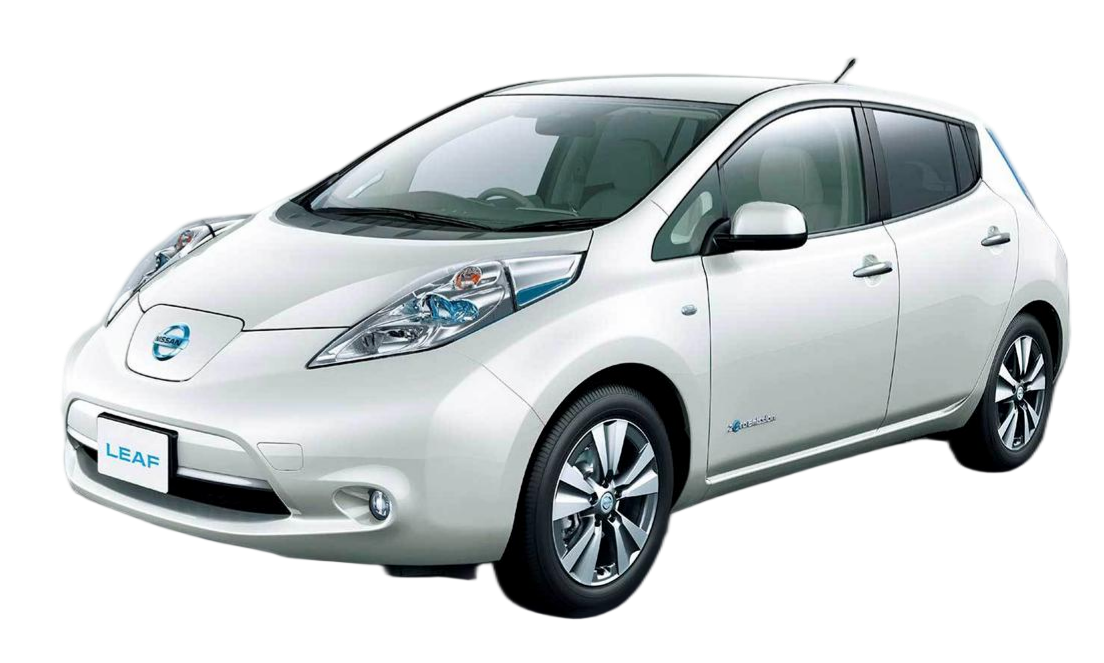
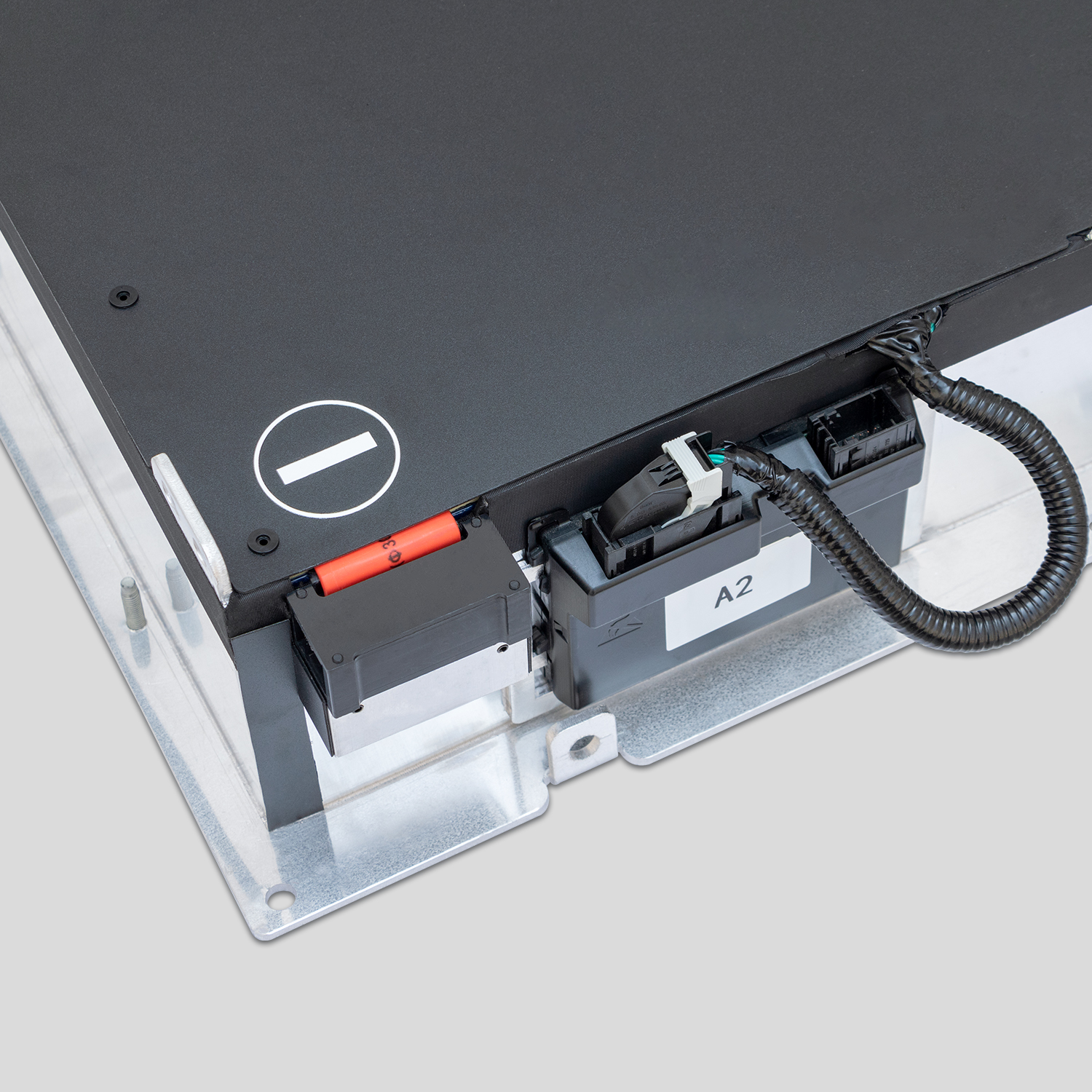
Top Suppliers for Sustainable Leaf Battery Recycling
Why Your Nissan Leaf’s Battery Replacement Matters for the Planet
Have you ever wondered what happens to your Nissan Leaf’s battery when it starts losing capacity? As EV owners, we’re often so focused on the driving experience that we overlook the environmental impact of battery replacement. The truth is, choosing the right battery supplier isn’t just about cost—it’s a critical decision for your vehicle’s sustainability.
The Sustainability Paradox of EV Ownership
Electric vehicles are marketed as eco-friendly, but their true environmental impact depends heavily on how we manage battery degradation. When your Leaf’s battery drops to 70% capacity (a common threshold), you face a choice: replace the battery or replace the entire vehicle. The latter option would generate the equivalent of 5-10 tons of CO2 emissions from manufacturing a new car.
Most “battery recycling” services actually offer refurbished batteries that last only 1-2 years before needing replacement again. This creates a cycle of waste rather than sustainable solutions. At CNS BATTERY, we’ve reimagined what sustainable battery replacement means for Nissan Leaf owners.
What Makes Battery Replacement Truly Sustainable?
Sustainable battery replacement goes beyond just swapping out an old unit. It’s about:
- Longevity: Batteries that last 8+ years instead of 2-3
- Quality: Using new battery cells, not recycled or refurbished
- Compatibility: Ensuring seamless integration without modifications
- Warranty: Comprehensive coverage that reflects confidence in quality
The CNS BATTERY Sustainability Advantage
Premium Quality, Reduced Environmental Impact
Unlike competitors who offer “recycled” batteries with shortened lifespans, CNS BATTERY uses brand-new CATL battery cells—the same quality as original manufacturer cells. This means:
- Longer lifespan: 50%+ longer than refurbished alternatives
- Less e-waste: One replacement lasts longer, reducing future waste
- Lower carbon footprint: High-quality cells require fewer replacements over time
Real Sustainability in Action
“Before CNS, I was considering buying a new car because my battery had degraded to only 120km range. Replacing it with a CNS 62kWh battery gave me 430km range, and the battery capacity is still at 11 out of 12 bars after a year. The 2-year warranty is reassuring, and customer service is responsive.” – Mark T., California
This isn’t just about range—it’s about reducing the environmental burden of frequent battery replacements.
Why Most “Sustainable” Battery Suppliers Fall Short
Many companies claim to offer sustainable solutions while actually contributing to the problem:
| Supplier Type | Battery Source | Typical Lifespan | Environmental Impact |
|---|---|---|---|
| OEM (Original) | New cells | 4-5 years | High (expensive, limited availability) |
| Refurbished | Reused cells | 1-2 years | High (frequent replacements) |
| CNS BATTERY | New CATL cells | 6-8+ years | Lowest |
The key difference? New, not recycled. Our batteries aren’t “recycled” in the misleading sense—every cell is brand new, ensuring maximum performance and longevity.
The True Cost of “Cheap” Battery Replacements
When you choose a low-cost battery replacement, you’re often sacrificing sustainability:
- Shorter lifespan: Batteries that need replacement every 2 years
- Higher e-waste: More batteries entering landfills
- Hidden costs: Additional trips to the mechanic for replacements
CNS BATTERY’s 2-year/80,000km warranty (far exceeding industry standards) reflects our confidence in sustainable performance.
How to Make Your Nissan Leaf Battery Replacement Truly Sustainable
- Verify cell quality: Ask if they use brand-new cells or refurbished ones
- Check warranty length: Longer warranties indicate confidence in longevity
- Confirm compatibility: Ensure seamless integration with your specific Leaf model
- Look for environmental commitment: A company that genuinely prioritizes sustainability
CNS BATTERY meets all these criteria, making us the top choice for sustainable Nissan Leaf battery replacement.
Your Sustainable Battery Journey Starts Here
Don’t settle for temporary fixes that create more waste. Choose a battery replacement that extends your Leaf’s life while reducing your environmental footprint.
Experience the difference of truly sustainable battery technology—with brand-new CATL cells, extended warranty, and real compatibility with your Nissan Leaf.
Get Your Sustainable Battery Solution Today
Ready to make a choice that benefits both your wallet and the planet? Our team of battery specialists will help you find the perfect sustainable solution for your Nissan Leaf.
Get Your Free Custom Quote Now
Frequently Asked Questions
Q: How is CNS BATTERY’s approach to sustainability different from other suppliers?
A: Most suppliers offer “recycled” batteries made from used cells with shortened lifespans. CNS uses brand-new CATL battery cells—the same quality as OEM batteries—ensuring longer life and reduced environmental impact.
Q: Will replacing my battery with CNS BATTERY void my vehicle’s warranty?
A: Absolutely not. Our batteries are engineered to be fully compatible with Nissan Leaf models and do not affect your vehicle’s original warranty.
Q: How long do CNS BATTERY replacements typically last?
A: With proper maintenance, our batteries typically last 6-8 years or more—significantly longer than the 2-3 years you’d expect from refurbished alternatives.
Q: Can I recycle my old battery through CNS BATTERY?
A: Yes! We partner with certified battery recycling facilities to ensure your old battery is handled responsibly. We’ll guide you through the proper recycling process.
Q: Why is using new battery cells more sustainable than refurbished ones?
A: New cells have full capacity and longevity, eliminating the need for frequent replacements. Refurbished cells often have degraded performance, requiring more frequent replacements and generating more e-waste.
Q: How does CNS BATTERY’s pricing compare to OEM batteries?
A: We offer 50%+ savings compared to original manufacturer batteries while providing superior quality and longer lifespan—making it the most sustainable and cost-effective option.