Top Mistakes in BMW i3 Battery Efficiency Optimization
The BMW i3 is a revolutionary vehicle that redefined urban mobility. However, as these cars age, battery degradation becomes a reality for many owners. While the instinct is often to rush for a replacement, the true secret to maximizing your i3’s lifespan lies in efficiency optimization. Unfortunately, many owners unknowingly sabotage their battery’s health by making critical errors during maintenance or upgrades.
As a leading OEM-compatible battery manufacturer specializing in BMW i3 solutions, we have analyzed thousands of battery data logs. We understand that the right optimization strategy can mean the difference between a car that feels sluggish and one that feels like new.
Here are the top mistakes to avoid when optimizing your BMW i3 battery, and how to fix them.
1. Ignoring the Cooling System: The Silent Killer
One of the most frequent mistakes BMW i3 owners make is neglecting the battery cooling system. The i3 relies on a sophisticated thermal management system to keep the high-voltage battery within an optimal temperature range.
The Mistake: Assuming that because the car drives fine, the cooling system is working correctly. Over time, coolant can degrade, pumps can fail, or air channels can get clogged with debris.
The Consequence: Without proper cooling, the battery cells operate at elevated temperatures. This accelerates chemical degradation, leading to a rapid drop in State of Health (SOH). A battery that is consistently too hot can lose capacity at double the normal rate.
The Fix: Regularly inspect the coolant levels and quality. If you are installing a new battery pack, ensure the cooling plates are clean and the thermal paste is fresh. This is a critical step often overlooked in DIY replacements.
2. Mismatched Cell Chemistry: A Recipe for Disaster
When sourcing replacement modules or a full pack, it is tempting to mix and match components to save money. However, cell chemistry compatibility is non-negotiable.
The Mistake: Installing third-party modules that do not perfectly match the voltage curve and chemistry of the original BMW specifications. Some aftermarket suppliers use recycled or generic cells that have different internal resistance.
The Consequence: The Battery Management System (BMS) relies on precise algorithms to calculate the State of Charge (SOC). If the cells do not match, the BMS will miscalculate the charge level. This can lead to overcharging (causing swelling) or premature cut-offs (making your range plummet unexpectedly).
The Fix: Always use modules specifically designed for the BMW i3. At CNS, we utilize brand-new CATL cells that are rigorously tested to match OEM voltage curves, ensuring your BMS reads the battery correctly.
3. Improper BMS Registration and Calibration
The Battery Management System (BMS) is the brain of your battery. It controls everything from charging limits to power output. A common error occurs after physical installation.
The Mistake: Assuming the battery is ready to drive as soon as it is plugged in. Many owners skip the critical step of BMS registration or fail to perform a full calibration cycle.
The Consequence: The BMS may restrict power output to “Limp Mode,” or worse, it may fail to register the full capacity of a new battery. This results in inaccurate range predictions and inefficient charging cycles.
The Fix: After installation, perform a full charge-discharge cycle to allow the BMS to recalibrate. For complex replacements, professional registration tools are required to ensure the system recognizes the new hardware.
4. Neglecting Module-Level Balancing
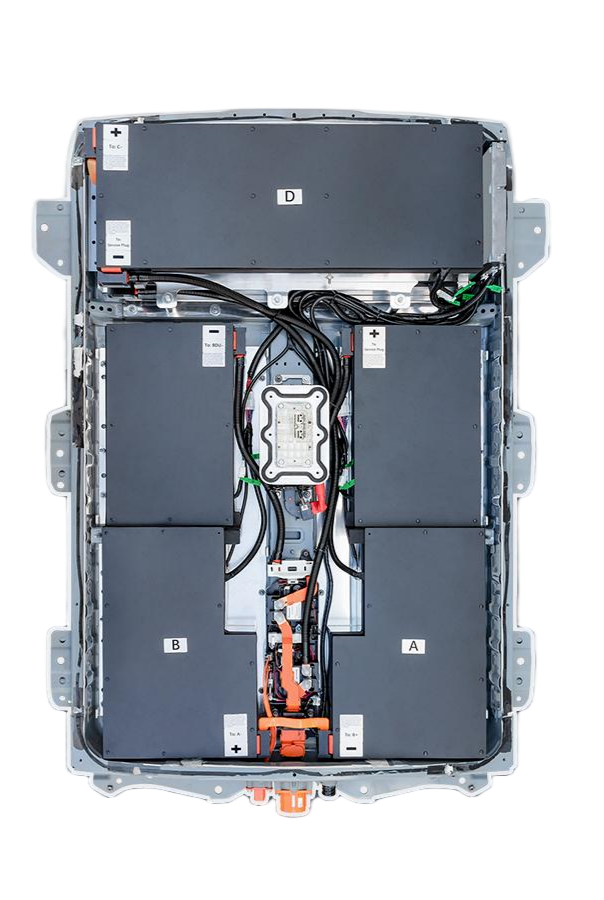
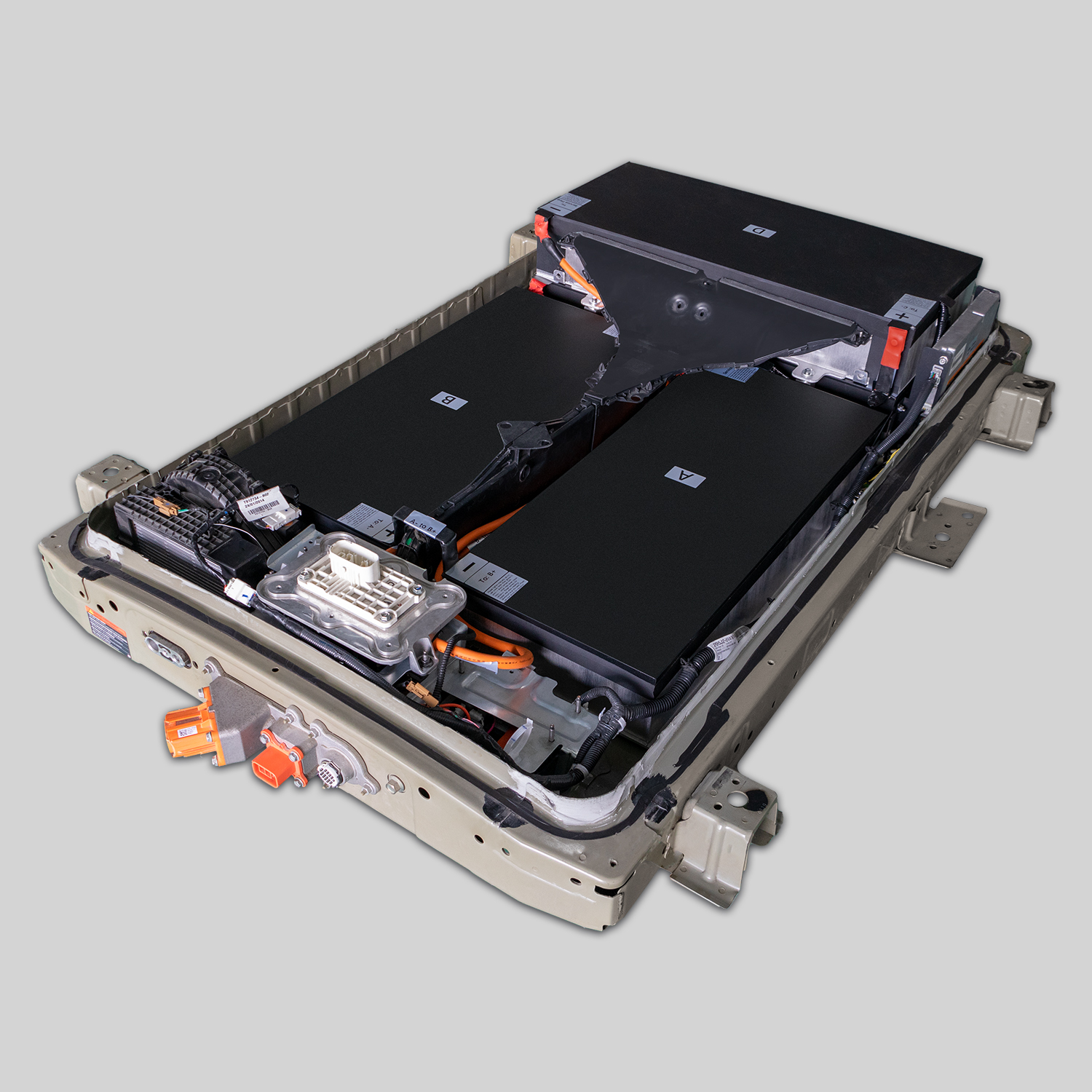
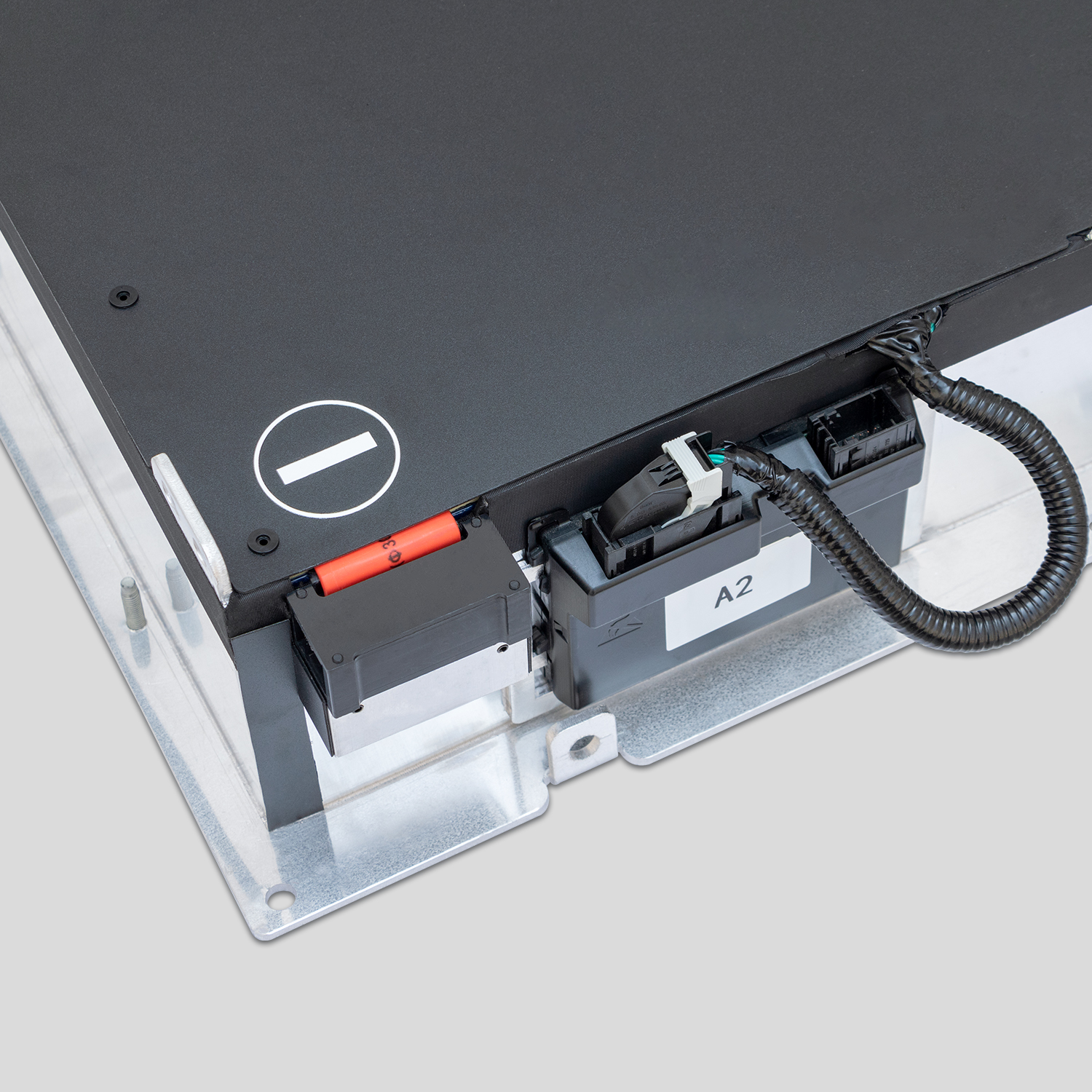
A battery pack is only as strong as its weakest cell. In a BMW i3, the pack consists of multiple modules working in series.
The Mistake: Replacing only the “bad” modules without ensuring they are perfectly balanced with the remaining “good” modules. Used modules often have varying levels of wear.
The Consequence: If one module has lower capacity than the others, it will limit the entire pack. During charging, the weak module hits 100% first, forcing the car to stop charging even though the other modules are only at 90%. During discharge, the weak module hits 0% first, cutting power.
The Fix: When replacing modules, use brand-new, matched modules. New modules ensure uniform internal resistance and capacity, allowing the pack to utilize 100% of its potential energy.
5. Overlooking Charging Habits
Even with a perfect battery, user habits can kill efficiency.
The Mistake: Consistently charging to 100% or letting the battery drain to 0%. While convenient, this puts maximum stress on lithium-ion cells.
The Consequence: Accelerated aging of the electrolyte and active materials inside the cells. This reduces the overall lifespan and increases internal resistance, making the car feel slower and reducing the effective range.
The Fix: For daily driving, keep the charge between 20% and 80%. If you are storing the car for a long period, keep the charge around 50%.
Why Choose a CNS Battery for Your BMW i3?
At CNS, we don’t just sell batteries; we provide solutions designed to avoid these common efficiency pitfalls. Our BMW i3 batteries are engineered for maximum compatibility and longevity.
- OEM-Compatible Design: We ensure perfect fitment and communication with your BMS.
- Premium CATL Cells: We use only brand-new, top-tier cells to guarantee balanced performance and safety.
- Cost Efficiency: Save over 50% compared to dealership prices without sacrificing quality.
Don’t let common mistakes ruin your driving experience. Whether you need a full 45kWh, 50kWh, or 62kWh lithium battery pack, or just a few replacement modules, we have the solution.
Get Your Custom Quote Now and let us help you restore your BMW i3 to its full potential.
Frequently Asked Questions (FAQ)
Q1: How do I know if my BMW i3 battery needs optimization or replacement?
A: If you are experiencing a significant drop in range (e.g., losing 20-30 miles of range quickly), or if the car enters “Limp Mode” frequently, it is likely time for a replacement. Optimization usually refers to software calibration or cooling system fixes, but if the cells are degraded, new hardware is required.
Q2: Can I install a CNS BMW i3 battery myself?
A: Yes, our batteries are designed for Plug-and-Play installation. We provide detailed video tutorials and manuals. However, because high-voltage batteries are dangerous, we strongly recommend having a certified technician perform the installation to avoid voiding the warranty.
Q3: What is the warranty on a CNS BMW i3 battery?
A: We offer an industry-leading 2-year / 80,000 km warranty (whichever comes first). This covers defects in materials and workmanship, and we guarantee the battery maintains at least 70% capacity during this period.
Q4: How long does shipping take?
A: We offer DDP (Delivered Duty Paid) services worldwide. Shipping times vary by region, typically ranging from 3 to 8 weeks depending on the destination and logistics method (air or sea).
Q5: Are CNS batteries compatible with all BMW i3 models?
A: Yes, our inventory supports various i3 models, including those with 45kWh, 50kWh, and 62kWh capacities. To ensure perfect compatibility, please contact our sales team with your VIN number before purchasing.
Ready to optimize your BMW i3’s performance?
Contact Our Technical Experts Now