Top Mistakes in BMW i3 Battery Capacity Choice
The BMW i3, a pioneer in the electric vehicle (EV) market, is beloved for its unique design and nimble driving dynamics. However, as these cars age, the original battery packs are succumbing to degradation. If you’re a BMW i3 owner facing the inevitable battery replacement, you are likely staring down a critical decision: capacity choice.
Choosing the wrong capacity isn’t just a minor inconvenience; it’s a costly mistake that impacts your wallet, your driving range, and the long-term health of your vehicle. At CNS BATTERY, our technical experts have seen countless owners make avoidable errors when upgrading their powertrains.
In this guide, we will dissect the top mistakes in BMW i3 battery capacity selection and show you how to make a choice that maximizes value, safety, and performance.
The “Too Small” Trap: Sacrificing Range for Savings
One of the most common mistakes is opting for a lower capacity (e.g., 22 kWh or 33 kWh) purely because it appears cheaper upfront.
Why this is a mistake:
The original BMW i3 packs, especially the later models, were designed with specific energy thresholds to maintain the car’s “Ultimate Driving Machine” feel. If you choose a capacity that is too small, you are essentially starving the electric motor.
- Performance Lag: A smaller pack often results in lower continuous discharge rates. This means your car will feel sluggish, especially when accelerating onto highways or climbing hills.
- Diminished Utility: The primary reason for replacing a battery is to restore usability. A low-capacity pack might only offer a range of 80-100 miles, which is insufficient for modern daily commutes, forcing you to charge multiple times a day.
- Battery Stress: A smaller pack working at 90-100% of its capacity just to maintain highway speeds will degrade much faster than a larger pack operating at 50-60% capacity.
The Expert Verdict: Do not compromise on capacity if you want to retain the BMW driving experience. A 45 kWh or 62 kWh upgrade is almost always the smarter long-term investment.
The “Too Big” Fallacy: Ignoring the BMS and Thermal Limits
On the flip side, some owners think “bigger is always better” and try to cram the largest capacity they can find (e.g., 100 kWh+) into their i3.
Why this is a mistake:
Your BMW i3 is not just a shell for batteries; it is a complex system governed by the Battery Management System (BMS) and a specific thermal management design.
- BMS Incompatibility: The i3’s BMS is calibrated for specific voltage and resistance curves. Installing a capacity that exceeds the BMS’s logic can lead to catastrophic failures, including incorrect State of Charge (SOC) readings or complete system shutdowns.
- Thermal Runaway Risk: The original cooling system is designed to dissipate the heat generated by a specific energy density. A massive over-capacity pack can overheat because the OEM cooling channels cannot handle the excess thermal load. Overheating leads to rapid degradation and, in extreme cases, safety hazards.
- Physical Constraints: The i3 has a unique LifeDrive architecture. The battery sits in the “Drive” module under the floor. There is a finite amount of physical space. Forcing a physically larger pack requires dangerous modifications to the chassis or undercarriage.
The Expert Verdict: Respect the OEM engineering limits. The sweet spot for a safe and reliable upgrade on the BMW i3 platform is typically between 45 kWh and 62 kWh. This range offers maximum range extension without overloading the car’s inherent safety systems.
Mistake #3: Overlooking Cell Chemistry and Quality
Capacity is measured in kWh, but the type of cells providing that capacity is equally important. Many owners focus solely on the number (e.g., “60 kWh”) and ignore the chemistry inside.
Why this is a mistake:
Not all lithium-ion cells are created equal. Using inferior or mismatched cells to hit a specific capacity target can lead to disaster.
- Degradation Mismatch: Mixing different cell chemistries (or using low-grade recycled cells) causes imbalances within the Battery Management System. Some cells will charge faster than others, leading to “swelling” and potential rupture.
- Safety Compromises: The BMW i3 requires high-nickel or NMC (Nickel Manganese Cobalt) chemistry for optimal performance. Using lower-quality LFP (Lithium Iron Phosphate) in an incompatible format can lead to voltage curve mismatches, confusing the car’s computer.
The Expert Verdict: Always verify the cell source. At CNS BATTERY, we utilize brand-new, top-tier CATL cells. These cells offer the high energy density required for the BMW i3’s performance characteristics, ensuring that the capacity you pay for is the capacity you actually use, safely.
Mistake #4: DIY Calculations Without VIN Verification
Many owners attempt to calculate their ideal capacity based on theoretical math or generic online forums.
Why this is a mistake:
The BMW i3 has multiple variants (Base, Range Extender (REx), and different model years) with different software locks and physical dimensions.
- Software Locks: Some i3 models are software-locked to a specific capacity. Installing a larger physical pack will not translate to more range if the software does not recognize it.
- REx Confusion: Owners of the Range Extender model often miscalculate the capacity they need because they are used to the gas engine compensating for low battery. When converting to a pure EV (removing the REx), choosing a capacity that is too small means the gas engine will kick in constantly, negating the purpose of the upgrade.
The Expert Verdict: Never guess. Always perform a VIN compatibility check. This ensures that the capacity you select is not only physically compatible but also recognized by your specific vehicle’s software configuration.
The CNS BATTERY Solution: Precision Matching
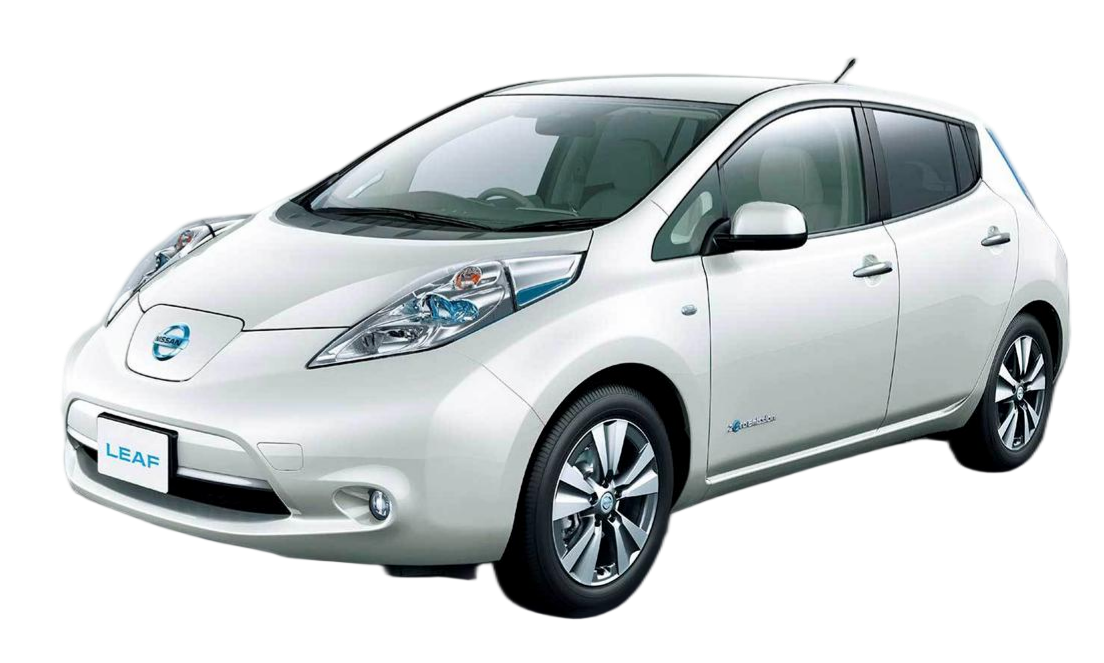
At CNS BATTERY, we don’t just sell batteries; we provide powertrain solutions engineered specifically for the BMW i3 and Nissan platforms.
We understand that choosing the right capacity is about finding the perfect balance between your driving needs and your vehicle’s engineering constraints. We eliminate the guesswork and the risk of making a costly mistake.
1. The “Goldilocks” Capacity Range
We specialize in providing 45 kWh, 50 kWh, and 62 kWh lithium battery packs for the BMW i3. This range is scientifically proven to be the safest and most efficient upgrade path:
- 45 kWh: Restores the car to modern standards, offering a range of approximately 150-160 miles.
- 62 kWh: The ultimate upgrade, offering up to 200+ miles of range, effectively doubling the usability of your i3.
2. OEM-Standard Engineering
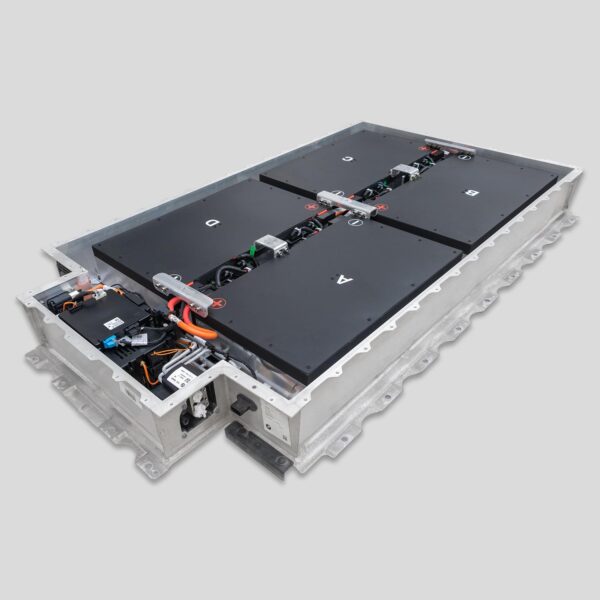
Our packs are designed to OEM standards. We do not force oversized packs into the chassis. Instead, we utilize the exact physical dimensions of the original module to ensure a perfect fit, maintaining the structural integrity of the LifeDrive architecture.
3. Unbeatable Value
By cutting out the dealership markup and utilizing direct manufacturing, we offer these high-capacity, brand-new CATL cell packs for 50% less than the original manufacturer’s price. You get the range and performance you need without the financial stress.
4. Comprehensive Warranty
We back our capacity choices with confidence. Our batteries come with a 24-month / 80,000 km warranty. This warranty covers performance degradation, ensuring that the capacity you select today will perform reliably for years to come.
Conclusion: Avoid the Pitfalls, Restore Your i3
Choosing the wrong capacity for your BMW i3 battery replacement is a mistake that costs more than just money—it costs peace of mind.
By avoiding the traps of “too small” and “too big,” and by prioritizing cell quality and compatibility, you can restore your i3 to its former glory (or even better). Don’t let a bad capacity choice leave you stranded or compromise the safety of your vehicle.
At CNS BATTERY, our technical experts are ready to help you select the perfect capacity for your specific BMW i3 model. We offer personalized consultations to ensure you get the range you need at a price you can afford.
Ready to make the right choice? Contact our technical experts now for a free, no-obligation quote and VIN compatibility check.
Frequently Asked Questions (FAQ)
Q1: What is the best battery capacity upgrade for a BMW i3?
The optimal capacity upgrade for a BMW i3 is typically between 45 kWh and 62 kWh. This range provides a significant increase in driving range (up to 200 miles) while maintaining compatibility with the vehicle’s Battery Management System (BMS) and thermal management systems. Anything below 45 kWh may not provide sufficient range, while capacities exceeding 62 kWh often require dangerous modifications to the chassis or cooling system.
Q2: Can I install a Tesla battery in my BMW i3?
No, you cannot directly install a Tesla battery pack into a BMW i3. The physical dimensions, voltage curves, and communication protocols (BMS) of Tesla batteries are entirely different from BMW’s specifications. Attempting such a swap would require a complete rewiring of the car and is not a safe or recommended modification.
Q3: How much does it cost to replace a BMW i3 battery?
The cost varies significantly depending on whether you choose an original manufacturer (OEM) replacement or an aftermarket solution like CNS BATTERY.
- OEM Replacement: Typically costs over $16,000.
- CNS BATTERY Replacement: Offers brand-new, high-capacity packs (45 kWh – 62 kWh) for approximately 50% less than OEM prices, providing superior value and often a longer warranty.
Q4: How long does a replacement BMW i3 battery last?
A high-quality replacement battery, such as those using new CATL cells from CNS BATTERY, is designed to last for many years. Our packs come with a 2-year / 80,000 km warranty, which is significantly longer than many competitors. With proper maintenance and charging habits, you can expect the battery to retain at least 70% of its capacity throughout the warranty period, ensuring reliable performance for your daily commutes.