
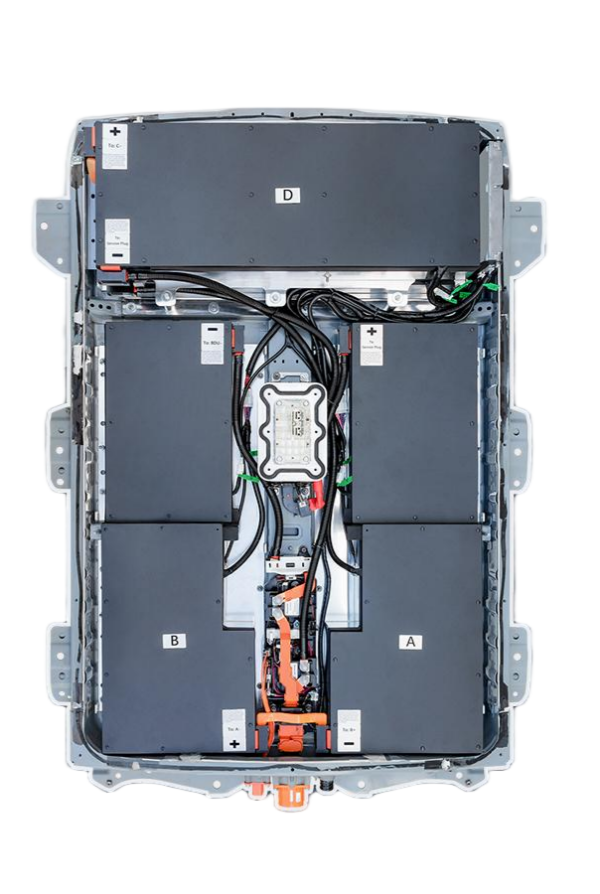
Essential DIY Tools for a Nissan Leaf ZE0 Battery Replacement
Replacing the battery in your Nissan Leaf ZE0 (2011-2017 models) is a significant project that can breathe new life into your EV. While the prospect of handling high-voltage components might seem daunting, having the right set of tools transforms this task from a stressful ordeal into a manageable weekend project.
At CNS Battery, we specialize in providing OEM-compatible lithium-ion battery packs for Nissan and BMW. Based on years of technical support and customer feedback, we know that preparation is key. This guide details the exact top DIY tools you need to safely and efficiently complete your Leaf ZE0 battery swap.
⚠️ Safety First: Non-Negotiable Gear
Before touching a wrench, you must prioritize safety. The Leaf ZE0 operates at high voltages, making personal protective equipment (PPE) mandatory.
- Insulated Rubber Gloves: You need Class 00 (500V) rated gloves to protect against accidental shocks.
- Dielectric Safety Boots: These provide an extra layer of insulation from the ground.
- Safety Glasses: Protect your eyes from dust, debris, and potential sparks.
- Lithium Battery Fire Extinguisher: While rare, having a Class D or ABC fire extinguisher nearby is a critical safety net in case of thermal runaway.
Pro Tip: Always double-check the integrity of your gloves before starting. A pinhole leak can compromise your safety.
🛠️ The Core Toolkit: Wrenches, Torque, and Jacks
The Nissan Leaf ZE0 battery pack is secured with specific fasteners. Using the wrong tool can strip bolts or damage components.
1. The Socket & Ratchet Set
You will need a comprehensive socket set to access the underbody bolts and internal connections. The most critical sizes for the ZE0 are:
- 10mm, 14mm, and 17mm Sockets: These are the workhorses for removing the underbody shield and the battery retaining bolts.
- 3/8″ Drive Ratchet: Offers better maneuverability in tight engine bay spaces compared to a 1/2″ drive.
2. Torque Wrench
This is not optional. The Leaf’s high-voltage connectors and mounting points require specific torque specifications to ensure a secure connection without stripping the threads.
- Setting: Ensure it can handle the range of 20-70 Nm (15-50 lb-ft).
3. Hydraulic Jack and Jack Stands
The battery pack weighs approximately 300 kg (660 lbs). You need heavy-duty support.
- Capacity: A 2-ton (4000 lbs) hydraulic floor jack is the minimum requirement.
- Support: Never work under a car supported only by a jack. You need at least two sturdy jack stands rated for the vehicle’s weight.
4. Transmission Jack or Heavy-Duty Pallet Jack
A standard floor jack won’t support the battery’s shape. You need a wide, flat surface to slide under the pack.
- Recommendation: A transmission jack with adjustable arms or a heavy-duty pallet jack covered with a thick blanket to protect the battery casing.
🔌 Electrical & Diagnostic Essentials
A battery swap isn’t just mechanical; it’s electrical. You need to verify connections and communicate with the car’s brain.
- Digital Multimeter (DMM): Essential for checking the 12V auxiliary battery and verifying voltage outputs before and after installation.
- Nissan Consult III / IV Scanner (or Equivalent): While the installation is plug-and-play, a diagnostic scanner allows you to reset the Battery Management System (BMS) and clear any “EV System Malfunction” errors. This is crucial for ensuring the car recognizes the new pack.
- Cable Ties and Electrical Tape: For securing the high-voltage cables (Orange) and low-voltage harnesses during reinstallation.
💡 Expert Tips for a Smooth Swap
Based on our experience supporting thousands of installations, here are a few insider tips to make your job easier:
- Battery Condition: Perform the swap on a fully charged battery. This ensures the BMS is awake and active when you connect it to the car.
- Clean Workspace: The underside of the Leaf can be dirty. Have a shop vacuum ready to clean the mounting area to prevent debris from falling into the new pack.
- The “Second Pair of Hands”: While the process is DIY-friendly, having a friend assist with lifting the heavy battery pack off the jack and onto the mounting brackets is highly recommended to avoid strain or accidents.
🚀 Ready to Restore Your Range?
Equipping yourself with the right DIY tools is the first step towards restoring your Nissan Leaf ZE0 to its factory performance—or even upgrading it.
At CNS Battery, we don’t just sell high-quality, CATL-cell-powered battery packs; we support your journey. Whether you are upgrading from a 24kWh to a 62kWh pack or simply replacing a degraded unit, our technical team is ready to assist with compatibility checks and installation guidance.
Don’t let a dead battery sideline your car. Get a free quote for your perfect replacement pack today.
❓ Frequently Asked Questions (FAQ)
Q1: Can I install a CNS Battery pack in my Nissan Leaf ZE0 by myself?
Yes, absolutely. The installation process is designed to be plug-and-play. With the right tools (like a transmission jack and torque wrench) and safety gear, most mechanically inclined DIYers can complete the swap in 1-2 hours. We provide detailed installation videos and manuals to guide you through every step.
Q2: What is the warranty on CNS Battery packs?
We offer an industry-leading 2-year / 80,000 km warranty (whichever comes first). This covers defects in materials and workmanship, as well as performance degradation, ensuring your battery maintains at least 70% capacity during the warranty period.
Q3: Will a new battery fit my older Leaf model perfectly?
Yes. Our batteries are engineered to meet OEM standards. They match the original voltage, capacity, and physical dimensions of the Nissan Leaf ZE0. We also offer a pre-sale VIN compatibility check to guarantee a perfect fit for your specific vehicle.
Q4: How much can I save compared to a dealership?
CNS Battery packs typically cost about 50% less than purchasing a new battery from a Nissan dealership. This allows you to enjoy the reliability of brand-new cells at a fraction of the original manufacturer’s price.

